What are the primary structural differences between a microcontroller and a microprocessor?
Answer
A microprocessor relies on external chips for memory and I/O, while a microcontroller integrates the CPU, memory, and peripherals onto a single chip.
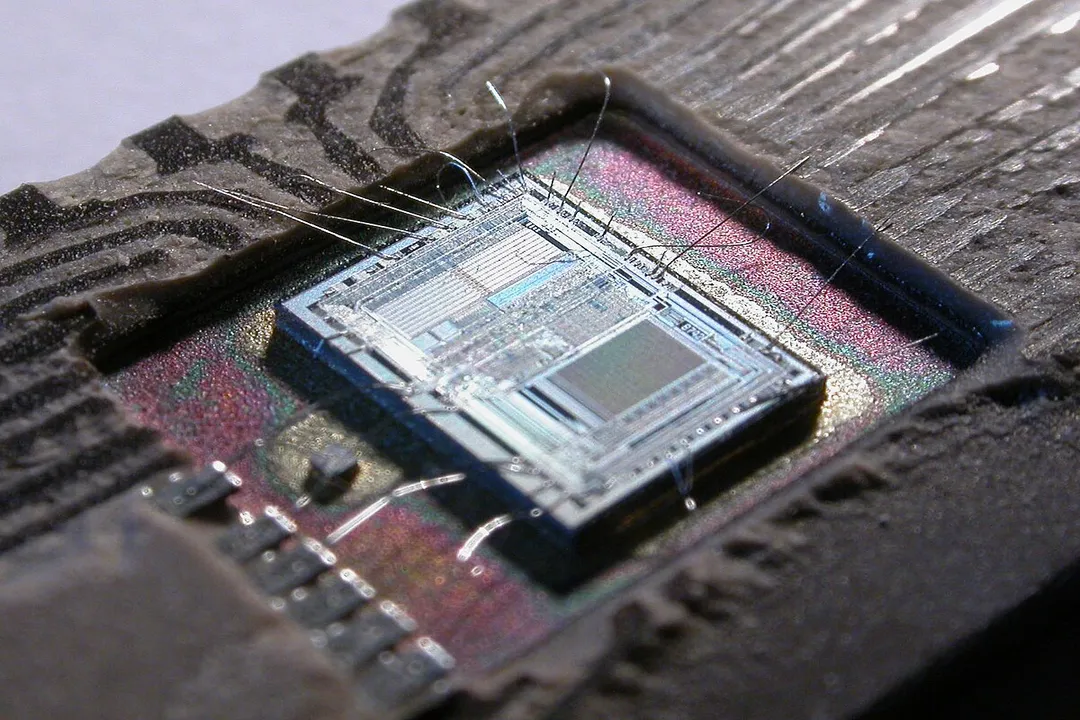
A microprocessor typically contains only the Central Processing Unit core, necessitating the use of external memory chips and separate input/output interfaces to operate as a functional system. In contrast, a microcontroller is a system-on-chip design that encapsulates the CPU, volatile RAM, non-volatile ROM or Flash memory, and various peripheral components such as timers and communication interfaces into a single integrated circuit, creating a self-contained unit specifically designed for embedded control tasks.
Related Questions
What are the primary structural differences between a microcontroller and a microprocessor?Which industry was primarily responsible for driving the early development of the integrated microcontroller?What design priorities define the efficiency of a microcontroller for embedded control tasks?How did early single-board computers differ from the initial design goals of the microcontroller?Why is in-system programming considered a defining method for software deployment in microcontrollers?Which set of components is integrated directly onto the silicon of a standard microcontroller?What benefit did the standardization of MCU architecture provide for software developers?What purpose do peripherals like timers and analog-to-digital converters serve within a microcontroller?What economic factor allowed microcontrollers to succeed in markets where microprocessor technology could not?How did the legacy of early single-board computers influence modern microcontroller development boards?