Who was the most important inventor in the Industrial Revolution?
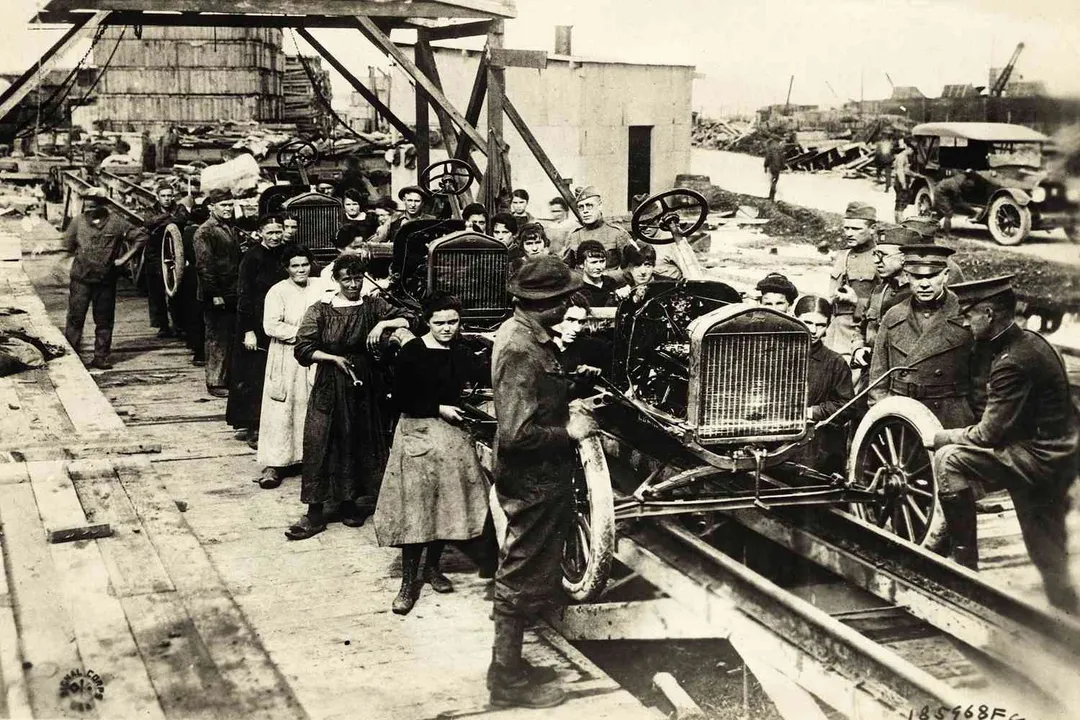
The transition we call the Industrial Revolution was not the work of a single mind, but rather a cascade of interconnected breakthroughs that fundamentally reshaped human civilization. Pinpointing the most important inventor is akin to choosing the single most vital cog in a massive, turning machine; success depended on multiple interacting components. [1][5] However, when assessing sheer transformative power—the invention that unlocked the potential for all subsequent mechanical expansion—the focus often narrows to those who mastered energy and organization.
# Power Source
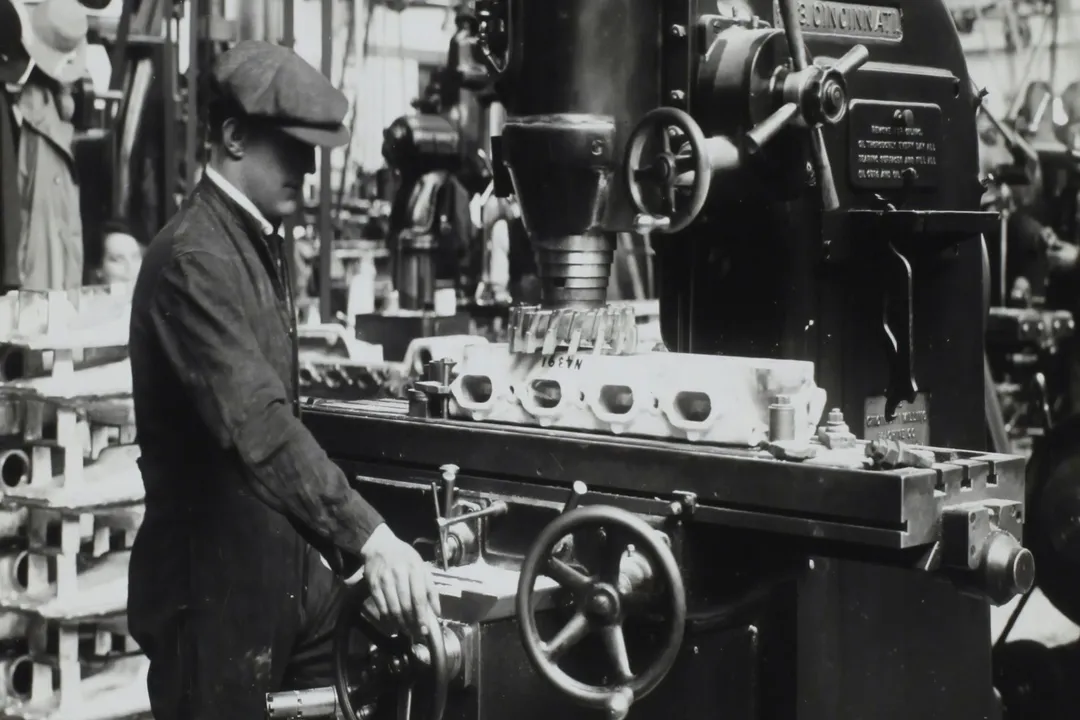
The availability of reliable, concentrated power separate from the natural constraints of wind or water was perhaps the single greatest prerequisite for the Revolution’s expansion beyond localized areas. [4] Early steam engines, like Thomas Newcomen’s atmospheric engine, were already in use, primarily for pumping water out of deep mines. [1][5][10] While essential to the coal industry, these engines were tremendously inefficient, consuming vast amounts of fuel. [1]
It was James Watt who made steam power truly versatile and economically viable for widespread application. [1][5][10] His crucial innovation, the separate condenser, significantly reduced fuel consumption, often by 75 percent compared to Newcomen's design. [1] This efficiency gain meant that steam engines could be sited anywhere coal could be delivered, unshackling industry from riverbanks and allowing factories to rise in urban centers. [1][10] Watt’s later improvements, such as the rotary motion mechanism, converted the up-and-down pumping action into continuous circular motion, making the engine suitable for driving machinery in textile mills and workshops. [5][10] Without this mastery of energy conversion, the later machinery would have remained limited in scale and scope.
# Textile Output
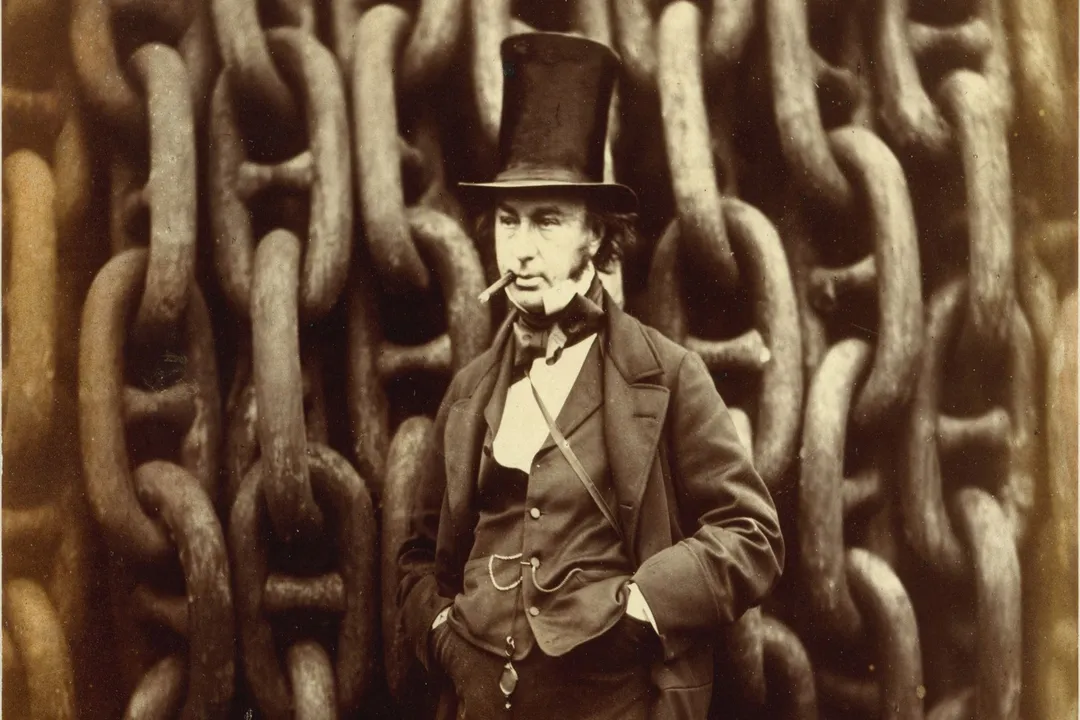
If Watt provided the muscle, the textile industry provided the first large-scale demonstration of mechanical efficiency. Before widespread mechanization, production relied on the slow, household-based "putting-out system". [4] The bottleneck quickly moved from weaving to spinning, necessitating rapid innovation in that area. [4][10]
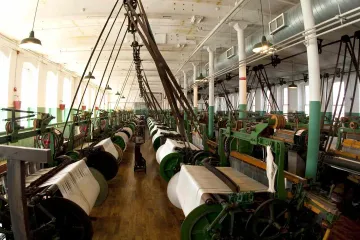
James Hargreaves’ invention of the spinning jenny around allowed a single worker to operate multiple spindles simultaneously, increasing yarn output dramatically. [6][10] However, the yarn produced was often weak. The next significant step came from Richard Arkwright with his water frame. [4][6] This water-powered machine produced much stronger thread, capable of being used for the warp (the longitudinal threads in weaving). [4] Arkwright’s system required large buildings situated near fast-flowing water sources to harness the power, effectively birthing the modern factory system and concentrating labor away from homes. [4][6] This organizational shift, driven by the requirements of his machinery, fundamentally changed social structures and labor practices. [4] Later inventions, like Samuel Crompton’s spinning mule (combining the best features of the jenny and the water frame), pushed output even further, making cotton production an undeniable centerpiece of the early Industrial Age. [10]

# Manufacturing Principles
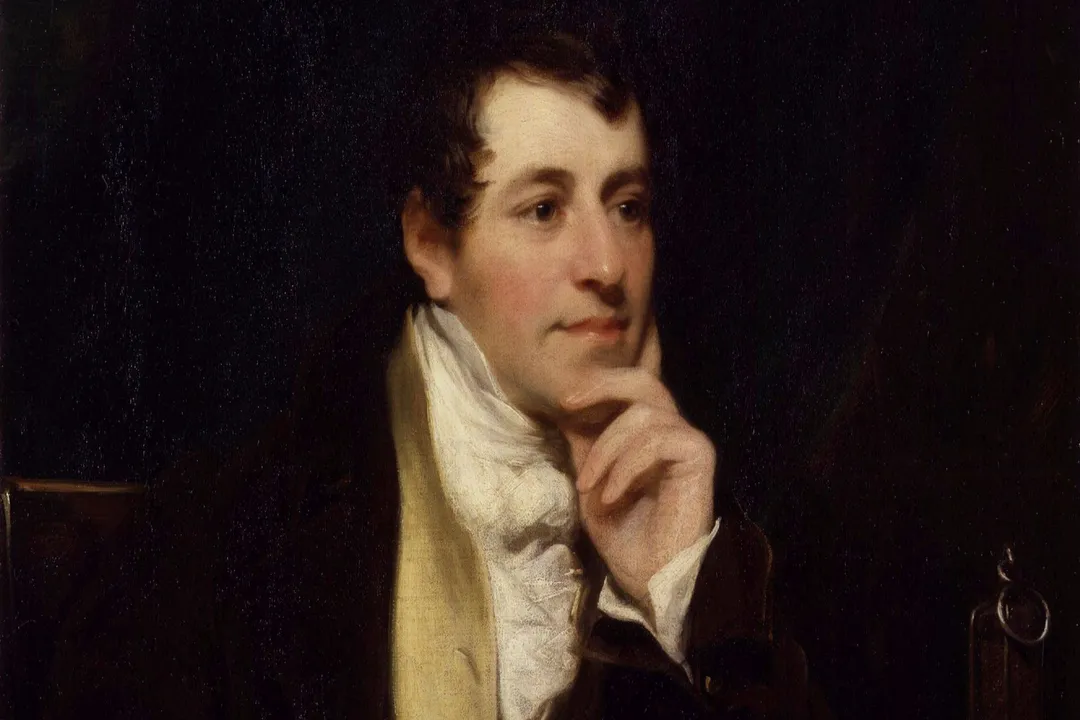
While steam provided power and textiles provided early factory organization, true industrial capacity—the ability to repair, replicate, and scale production indefinitely—relied on a shift in thinking about manufacturing itself. In the American context, Eli Whitney is a towering figure here, though his impact was global. [2][7]
Whitney is famous for the cotton gin, an invention that dramatically sped up the separation of cotton fiber from its seeds. [7] This made short-staple cotton commercially viable across the American South, unfortunately entrenching and expanding the institution of slavery to meet the new demand fueled by British mills. [2][7] However, Whitney’s more enduring, though less immediately visible, contribution to industrialism was his championing of interchangeable parts. [1][7]
The idea that components could be manufactured to exact, standard specifications meant that a machine could be repaired by simply swapping out a broken piece, rather than requiring a skilled craftsman to custom-file a replacement. [1] This concept, which Whitney pursued for manufacturing muskets for the U.S. government, transitioned manufacturing from artisanal, unit-by-unit creation to standardized mass production—a principle that underpins nearly every manufactured good today. [1][2] While Watt improved power sources and Arkwright improved organizational layout, Whitney provided the blueprint for replication at scale.
If we look purely at the economic multiplier effect, the interplay between these figures is fascinating. Consider a hypothetical factory in 1780 versus 1820. In 1780, a textile mill powered by Arkwright's water frame might need to shut down for days waiting for a local blacksmith to mend a broken wheel bearing. [4] By 1820, a factory potentially powered by Watt’s more efficient steam engine, using machines built with interchangeable components, could resume production in hours using a standardized spare part sourced from a specialized parts manufacturer. [1] The efficiency gain from the system (Watt/Whitney) quickly outpaced the efficiency gain from the initial invention (Hargreaves/Arkwright).
# Connecting the Nation
The final layer of the first Industrial Revolution involved shrinking distance and time, allowing the resources to feed the factories and the finished goods to reach consumers efficiently. This required applying steam power to movement, leading to the rise of the railway. [2][5]
George Stephenson stands as a primary figure in this field, often dubbed the "Father of Railways". [2][5] His locomotive, the Rocket, developed in , proved the viability of steam-powered rail transport by winning the Rainhill Trials. [2][5] The railway network that followed was transformative. It lowered the cost of transporting bulk materials like coal and iron, increased market size by making distant consumers reachable, and accelerated the movement of labor. [5][10] While Watt perfected stationary power, Stephenson successfully applied that power to mobility, integrating the industrial heartlands like never before. [5]
# Weighing the Importance
Deciding on the single most important inventor requires defining "importance." Is it the person whose invention had the largest immediate impact on production volume, the one whose principle enabled future scale, or the one who created the basic power source?
| Inventor | Key Invention | Primary Impact Category | Dependence on Predecessors |
|---|---|---|---|
| James Watt | Improved Steam Engine (Separate Condenser) | Ubiquitous Power Generation | Newcomen's initial concept [1] |
| Richard Arkwright | Water Frame / Factory System | Centralized Labor Organization | Water power availability [4] |
| Eli Whitney | Interchangeable Parts | Standardization and Mass Production | Conceptual abstraction of precision [1] |
If importance is measured by enabling future revolutions, Eli Whitney’s principle of interchangeable parts might win. Without that standardization, the steam engines, factory systems, and later inventions like Bessemer steel converters could never have been reliably mass-produced or maintained at the scale required for the Second Industrial Revolution. [1] It is an abstract concept applied mechanically, but its consequences are pervasive.
If importance is measured by unshackling production from geography, James Watt is the clear victor. Moving industry away from the dependency on running water allowed for population centers to grow where labor and resources were otherwise available, fundamentally restructuring the geography of economic activity. [1][10] The efficiency of his engine made coal the primary fuel for industry for over a century. [1]
However, many historians argue that Richard Arkwright’s contribution was the most systemic. [4] By designing machinery that demanded a centralized, regulated workforce, he didn't just invent a machine; he invented the industrial organization that defined the era—the factory. [4] Watt’s engine powered the looms, but Arkwright’s system determined how the power was applied by the workers. [4]
Ultimately, the true foundational moment lies with Watt. A textile machine is a localized improvement; an efficient steam engine is a universal energy solution. Once the reliable, scalable power source exists, the application—whether it is spinning cotton, pumping water, or driving a locomotive—becomes a matter of engineering optimization rather than a fundamental breakthrough in energy availability. The persistent, efficient, and location-independent power unlocked by Watt’s condenser represented the true break from the pre-industrial world, making him arguably the single most important catalyst for the subsequent century of growth. [1][5]
#Videos
The Power of Innovation: Inventors of the Industrial Revolution ...
Related Questions
#Citations
Who were some important inventors of the Industrial ...
7 Key Inventors of the American Industrial Revolution
The Most Important Inventions of the Industrial Revolution
Innovations and Innovators of the Industrial Revolution
7 Marvellous Inventors of the Industrial Revolution
Eli Whitney
20 Trailblazing Figures From the First Industrial Revolution
The Power of Innovation: Inventors of the Industrial Revolution ...
10 Major Inventors of the Industrial Revolution