Who invented vaccine distribution platforms?
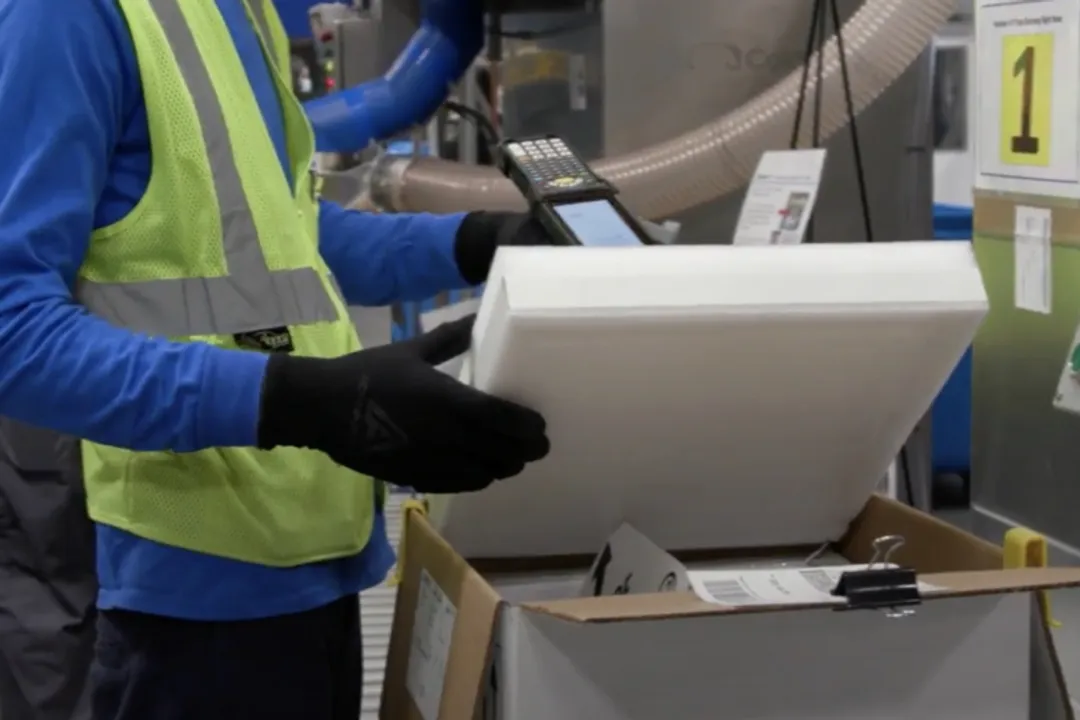
The concept of a singular "inventor" for vaccine distribution platforms doesn't quite fit the modern reality, especially when considering the unprecedented global effort to deploy COVID-19 countermeasures. Instead of one person or group, the platforms that emerged were complex assemblies: a fusion of government mandates, private sector technological adaptation, and novel pharmaceutical requirements. These systems involved everything from centralized tracking software to specialized shipping containers and the protocols governing where every vial finally landed. The urgent need during the pandemic accelerated the deployment and integration of existing and newly developed digital tools into one massive, interconnected logistical apparatus.
# System Evolution
Vaccination itself has a history stretching back centuries, beginning with practices like variolation and progressing through the work of figures like Edward Jenner, who developed the first successful vaccine against smallpox in 1796. Over time, the administrative side evolved, evidenced by the World Health Organization (WHO) establishing the Expanded Programme on Immunization (EPI) in 1974 to develop global immunization programs. These historical efforts established the need for distribution coordination, but the scale and technical challenges of the 21st century demanded entirely new platforms.
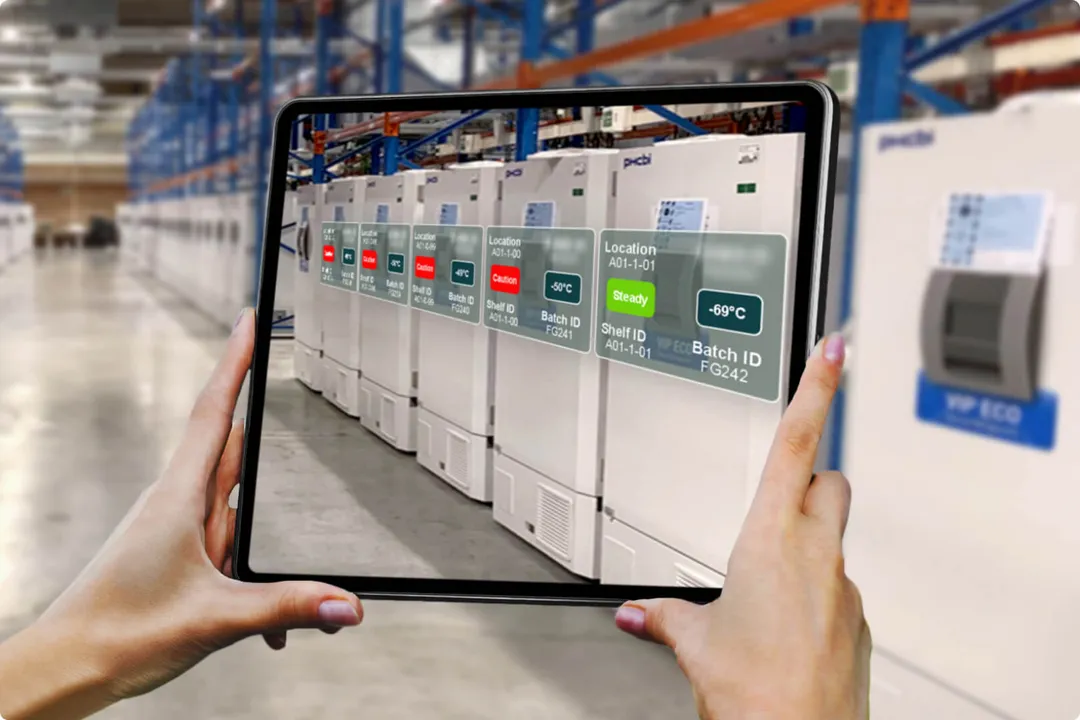
The challenge during the COVID-19 pandemic was not just moving a liquid from point A to point B; it was moving a highly sensitive biologic product, sometimes requiring storage at temperatures far colder than anything previously required for mass distribution. This meant the distribution platform had to solve problems related to data visibility, temperature monitoring, and jurisdiction-level allocation simultaneously.
# Government Coordination Software

In the United States, a major contribution to organizing the initial complex distribution was the public-private partnership known as Operation Warp Speed (OWS), officially announced in May 2020. OWS was designed to accelerate development, manufacturing, and distribution. Central to its logistical success was a bespoke software application: the Tiberius Platform.
Tiberius was specifically created for OWS to guide the complex flow of vaccines from manufacturers to the point of administration. This platform acted as a crucial intermediary layer, integrating data from the U.S. Census to determine population-based allocation percentages, the CDC’s Vaccine Tracking System, and input from commercial logistics partners like UPS and FedEx. Jurisdictions—states, territories, and large cities—worked within Tiberius to designate where their allocated doses would go, whether to local doctor's offices or major medical centers. Notably, while Tiberius ran the central allocation algorithm, state and local leaders ultimately made the final decisions on where doses went, requiring compliance from federal distributors. The system was designed to handle de-identified data only, keeping personal health information out of the federal planning system.
# Private Sector Digitization
While Tiberius handled the high-level governmental allocation, the actual physical movement relied heavily on the pre-existing, yet rapidly enhanced, capabilities of private logistics and pharmaceutical companies. Companies like Pfizer chose to keep their entire distribution network in-house, necessitated by the ultracold requirements of their mRNA vaccine, which needed to remain at minus .
Pfizer’s distribution success depended on rapidly scaling up digital oversight. They deployed an internal software tool dubbed the digital "cockpit," which provided key stakeholders worldwide with a shared, end-to-end view of manufacturing and supply data, moving away from older methods like whiteboards and sticky notes. This cockpit leveraged Artificial Intelligence (AI) to detect potential production line issues. Furthermore, for the actual shipping, Pfizer utilized GPS-enabled data loggers inside custom thermal shippers. This "control tower" technology allowed them to monitor the temperature and location of every single dose until it reached the healthcare practitioner.
Commercial carriers brought their own advanced platforms to the table. For instance, FedEx utilized its SenseAware ID technology and its FedEx Surround platform, giving both the company and healthcare customers near real-time updates on sensitive packages. Similarly, UPS operated a dedicated 24/7 command center, monitoring shipments using their own active tags and software designed to detect network disruptions proactively. These systems are a testament to how investment in tracking technology long preceding the pandemic became the essential distribution platform when demand spiked.
One fascinating dynamic that emerged from the COVID-19 response was the distinct prioritization between development speed and distribution readiness. The scientific breakthroughs in developing mRNA vaccines, like Pfizer’s Project Lightspeed initiative, were swift, taking only 63 days from sequence to clinical trial for some candidates. This rapid scientific pace, however, immediately collided with the immense logistical burden imposed by the delivery system itself. The necessity for ultracold storage ( for Pfizer’s LNP-based vaccine) meant that the physical distribution infrastructure—the specialized freezers, dry ice supply chains, and monitoring protocols—had to be invented or scaled up while the product was already being manufactured. This is a critical insight: the development platform (mRNA/LNP) directly constrained the distribution platform's requirements, forcing a massive, expensive, and rapid retrofitting of global cold-chain logistics that was not part of the initial scientific development plan.
# Scientific Platforms Dictating Delivery
The "platform" concept extends beyond logistics software and into the very biology of the vaccine. The messenger RNA (mRNA) platform, while revolutionary for speed, inherently demanded a complex distribution method because the mRNA molecules themselves are physically unstable outside the cell and require encapsulation within Lipid Nanoparticles (LNPs) for safe delivery. The sensitivity of these LNPs to temperature meant that distribution platforms had to be engineered specifically for ultra-low temperatures, contrasting sharply with more traditional vaccines.
This tight coupling between the development platform and the distribution platform suggests that in any future rapid response scenario, the evaluation process needs to move beyond mere efficacy and safety data. A key consideration for public health authorities looking to the future is the mandate for delivery system compatibility in early-stage R&D evaluation. If a novel development platform—even one as promising as mRNA—imposes storage conditions that existing global logistics cannot meet without significant, time-consuming adaptation, its overall utility for rapid global distribution is severely compromised. The challenge was less about who wrote the code for allocation and more about whether the physical packaging could survive the journey dictated by the underlying science.

# Alternative Delivery Visions
The intense focus on the ultra-cold chain for the first wave of COVID-19 vaccines highlighted the logistical hurdle that specific delivery technologies create. Researchers are already working on next-generation platforms that could ease this burden. For instance, a collaboration between Harvard University and the University of Nebraska–Lincoln developed an Extracellular Vesicle (EV)-based vaccine platform. This approach repurposes natural, nanoscopic cargo transports found in the body, which use a lipid bilayer similar to viruses.
Early testing in mice against influenza showed that the EV platform not only stimulated high antibody production but also offered the promise of greater stability, potentially remaining viable at higher, less demanding temperatures compared to the frozen mRNA vaccines. If realized, such a platform inherently simplifies the required distribution network—meaning the "platform" that invents the future vaccine might also invent its own simpler path to delivery, reducing the reliance on external, specialized logistical software and infrastructure.
In summary, no single entity invented the vaccine distribution platform. It was a layered solution forged under extreme pressure: the Tiberius software served as the governmental allocation core; the digital tracking systems from carriers like UPS and FedEx formed the supply chain visibility layer; and the in-house monitoring systems developed by manufacturers like Pfizer provided the final-mile quality control. The entire system was a novel, temporary construct built to manage the unique physical constraints imposed by the speed of the biological platform breakthrough itself.
Related Questions
#Citations
Tiberius Platform Aids COVID-19 Logistics, Delivery
Operation Warp Speed - Wikipedia
A Brief History of Vaccination - World Health Organization (WHO)
mRNA Vaccine Platform: mRNA Production and Delivery - PMC - NIH
Accelerating Digital Technology for the COVID-19 Vaccine Rollout
A Snapshot Look at COVID-19 Vaccine Distribution Logistics | Insights
New vaccine platform could ease development, delivery of virus ...