Who invented farm-to-table platforms?

The journey to pinpoint a single inventor of the farm-to-table concept is much like trying to name the inventor of "good cooking"—it’s a philosophy rooted in necessity and tradition that was later formalized by specific figures. [4] While the modern iteration of short supply chains and celebrated local sourcing has a clear timeline, the underlying principles of cooking with the freshest available ingredients have existed for centuries. [1][4] The contemporary farm-to-table movement, however, crystallized around key American culinary figures who intentionally worked to shorten the distance between the field and the plate. [7]
# Culinary Precursors

Long before the phrase became a marketing staple, many American chefs and home cooks operated on the principle of local sourcing because it was often the only reliable option. [5] However, James Beard stands out as a significant early pioneer in championing this ingredient-driven approach within the American culinary scene. [2] Beard advocated for strong regional American cooking and fostered relationships directly with purveyors and farmers, effectively setting the philosophical groundwork for what would later become standardized as farm-to-table dining. [2] This emphasis on quality and origin contrasts sharply with the homogenized food system that began to dominate mid-20th century America. [6]
Other global influences also fed into the American movement. The rise of consciousness around industrial food systems prompted reactions like the Slow Food movement originating in Italy, which valued traditional methods and local distinctiveness, providing an ideological backdrop for American chefs seeking an alternative path. [5] Similarly, the emergence of California Cuisine in the 1970s heavily relied on the state's abundant local produce, creating an environment ready for the farm-to-table ethos to take root. [5]
# The Defining Moment
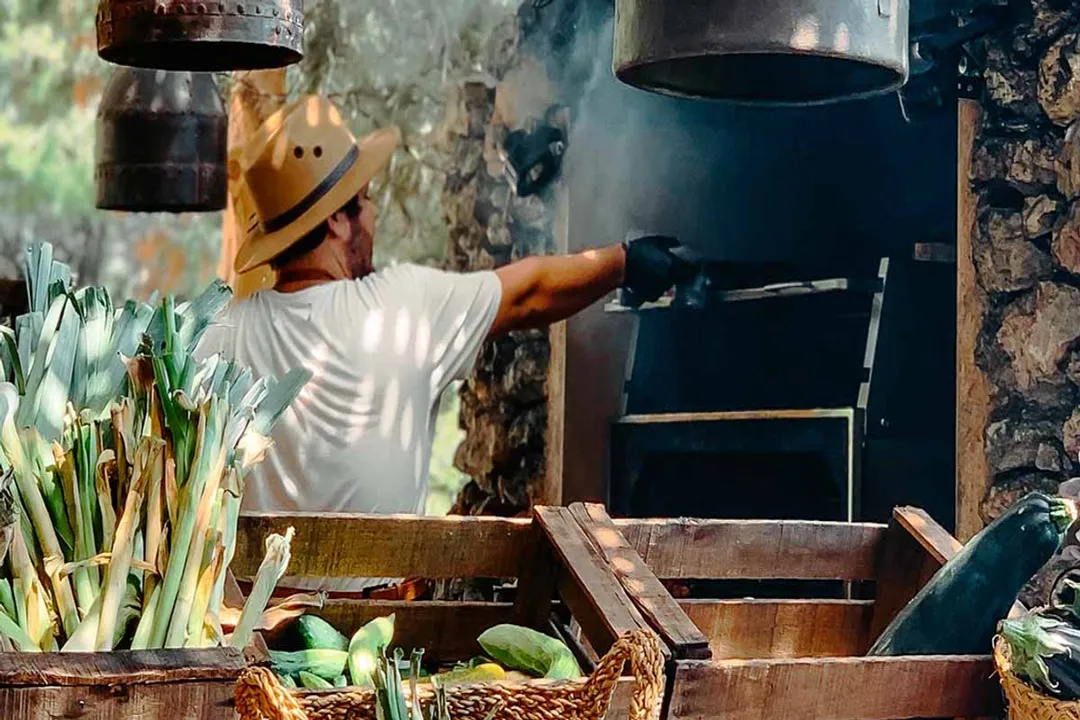
If one had to point to the critical mass that transformed the practice into a recognizable movement, attention turns sharply to Berkeley, California, and the pioneering work of Alice Waters. [9] Waters and her restaurant, Chez Panisse, are frequently credited with establishing the template for modern farm-to-table dining. [7][9] Beginning in the late 1960s and early 1970s, Waters prioritized partnerships with specific local growers, basing her entire menu philosophy around what was being harvested that day or that week. [7] This wasn't just about convenience; it was a deliberate commitment to seasonal integrity and transparency regarding where food came from. [9]
The success of this approach demonstrated to other restaurateurs and diners that local sourcing could yield superior quality and tell a more compelling story than relying on national distributors. [9] While Waters defined the practice, the term itself took a little longer to catch on. The actual phrase "farm-to-table" began to gain widespread recognition and popularity during the 1980s and 1990s. [1] This delay suggests that the practice preceded the widely adopted label by at least a decade, making Waters and her contemporaries the originators of the system, not necessarily the nomenclature. [1]
# System Logic
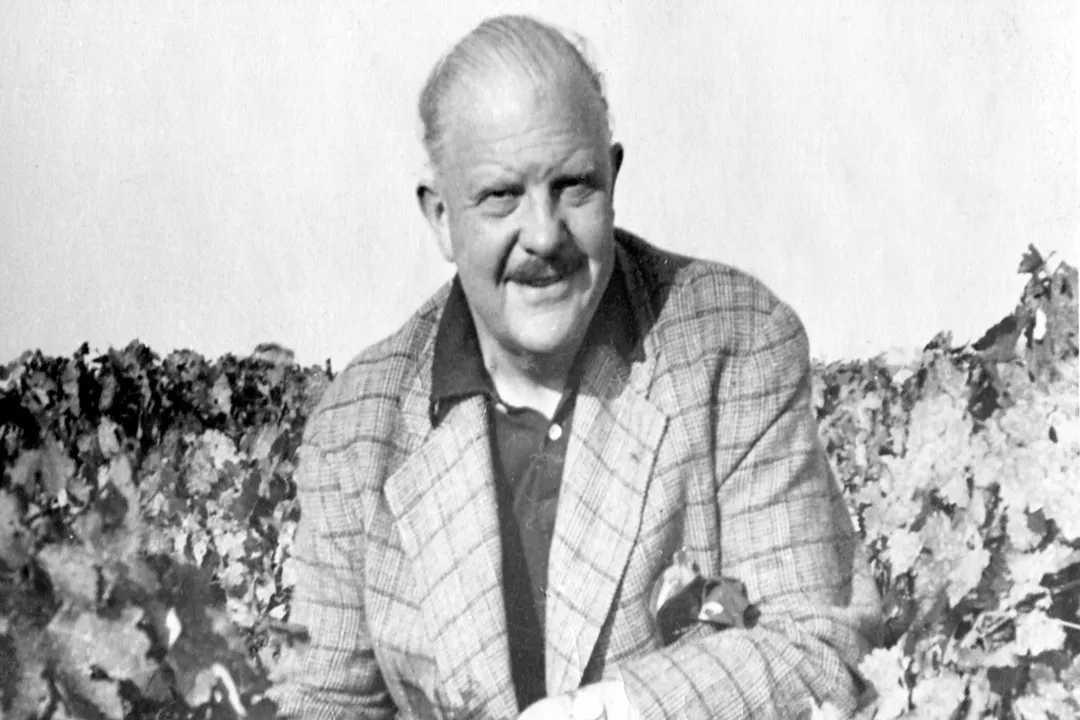
The farm-to-table concept, at its heart, is defined as a social and philosophical movement dedicated to minimizing the distance and complexity between the producer and the consumer. [4] It fundamentally challenges the conventional industrial food distribution model, which often prioritizes shelf life and volume over flavor and immediacy. [6] The benefits championed by its early adopters include fresher food, stronger support for local agricultural economies, and greater accountability for ingredient origin. [4][7]
When people discuss "platforms" in this context today, they are often referring to the digital tools that have arisen to support this established philosophy, rather than the invention of the philosophy itself. [3] The earliest form of the platform was a direct phone call or a handwritten order slip delivered to the farm gate. [7] The challenge for chefs practicing this ethos was scaling operations. Sourcing small, variable quantities from many different small farms requires intensive logistical management—a task that traditional ordering software was not designed for. [3]
The true invention here wasn't a single application, but the logistical bridge that technology later built. A farmer selling fifty pounds of heirloom tomatoes needs a different transaction system than a distributor moving ten tons of commodity produce; the digital platforms emerging in the movement's later stages solved the micro-transaction scaling problem inherent in hyper-local sourcing. [3]
# Evolution and Application
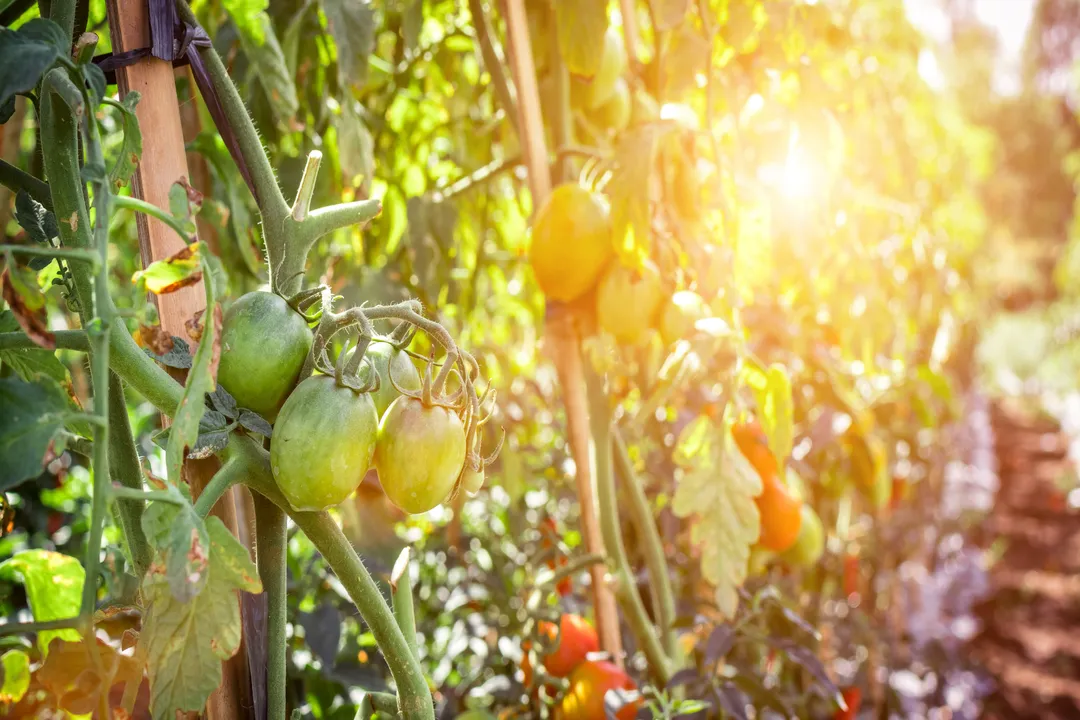
As the concept moved from a niche culinary statement to a mainstream expectation, its definition naturally broadened. [8] Today, "farm-to-table" can sometimes be used loosely, extending sourcing across entire regions rather than sticking strictly to immediate local proximity. [6] This evolution is natural, as it allows more businesses to participate, but it also raises questions about maintaining the original commitment to community-level support that pioneers like Waters championed. [6]
For any restaurant or buyer looking to genuinely participate in the spirit of the movement, the commitment goes beyond simply listing a farm on the menu. It involves menu engineering that requires high agility. This means having a fluid ordering system where the main ingredient might change based on a farmer's morning harvest report, a level of operational agility that required immense manual dedication before modern software made it slightly more manageable. [3] Adopting this mindset means accepting variability as a feature, not a bug, of a truly direct food system. [4]
Ultimately, while the concept of direct sourcing is ancient, the modern movement that celebrated it was crystallized by culinary leaders like James Beard and Alice Waters in the mid-to-late 20th century, with the formal label entering common use decades later. [1][2][7] The subsequent "platforms," whether digital or logistical, were created to solve the scaling challenges of that initial, powerful philosophy. [3]
Related Questions
#Citations
The History of the Farm to Table Movement - Lightspeed
How James Beard pioneered the farm-to-table movement - PBS
Farm-to-table: tips and tech to make it feasible - Libeo
Farm-to-table - Wikipedia
The History of the Farm to Table Movement - Advanced Biotech
What Does Farm-to-Table Mean Anymore? - Vanity Fair
Local Foods Then and Now | Launching Farm-to-Table
Locavore-Friendly Restaurants: The Evolution of the Farm-to-Table ...
The Origins of Farm-to-Table Dining - Grico's Restaurant