Who invented the speedometer and odometer?
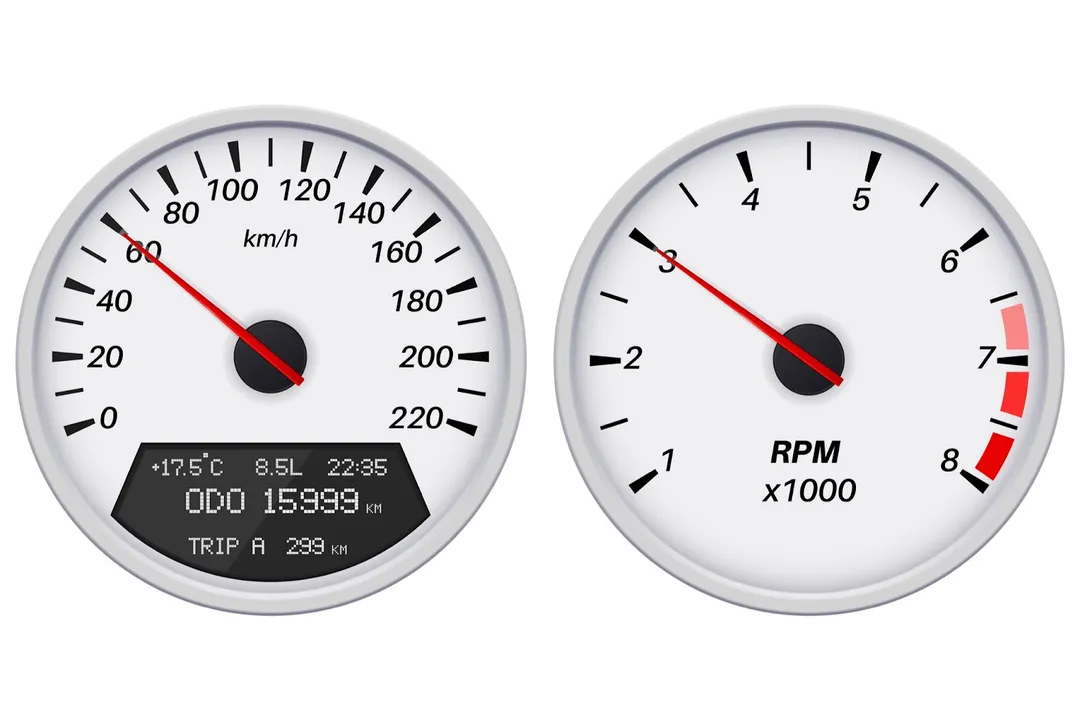
The journey of measuring how fast we travel and how far we’ve gone is deeply intertwined with the history of movement itself, stretching back long before the rumble of the first automobile. While today we take the simple dials on our dashboards for granted, their invention involved centuries of curiosity, engineering trials, and the eventual commercial need for accurate transit recording. The concept of measuring distance predates the measurement of instantaneous speed by a significant margin, reflecting an initial priority on navigation and commerce over regulation or sport.
# Ancient Measures
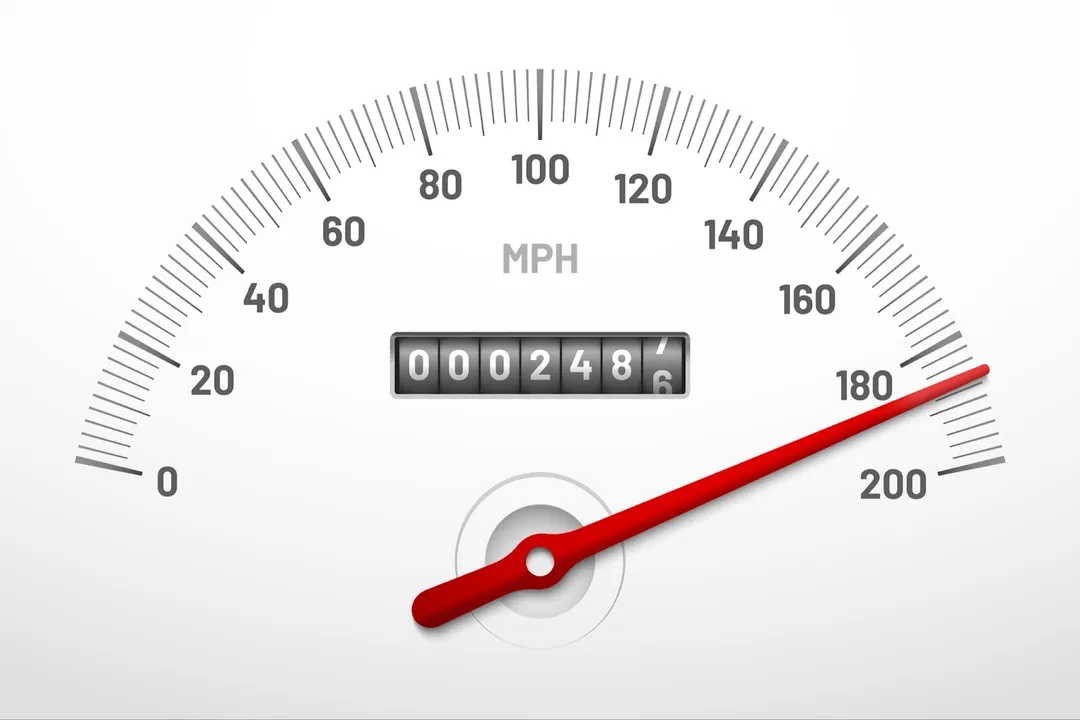
The very idea of calculating the distance covered during a journey is rooted in antiquity. The name itself offers a clue: odometer derives from the Greek words hodos, meaning "path" or "way," and metron, meaning "measure". This ancient need for tracking travel distances was critical for everything from military logistics to trade routes.
One of the earliest recorded concepts for such a device is attributed to the famed Greek mathematician and inventor, Archimedes, though historical accounts regarding his exact device are somewhat debated. Another key figure from the ancient world, Hero of Alexandria, is credited with designing an early mechanical odometer around the first century AD. Hero’s mechanism was ingenious for its time; it reportedly dropped pebbles into a container with every revolution of a wheel, allowing a traveler to count the total number of revolutions—and thus, the distance covered—after the trip was complete. This established the fundamental principle: connecting a rotating wheel to a counting mechanism.
For centuries, this remained the primary method, or variations thereof. In the 1600s, various European inventors tinkered with ways to create more sophisticated distance recorders, often involving geared mechanisms connected to a carriage wheel. However, these were often custom-made novelties rather than mass-produced instruments.
# Speed Concept
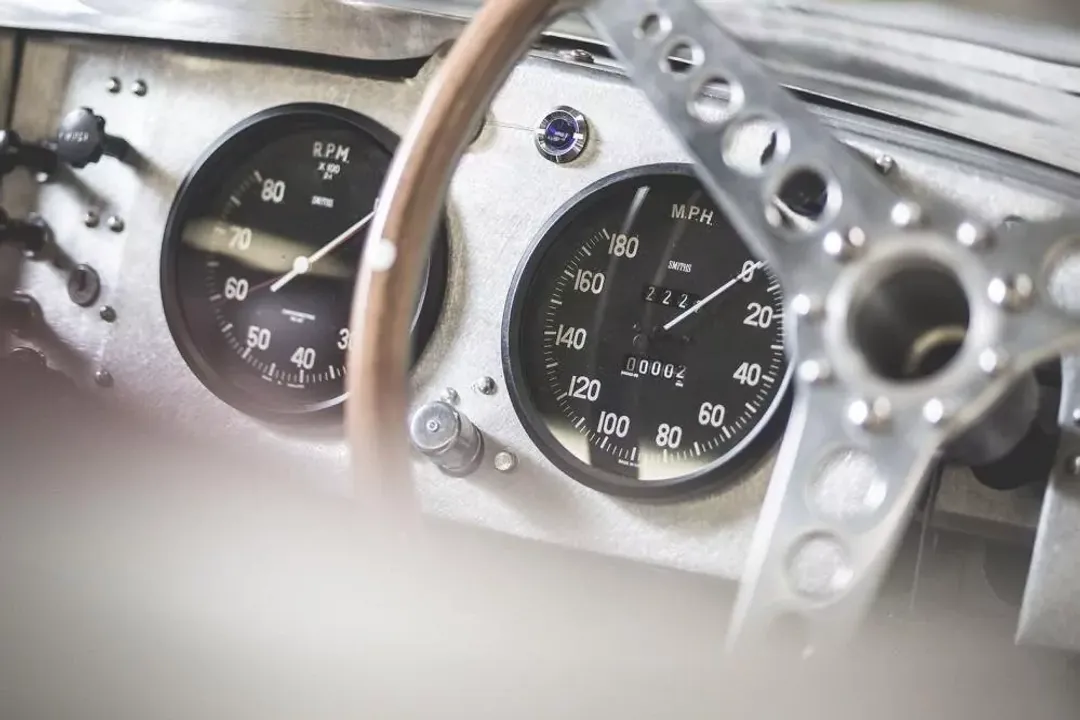
If measuring distance was about the result of travel, measuring speed was about the rate of that travel—a concept that gained traction much later, particularly as transportation accelerated beyond the pace of a walking horse.
The speedometer, the instrument designed to indicate velocity, has roots stretching back into the late 17th century. The earliest known design for a speedometer is credited to Stephen Holland in 1698. Holland's approach was certainly inventive, utilizing a water-based mechanism. This early device worked by measuring the rate at which a vessel displaced water as the vehicle moved. While a fascinating demonstration of physical principles, the water-based speedometer was hardly practical for continuous use in a moving vehicle, which would face constant jolts, changes in motion, and environmental issues. It remained largely an academic curiosity rather than a functional instrument.
The true genesis of the automotive speedometer occurred much later, coinciding with the burgeoning motor car industry of the late 19th and early 20th centuries. The complexity of high-speed machinery demanded a way to regulate and monitor performance, making a reliable speed indicator a necessity.
# Automotive Adoption
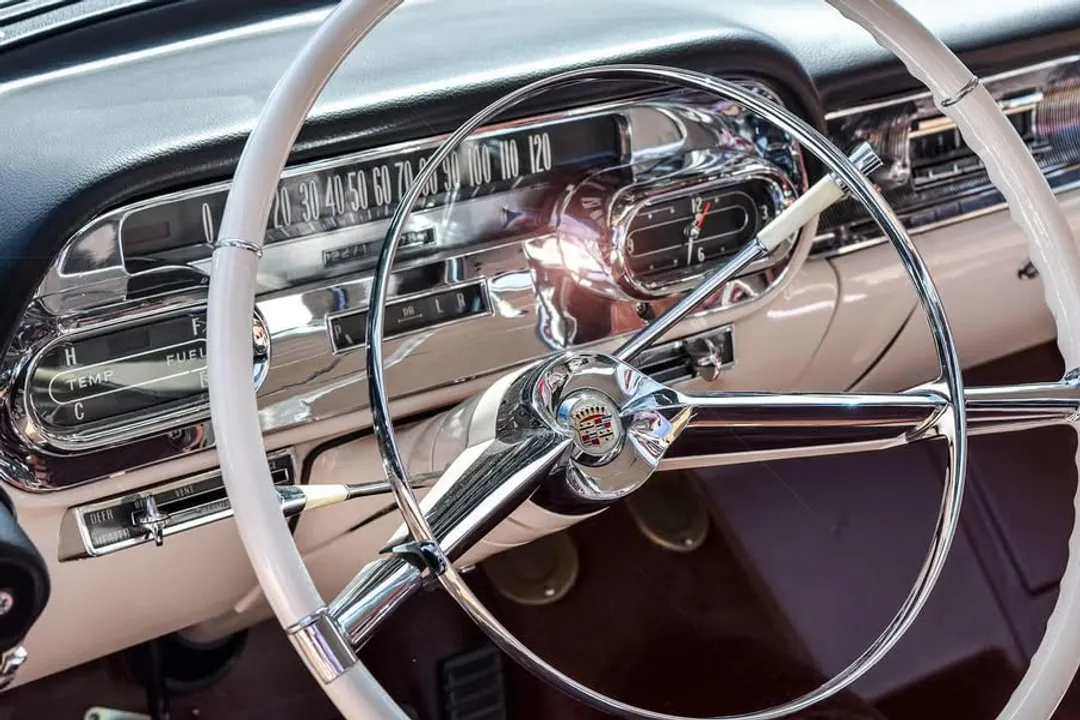
When the automobile began to appear on roads, the first instruments installed were often simply an odometer, which measured the total distance traveled, derived from the rotation of the wheels. Speed indication was initially secondary or non-existent, sometimes relying on the driver’s experience or simple stopwatches used in early races.
The breakthrough for the practical automotive instrument arrived in 1901. This is the year Richard Hollinghead of New York secured a patent for the first device specifically designed as an automotive speedometer. Hollinghead’s patent laid the groundwork for the instruments that would soon become standard fixtures.
However, getting an instrument adopted is different from inventing it. Even after Hollinghead’s patent, speedometers were not immediately standard equipment on cars. For instance, early automobiles might have an odometer but not a speedometer. This changed as road infrastructure improved, speed limits began to be enforced, and the vehicles themselves became capable of much higher velocities. By the 1910s, the inclusion of a speedometer was becoming common, often installed on the dashboard.
The functional mechanism that powered these early mass-produced speedometers was typically the flexible shaft connected to the transmission or wheel hub. This shaft spun a magnet inside the speedometer casing, creating eddy currents that moved a pointer against a spring tension calibrated to translate rotational speed into miles per hour (or kilometers per hour). This mechanical ingenuity represents the maturation of the concept from Holland's water displacement to a device suitable for the vibration and movement of a car.
# Separating the Roles
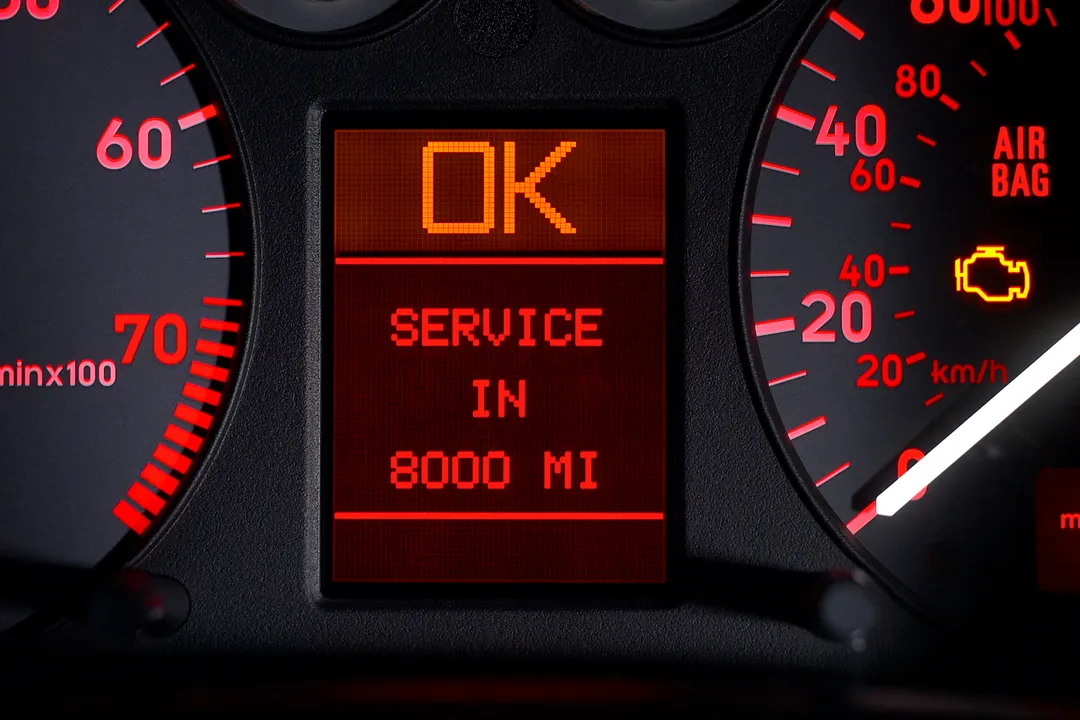
It is worth noting that while often housed in the same casing today—the combined instrument cluster—the two functions serve fundamentally different, though complementary, purposes. The odometer tracks total usage—a vital metric for maintenance scheduling, resale value, and tracking long-term asset depreciation. The speedometer deals with instantaneous performance and regulatory compliance.
Looking at the development timeline, the odometer’s history is clearly one of necessity for accounting—how far have we gone? The speedometer’s history is one of regulation and performance—how fast are we going now? This separation highlights an interesting evolution in personal transportation philosophy. Early travelers needed to know when they reached the next town; modern drivers needed to know if they were breaking the law while trying to reach that town.
Consider the concept of wear and tear. If an early motorist only had an odometer, they knew they had driven 1,000 miles, suggesting an oil change based on distance traveled. But if that 1,000 miles was accumulated mostly at a gentle 20 mph, the engine wear might be far less than 1,000 miles driven at a sustained 60 mph. This gap highlights why the later adoption of the speedometer was crucial for informed mechanical maintenance, not just for avoiding tickets. The modern driver benefits from the combined history, tracking distance traveled (odometer) against the average speed maintained during that travel (a calculation derived from both instruments).

# Modern Echoes
Today, the mechanical systems patented over a century ago have largely been supplanted by electronic and digital readouts, often integrated with GPS technology. The flexible shaft is replaced by wheel speed sensors that feed data to an Engine Control Unit (ECU).
Yet, the core function remains identical to the principles laid down by Hero, Holland, and Hollinghead. When you check your trip meter—a refined, resettable version of the original odometer—to gauge remaining fuel range, you are using a direct descendant of the pebble-dropping mechanism. When your digital display flashes your current speed, you are benefiting from the regulatory and performance needs identified at the dawn of the automotive age. The continued existence of "National Odometer Day" (observed on December 31st in some circles) serves as a reminder that measuring distance remains a specific point of interest in the motoring world.
The transition from mechanical linkage to digital sensors is not just a shift in technology; it represents a fundamental change in how measurement is perceived. The analog dial offered a direct, physical representation of work being done by the wheels—you could feel the connection. Modern digital displays offer processed information, derived from electrical pulses. This shift allows for far greater accuracy and integration with other vehicle systems, but sometimes sacrifices the immediate, tangible feedback that early drivers relied upon. For enthusiasts preserving classic vehicles, maintaining that original mechanical linkage often becomes a point of pride, connecting them directly to the engineering challenges faced by those first inventors.
#Videos
Frank Jansa and the history of the speedometer and odometer by ...
Related Questions
#Citations
Speedometer - Wikipedia
Speedometer | History, Definition, & Facts - Britannica
The speedometer was first patented by German engineer Otto ...
The History of the Odometer - ThoughtCo
The History of the Odometer - The Inventors
Celebrating National Odometer Day | Uncategorized - Classic Toyota
Keep an Eye on the Speedometer - DavidJeremiah.org
Speedometer Facts for Kids
Frank Jansa and the history of the speedometer and odometer by ...
The History of the Speedometer | Manufacturers of Smiths Instruments