Who invented the first telephone line?
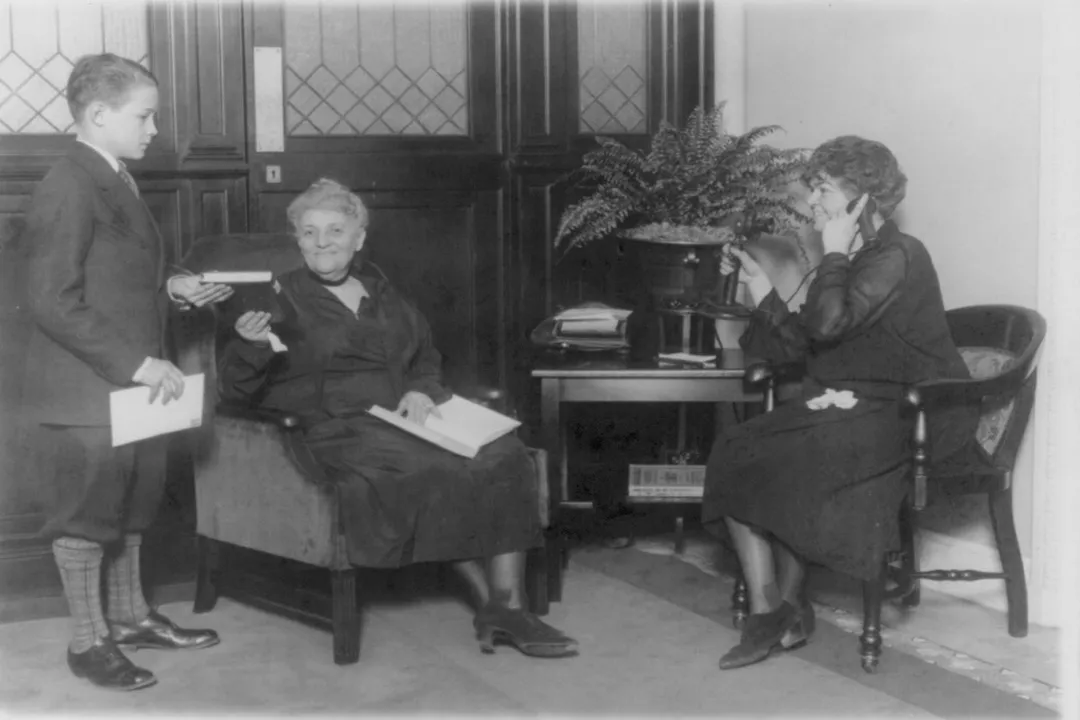
The story of the first operational telephone line is deeply intertwined with the race for the underlying patent, centering predominantly on Alexander Graham Bell. While the exact chronology of the "invention" is fraught with competing claims, the successful transmission of intelligible speech over a wire—the very definition of a functional telephone line—is tied to Bell’s experiment in March 1876. His work built upon years of experimentation aimed at improving telegraphy, specifically the harmonic telegraph, which sought to send multiple messages over a single wire.
# Patent Race
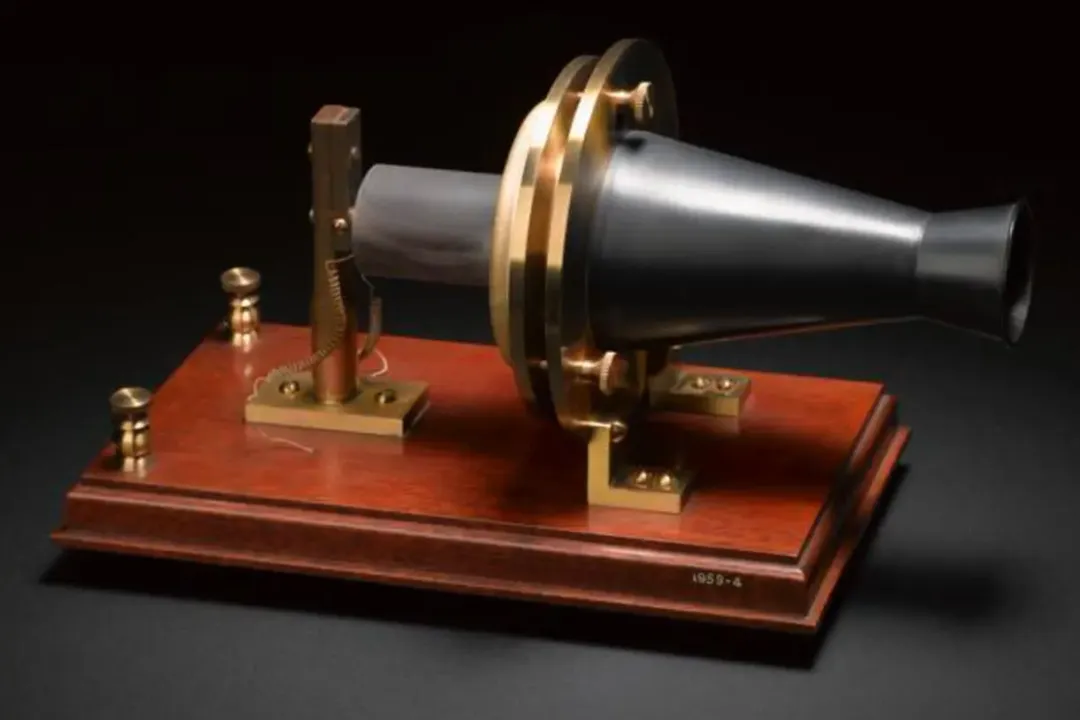
The formal protection for Bell’s concept materialized incredibly quickly. On February 14, 1876, Bell’s lawyer filed a patent application in Washington, D.C.. Coincidentally, on the very same day, inventor Elisha Gray filed a caveat, which essentially stated his intention to file a patent for a similar device, though the exact contents and timing relative to Bell’s filing remain subjects of historical debate. Bell was granted Patent No. 174,465 just a few weeks later, on March 7, 1876, securing his place as the patent holder for the telephone.
It is important to acknowledge the parallel efforts of others, such as Antonio Meucci, whose earlier work had significant recognition decades later when the U.S. House of Representatives acknowledged his contributions in 2002. However, in the immediate context of establishing the first working line, Bell's team achieved the critical breakthrough first.
# First Words
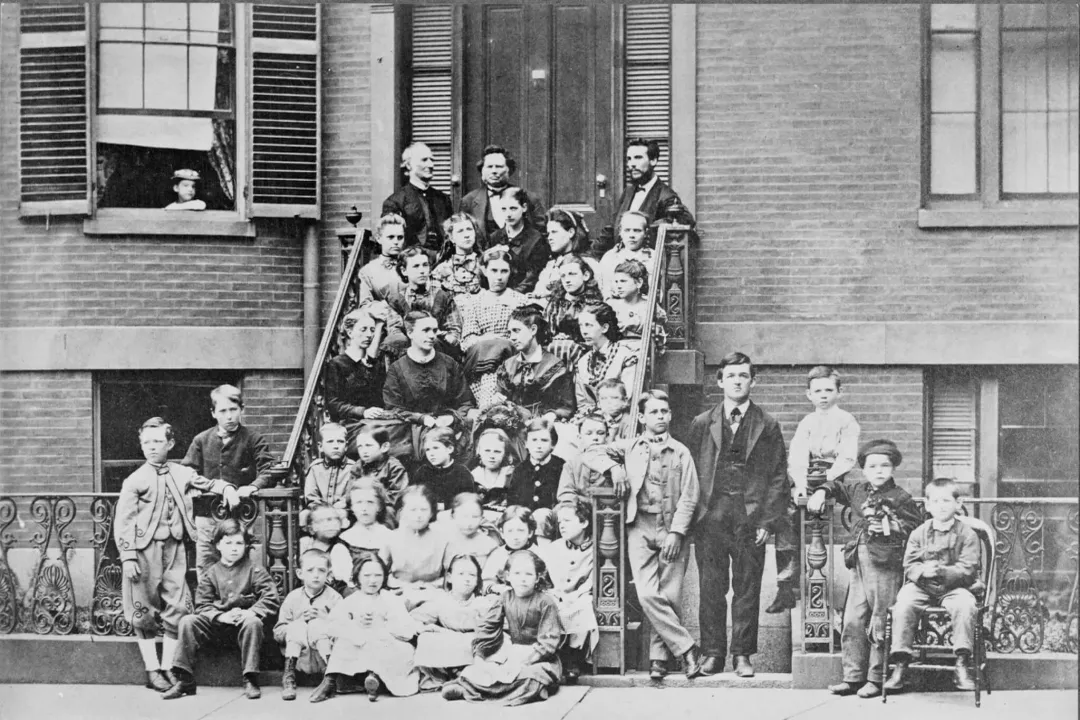
The actual moment that created the first telephone line in operation occurred shortly after the patent was secured. On March 10, 1876, Bell successfully transmitted clear speech to his assistant, Thomas Watson, in an adjacent room. The famous transmission was, "Mr. Watson, come here, I want to see you". This event was the successful activation of a two-point electrical circuit designed to carry vocal sound waves—the first functional telephone line connection.
Bell’s demonstration of the telephone at the Centennial Exhibition in Philadelphia in June 1876 generated significant public and scientific interest, transforming the perception of the device from a laboratory curiosity into a potentially world-changing technology. While this was the first demonstrated connection, it was still an experiment between two receivers and transmitters, not yet a public service line.

# Early Lines
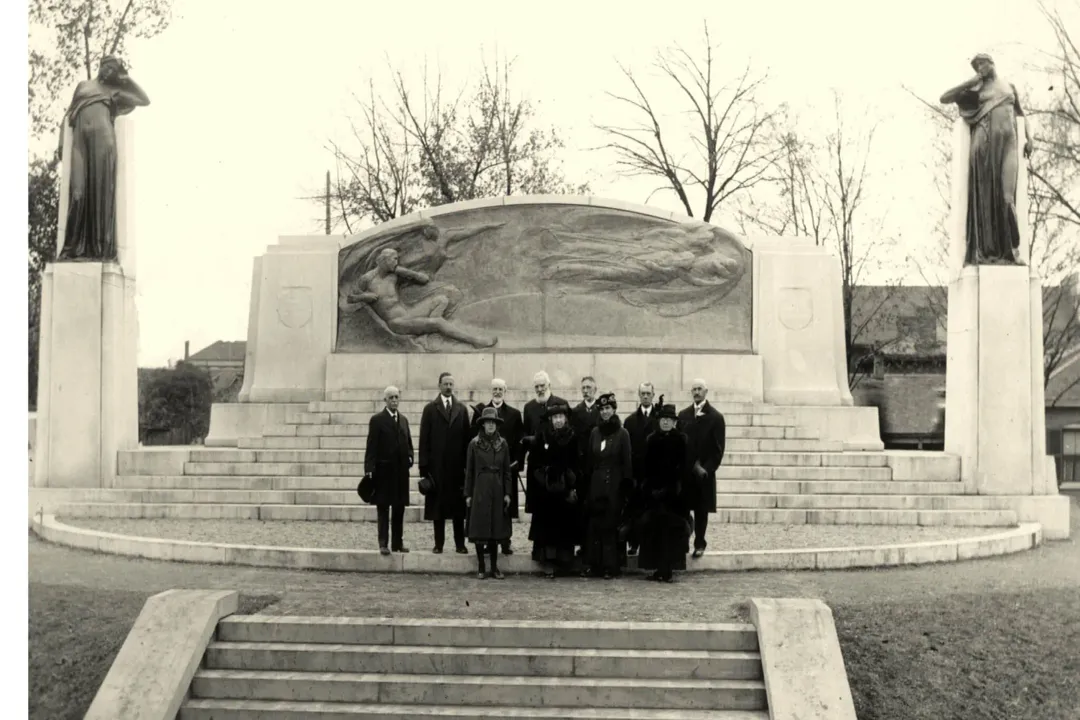
Moving from the experimental setup to a reliable, functioning line that the public could use required immediate infrastructure development. The concept of a simple two-wire connection between two rooms was useful for proof of concept, but the real challenge lay in creating dedicated, permanent connections across distances.
The critical step toward commercializing the "line" began shortly thereafter. The first official telephone exchange, which allowed multiple parties to connect dynamically rather than just point-to-point, was established in New Haven, Connecticut, in January 1878. This exchange meant that the network, not just the individual wire, was coming into existence.
However, if we are pinpointing the first commercial telephone line connecting two established points for regular business use, that distinction often goes to the connection established in 1878 between Boston and Somerville, Massachusetts. This installation marked the point where the telephone ceased being solely an invention of physics and began its life as a piece of essential communication infrastructure.
It is interesting to compare the creation of the first successful spoken connection in March 1876 with the first commercial exchange in 1878. Bell and his associates achieved the scientific miracle in a matter of weeks following the patent award, yet it took nearly two years for the infrastructure to mature enough to support a public switching system. This gap highlights a subtle but important historical truth: inventing the device is one monumental feat, but building the dedicated, reliable line—and the system to route it—is an entirely different engineering and logistical undertaking.
# Copper Foundation
The early infrastructure was fundamentally reliant on copper wire. The transmission of sound required a conductive medium, and copper was the material of choice for telegraphy, making it the immediate selection for early telephony. This reliance on physical metal lines dictated the early speed and geography of telephone expansion. If you wanted a line, you needed to string copper. This dependency is a key element often overlooked when looking at the digital connectivity of today; the 19th-century inventor wasn't just designing electronics; they were designing an immediate, large-scale physical civil engineering project.
Early installations were often temporary, utilizing whatever wires were available, sometimes even sharing poles with existing telegraph lines. The development of dedicated telephone infrastructure, which required laying entirely new lines or, in some cases, building taller poles to keep the new lines separate from the established telegraph wires, was a massive capital investment that took years to complete. The very first lines were essentially prototypes scaled up for immediate practical use, connecting homes or businesses with the nearest operator or central switch.
# Public Demonstration
Bell’s demonstration at the 1876 Centennial Exhibition served as the launchpad for public adoption, but it was the subsequent deployment of lines that validated the invention economically. The demonstration itself relied on a temporary setup that captivated the audience, including the Emperor of Brazil, Dom Pedro II, who recognized the device immediately. This high-profile success spurred investment, which, in turn, funded the deployment of the first permanent, dedicated lines needed for sustained service.
In the grand scheme of technological evolution, the telephone line represents a moment where communication became synchronous and personal over distance for the first time, moving away from the delayed, coded nature of the telegram. The initial line, however brief its existence on March 10, 1876, was the proof that the human voice could traverse distance via electrical impulse, setting the stage for the rapid construction of what would eventually become a global network. The path from that first whispered sentence to the complex switchboard systems that replaced manual connections marked the true birth of the connected world.
Related Questions
#Citations
Alexander Graham Bell - Wikipedia
1870s – 1940s: Telephone | Imagining the Internet - Elon University
The Story Behind the World's First Telephone
Innovations: The Evolution of Telephone Cable - Copper.org
Ahoy! Alexander Graham Bell and the first telephone call
Alexander Graham Bell demonstrated his new invention, the ...
Capitol Hill's Telephonic Revolution | US House of Representatives
Who Invented That? The Telephone - Association of Old Crows