Who invented the first air purifier?
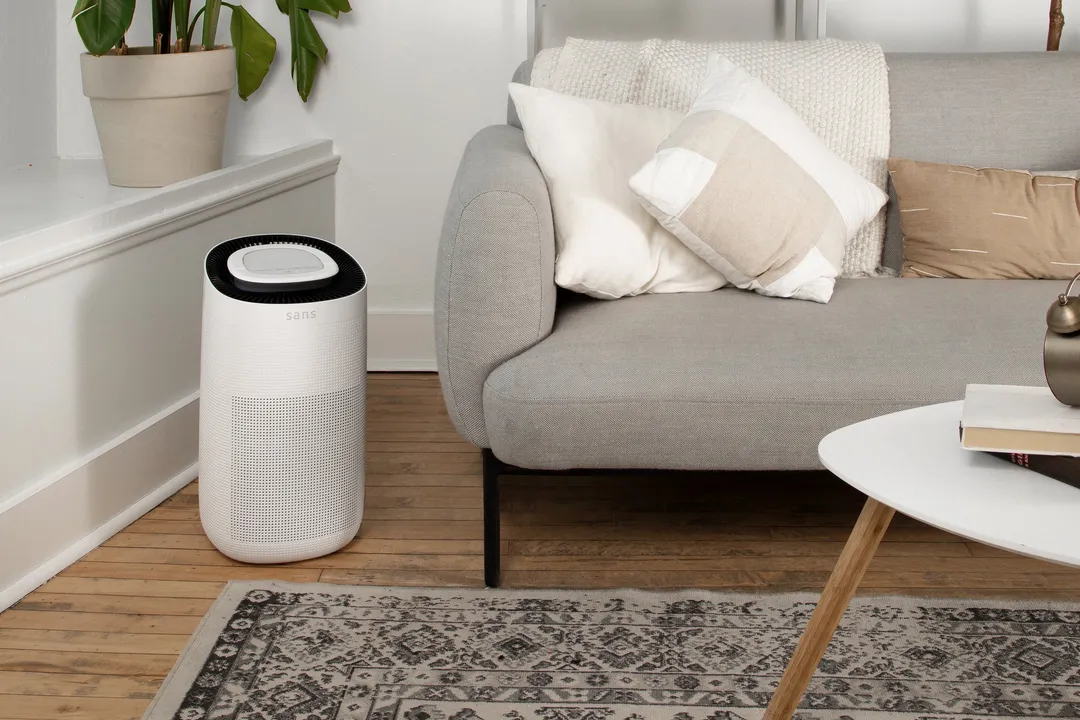
The story of who exactly invented the first air purifier is less about a single eureka moment and more about an evolving series of technological responses to increasing air quality concerns, spanning from localized smoke control to national defense. While many people associate modern air purification with sophisticated filters like HEPA, the desire to clean the air we breathe has much older roots in the industrial age. [4]
# Early Concepts
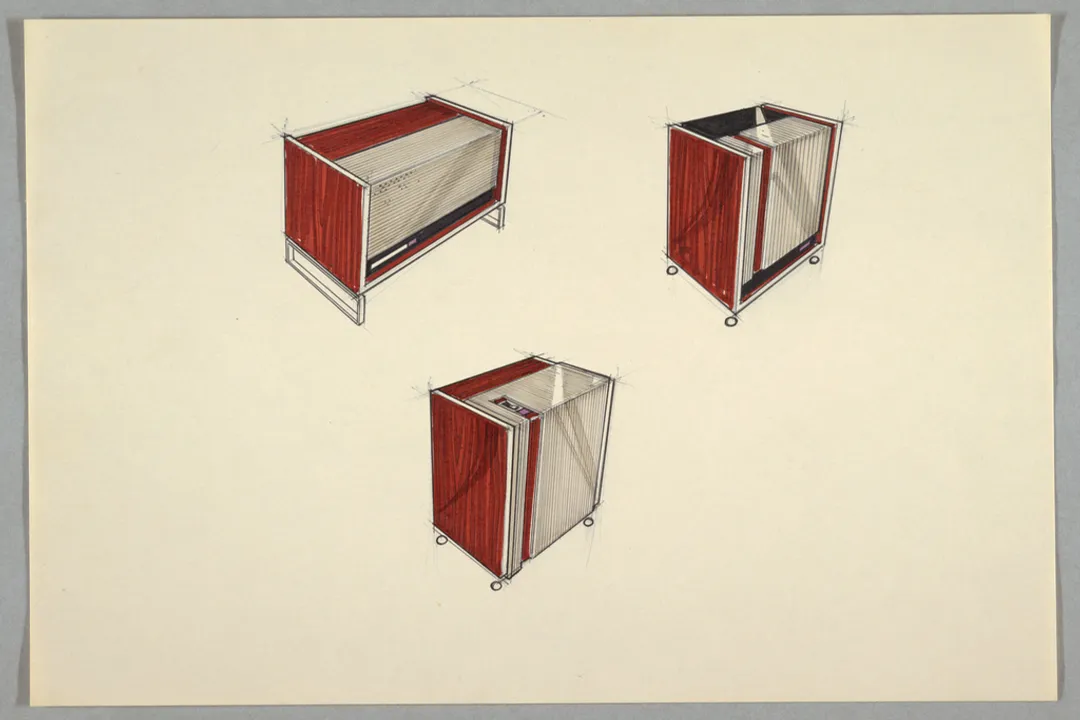
The earliest recorded attempt at a dedicated air-filtering device dates back to 1880, credited to John Wesley Hyatt. [8] Hyatt’s invention was specifically engineered as an air filter intended to reduce smoke. [8] This device represented an initial recognition that airborne particulates—primarily smoke from burning coal and wood that characterized 19th-century cities—were a tangible problem requiring mechanical intervention. [4] This early filtration was primitive compared to what followed, focusing on capturing larger, visible matter rather than microscopic threats. [8]
While Hyatt established the concept of dedicated mechanical air cleaning, the motivation for widespread, high-efficiency air cleaning was dramatically accelerated by events in the mid-20th century. [1][2]
# Postwar Technology
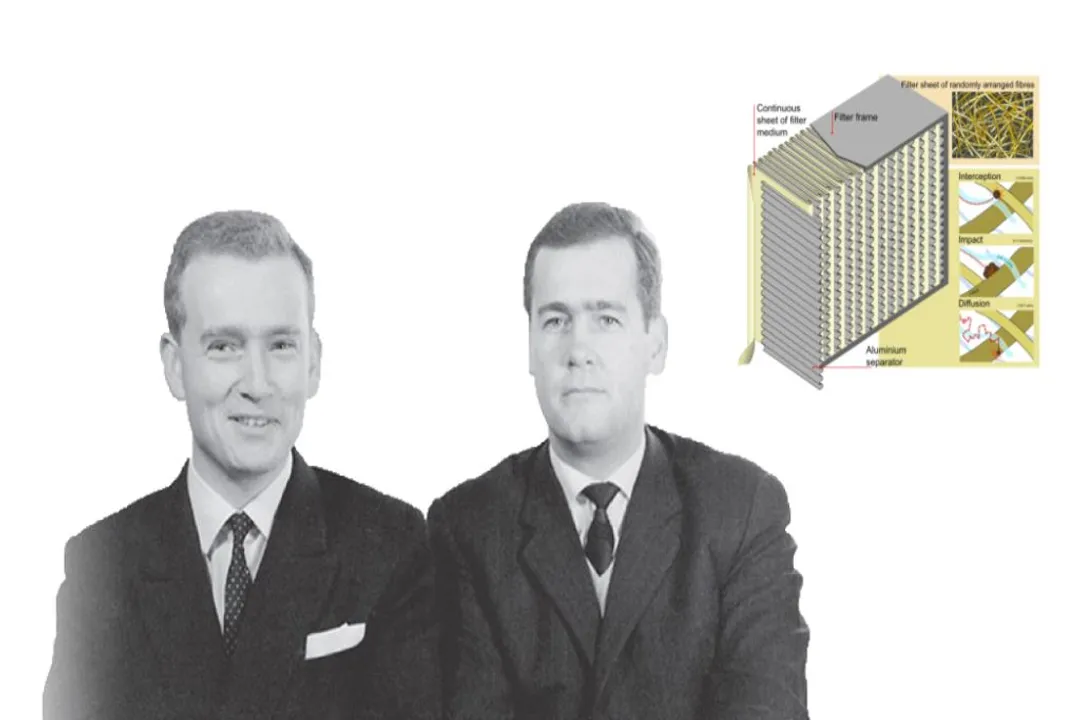
The true leap toward modern air purification technology occurred not in the consumer market, but in high-stakes environments driven by national security needs. [2][6] After World War II, the U.S. Atomic Energy Commission (AEC) was tasked with managing the risks associated with radioactive materials. [2][8] This required an exceptionally effective method for trapping incredibly fine, dangerous particles. [1]
The result of this necessity was the High-Efficiency Particulate Air (HEPA) filter. [2] The foundational HEPA filter technology emerged from this military/scientific research in the 1940s and 1950s. [2][8] These filters were designed to capture at least 99.97% of particles that are $0.3$ micrometers in diameter. [1] This technological benchmark set a new, immensely high standard for what an "air purifier" could accomplish, moving far beyond the smoke reduction goals of Hyatt's 1880 device. [8]
Before HEPA, other forms of mechanical air filters had been developed in the early 1900s, often used in early heating, ventilation, and air conditioning (HVAC) systems to protect equipment or improve general air circulation, but they lacked the extreme efficiency required for hazardous material containment. [8][5]
# Home Adoption
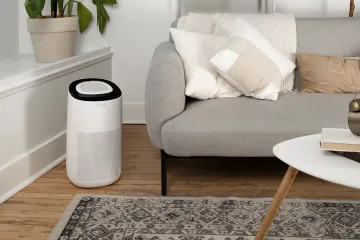
The transition of this potent, government-developed technology into the everyday household took time. The widespread market for domestic air purifiers really began to take shape in the 1950s and 1960s. [5] As general awareness of environmental factors and indoor air quality began to grow in suburban homes, consumer demand increased. [4][5]
It was during this period that companies started adapting the proven filtration principles for residential use. [5] While specific inventors of the first consumer unit are not clearly documented, established manufacturers like Honeywell and 3M were instrumental in bringing these concepts—likely utilizing HEPA-like or close-efficiency media—to the general public. [5] The initial motivation for home use often centered on allergies and general cleanliness, representing a significant divergence from the nuclear safety focus of the technology’s origin. [6][5]
The difference in design philosophy between these eras is telling. While the AEC needed filters that worked regardless of cost or energy use, as long as they contained radiation, consumer products had to balance high filtration rates with market demands for portability, noise levels, and affordability. [6]
A critical hurdle in bringing military-grade HEPA filtration into everyday homes wasn't just cost, but engineering—designing motors powerful enough to push air through the extremely fine, dense filter media without creating excessive noise or consuming too much energy. This challenge of balancing high performance with acceptable consumer usability likely shaped the design evolution throughout the latter half of the 20th century. [5]
# Comparing Motivations
Examining the timeline reveals that the very definition of "air purification" shifted depending on who was building the machine and why. John Wesley Hyatt's goal was localized smoke abatement, perhaps aiming at the smog common in urban centers or even the smoke from indoor tobacco use. [8] This implied removing large, visible particles. The air purification that followed, driven by the AEC, was fundamentally about invisible threats—radioactive particulates so small they could pass through virtually any standard filter of the time. [2]
This change in threat scale is an important analytical point. The need to capture particles measured in nanometers versus microns required a complete technical redefinition of what "clean air" meant. It shifted the focus from simple particulate capture (catching soot) to managing sub-micron contaminants that could deeply penetrate the respiratory system. [1][8] This early, high-stakes work established the scientific credibility that modern air purifier manufacturers rely on today. [6]
# Modern Relevance
The heritage created by these distinct stages—the initial concept, the high-efficiency scientific breakthrough, and the subsequent commercialization—continues to define the market. [1][5] Understanding this lineage helps explain why today’s advanced purifiers often feature activated carbon (for odors) alongside the HEPA component (for particles), a combination that addresses both the aesthetic concerns of the 19th century and the microscopic health concerns of the 20th century. [7]
The inventor of the first air purifier, if we define it as the earliest mechanical smoke-reducing device, is John Wesley Hyatt in 1880. [8] However, the inventor of the first high-efficiency air cleaning technology, which laid the groundwork for all modern powerful units, was the collective scientific effort spearheaded by the U.S. Atomic Energy Commission after World War II. [1][2] The modern air purifier is truly a composite of these disparate historical efforts, proving that necessity, whether from industrial pollution or nuclear physics, remains the primary driver of clean air innovation. [4]
Related Questions
#Citations
Air purifier - Wikipedia
History of Air Purifier and HEPA Technology Standard - Air Health
Breathe Easy: Air Purifiers' Remarkable Journey - Nordic Pure
All about Air Purification - Need, Origin & Trend Analysis
Let's Clear the Air: The Rise of the Domestic Air Purifier
The Story behind IQAir
All about air purifiers: Structure, operation, and effects - Meliwa
Who Invented the Air Purifier? - Sans
Today, almost every home has an air purifier — but have you ever ...