Who invented the first fuse?
The concept of controlled failure as a form of protection predates the electrical age by centuries, stemming from the need to manage combustion safely. Long before copper wires carried current, fuses existed in the form of slow-burning materials used in pyrotechnics and explosives to ensure a safe delay between ignition and detonation. This fundamental idea—that a weak link can be intentionally designed to fail first, preserving the main system—is the core principle that would later be applied to safeguarding electrical networks.
# Early Safety Links
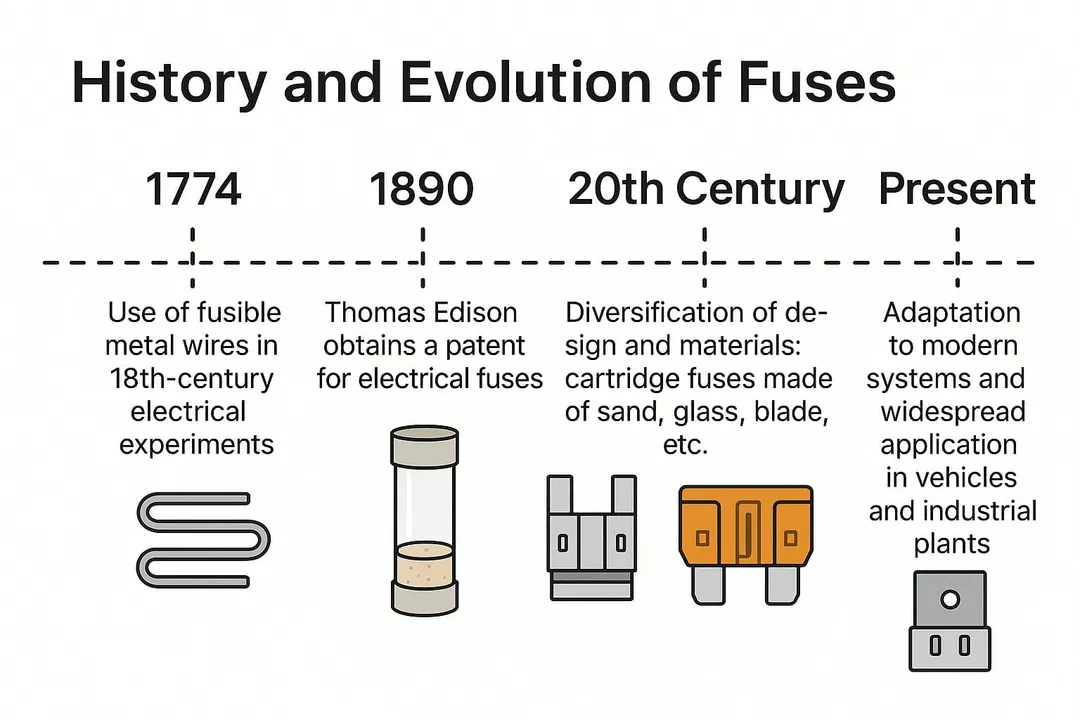
The requirement for an intentional failure point became critical with the advent of electric lighting and power systems in the late 19th century. When Thomas Edison began bringing electricity to homes and businesses, simple circuits were susceptible to dangerous overcurrents caused by accidental shorts or overloading the system with too many lamps or appliances. Without some form of protection, these overcurrents could cause wires to overheat, melt their insulation, and ignite surrounding materials, leading to devastating fires.
The earliest electrical protective devices were often simple pieces of metal wire or strips intentionally sized to melt before the circuit wiring did. While these were effective in theory, they suffered from inconsistency. The exact melting point could vary based on impurities in the metal, the ambient temperature, and how the wire was installed, making them unreliable and sometimes useless when needed most.
# Electrical Pioneers
Significant milestones in achieving reliable electrical protection are attributed to various individuals navigating the rapid expansion of power infrastructure. One important figure in the early days of electric power distribution was Thomas E. Murray, whose pioneering work helped shape the nascent electrical grid. His contributions were instrumental in moving the industry from simple, unreliable methods toward standardized safety protocols necessary for centralized power generation and distribution.
However, the transition from low-voltage DC systems to higher-voltage AC power transmission introduced a much more severe problem: the electric arc. When a low-voltage fuse melts, the current stops relatively easily. When a high-voltage circuit opens, the intense electrical energy can sustain an arc across the gap created by the melting link, continuing to pass dangerous levels of current even after the fuse is "blown".

# High Voltage Benchmark
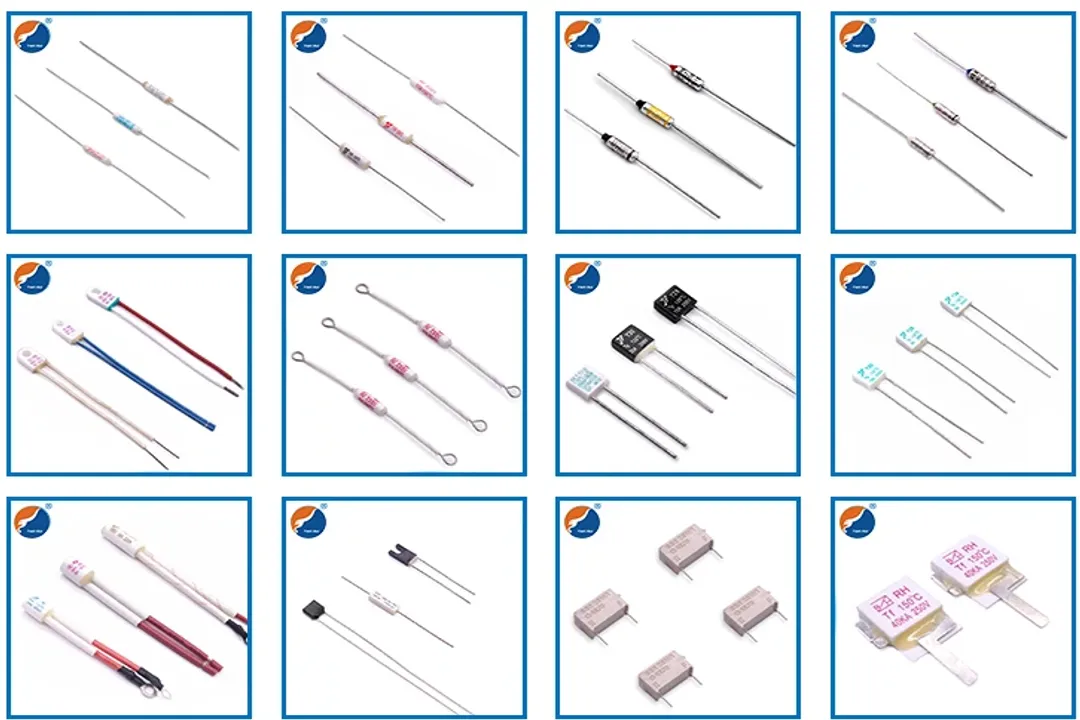
Solving the high-voltage arcing problem was a massive engineering hurdle. It required not just a sacrificial link but a housing capable of containing the intense heat and rapidly extinguishing the resulting arc. A genuine breakthrough arrived in 1909 with the development of the World's First Reliable High Voltage Power Fuse. This device was engineered to absorb the immense energy of the arc, ensuring that when the internal link vaporized, the circuit was truly interrupted. This invention marked a clear dividing line between rudimentary overcurrent protection and the specialized, application-specific devices needed for robust industrial and utility power grids.
A fuse, whether in a simple appliance or a large industrial panel, fundamentally operates by having a metal element designed to melt—or "blow"—when current exceeds its rating, thereby opening the circuit and stopping the flow. This action is distinct from a circuit breaker, which uses electromagnetic or thermal mechanisms to open the circuit and, crucially, can often be reset and reused after tripping. The fuse's defining characteristic is its one-time, sacrificial nature, which provides a clear visual indication of a fault and requires replacement after an event.
# Diversified Protection
As electrical systems became more specialized, so did the fuses designed to protect them. The general function remained the same—limit current—but the physical form and material composition adapted drastically for different environments.
# Automotive Needs
The modern automobile, with its numerous independent circuits powering everything from lights to engine control units, required a compact, easy-to-replace, and standardized method of protection. This led to the development of the blade fuse. Automotive fuses, often color-coded to indicate their amperage rating, are designed to be quickly swapped out by vehicle owners or mechanics when a short circuit or overload occurs in a specific subsystem, like the radio or power windows.
# Component Scale
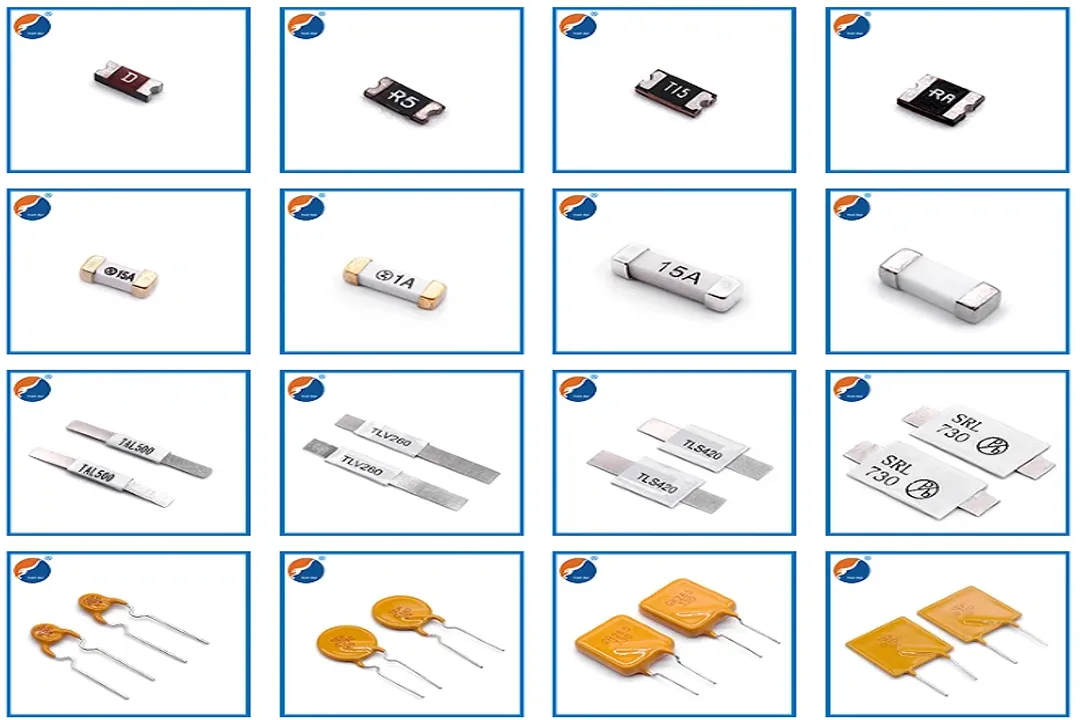
On the other end of the spectrum, as electronic components shrank and drew less power, fuses followed suit. Modern electronic circuits require fuses rated for fractions of an ampere, integrated directly onto circuit boards. These surface-mount fuses must react incredibly fast to protect delicate semiconductors, demanding precision manufacturing that was unimaginable when Thomas Murray was laying power lines decades earlier.
| Fuse Type Example | Typical Application | Key Characteristic |
|---|---|---|
| High-Voltage Link (1909) | Utility/Transmission Lines | Required arc suppression capabilities. |
| Automotive Blade Fuse | Vehicle Wiring Harnesses | Standardized, color-coded, easily replaceable. |
| Surface Mount Fuse | Printed Circuit Boards | Extremely small, fast reaction time for semiconductors. |
# Insight into Failure Analysis
The history reveals a progression driven by the severity of the potential failure. Ancient fuses managed slow fire risk; early electrical fuses managed basic wire overheating; and high-voltage fuses managed catastrophic arc failure. This evolution demonstrates a clear engineering trend: as the energy potential of a system increases, the sophistication of the protective device must increase proportionally to manage the physics of high-energy interruption.
Thinking about this today, the inherent one-time failure of a fuse offers a distinct diagnostic advantage over a resettable breaker in many scenarios. When you find a blown fuse in your car or home panel, the fact that the link is physically melted provides a permanent record of the precise overcurrent event. A breaker, conversely, just tells you that an overload happened; the reset mechanism hides the evidence of the exact peak current or duration of the fault. For anyone troubleshooting an intermittent electrical problem, that visible, broken element of a fuse is often the best starting point—it tells a complete story of failure, whereas a reset breaker only indicates a temporary interruption.
# Contextualizing Protection
Fuses and circuit breakers both serve the same goal—protecting personnel and property from excessive current—but they achieve it differently. In industrial settings, for instance, the choice between them often comes down to operational continuity versus absolute fault isolation. While a breaker is preferred where frequent, brief overloads are expected (like motor startups), the fuse remains unmatched in its simplicity and its definitive breaking action when protecting static loads or sensitive electronics. The very first inventors, whether they were dealing with gunpowder fuses or early copper wires, were all solving the same problem: managing energy release through the intentional sacrifice of the weakest component. While no single person can claim the title of "inventor of the first fuse" given the ancient origins of explosive fuses and the disparate evolution of electrical protection, key individuals like Thomas E. Murray laid the groundwork for the standardized safety devices we rely on today.
Related Questions
#Citations
History of the humble Automotive Blade Fuse - Classic Retrofit
The Development Of Fuses in Electronic Components - News
Fuse (explosives) - Wikipedia
Fuse or Circuit Breaker - RS Online
Fuse vs Circuit Breaker? What's the difference? - c3controls
The Electrifying Evolution of Fuses and Circuit Breakers in Industrial ...
Function of fuses in electrical installations - Solera
A Brief History of the Electrical Panel - Nook
NIHF Inductee Thomas E. Murray Invented the Electric Fuse Box
Milestones:World's First Reliable High Voltage Power Fuse, 1909