Who invented the air purifier?
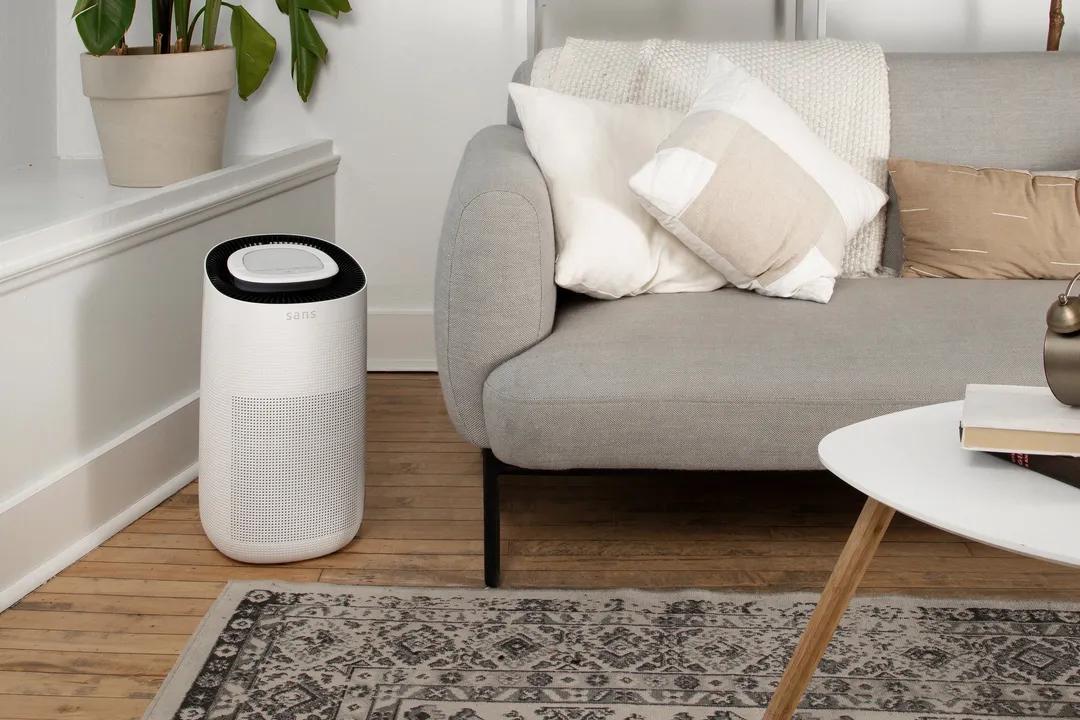
The story of who gets the credit for inventing the air purifier is less about a single "eureka" moment and more about a slow, evolutionary crawl spanning centuries, driven first by industrial necessity and later by personal health concerns. It’s challenging to pin down one inventor because the device we recognize today is a culmination of separate breakthroughs, ranging from basic ventilation concepts to highly sophisticated filtration media developed decades apart. Tracing its lineage requires looking at the eras when air quality first became a significant technical problem worth solving.
# Early Clean Air
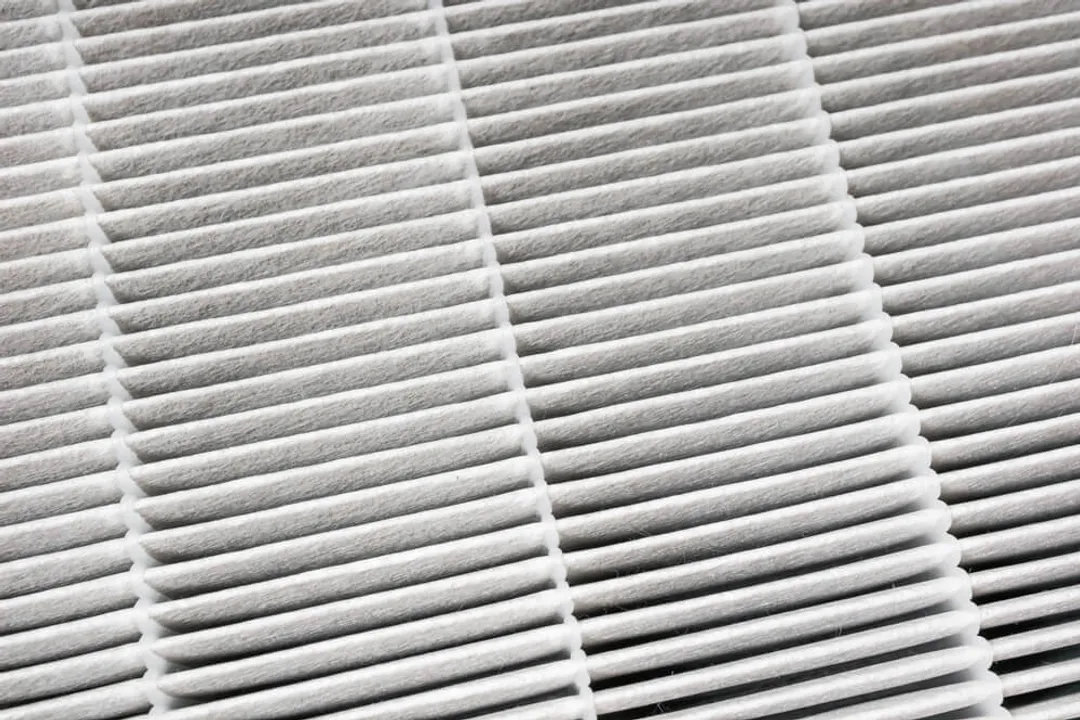
Long before the modern plastic box sat in our living rooms, the need for cleaner air was tied to smoke and industrial processes. The very first efforts were likely rudimentary mechanical ventilation systems designed to extract harmful fumes from workspaces, not necessarily to clean the air for personal health. The concept of actively moving or treating air to remove contaminants has roots stretching back to the 19th century.
One name that frequently surfaces in discussions about early air treatment is John Hess Thayer Sylvester. While his work focused heavily on preventing the spread of disease through ventilation and managing smoke from cooking fires, he is often associated with foundational ideas about controlled air movement and filtration. However, these early attempts were not the self-contained, consumer-ready units we know today; they were often large, integrated systems designed for specific, localized problems, such as managing the air quality within operating rooms or large industrial settings. The focus then was on removing visible smoke and heavy particles from essential environments, not on capturing microscopic allergens for the general public.
# Military Need
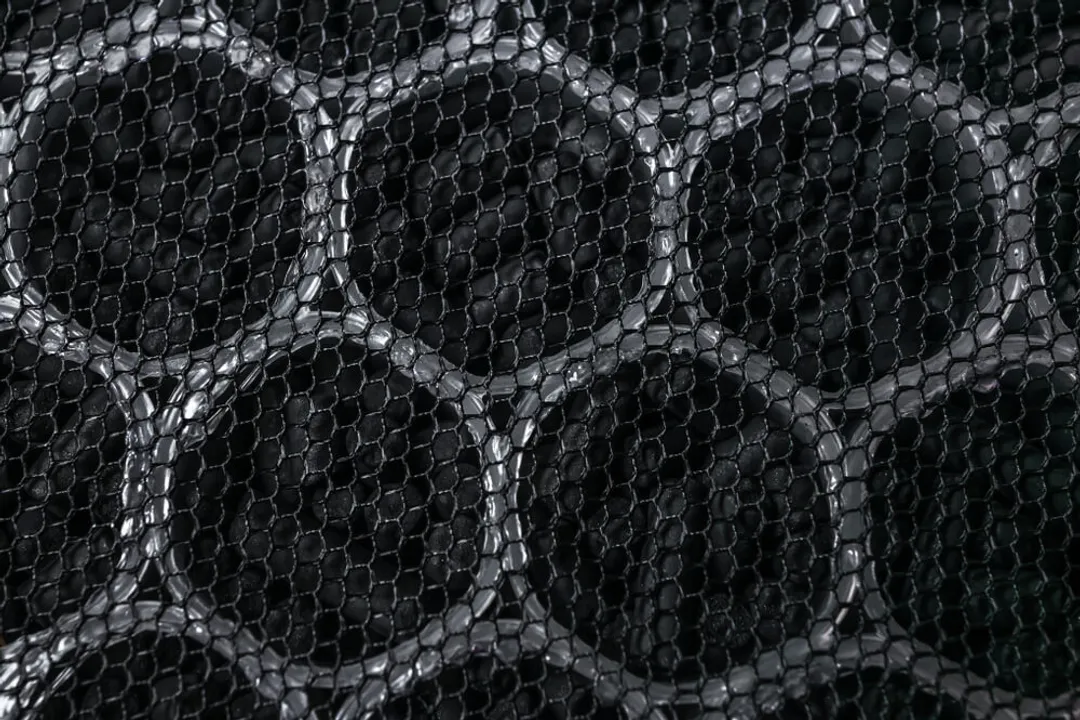
The real technological acceleration for high-efficiency air cleaning didn't come from consumer demand; it came from the military, specifically in response to the threat of chemical and biological warfare during and after World War II. This necessity forced the rapid development of filtration technology capable of trapping incredibly small particles.
This urgency led to the creation of what we now know as the HEPA filter—High-Efficiency Particulate Air filter. The term itself is rooted in this military and nuclear research, evolving from tests conducted by the U.S. Army Chemical Corps and the Atomic Energy Commission in the 1940s. A filter needed to be effective enough to stop radioactive dust particles, which are tiny, to protect personnel. The standard established was that a true HEPA filter must remove at least 99.97% of airborne particles that are $0.3$ micrometers in diameter. This benchmark for particulate removal efficiency is the single most important technical milestone in the history of the air purifier, effectively creating the engine for the modern device.
# Domestic Adoption
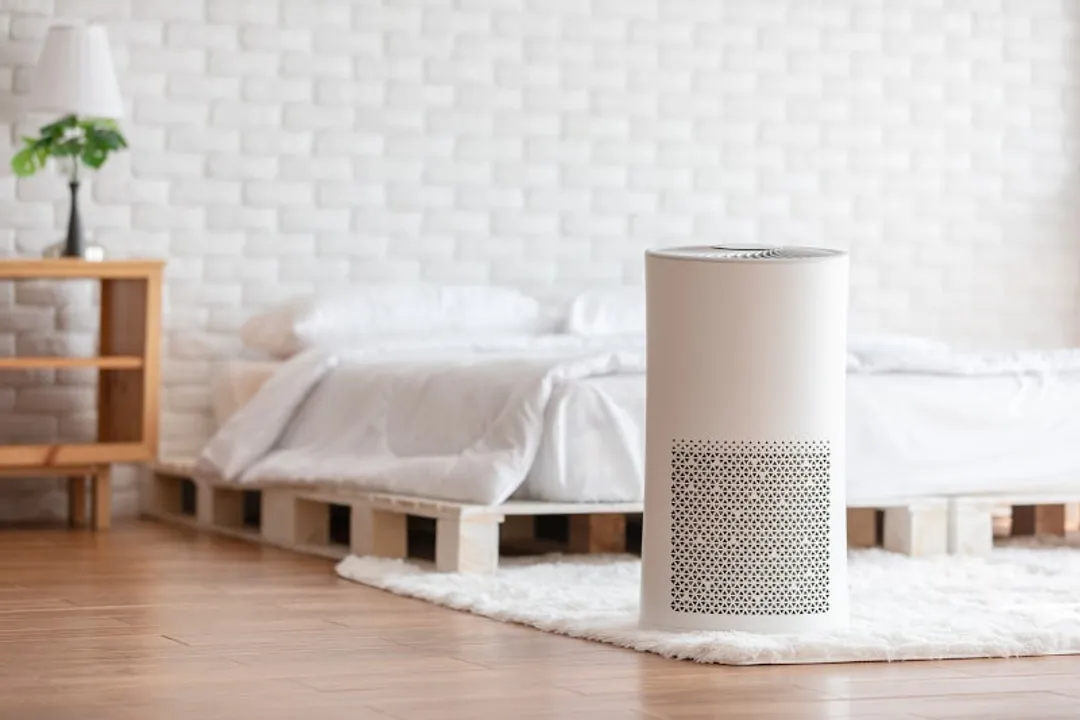
For decades after the HEPA standard was set, the technology remained largely confined to specialized settings—hospitals, cleanrooms, and military installations. The transition from industrial powerhouse to home appliance was gradual. The market began to shift as scientific understanding of airborne allergens, such as pollen and dust mites, increased in the mid-to-late 20th century. People started connecting their respiratory discomfort—sneezing, asthma, allergies—to the invisible pollutants swirling in their homes.
The rise of the domestic air purifier wasn't driven by a single inventor creating a new filter, but rather by entrepreneurs recognizing an untapped consumer market for applying existing, powerful filtration science—the HEPA technology—into smaller, quieter, and more aesthetically pleasing packages. This period marks the true beginning of the air purifier as a household product category. It required engineering innovation to miniaturize the powerful fans and filter assemblies needed to achieve HEPA-level performance while keeping the noise level acceptable for a bedroom or living room. This engineering trade-off—balancing air changes per hour (ACH) against perceived noise—is a defining characteristic of the consumer market that continues today.
Editor's Commentary: It’s fascinating to contrast the intent behind the initial filter development versus its modern use. The HEPA filter was designed to survive a nuclear fallout scenario, demanding maximum capture efficiency regardless of size or noise. Today, many consumers prioritize a machine that cleans a specific room size quietly while sleeping. This shift means modern engineering often focuses on optimizing airflow dynamics across the dense filter material to achieve certification standards (like Clean Air Delivery Rate, or CADR) without overwhelming the user with sound, subtly prioritizing comfort over the raw, brute-force filtration capability required by its military progenitors.
# Continuing Innovation
The story doesn't end with the introduction of the HEPA-based home unit; it only shifts focus to refinement and enhancement. The basic concept—a fan pulling air through a filter—has remained constant, but the ancillary technologies surrounding it have evolved dramatically.
For example, the introduction of activated carbon filters addresses pollutants the HEPA stage misses: volatile organic compounds (VOCs) and odors. While HEPA handles particulates (solids), carbon handles gases, adding another layer of necessary complexity to the home filtration unit.
Furthermore, inventors continue to push boundaries, often building upon established foundations rather than starting from scratch. In more recent times, research institutions have been involved in developing next-generation units. For instance, an inventor at the University of South Florida (USF) has been noted for work in creating a "better air purifier," focusing on efficiency and design improvements over existing models. This suggests that while the concept of the air purifier is old, the pursuit of the optimal purifier is an ongoing process driven by new material science and user feedback.
To appreciate how far the technology has come, consider the scope of what early devices tackled versus what is needed now. Early industrial filtration focused on soot and large dust. Modern concerns include smoke from wildfires, pet dander, mold spores, and off-gassing chemicals from furniture or cleaning supplies.
| Era | Primary Driver | Key Technology/Focus | Typical Location |
|---|---|---|---|
| Pre-1940s | Industrial Safety/Smoke Control | Simple mechanical ventilation/scrubbing | Factories, Hospitals |
| 1940s–1960s | Military/Nuclear Protection | HEPA Filter Development (99.97% at 0.3 m) | Classified Labs, Military Shelters |
| 1970s–1990s | Allergy Awareness | Miniaturization and Consumer Marketing | Domestic Homes |
| 2000s–Present | Comprehensive Air Quality | HEPA + Activated Carbon + Smart Monitoring | Modern Residences |
# Measuring Effectiveness
Since the initial inventor remains elusive, understanding the device’s success relies on understanding how we measure its performance today, which directly influences design choices made by contemporary engineers. The key metric often discussed is the CADR (Clean Air Delivery Rate). This measurement essentially quantifies how fast the purifier can clean the air in a room of a specific size. A high CADR means the fan is moving a large volume of air through the effective filtering media quickly.
If we look at companies that specialize in high-end air purification today, like IQAir, their history often ties back to addressing specific, severe air quality challenges, sometimes originating in environments far more demanding than the average home, such as surgical suites or high-altitude research. Their development paths showcase an engineering focus on filter longevity and true-to-spec performance, which requires meticulous fan calibration to handle the resistance created by dense media.
For someone setting up an air purifier in a new home, understanding the relationship between room size and filter capacity can save money and ensure actual air quality improvement. A common pitfall is purchasing a unit rated for a 500-square-foot room but placing it in a 1,000-square-foot open-concept area. If the unit claims a CADR of 250 for particles, it can only fully clean the air in a space that requires 2 air exchanges per hour (ACH) in a 500 sq ft area. Pushing it into a larger space means the ACH drops significantly, perhaps achieving only one full cleaning every hour or more, rendering it far less effective against sudden pollution spikes like cooking smoke or high pollen counts.
In summary, the air purifier was not invented by a single person but was engineered into existence through necessity. It began with basic smoke removal, was perfected technologically by military demands leading to the HEPA standard, and was finally commercialized by entrepreneurs who understood the growing public demand for clean indoor air.
Related Questions
#Citations
Air purifier - Wikipedia
The History of Air Purifiers in Baltimore, MD - Griffith Energy Services
The history of the air purifier - 11 Steps to modern day - HouseFresh
Who Invented the Air Purifier? - Sans
Who Invented The Air Purifier I The Story Behind Clean Air - YouTube
Let's Clear the Air: The Rise of the Domestic Air Purifier
The History of Air Purifiers | Apec Water Blog
About IQAir
USF Inventor Builds A Better Air Purifier - WUSF