Who invented survival kits?
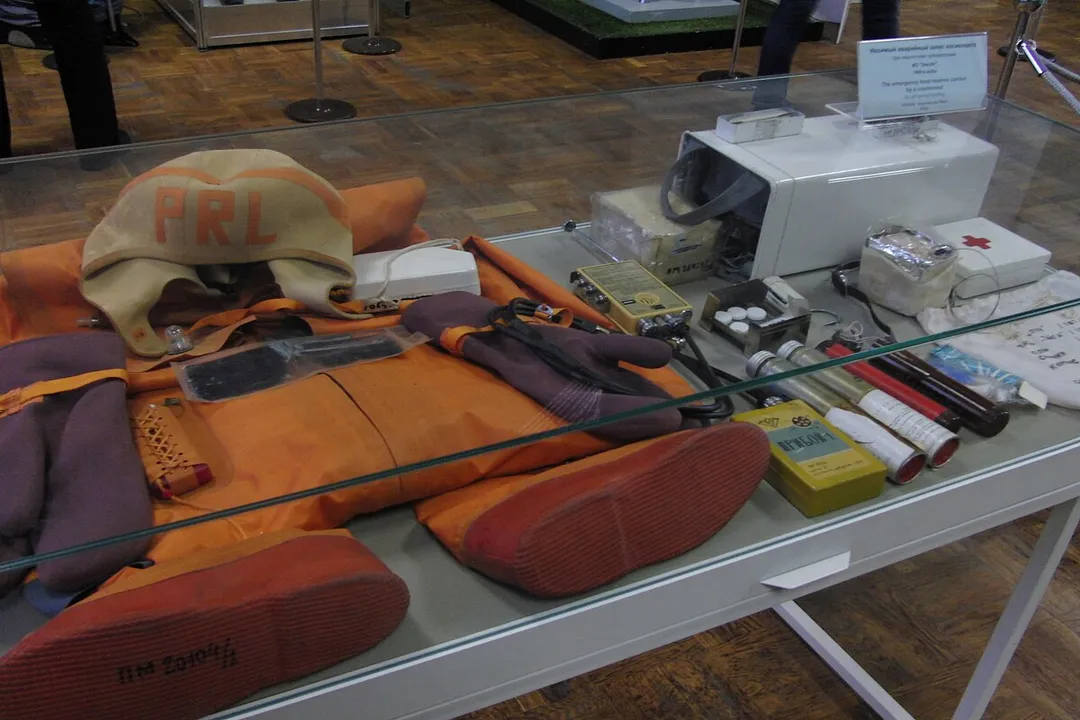
The notion of a dedicated collection of items intended to keep someone alive during an unexpected ordeal doesn't trace back to a single inventor receiving a patent. Instead, the "survival kit" is a concept that developed organically, driven by repeated human exposure to disaster—primarily at sea, in the air, and on the battlefield. [1][3] It represents a transition from rudimentary personal preparedness to formalized, often mandatory, emergency provisioning.
# Medical Precursors

Before the generalized "survival kit" became a recognizable concept, the need for organized immediate medical care was paramount, laying the groundwork for later additions. The history of the first aid kit is a critical starting point, demonstrating the earliest organized approach to emergency provisioning. [2][5] Early attempts at organizing medical supplies were often rudimentary, focused on treating battlefield wounds or immediate injuries during arduous travel. [2]
The formalization of first aid saw concepts evolving rapidly, especially in response to large-scale conflicts. For instance, the standardization and widespread adoption of specific medical contents were heavily influenced by military necessity. [5] While early medical boxes aimed to treat injuries immediately after they occurred, they generally lacked the components necessary for sustaining life over an extended period—like fire starters, water purification, or shelter materials—which separates a true survival kit from a basic first aid unit. [2][5] The distinct lineage of the first aid box shows an evolution toward professional medical organization, while the survival kit evolved from practical needs of isolation. [5]
# Maritime Origins
One of the clearest ancestors of the modern survival kit originated on the water. For centuries, sailors understood that if a ship went down, survival depended entirely on what could be grabbed quickly. [3] This necessity gave rise to the ditch bag or maritime survival kit. These early kits were less about invention and more about compilation based on grim experience. [4]
These sea-going kits contained essentials for signaling, rudimentary navigation, and staving off exposure until rescue arrived. [3] They were, by definition, survival kits, albeit narrowly focused on aquatic emergencies. The contents were determined by naval and maritime regulations over time, ensuring basic life support was prioritized. [3] Contrast this with the approach taken by overland explorers; while explorers carried supplies, they were typically packaged for long-term transport, not for a sudden evacuation into the water. [4] The maritime context forced the creation of self-contained, floatable, and immediately accessible emergency packs.
# Aviation Standardization
The true push toward universally recognized, standardized survival kits arguably occurred in the skies during the mid-20th century. [1] As commercial and military aviation expanded, the risks of planes crashing in remote areas—deserts, dense jungles, or the open ocean—became a pressing regulatory concern. [1][3]
Aviation safety regulations began mandating specific survival gear on board aircraft, turning the survival kit into a regulated piece of safety equipment rather than an optional extra. [1] These kits had to be lightweight, compact, and capable of supporting passengers for a minimum duration while awaiting rescue. The required contents often reflected the specific geographic region the flight operated over, leading to distinct jungle survival kits versus arctic kits. [1] This regulatory environment ensured that for many civilians, their very first encounter with a true survival kit would be a brightly colored bag stowed under their seat or in an overhead compartment. [3]
The development of these standardized kits required input from diverse experts, bridging the gap between medical first aid, signaling technology, and basic utility gear. [1] This blending of necessities—medical care plus sustainment—is what solidified the modern definition of a survival kit, moving distinctly past the first aid-only approach. [2]
# Modern Pioneers
While governments and militaries standardized the need for kits, dedicated individuals and companies helped refine the contents and the philosophy behind them as survivalism moved into the civilian realm. [6] It is difficult to attribute the modern, commercially available survival kit to a single person, as dozens of manufacturers iterate on the best designs. However, figures associated with established survival brands often represent the refinement stage of the concept. [6]
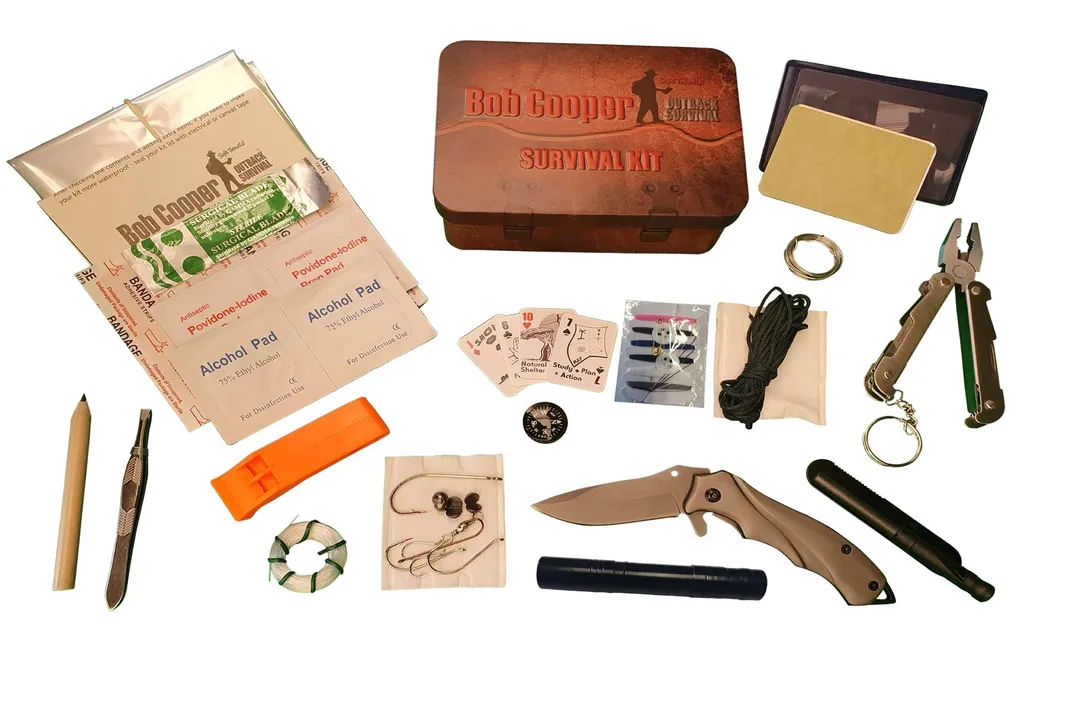
For example, Bob Cooper, known for his survival systems, represents a brand dedicated to creating comprehensive, purpose-driven kits, which speaks to the specialization occurring long after the basic idea was established. [6] Similarly, literature on the subject, such as guides detailing best lists and ideas, reflects a community effort to refine what constitutes an adequate kit, rather than crediting one inventor. [9] The concept moved from mandated military/aviation supplies to a consumer product based on best practices derived from decades of field use. [4][10]
The evolution shows that while maritime and aviation needs created the framework for the concept, the general public’s interest, perhaps spurred by awareness campaigns or literature, drove the market for personal preparedness kits. [3][9]
If we examine the contents, the defining moment is less about who packed the first bag and more about when essential modern components became standard. Consider the integration of specialized signaling devices or modern fire-starting materials; these additions transform a simple collection of items into a dedicated survival cache. [10]

# Kit Philosophy Divergence
An interesting divergence in the history of preparedness involves the difference between what is frequently called a "survival kit" and what modern preppers often call a "Bug-Out Bag" (BOB). While the terms are often used interchangeably, their historical context and primary design intent differ slightly, offering an analytical point on the evolution of preparedness culture. [10]
The classic survival kit, driven by aviation and maritime regulations, is fundamentally designed for short-term survival and signaling while awaiting pre-planned rescue. [1][3] Its contents are usually minimal, focused on the critical 72 hours: water purification, basic first aid, fire, and signaling devices. [10]
Conversely, the modern Bug-Out Bag philosophy, which gained traction outside of strictly regulated transport scenarios, emphasizes self-sufficiency for a longer duration, often assuming rescue is not imminent or that the user must travel a significant distance to reach a safer location. [10] This often means a BOB is heavier, containing more food rations, specialized tools, and navigation gear than a traditional emergency survival kit. [10] This shift reflects a cultural move from relying on institutional rescue protocols to embracing radical self-reliance, a development spurred by various global events and accessible information. [9]
To better visualize how these differing philosophies translate into actual weight and bulk, one can look at the core mission requirements:
| Kit Type | Primary Goal | Expected Duration | Key Differentiating Content |
|---|---|---|---|
| Aviation/Maritime Kit | Signal and Sustain until Rescue | 48–72 Hours | Flares, signaling mirrors, basic water tabs [1][3] |
| Overland Survival Kit | Short-Term Self-Sufficiency | 72 Hours | Compact fire starter, knife/multi-tool, comprehensive first aid [10] |
| Bug-Out Bag (BOB) | Extended Self-Relocation | 7 Days + | Food rations, specialized shelter systems, maps/compass [10] |
This comparison shows that the inventor of the survival kit concept was responding to the immediate threat of being lost and needing rescue; the evolution into the BOB is a later refinement based on the fear of being lost indefinitely. [9][10]
# Content Refinement
As technology advanced, the contents of these kits changed dramatically, often leading to lighter, more effective gear. For instance, early fire starting might have relied on sulfur matches, but modern kits utilize ferrocerium rods or specialized waterproof matches. [10] Similarly, water purification has moved from boiling (requiring a metal container) to chemical treatments or specialized filters. [1]
The ability to create effective, high-quality survival kits has become democratized. You no longer need military contracts to access superior materials. [8] Companies now cater to specific niches, whether it's urban preparedness or wilderness survival, acknowledging that a one-size-fits-all kit is inherently less effective than a purpose-built one. [6][8]
If you were to assemble an early aviation kit from the 1950s and a modern equivalent side-by-side, the weight difference for the same intended survival duration would be remarkable, due primarily to material science advancements in everything from plastic packaging to blade steel. [1] This iterative process of content improvement, driven by feedback from both military/aviation failures and civilian testers, effectively means that everyone who refined a kit along the way is an inheritor of the original concept, rather than one singular originator. [3][4] The true invention lies in recognizing the pattern of need—that humans require a predetermined set of tools when separated from their infrastructure—and the refinement lies in the steady incorporation of better technology into that pattern. [1]
# Local Context Considerations
When considering who invented the survival kit, it is also worthwhile to consider the local environment. A kit standardized for survival in the high alpine regions of the Rockies, which heavily emphasizes insulation and altitude sickness prevention, would be wildly inappropriate for a coastal environment in the tropics, which prioritizes rapid water purification and protection against humidity and insects. [1]
The very structure of preparedness culture reflects this localization. In areas prone to earthquakes (like California), the survival kit often leans heavily toward structural safety items and immediate medical care, similar to an evolved first aid box. [5] In areas with vast, uninhabited tracts of land, the emphasis shifts toward navigation and signaling, echoing the original aviation/maritime mandates. [3] This implies that the best application of the survival kit concept is always context-dependent, suggesting that no single, universal kit design could have been "invented" to serve all purposes equally well from the start. [4] The true "inventor" might be the next person who successfully adapted the concept to a previously unaddressed threat scenario.
# Finalizing the Concept
The story of the survival kit is one of cumulative necessity, not singular genius. It is a progression where the initial recognition of needing immediate medical aid (the first aid kit) was expanded by the urgent need to signal rescue in remote areas (maritime and aviation kits), finally maturing into the generalized preparedness concept we know today. [2][3][5] No single date or person marks the moment the first survival kit was conceived; rather, it is a collection of solutions forced by disaster, codified by regulation, and refined by modern technology and user experience. [1][6][9]
#Videos
How Did Emergency Preparedness Kits Evolve Over Time? - YouTube
Related Questions
#Citations
Survival kit - Wikipedia
The History of First Aid Kits: When and Why They Were Invented
History of Survival Kits and Their Evolution - taxplore.com
Who invented the multipurpose survival kit? - Answers
Who invented the First-Aid box? - EmerReady
How Did Emergency Preparedness Kits Evolve Over Time? - YouTube
Bob Cooper Survival Kit
Stealth Angel Survival - Outdoor & Urban Survival Products
Stay Alive - Best Survival Kits, Lists & Ideas eShort by John McCann
SURVIVAL KITS of Doug Ritter - EQUIPPED TO SURVIVE (tm)