Who invented soil remediation?
The question of who first "invented" soil remediation isn't one with a single name on a patent certificate; rather, it's the story of observing nature's cleanup crew and then learning how to manage and accelerate that process. Soil remediation, broadly defined as the treatment of contaminated soil to eliminate or reduce the concentration of harmful substances to acceptable levels, emerged from necessity following centuries of industrial activity and pollution. [6] Early awareness often centered on natural processes long before they were formalized into scientific disciplines. When pollutants were first recognized as a major environmental hazard, the initial response was often containment or removal, which proved costly and often just moved the problem elsewhere. [6] The true genesis of modern soil remediation lies in the realization that nature itself possesses powerful, though sometimes slow, mechanisms for detoxification and breakdown. [4][6]
# Early Concepts
The initial understanding of how nature handles waste was largely observational. People noticed that certain soils seemed less toxic over time, or that specific plants appeared to thrive where others withered. [5] This passive observation set the stage for what would later become formalized as in situ treatment methods, where cleanup happens directly in the ground. [6] Unlike the previous methods that relied heavily on excavation and hauling—often termed "dig and dump"—the emerging perspective sought sustainable, site-specific solutions. [6] The term "bioremediation" itself began to gain traction as scientists started to systematically study the microbial communities already present in the soil and how their metabolic activities could be harnessed to degrade organic contaminants. [6]
# Bioremediation Emergence
The formal history of bioremediation as a distinct technology is deeply tied to understanding microbiology in the mid-20th century. [6] While the concept of using living organisms to clean up contamination is ancient, the scientific application gained momentum when researchers began to intentionally manipulate environmental conditions to enhance the natural breakdown rates of pollutants like petroleum hydrocarbons. [6] Scientists realized that the microbes capable of degrading these compounds were often present, but their activity was limited by factors such as oxygen levels, nutrient availability, or the toxicity of the contaminant itself. [1][6]
One key area of development involved distinguishing between biostimulation and bioaugmentation. [1] Biostimulation involves adding limiting nutrients or electron acceptors (like oxygen or nitrogen) to encourage the growth and activity of existing native microorganisms already adapted to the local environment. [1] Bioaugmentation, conversely, involves introducing non-native, specialized microbial strains that possess specific degradation capabilities that might be lacking in the indigenous population. [1] The formalization of these techniques—turning observation into controlled engineering—is what marks the beginning of engineered soil remediation. [2] The gradual acceptance of these biological approaches over purely physical or chemical ones reflects a maturing scientific understanding of ecosystem function and limits. [6]
# Phytoremediation Foundations
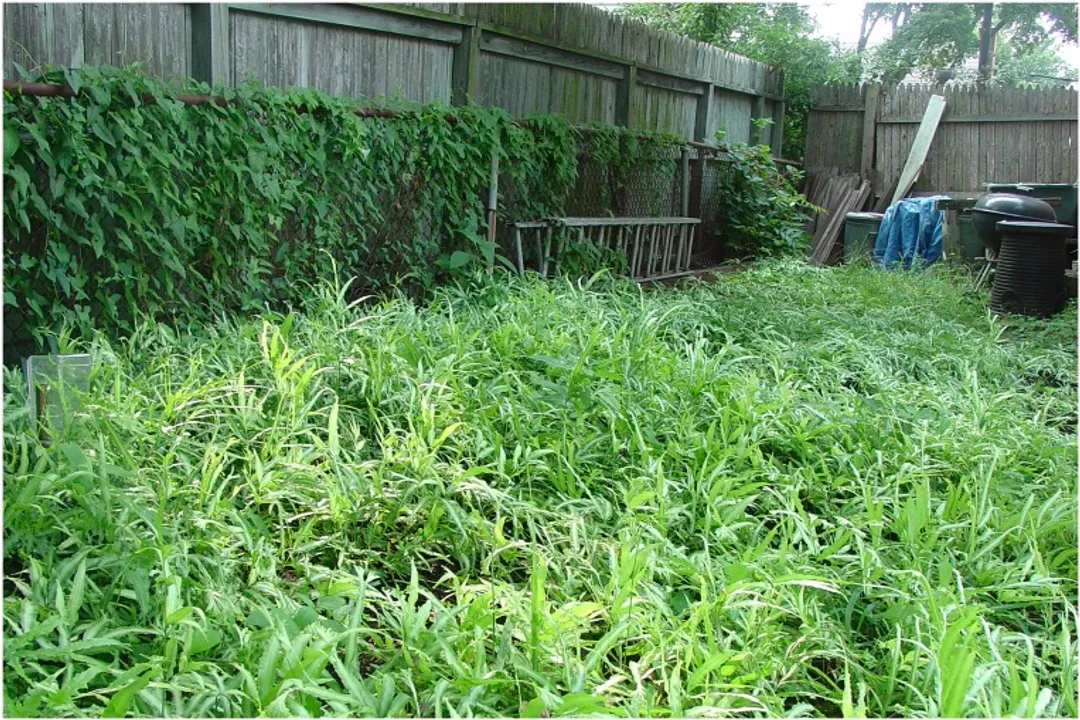
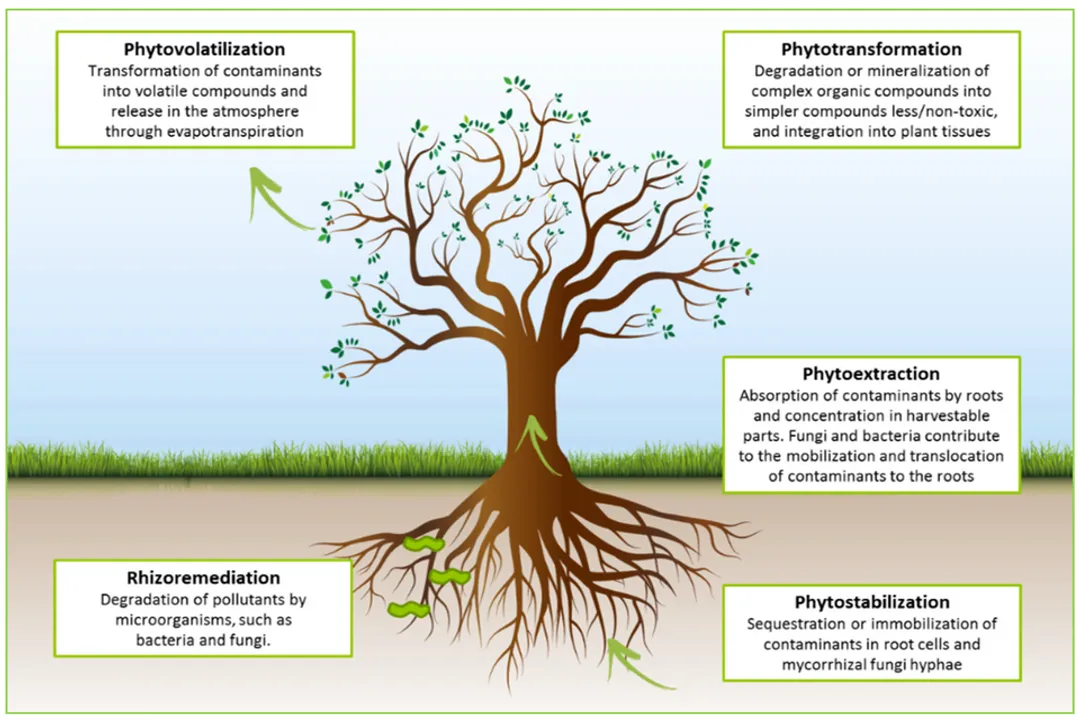
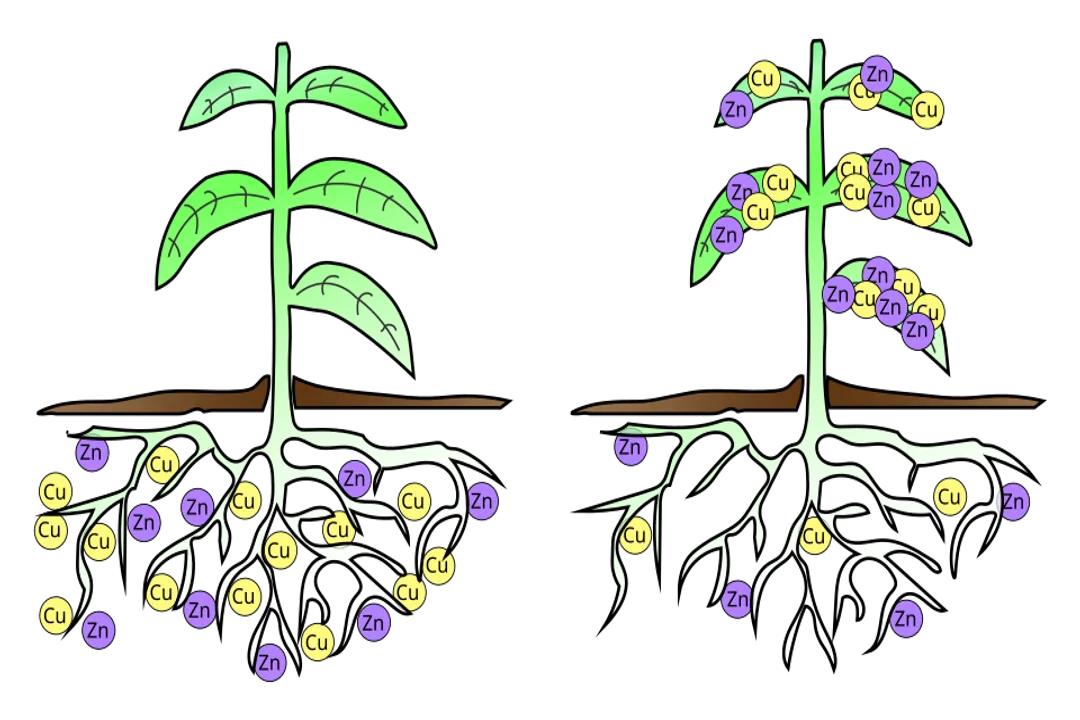
A parallel, yet distinct, pathway in soil remediation history is phytoremediation, the use of plants to clean soil contaminated with organic or inorganic pollutants. [4] While the use of certain plants to tolerate or accumulate heavy metals has been noted for centuries, the scientific exploration and application of this method gained significant traction in the late 20th century. [5] The term itself—derived from the Greek prefix phyto- meaning "plant"—describes the harnessing of plant processes like phytoextraction (accumulating contaminants in shoots), phytostabilization (limiting contaminant mobility in the soil), or phytodegradation (breaking down contaminants within the plant). [4]
The journey of phytoremediation, as traced through its applications, suggests a slow build-up of evidence before widespread recognition. [5] Researchers systematically identified hyperaccumulator plants—species that can concentrate heavy metals to very high levels in their tissues—which proved the viability of phytoextraction for metals like nickel, zinc, and cadmium. [4] This realization transformed the perspective from seeing plants merely as indicators of toxicity to viewing them as active cleanup agents. [5] A Georgia professor, for instance, dedicated work to this area, emphasizing that nature offers elegant, cost-effective solutions for environmental challenges, an approach often favored for large, shallowly contaminated sites. [3] The advantage here is visual: unlike underground microbial work, the presence and growth of the remedial plants offer tangible evidence of the ongoing cleanup process, which can be reassuring for local stakeholders. [5]
Considering the adoption timeline, one might observe that while bioremediation’s principles are rooted in microbial ecology studied decades ago, phytoremediation often seems to gain regulatory traction faster in specific contexts because the remediation mechanism is visually intuitive. An engineered microbial process operating deep underground can face skepticism until verifiable monitoring data proves efficacy; conversely, watching a field of sunflowers grow vigorously on a former industrial site often conveys a sense of progress immediately. [3][5]
# Key Figures and Institutions
Pinpointing the inventor is complicated because remediation is an applied science built on foundational biological and chemical discoveries spanning decades. [2] However, certain individuals or research groups are associated with pushing specific techniques into practice. For example, research coming out of institutions like the Chinese Academy of Sciences (CAS) points toward targeted scientific investigation into advanced biological methods, such as those involving specific enzymatic pathways in microorganisms to deal with recalcitrant pollutants. [8] This type of targeted research is crucial for moving beyond general microbial activity to designing precise, scalable solutions. [8]
Similarly, the work of academic researchers, like the geology professor mentioned previously, contributes by validating and optimizing natural processes for regulatory acceptance. [3] Their expertise bridges the gap between fundamental science and practical, field-ready application, essentially "inventing" the site-specific protocols that make remediation successful. [3] Furthermore, scholarly reviews and doctoral work, such as those found in university repositories, serve as critical historical markers, documenting the evolution of techniques and naming the researchers whose work formed the basis for current industrial standards. [9]

# Modern Contested Ownership
The evolution of soil remediation technology did not stop with the foundational concepts; it entered a phase of intensive patenting and commercialization, highlighting that innovation is ongoing and often tied to intellectual property claims. [7] In the modern context, an "inventor" is often the person or entity who develops a novel, non-obvious, and useful process that can be legally protected. [7]
A notable instance involves an inventor suing a soil remediation company over patent infringement concerning their methods. [7] This legal action underscores a significant shift: what began as observing natural processes has transformed into a highly competitive, proprietary field where specific engineered sequences, application methods, or novel combinations of agents are considered valuable inventions worth defending in court. [7] This situation contrasts sharply with the initial, largely open-source observation of natural attenuation reported in older literature. [6] The existence of such patent disputes signifies that the field has matured past the basic discovery phase and is now focused on optimizing efficiency, speed, and specificity through proprietary engineering.
# Table of Remediation Categories
To better understand the scope of what has been "invented," it is helpful to look at the primary categories of remediation technologies that have developed, acknowledging that each category has its own set of key developers and milestones: [1][4][6]
| Remediation Category | Primary Mechanism | Focus | Inventor Concept |
|---|---|---|---|
| Bioremediation | Microbial metabolism of contaminants | Organic pollutants, petroleum spills | Enhanced natural breakdown (biostimulation/bioaugmentation) [6] |
| Phytoremediation | Plant uptake, sequestration, or breakdown | Heavy metals, inorganic contaminants | Harnessing specific plant biology for cleanup [4][5] |
| Chemical Treatment | Chemical reactions in situ (e.g., oxidation) | Specific recalcitrant compounds | Engineered chemical reactions in the subsurface [2] |
| Physical Treatment | Separation or immobilization (e.g., soil washing) | High concentrations, large volumes | Mechanical separation processes |
This table illustrates that "soil remediation" is an umbrella term encompassing several distinct, iteratively "invented" technologies, each requiring a different scientific expertise to develop and deploy effectively. [2][9]
# Actionable Insights for Modern Application
When approaching a contaminated site today, understanding this history helps frame the solution. Instead of asking "Who invented it?", the more practical question for practitioners is, "Which historical approach best fits this specific contamination profile?" For instance, if the site contains high concentrations of metals but the budget is limited and the timeline is long (multiple growing seasons), phytoremediation, pioneered by systematic plant selection studies, offers a potentially low-energy input solution. [3][4]
Conversely, if the contamination is a deep plume of gasoline components, the engineering advancements in in situ bioremediation, which allow for precise delivery of oxygen or electron acceptors miles underground, will be the more appropriate legacy of those early microbial ecologists. [1] Knowing the progression from observation to microbial enhancement to patented systems allows for a better selection of the right level of intervention—from passive monitoring of natural attenuation to aggressive, patented chemical oxidation techniques. [6][7] The effectiveness of any method is directly tied to the quality of the initial scientific modeling and site characterization, a testament to the cumulative expertise built over decades. [9] The enduring challenge, reflected in the ongoing legal battles, is proving that an engineered improvement is truly novel and superior to existing—or even natural—processes. [7]
# Conclusion on Origin
Ultimately, no single individual can claim the title of "inventor" of soil remediation. The field arose from the convergence of several scientific threads: microbiology providing the tools for understanding subsurface degradation, [6] plant science revealing the potential of hyperaccumulators, [4][5] and environmental engineering providing the methodologies to control and accelerate these natural systems. [2][9] The story of soil remediation is less about a singular Eureka moment and more about a slow, persistent accumulation of knowledge, moving from passive acceptance of natural cleanup to the active, legally protected, and technologically sophisticated site management we see today. [7] It is a collective invention built on the work of countless microbiologists, botanists, geologists, and environmental engineers who sought to mitigate the lasting damage of industrial heritage. [3]
Related Questions
#Citations
Core Concept: Phytoremediation advances in the lab but lags ... - NIH
The history of phytoremediation - ScienceDirect.com
Geology professor's remediation invention cited for making the world ...
Phytoremediation - Wikipedia
The Journey of Phytoremediation: From Hype to Proven Technology
The History & Development of Bioremediation Explained - Spilltech
Inventor Sues Soil Remediation Co. Over Patents - Law360
Plants Used to Weed out Soil Pollution
Soil remediation process - UQ eSpace