Who invented smart medication reminders?
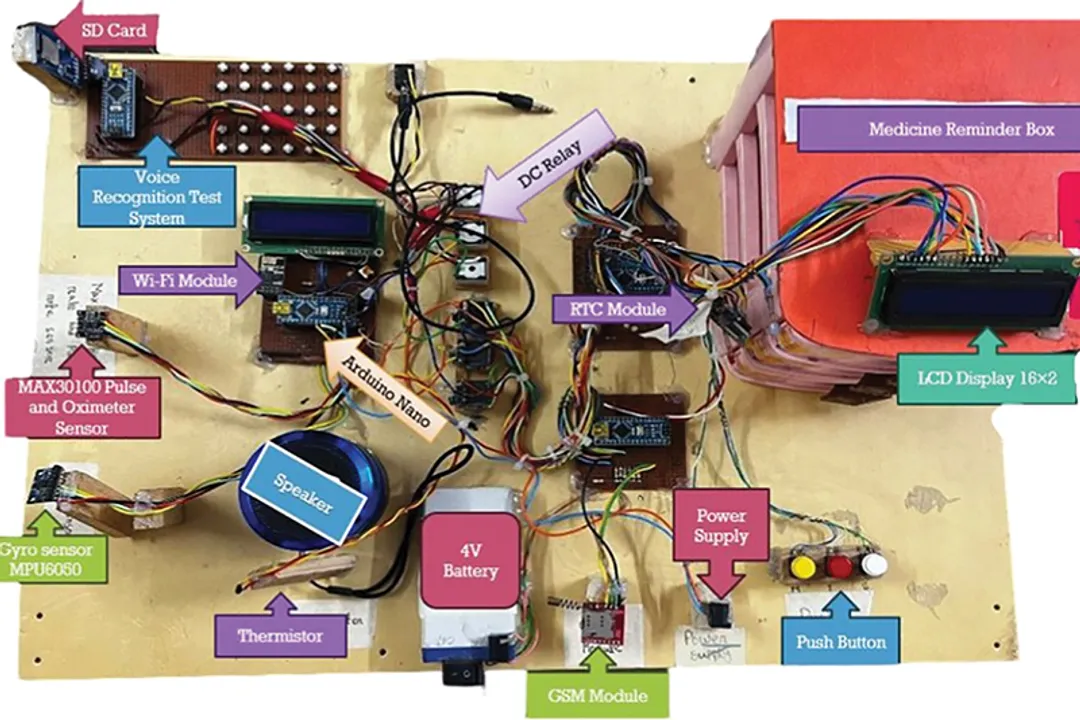
The quest for reliable ways to ensure people take their medication as prescribed predates digital technology, but the concept of the smart reminder—one that actively tracks, alerts, and communicates—is a product of escalating technological capability over the last few decades. Pinpointing a single inventor is challenging because "smart medication reminders" represent an evolution, blending early mechanical timing with modern connectivity and data monitoring. [5]
# Early Concepts
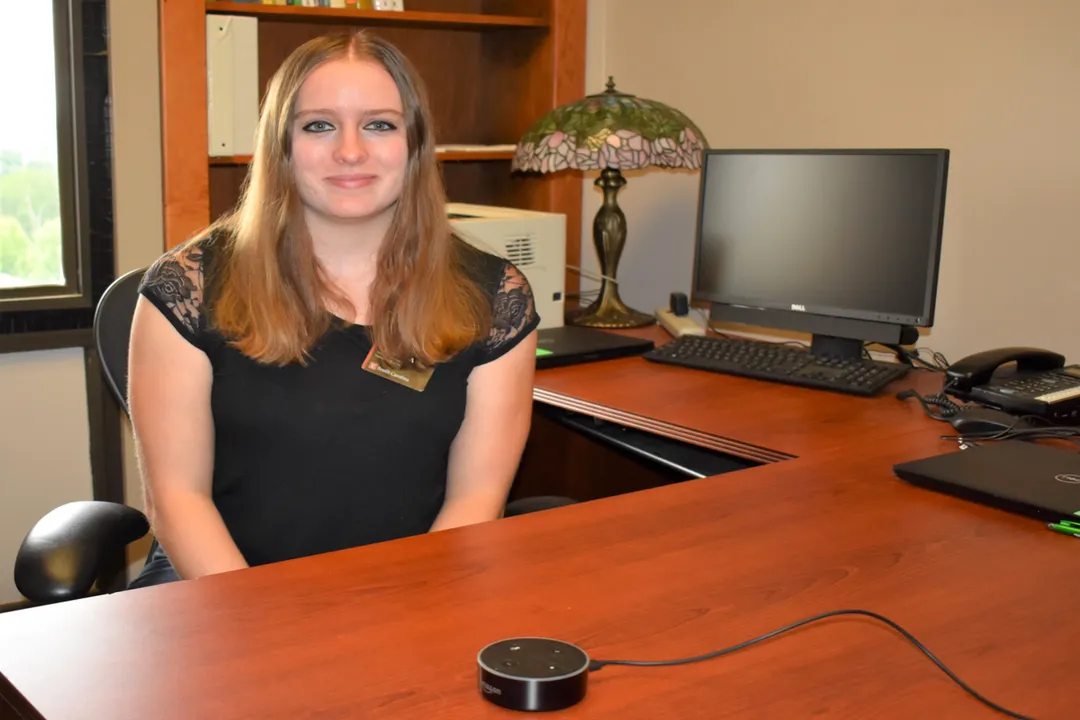
The fundamental need addressed by smart reminders is medication non-adherence, a widespread issue in healthcare. [1] Even before dedicated digital devices, rudimentary systems existed to prompt users. The foundational thinking behind automated dispensing and tracking, however, has roots stretching back much further than widely available cell phones.
A significant early technical predecessor surfaces in the form of patent documentation. Specifically, a patent application filed in the early 1990s describes a medication dispenser system designed to offer automated reminders. [6] The patent, US5159581A, outlines a system that can store medication and dispense it at predetermined times, incorporating an alarm or other signaling mechanism to prompt the user. [6] This 1992 filing reveals an early engineering focus on automating the timing aspect of adherence, laying critical groundwork for what would later become smart systems by embedding the reminder function directly into the dispensing mechanism itself. [6] This system, while not necessarily "smart" in the modern, internet-connected sense, established the physical and logical architecture for automated adherence support. [6]
# Pager Alerts
As personal communication devices became more common, the reminder function leaped from a purely local, physical alarm to one that could communicate across distances. Around 2004, an iteration of the pill organizer emerged that could send alerts to a user’s pager or cell phone. [2] This represented a crucial shift: the reminder was no longer solely dependent on the user being physically near the device; an external signal could prompt action. [2]
This mid-2000s development bridged the gap between simple mechanical reminders and truly connected digital adherence tools. While the mechanism for how the device communicated with the pager or phone might have been simple—perhaps a basic radio signal or an early SMS integration—it introduced the concept of remote notification into medication management. [2] The technology at this stage was less about complex data logging and more about ensuring the alert reached the patient, even if they stepped away from their pills. [2]
It is interesting to observe that this early approach focused on broadcasting a simple alert, contrasting sharply with today's systems that often require two-way communication and authentication to confirm dosage has been taken. The primary innovation then was reach; today's innovation is often verification and data integration.
# Connected Systems Emerge
The real "smart" revolution occurred when medication reminders moved from standalone devices or simple communicators to connected platforms capable of monitoring, logging, and potentially sharing data with caregivers or providers. [1] This required integrating technologies like wireless connectivity, mobile applications, and backend cloud infrastructure.
One significant push came from academic and entrepreneurial efforts aimed directly at combating the national medication adherence challenge. [1] Startups, often involving university alumni, began developing systems that were not just dispensers but complete adherence management platforms. [1] These systems typically feature a connected device—perhaps an advanced pillbox—that monitors when doses are removed, combined with software that delivers reminders and compiles adherence data for review. [1] For instance, some connected systems are designed to send alerts to a patient's smartphone and, critically, notify a designated caregiver if doses are consistently missed. [1]
This concept of caregiver notification is a defining feature separating the "smart" system from its predecessors. The transition involved creating a feedback loop. A simple alarm is a one-way communication; a connected monitoring system creates a two-way loop: patient is reminded, patient interacts with the device/app, system logs the action, and non-action triggers an escalation. [1]
# Corporate Platform Development
Beyond individual startups, major players in the healthcare sector recognized the potential of digital adherence solutions, leading to the development of dedicated mobile platforms. These corporate initiatives often aimed for broader integration within existing patient management workflows. [8]
Janssen Healthcare Innovation, part of Johnson & Johnson, launched the Care4Today mobile adherence medication reminder platform. [8] This move by a large pharmaceutical entity signals a maturation of the concept—the reminder service became a recognized, scalable product offering rather than just a proof-of-concept gadget. [8] Platforms like Care4Today tend to focus on the mobile aspect, using smartphone applications to deliver reminders, track refills, and perhaps even offer educational content tailored to the medication regimen. [8] The involvement of established healthcare companies lends credibility and scale, often leading to more rigorous testing and integration capabilities compared to smaller, independent tech projects. [8]
When comparing these established platforms with earlier hardware-focused solutions, one can see a shift in where the intelligence resides. Early systems relied on the intelligence being in the box (e.g., a timer mechanism). [6] Modern platforms rely on intelligence being in the cloud or on the phone, with the physical device (if present) acting primarily as a sensor. [1][8]
# The Evolution of the Smart Pillbox
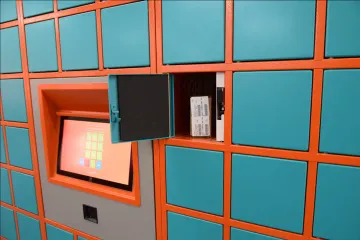
The smart pillbox serves as a tangible example of this technological progression. Research analyzing the history of the smart pillbox indicates a clear path from simple mechanical aids to complex electronic systems. [5] The need for these boxes arises from the reality of polypharmacy—the use of multiple medications simultaneously—which significantly increases the complexity of adherence. [5]
Early iterations might have simply been electronic containers with basic timers. [5] The "smart" addition involves features such as:
- Audible/Visual Alerts: Alarms that are hard to ignore. [6][5]
- Data Logging: Recording the time of an interaction. [1]
- Connectivity: Sending data via Wi-Fi or Bluetooth. [1]
- Medication Tracking: Knowing exactly which compartment was opened and when. [5]
Some academic work, even at the undergraduate level, demonstrates the ongoing innovation in this specific hardware niche. For example, engineering projects continue to explore refined designs for smart pillboxes, focusing on aspects like improved user interface or specific sensing capabilities. [9] This constant iteration suggests that while the core idea of a smart reminder system is established, the best execution remains a subject of active development across various levels of technical expertise. [9]
# Digital Health Integration
The latest advancements push beyond just the dispensing event to incorporate broader digital health trends. Modern systems are increasingly expected to work within a digital ecosystem that includes electronic health records (EHRs) or broader patient engagement tools. [10]
Adherence reminders are now often integrated into digital health applications that provide a holistic view of a patient’s engagement with their care plan. [10] This integration means the reminder isn't just a time-based notification; it might be context-aware, linked to other health metrics, or part of a larger behavioral change program supported by the app. [10] The focus shifts from did you take the pill to is your overall health regimen being managed effectively. [10]
For someone managing a complex regime, this contextual information is highly valuable. Consider a patient whose blood pressure medication must be taken consistently, but whose diet and exercise are also being tracked digitally. A truly integrated reminder system could offer feedback like, "Great job hitting your step goal today! Remember to take your evening dose now to keep your blood pressure steady," a level of proactive engagement far removed from the 1992 patent’s mechanical alarm. [6]
To better visualize the progression in features that define "smartness," here is a comparison:
| Feature | Early Electronic Dispenser (Pre-2000s) | Early Connected Reminder (~2004) | Modern Adherence Platform (~2018+) |
|---|---|---|---|
| Alert Mechanism | Local sound/light [6] | Pager/Cell phone signal [2] | App notification, SMS, caregiver alert [1][8] |
| Data Storage | Internal log (if any) [6] | Minimal, focused on signal delivery [2] | Cloud-based logging and analysis [1][10] |
| Connectivity | None or simple local interface [6] | Basic wireless signaling [2] | Internet/Cellular network integration [1][8] |
| Goal | Local compliance with a timer [6] | Alerting the patient remotely [2] | Behavioral modification and data sharing [1][10] |
# Patient Context and Adoption
Understanding who invented these systems also requires acknowledging the diversity of the users they aim to serve. A key factor in the design of effective smart reminders is accounting for specific patient populations. For example, adherence issues often compound in older adults managing multiple chronic conditions. [5] Their interaction with technology—whether it’s a dedicated box or a smartphone app—heavily influences what a "successful" reminder looks like. [5]
While the engineers and patent holders provided the technology, the successful adoption of smart reminders relies on understanding user experience and psychology. An original insight here is that the most elegant technical solution will fail if it introduces friction into the patient's daily routine. A system that requires complex setup, frequent charging, or confusing application interaction risks being abandoned faster than a simpler, albeit less feature-rich, mechanical aid. [5] The shift from a simple timer to a connected app is only beneficial if the patient wants or needs that connectivity, perhaps to assure a distant family member or to track data for a physician. [1]
Furthermore, the introduction of smart medication reminders is not solely about the patient; it involves the entire care circle. An actionable tip for healthcare providers recommending these tools is to always establish the recipient of the data upfront. Is the reminder for the patient's self-management, or is its primary function to provide oversight for a caregiver? For instance, a patient who is highly independent might only require a simple, non-reporting alarm, whereas a patient with cognitive impairment benefits most from a system designed for caregiver alerts, as cited in some startup developments. [1] Clarity on the data flow is paramount to ensuring the technology supports, rather than intrudes upon, the patient-provider relationship. [10]
# Tracking the Source
The history shows a gradual accumulation of ideas rather than a single Eureka moment. While US Patent 5159581A provides a solid early reference for automated dispensing combined with signaling in 1992, [6] and the 2004 pager integration shows an early move toward remote alerts, [2] the true "smart" iteration seems to crystallize in the 2010s with the development of internet-connected, monitoring platforms from both dedicated startups and major corporations like Janssen. [1][8]
The continuous academic and engineering work, evidenced by recent capstone projects and research papers, confirms that the field is still actively defining what constitutes the best smart reminder, focusing on usability, data accuracy, and integration into broader health management strategies. [9][10] The inventor, in this context, is not one person but a chain of engineers, software developers, and healthcare innovators spanning three decades, each adding a layer of complexity—from mechanical timing to wireless communication to cloud analytics—to solve the persistent problem of adherence. [5][7]
Related Questions
#Citations
Solving America's medication adherence epidemic - Purdue University
Medication reminder for elderly - Oct 21, 2004 - CNN
Construction and application of medication reminder system
Voice Activated Medicine Reminder Box with IoT Health Monitoring ...
Title: Evolution of smart pillbox: History and reasons for a need to ...
Medicine reminder and dispenser - US5159581A - Google Patents
A smart medicine reminder kit with mobile phone calls and some ...
Janssen Healthcare Innovation Launches Care4Today™ Mobile ...
Automatic Pill Dispenser and Reminder - DigitalCommons@URI
Medication Adherence Reminder System for Virtual Home Assistants