Who invented intelligent highways?
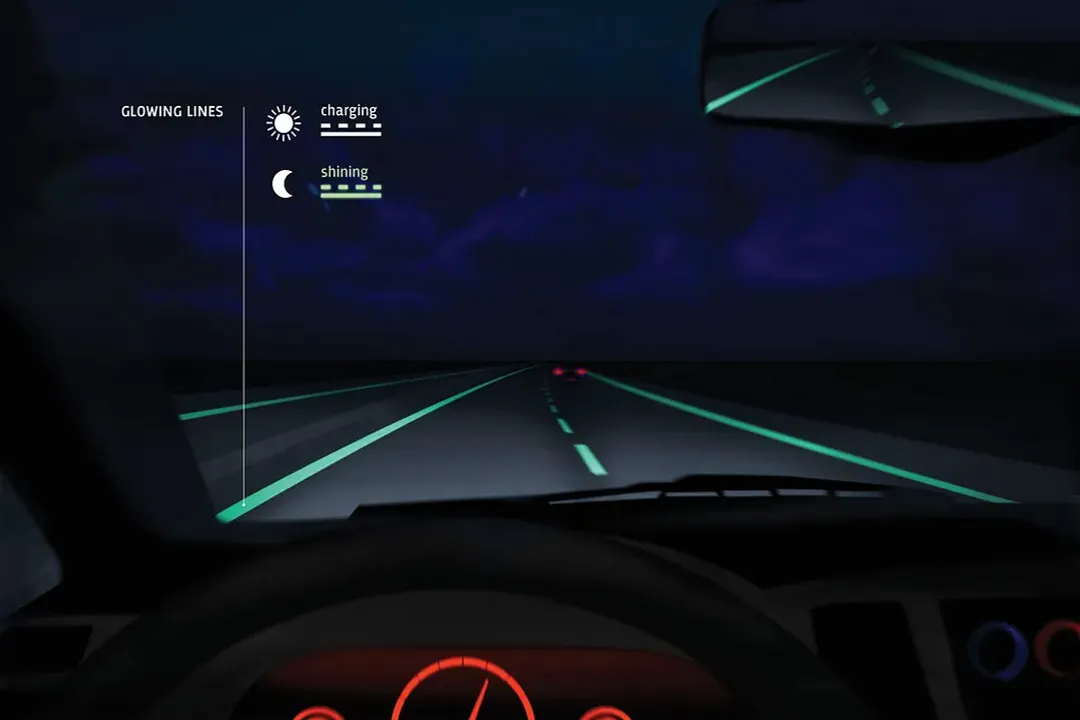
The story of who invented the intelligent highway isn't a simple matter of pointing to one person or one patent; rather, it’s a sprawling narrative of incremental breakthroughs, ambitious concepts that arrived far too soon, and the slow, steady merging of traffic management with advanced computing. To talk about an "intelligent highway" today means discussing complex systems that monitor traffic, adjust signals dynamically, and communicate with vehicles—a vision that required more than a century of foundational work in basic road safety and control.
# Early Signals
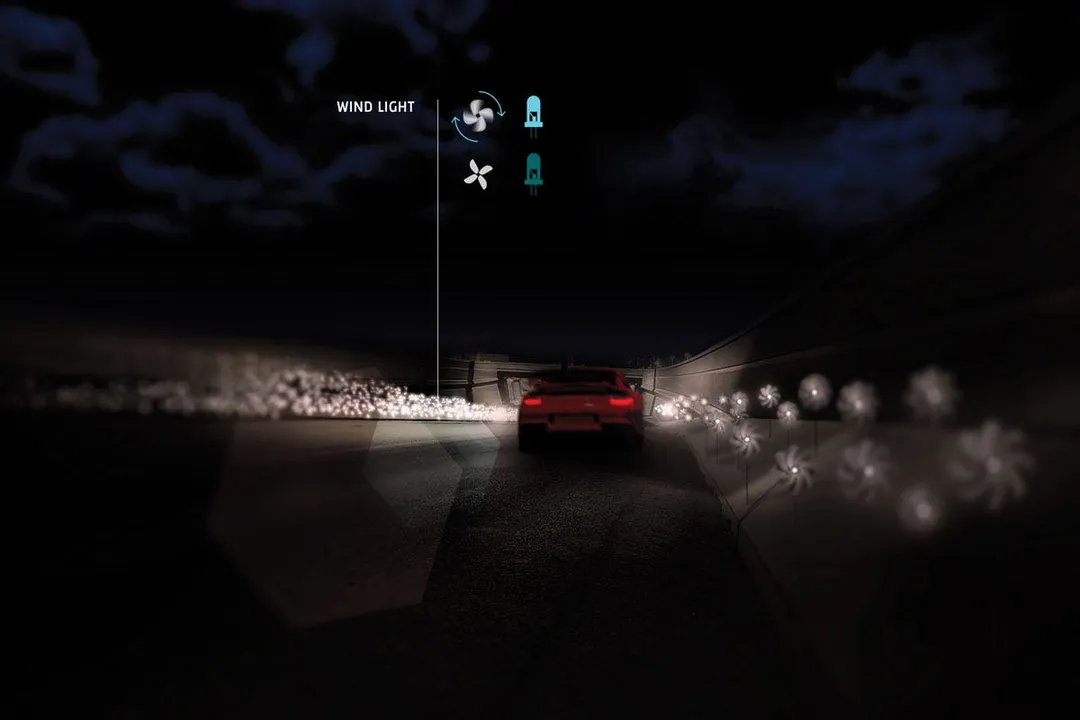
Long before satellites tracked every vehicle, the fundamental challenge was managing congestion and preventing simple, ground-level accidents. A critical piece of this puzzle came from Garrett Morgan. While not the inventor of the intelligent highway system, his contribution to traffic control was foundational. Morgan, known for his work on safety devices like the gas mask, recognized the need for a better signaling method than the simple two-way stops already in use. In 1923, he patented a T-shaped traffic signal standard that included a cautionary warning position, essentially creating the three-stage signal system we recognize today: stop, go, and prepare to stop. This system brought essential order to intersections, allowing for predictable movement that more advanced systems would later build upon. Morgan's device was a mechanical, passive step toward managing the flow of vehicles.
However, the idea of automated, intelligent control was brewing even earlier. Some conceptual work in automated traffic regulation stretches back nearly a century, suggesting that the very concept of anticipating and optimizing flow was intellectually present long before the technology could support it. These early visionaries envisioned systems that could manage traffic far more efficiently than human police officers or fixed-time signals, demonstrating a persistent, almost prophetic, desire for automated roadway governance. The gap between these early designs and their realization highlights how much infrastructure development—sensors, microprocessors, and high-speed communication—was necessary before these ideas could become reality.
# System Concepts

The modern framework for what we now call intelligent highways is generally categorized under Intelligent Transportation Systems (ITS). ITS represents a broad field that integrates communication, electronics, and information processing into transportation infrastructure and vehicles. This is where the concept moves decisively from mechanical signals to data-driven networks.
Research institutions and government bodies began seriously framing these concepts decades ago. For instance, studies and working groups, even at the county level, were discussing the deployment of these advanced systems, acknowledging the need for sophisticated data handling and communication protocols to make them effective. The vision underpinning ITS is to improve safety, enhance mobility, and reduce environmental impact by treating the entire road network as a responsive system rather than a collection of individual, disconnected segments.
The complexity of these systems means that "invention" shifts from a single device to the creation of the system architecture itself. One area where technology transfer plays a significant role is in sensor development. Concepts originating from space exploration, for example, have spun off technologies applicable to monitoring road conditions or vehicle speeds. Research funded by agencies like NASA has resulted in innovations that can be adapted for ground transportation needs, providing the eyes and ears for any true intelligent system. This cross-pollination of high-level engineering expertise is a hallmark of how advanced infrastructure is developed.

# Early Deployment Milestones
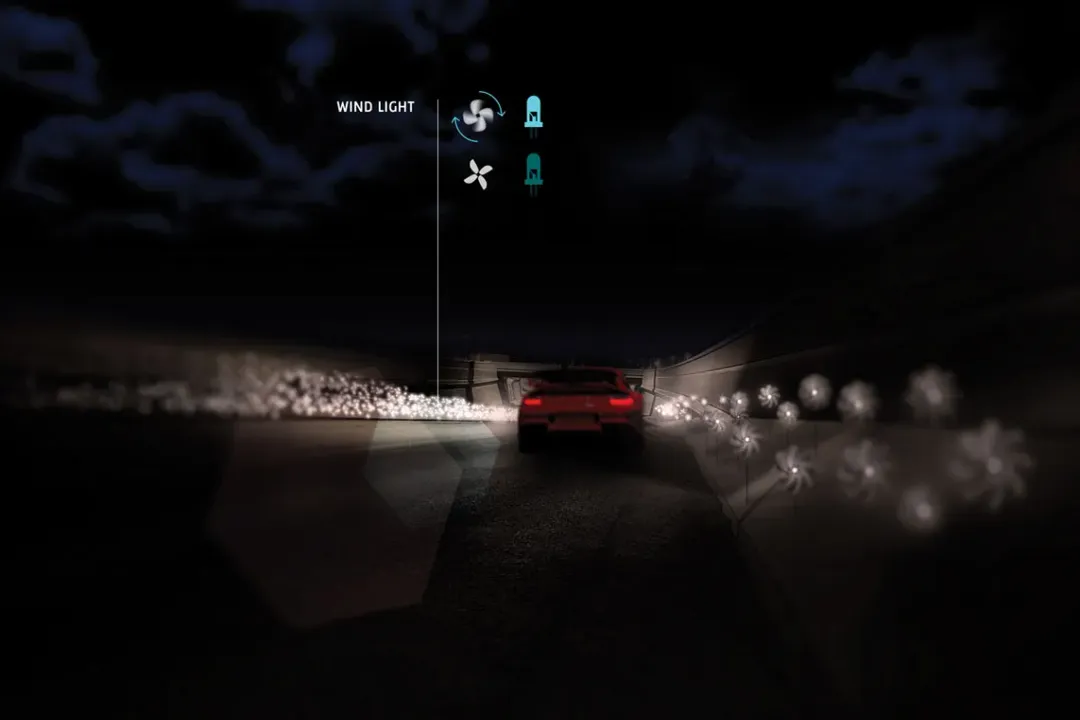
The transition from theory to physical roads saw tangible projects emerge in the early 1990s. Reports from that era indicate that the first iterations of what were explicitly called "smart highways" were being planned for deployment around 1993. These early efforts were often focused on specific sections of road or major urban corridors, testing the viability of real-time data collection and two-way communication between roadside equipment and vehicles.
These initial deployments likely involved rudimentary communication methods compared to today's standards, perhaps relying on magnetic loops embedded in the pavement or early forms of dedicated short-range communication (DSRC). It is interesting to note that the initial focus was often on demonstrating capability—proving that the concept could work on a busy stretch of asphalt—rather than achieving widespread, national interoperability. A practical challenge at this stage was deciding what the minimum viable intelligence looked like; did it need to control speed, or just warn drivers of congestion ahead? Early projects often had to choose one or two problems to solve before tackling the whole integrated environment.
The initial rollout suggests a staggered approach to adoption. It makes sense that specific, high-congestion corridors, perhaps around major metropolitan areas or critical interstate junctions, would receive this expensive, cutting-edge treatment first. Think of it like an early 1990s trial where the goal wasn't to make every mile of I-95 "smart," but to prove that a 10-mile stretch around a major city could reduce rush-hour delays by a measurable percentage.
# Defining "Intelligence" in Roadways
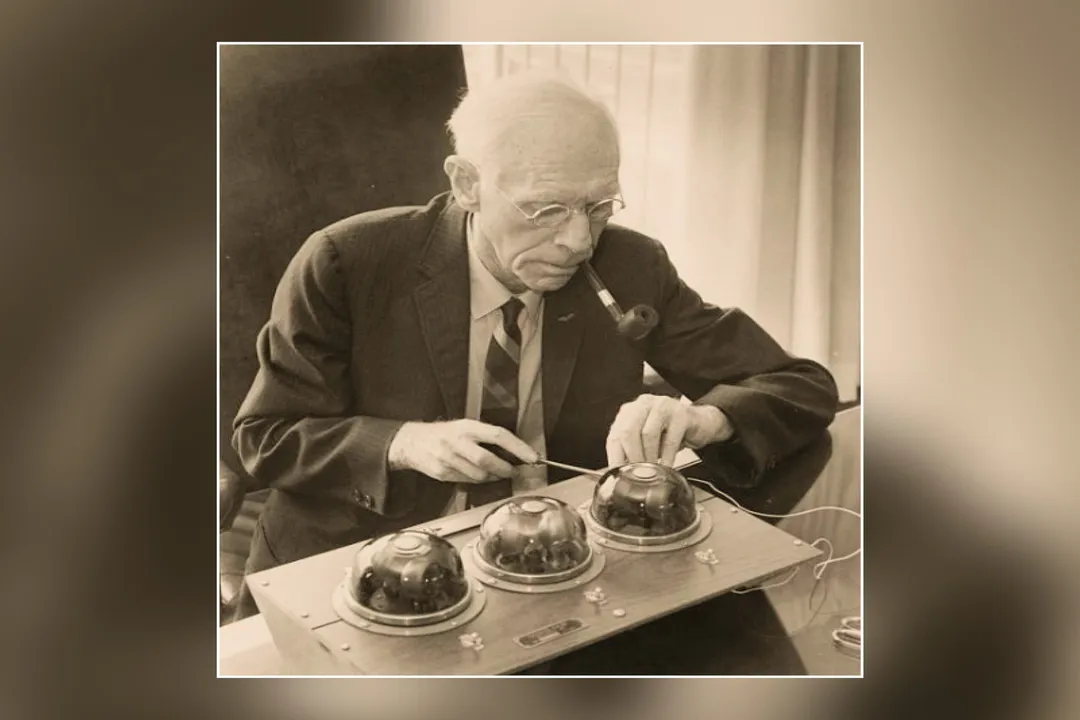
The distinction between a "smart" highway and a "modern" highway can sometimes feel blurred, but at its core, intelligence implies adaptability based on immediate, perceived conditions, rather than pre-programmed timing. A modern highway might have electronic signs, but if those signs are on a fixed timer, the road isn't truly intelligent.
True intelligence requires:
- Sensing: Gathering data on traffic density, speed, weather, and incident reports.
- Processing: Analyzing this data instantly to determine the optimal response.
- Actuation: Changing the environment—modifying speed limits, closing lanes, or rerouting traffic electronically.
When we compare Morgan’s mechanical signal—which only reacted to a fixed sequence—to a modern ITS, the difference is the feedback loop. Morgan’s invention was a controller; an intelligent highway is a networked organism. The true measure of success for the pioneers in this field, whether they were the computer scientists designing the algorithms or the engineers installing the roadside units, was achieving that responsive loop.
For example, an advanced system can dynamically implement ramp metering, adjusting the rate at which cars enter the main highway based on current mainline speeds. If the main highway is clear, the ramp meter might allow a car through every few seconds. If the highway is heavily congested, that rate can slow to one car every 15 seconds, deliberately creating a small artificial slowdown on the ramp to prevent a catastrophic, system-wide gridlock. This counter-intuitive act—slowing people down to speed everyone up—is the essence of system intelligence.
Here is a snapshot comparing the evolution of traffic control elements:
| Feature | Pre-Intelligent System | Early ITS (1990s Testbeds) | Modern Intelligent Highway (ITS) |
|---|---|---|---|
| Signal Control | Fixed timing (e.g., 60 sec green/red) | Simple sensor loops triggering timed changes | Dynamic, predictive modeling based on real-time flow |
| Information Display | Static signs, physical flags | Electronic Message Boards (EMBs) displaying static alerts | Variable Speed Limits (VSL), personalized navigation data |
| Communication | None (after the signal changes) | One-way broadcast from roadside units | Vehicle-to-Infrastructure (V2I) two-way communication |
| Response to Incidents | Police dispatch, slow manual diversion | Alerting traffic centers, static advisory messages | Automatic rerouting suggestions, lane closures initiated within seconds |
# The Unsung Inventors of Infrastructure
While figures like Morgan provided the mechanical foundation, the intellectual invention of the intelligent highway belongs to the legions of researchers, electrical engineers, and transportation planners who created the standards and algorithms that govern ITS. The work done at major research centers is critical here. These weren't singular inventors but collaborative teams that had to solve problems across multiple disciplines simultaneously. They had to account for physics, computer science, political jurisdiction, and public acceptance all at once.
It takes a unique kind of foresight to design a system meant to remain flexible for decades. The early ITS pioneers had to design for obsolescence—knowing that the sensors and communication protocols they installed in the 1990s would be outdated by the 2010s, yet the underlying infrastructure (conduits, power, placement) needed to last. This long-term planning, which anticipates future technological jumps, is a key, often overlooked, aspect of invention in infrastructure. You aren't just inventing the now; you are inventing the next thirty years of upgrade paths.
One of the less heralded aspects of this invention is the standardization required for adoption. A single "smart highway" is a neat experiment, but a national network of them requires universal protocols. The National Intelligent Transportation Systems Joint Program Office, for instance, represents a massive effort not to invent the hardware, but to invent the rules that allow all the different hardware pieces—from different manufacturers, in different states—to talk to each other effectively. This is perhaps the least glamorous but most essential intellectual creation behind the intelligent highway concept.
# Deepening the Concept: Data and Driver Behavior
The shift from mechanical control to data-driven control forces us to consider human psychology. An original insight here relates to the concept of information credibility in early systems. When those first electronic signs appeared, drivers were naturally skeptical. If a sign flashed "Accident Ahead, Slow Down," but the road looked clear, drivers might ignore it, effectively "training" the system to be ignored. The invention of the intelligent highway, therefore, required not just engineering smarter hardware, but also developing trustworthy information delivery. Early testing had to include metrics on driver response latency and compliance rates, not just throughput improvement. If the system couldn't earn driver trust quickly, its ability to manage flow was severely undermined, regardless of how perfect the underlying algorithms were.
Another area where invention is ongoing involves the interplay between the highway itself and the driver's personal device. While early ITS focused on roadside equipment communicating with vehicle tags (V2I), the modern landscape is dominated by smartphone apps providing navigation and real-time data. This creates a fascinating dual-system: the official smart highway network managed by DOTs and the shadow network managed by commercial mapping applications. The real inventor of the most effective traffic mitigation today might be the company that successfully aggregates and visualizes this public and private data most effectively for the end-user. For instance, a DOT might know a lane is blocked, but if Google Maps or Waze notifies 50,000 drivers instantly, the real-time impact management happens outside the government’s direct communication sphere.
To illustrate the necessary data translation, consider the concept of performance metrics. A traditional engineer measured success by asphalt quality or pavement life. An intelligent highway engineer must measure success in bits per second of data transfer, mean time to detect an anomaly, and percentage reduction in stop-and-go cycles. This required the invention of entirely new engineering disciplines focused on the information flow across the road network.

# The Ongoing Evolution
The development of the intelligent highway has not concluded. It is currently evolving into fully connected and automated vehicle environments. The current generation of research focuses on integrating V2X (Vehicle-to-Everything) communication, allowing cars to talk to each other (V2V) as well as to the infrastructure (V2I).
The true legacy of the "inventors" of intelligent highways—from Morgan in the 1920s to the ITS researchers of the 1990s—is the creation of a platform for continuous innovation. They built the digital pathways and conceptual scaffolding upon which self-driving technology will eventually operate. The man who invented the first automated traffic control a century ago may have failed because the roads were not ready for his idea, but his failure informed the next steps, pushing engineers to create solutions that could be introduced slowly and incrementally, ensuring that each new piece of technology—from a better traffic light to a sophisticated predictive algorithm—could be integrated without requiring a complete dismantling of the entire system.
This iterative approach, where foundational safety (Morgan) meets advanced computation (ITS), is the defining characteristic of the intelligent highway's development. The "invention" isn't a single device to be patented, but a commitment to perpetual, data-informed refinement of movement, ensuring that as the number of vehicles grows, the efficiency and safety of the shared road space do not necessarily have to degrade.
#Videos
Futuristic highways glow in the dark - Daan Roosegaarde ... - YouTube
Related Questions
#Citations
The Man Who Invented Intelligent Traffic Control a Century Too Early
Safer Stop and Go: Garrett Morgan's Traffic Signal Legacy | FHWA
How a Smart Traffic Control System Can Signal Success on the Roads
Intelligent Highway System - NASA Spinoff
Intelligent Transportation Systems
[PDF] History of Intelligent Transportation Systems (ITS)
Futuristic highways glow in the dark - Daan Roosegaarde ... - YouTube
First 'Smart' Highways Set for 1993 - The New York Times
Smart Highway. In Interactive Architecture: Adaptive… | by PA Press