Who invented digital biomarkers?
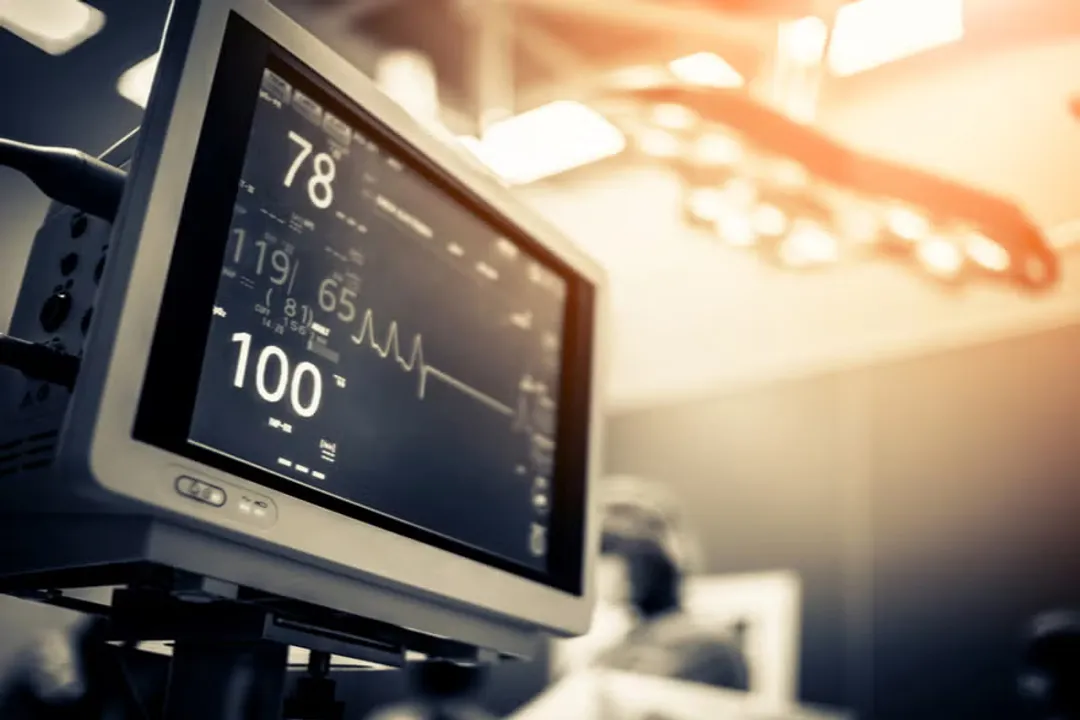
The concept of tracking measurable biological characteristics outside of a lab setting didn't spring forth fully formed; rather, it evolved from decades of scientific measurement, culminating in the digital era. When we seek the originator of the digital biomarker, we are less likely to find a single patent or a solitary Eureka moment and more likely to discover a convergence of needs from clinical research, sensor technology, and data science. [7][5] A biomarker, in its most basic sense, is an objectively measured indicator of some biological state or condition, like blood pressure or cholesterol levels. [4] The digital iteration simply swaps the clinical visit or lab test for continuous, passive data collection using personal electronics. [9]
# Defining Terms
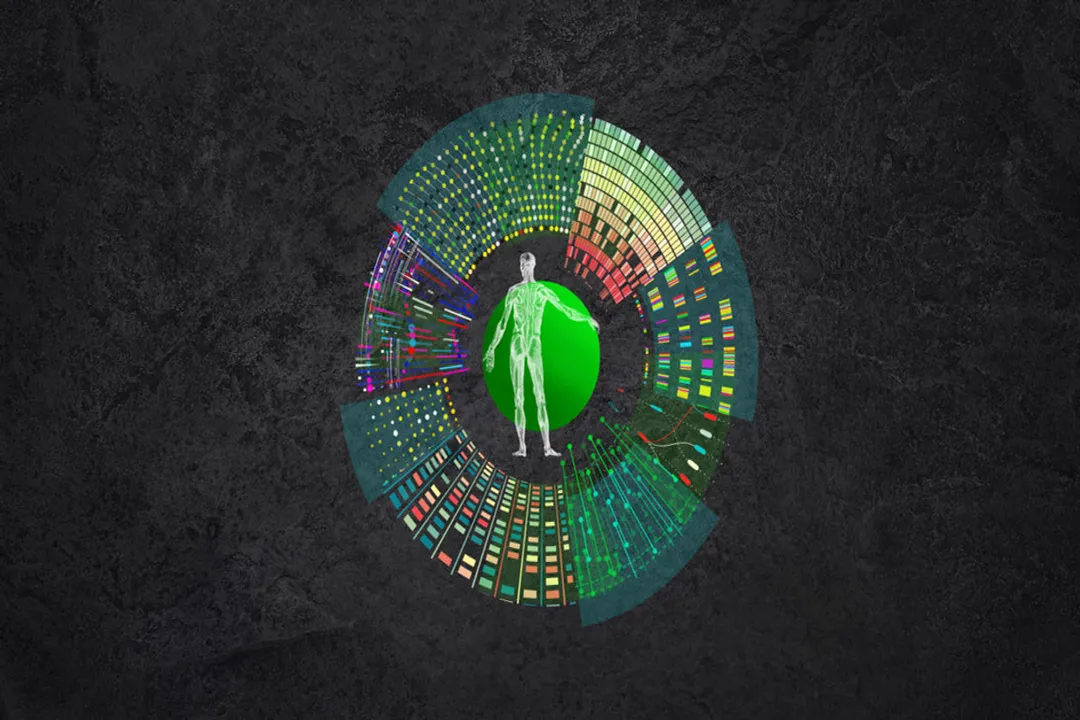
The transition from the static biomarker to the dynamic digital one requires careful distinction. A traditional biomarker is often a snapshot taken at a specific moment, requiring a dedicated test or physical examination. [4] Conversely, a digital biomarker is derived from data collected and measured by personal digital devices—smartphones, wearables, or connected medical devices—capturing behavior and physiology in real-world settings. [5][1] This capability fundamentally changed how health data is acquired, moving from intermittent sampling to continuous observation. [9]
The related term, digital phenotyping, offers another layer of context. While digital biomarkers are focused on measuring specific, quantifiable health endpoints (e.g., sleep efficiency score, walking speed), digital phenotyping is broader, involving the objective measurement of human behavior and engagement derived from personal digital devices to support health and medical assessment. [1] In essence, digital phenotyping is the method of continuously gathering high-frequency behavioral data, which then generates specific, quantifiable digital biomarkers. [1] For instance, the raw data on how often a smartphone is picked up is part of the phenotype; the derived metric—the average time between unlocks per hour—could function as a digital biomarker for restlessness or attention deficit. [6] Understanding this relationship is key to tracing the concept's lineage, as early work often focused on the data collection method (phenotyping) before formalizing the quantifiable output (biomarker). [6]
# Early Foundations
To understand the invention of digital biomarkers, one must look back at the earliest integration of technology into physiological monitoring. While the term "digital biomarker" gained traction in the 2010s, the technological precursor—the push for remote and continuous patient monitoring—has much deeper roots. [7] Researchers in the fields of psychology and behavioral science were already exploring how technology could passively capture real-world activity long before smartphones became ubiquitous. [1] This early research, often involving specialized sensors or custom-built environmental monitoring systems, laid the groundwork for recognizing that behavior is data. [5]
One crucial evolutionary step involved defining the needs of the pharmaceutical industry. The desire for more sensitive and objective measures of drug efficacy, especially in areas like neurology and psychiatry where patient-reported outcomes can be subjective, drove early interest in high-fidelity, objective data collection. [10][7] Pharmaceutical technology timelines frequently mark key regulatory discussions around remote monitoring as markers of progress toward formalizing these digital metrics. [7] It was not just about can we measure it, but will this measurement be accepted in a clinical trial or regulatory submission. [7]
An interesting point in the evolution is the shift in trust. Traditional biomarkers carry inherent authority because they are validated laboratory standards. For a digital measurement to gain traction, the underlying sensor and algorithm must achieve a comparable level of rigorous validation, essentially requiring the tech stack itself to become a validated instrument rather than just a passive recorder. [5] This need for standardized validation is perhaps the most significant hurdle faced by the "inventors" in establishing the practice.
# Formalizing the Concept
The term "digital biomarker" appears to have crystallized as researchers and industry leaders recognized the potential for smartphones and wearables to move beyond simple fitness tracking into validated clinical endpoints. [3] While an exact moment of coining the term is elusive across various publications, the early-to-mid 2010s saw an explosion in literature attempting to define, classify, and standardize this new class of measurements. [1][3] Several foundational papers from this era sought to differentiate these in-the-wild measures from traditional lab results, pushing for acceptance in regulatory pathways. [10]
The landscape of research fields contributing to this is broad, involving informatics, psychology, engineering, and regulatory science. [2] Reviewing the early editorial boards of journals dedicated to mobile health (mHealth) or digital health—which often overlap with the earliest adopters of the term—can reveal the thought leaders who were shaping the initial scope. [1][2] These early proponents were instrumental in establishing the academic authority necessary for the concept to move from a novel idea to a recognized category of medical evidence. [2] For example, recognizing the difference between passive data collection (like passive GPS tracking for mobility assessment) and active data collection (like using a reaction time test on an app) was a critical early delineation necessary for the field to mature. [6]
# Data and Development Milestones
The maturation of the field can be tracked through specific application milestones, many of which relied on technologies that existed well before they were formally termed "digital biomarkers." Consider gait analysis: traditional systems used instrumented walkways in controlled labs. The digital equivalent, using an accelerometer in a phone to track stride length and velocity during daily walks, provides far richer, ecologically valid data. [5]
Here is a simplified view of how the development accelerated, showing the convergence of technology and need:
| Era | Primary Driver | Key Technological Shift | Example Measurement |
|---|---|---|---|
| Pre-2000s | Clinical Research Needs | Specialized, proprietary sensors | Single-purpose heart rate monitors |
| 2000s–2010 | Mobile Computing Emergence | Ubiquitous smartphone sensors (GPS, Accelerometer) | Passive location tracking, step counts |
| 2010s–Present | Clinical Validation Focus | Machine learning integration, regulatory guidance | Sleep architecture from wearables, voice analysis for mood [3] |
This timeline illustrates that the invention wasn't in building the sensor, but in recognizing the clinical validity of the data stream generated by commonly available devices. [7] One area where this became sharply defined was in recognizing conditions like Parkinson's disease or depression, where subtle, continuous changes in motor function or social interaction could be better captured digitally than through infrequent clinic visits. [1][6] The development of tools that could process this raw data into clinically meaningful scores, often involving complex algorithms, represented a major step in turning raw input into a biomarker. [5]
# Insights into Adoption
The path to acceptance for any new measurement tool involves overcoming skepticism, a challenge amplified for digital tools due to concerns over privacy, data security, and algorithmic bias. [9] For digital biomarkers to be truly effective, the data collection must be consistent across diverse populations and environments—a significant engineering feat. [5]
One original consideration in the acceptance phase is the difference between measurement and decision support. Early digital data was often used for descriptive purposes—describing a patient's activity level. The true invention, or at least the critical advancement, arrived when these measurements were formally integrated into clinical trial endpoints or used to trigger an alert for a physician, thereby changing a medical decision. [3][9] When a company's digital measurement tool is recognized by prestigious lists, such as TIME's Best Inventions, it signals a societal, not just academic, validation that the measurement is reliable enough to impact care delivery or product development. [8]
Another important analytical angle involves the democratization of data collection. While traditional biomarkers often require specialized centers, the digital approach relies on an individual's device ownership and willingness to participate. [9] This introduces a non-clinical variable: digital equity. The "inventors" of the system must also account for the reality that a smartphone-derived biomarker is inherently biased towards individuals who own and use that technology, which can skew results when applied to broader patient populations unless carefully weighted or supplemented with traditional methods. [10] This tension between high-fidelity data capture and equitable access remains a defining feature of the field.
# Authority and Future Directions
The authority behind the continued development of digital biomarkers often resides in the people and institutions that govern their use and validation. [2][3] Organizations and individuals deeply involved in setting standards for mHealth and remote monitoring inherently shape what qualifies as a valid digital biomarker. [1] The ongoing work is less about who first recorded steps, and more about who successfully demonstrated that step velocity changes correlated with Alzheimer's progression with sufficient statistical power to satisfy regulatory bodies. [7]
Digital measurement is now viewed as the future trajectory of healthcare measurement, offering the potential to catch disease onset earlier and monitor chronic conditions more effectively than ever before. [9] The work of defining and implementing these measures is a shared, ongoing responsibility among clinicians, engineers, and regulatory scientists, ensuring that the convenience of digital capture does not compromise the rigor of clinical science. [2] The evolution continues as artificial intelligence refines raw data into increasingly precise and personalized digital biological signals. [3]
Related Questions
#Citations
Digital Biomarkers and Digital Phenotyping
Editorial Board | Digital Biomarkers - Karger Publishers
Convergence of digital health technologies and biomarkers - Nature
Biomarker - Wikipedia
An Introduction to the Foundation of Digital Biomarker Development
Traditional and Digital Biomarkers: Two Worlds Apart? - PMC - NIH
Digital Biomarkers: Timeline - Pharmaceutical Technology
TIME 100 Best Inventions SEO - Linus Health
Digital measurement and digital biomarkers | Deloitte Insights
[PDF] Digital Biomarkers: Engineering Tools for Personalized Health ...