Who invented brain fitness games?

The concept of systematically exercising the mind to maintain or improve cognitive function has permeated popular culture, leading millions to seek out specialized software and activities designed to keep their brains sharp. While many people associate "brain games" with handheld devices or mobile apps today, the path to this widespread industry involves decades of scientific inquiry, a few key commercial breakthroughs, and significant debate over efficacy. [1][9] Pinpointing a single inventor for the entire genre is difficult because the field emerged from overlapping research streams rather than a singular eureka moment. Instead, we must trace the lineage from laboratory-based cognitive training protocols to the products that captured the public imagination. [6]
# Cognitive Exercise
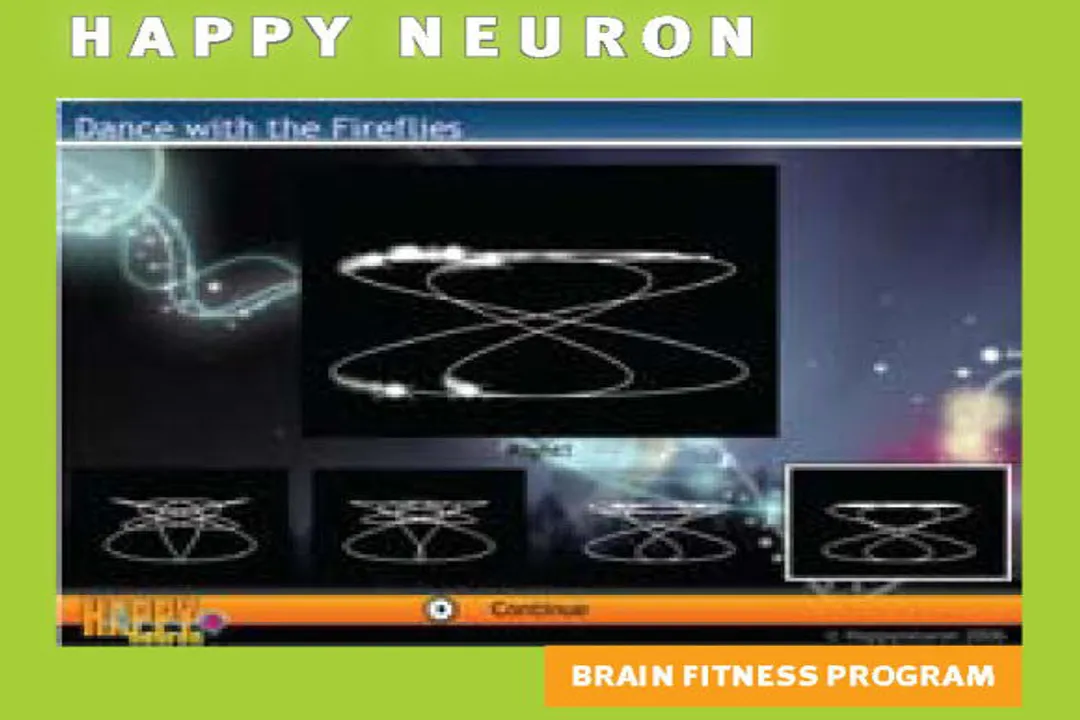
The intellectual roots of modern brain fitness lie deep within cognitive psychology and neuroscience research focused on understanding and treating deficits in memory, attention, and processing speed. [4][6] Scientists in academic settings have long designed computerized cognitive exercises, often with specific therapeutic or research goals in mind, such as helping individuals recover from brain injuries or slow age-related decline. [4][6] This early work was less about mass-market entertainment and more about rigorous study, aiming to see if targeted mental drills could produce measurable, lasting improvements in cognitive abilities. [6]
The scientific community’s interest often centered on concepts like transfer effects—whether practicing one specific skill (like reaction time) actually made you better at unrelated, everyday tasks. For decades, the general consensus among many researchers was skeptical; improvements often appeared limited to the specific task practiced in the lab environment. [8][9] The promise was that this could change, but the burden of proof remained high, creating a distinct gap between laboratory methodology and commercial claims. [6]
The development of digitized training meant that these cognitive tasks could be administered consistently, allowing researchers to track performance changes objectively over time. [4] This careful, methodical approach contrasted sharply with the subsequent commercial explosion that would prioritize accessibility and engagement over strict adherence to published research standards. [8]
# Market Demand

The modern obsession with proactively training the brain received a significant boost from demographic shifts and growing health anxieties, particularly among older generations. [5] Baby boomers, facing the prospect of retirement and increased longevity, began to express significant apprehension about cognitive decline and the specter of dementia. [5] This fear, combined with greater access to and comfort with personal technology, created a fertile market ready to embrace solutions promising mental longevity. [5]
This generation became a primary driver in what some observers called a "race to invent brain games" designed specifically to appeal to this growing demographic concerned with maintaining their mental acuity. [5] This market pressure encouraged the transition of often esoteric laboratory exercises into streamlined, engaging commercial products. [1] Companies saw an opportunity not just to sell software, but to sell peace of mind regarding age-related cognitive changes. [5]
One way to conceptualize this shift is by looking at the intended user base and the goal of the intervention:
| Intervention Type | Primary Developer | Initial Goal | Market Context |
|---|---|---|---|
| Academic Cognitive Training | Researchers/Clinicians | Documenting plasticity; treating deficits [4] | Controlled studies; low public visibility |
| Commercial Brain Fitness Games | Software Companies | Broad mental acuity maintenance; entertainment [9] | High public visibility; commercial sales |
This demand for accessible mental maintenance paved the way for a specific product to redefine the entire category in the eyes of the public. [1][5]
# The Mass Adoption Catalyst
While the technology and underlying concepts existed in research labs for years, the invention of brain fitness as a true mass-market phenomenon can often be traced to a specific software release that made complex cognitive tasks instantly intuitive for millions. [2] The game Brain Age: Train Your Brain in Minutes a Day!, released for the Nintendo DS console, served as the cultural watershed moment. [2]
Brain Age, developed based on the work of Japanese neuroscientist Dr. Ryuta Kawashima, focused on a set of simple, fast-paced mental arithmetic and memory tasks. [2] Its success was immediate and dramatic, selling millions of copies globally and bringing the concept of "brain training" out of specialized publications and into mainstream living rooms. [2] The genius of Brain Age wasn't necessarily in pioneering a new cognitive theory, but in packaging existing, validated, or at least plausible drills into a highly accessible, portable, and engaging package supported by a trusted hardware platform. [2] This product demonstrated that a large consumer base was willing to adopt daily brain exercises if they were simple to understand and offered immediate, quantifiable feedback. [1]
Following this breakthrough, the landscape rapidly diversified. We saw the proliferation of "brain gyms," physical or virtual locations dedicated to offering various computerized cognitive exercises, further solidifying the idea that mental fitness required dedicated practice centers or dedicated software regimens. [3]
# Scientific Scrutiny
The immense commercial success following the Brain Age phenomenon also intensified scientific scrutiny and public skepticism. When computerized cognitive exercise became big business, its claims came under intense review by independent researchers. [9] Critics pointed out that while users might become exceptionally good at the specific subtests within a commercial game, demonstrating a genuine, durable improvement in daily life—the true measure of success—was far more elusive. [8]
Some researchers argued that the marketing of these commercial products often outpaced the scientific evidence supporting their generalized benefits. [9] For instance, a common critique leveled against many programs was that they suffered from a severe lack of far transfer, meaning the skills learned did not transfer to untrained tasks or real-world scenarios. [8] The results were often criticized as merely training people to be faster at taking the brain game tests themselves, rather than creating a smarter, more capable general intellect. [8] The New Yorker went so far as to label many brain games as "bogus" based on the limited evidence for broad cognitive enhancement. [8]
This difference in focus—the commercial drive for broad claims versus the scientific demand for demonstrable transfer—created a long-standing tension in the field. It is important for consumers to recognize that the highly engaging, gamified experience provided by popular software does not automatically equate to the rigor of a controlled scientific study. [6] The inventor of the concept of cognitive training is likely a collection of academic researchers, but the inventor of the successful commercial model is likely tied to the team that packaged Brain Age so effectively. [2]

# Decoding Commercial Claims
Understanding the landscape requires distinguishing between what the academic research hopes to achieve and what the consumer market sells. Academic work often focuses on specific domains like executive function or processing speed, using carefully calibrated difficulty levels derived from experimental designs. [4][6] Commercial games, conversely, often aim for a wider appeal, sometimes focusing on areas like memory or attention that resonate immediately with fears of aging. [5]
For someone looking to derive real value from these tools, an original insight derived from comparing these approaches is that the best self-directed cognitive exercise isn't necessarily the one with the highest production value, but the one that pushes you just outside your current comfort zone in a measurable way. If a game feels easy after a week, it is likely reinforcing existing skills rather than building new ones. The key scientific principle that commercial games often attempt to capture is adaptive difficulty. [4] A truly effective program, whether in a lab or on a phone, must constantly adjust its challenge to keep the user engaged at the edge of their ability, ensuring that the brain is sufficiently taxed to promote change.
Another useful comparison for readers lies in recognizing why certain tasks are included. For example, while arithmetic drills like those in Brain Age improve calculation speed, [2] they may have limited impact on, say, complex visual-spatial reasoning. A consumer assessing a new brain game might benefit from applying a simple checklist derived from the varied approaches seen in the market:
- Specificity Check: Does this game target a skill I actually want to improve (e.g., sustained attention) or just one that is fun to measure (e.g., number recall)?[4]
- Difficulty Check: Does the game automatically increase in difficulty as I get better, or does it let me coast on easy wins?[4]
- Real-World Context: Can I imagine applying the quick reaction time I gain here to a more complex task, or is it purely mechanical?[8]
The commercial industry, fueled by market interest from groups like baby boomers wary of cognitive decline, certainly succeeded in creating a massive business around these mental workouts. [5][9] The ongoing debate is whether the invention was the science of training or the invention of the mass-market product that convinced millions to participate daily. [1][2]
# The Industry Ecosystem
The development of brain fitness games isn't just about one inventor; it involves a continuous ecosystem of developers, researchers, and enthusiastic consumers. By the late 2000s, even as the initial hype cycle began to calm down, computerized cognitive exercise remained a significant industry. [1][9] Companies continued to invest heavily, attempting to bridge the gap between lab-validated science and marketable software. [6] This involved attempting to secure research partnerships or at least present their products with a veneer of scientific backing to maintain consumer trust. [9]
Some companies and researchers have championed specific protocols that they argue do show significant transfer effects, often focusing on broader domains like processing speed, which is a fundamental aspect of cognitive health that declines with age. [5] The discussion shifts from if the games work to which games work, and for whom they work best. [4] The rise of accessible technology meant that while the foundational ideas came from academic inquiry, the delivery mechanism that defined the modern genre came from the convergence of software engineering and powerful consumer electronics. [2]
Ultimately, the story of who invented brain fitness games is a story of dual origins: the slow, methodical invention occurring in university labs aimed at understanding the brain, and the rapid, commercially driven invention that packaged those concepts into a compelling daily habit for millions seeking assurance about their future mental health. [1][5][6] The actual "inventor" is less a single person and more a chronological layering of scientific understanding onto market opportunity.
Related Questions
#Citations
Boom times for brain training games - CNN.com
Brain Age - Wikipedia
Which Way to the Brain Gym? » the nerve blog - Boston University
Mind games: do they work? - PMC - NIH
Dementia-Dreading Baby Boomers Spur Race to Invent Brain Games
Building games to train the brain - American Psychological Association
Brain Games, with Dr. Susanne Jaeggi and Dr. Aaron Seitz
Brain Games are Bogus | The New Yorker
Can Mental Fitness Games Whip Your Brain Into Shape?