Who built the first gasoline-driven motor vehicle in America?
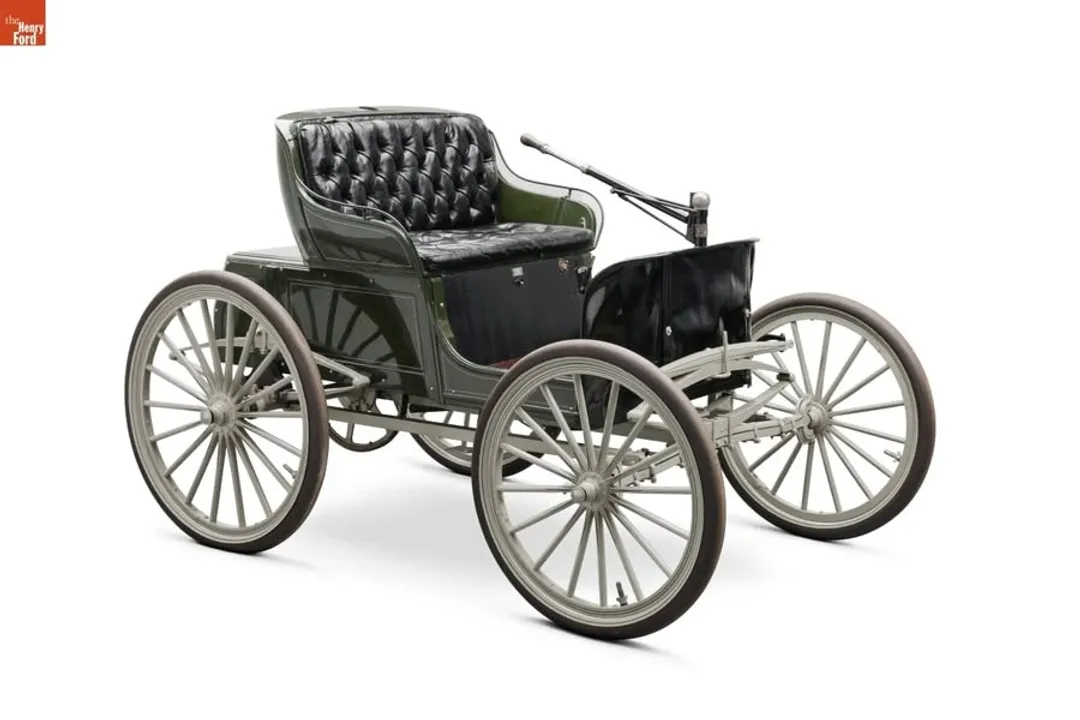
The creation of the first gasoline-driven motor vehicle in the United States is a story centered firmly on two brothers working in Springfield, Massachusetts: Charles and Frank Duryea. [1][5] While automobiles powered by steam or electricity had earlier proponents, the Duryeas are recognized for successfully developing and operating the first vehicle powered by an internal combustion gasoline engine on American soil. [2][8] This landmark achievement wasn't a single, sudden announcement but rather a process involving construction, testing, and eventual commercialization spanning several years. [3]
# The Springfield Machine
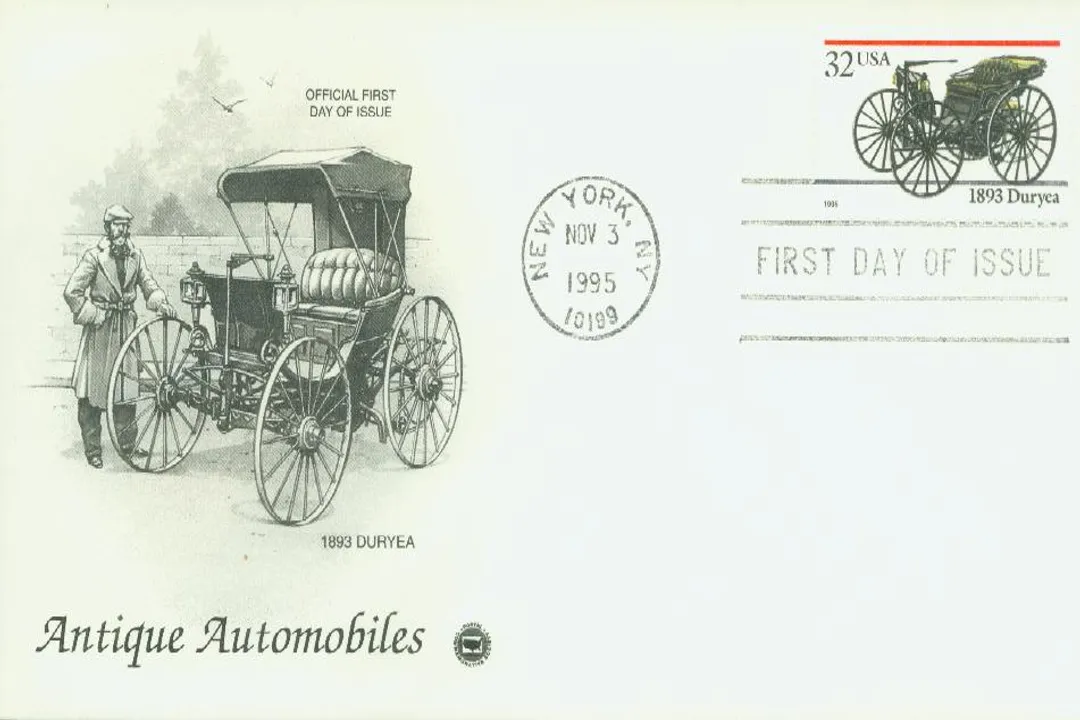
The Duryea brothers began their work on an independent gasoline-powered vehicle in 1893. [3] Charles, the elder brother, was a bicycle mechanic, and Frank was an engineer. [5] Their ambition was to create a machine that could move under its own power without relying on steam boilers or electric batteries. [1] They built their first self-propelled vehicle in a machine shop in Springfield, Massachusetts. [5]
This initial creation, sometimes referred to as the Buggyaut, was a light phaeton-style vehicle. [2] It utilized a single-cylinder gasoline engine that they designed and built themselves. [1] The design was rudimentary by later standards, but revolutionary for its time in America. [2] The process of bringing such a complex machine to life in 1893 required immense ingenuity, especially considering the limited availability of pre-made automotive components. Imagine the challenge: sourcing or machining specialized parts for an engine that, by its very nature, required precision tolerances, all while balancing the needs of a fledgling business to keep operating costs down. [5] This forced self-reliance in component creation often sets these early pioneers apart from later manufacturers who benefited from established supply chains. [3]
# First Road Test
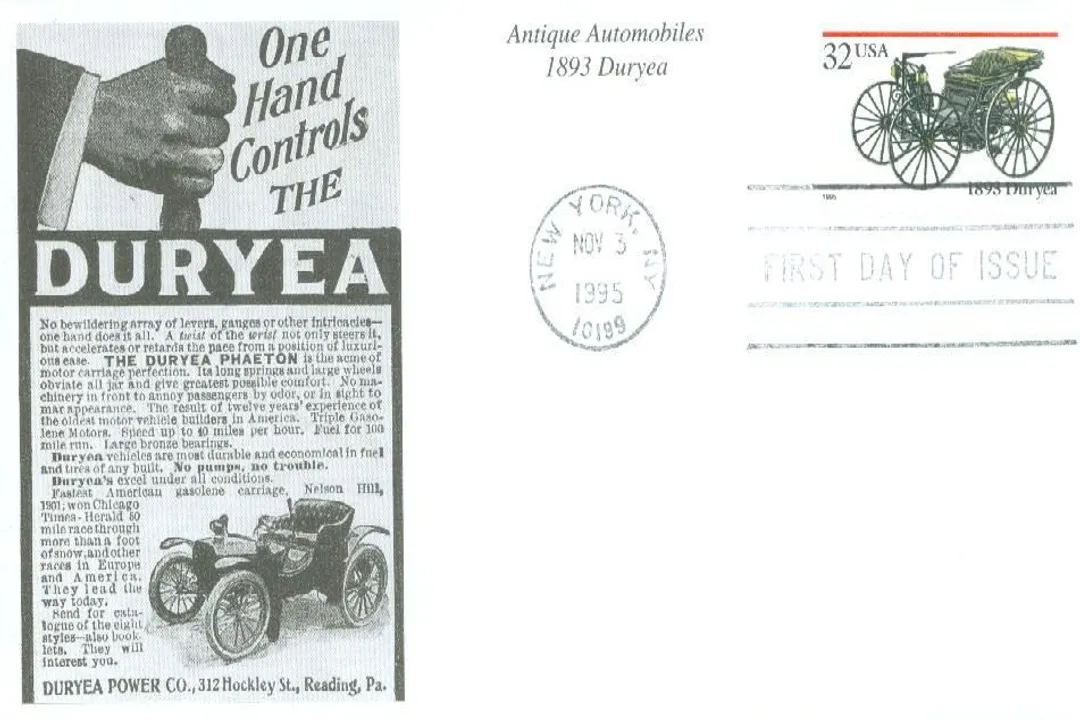
The date often cited for the successful operation of the Duryea vehicle marks the true commencement of the American automobile age. The brothers reportedly drove their machine for the first time on November 28, 1893, in Springfield, Massachusetts. [1][8] This test run validated their experimental work, proving that the gasoline engine could successfully propel a road vehicle in the United States. [1][7] While some historical records point to different significant dates related to early mechanical milestones, the November 28, 1893, drive stands as the functional demonstration of the first American gasoline automobile. [1][7]
It is worth noting the span between the initial construction and the recognized first drive. Building a functional, gasoline-powered automobile from scratch—including the engine—is a process fraught with mechanical adjustments and debugging. The time elapsed between starting the project and that successful inaugural drive reflects the iterative nature of early invention, where the theory was sound, but the execution required persistent mechanical refinement. [3]
# Securing the Invention
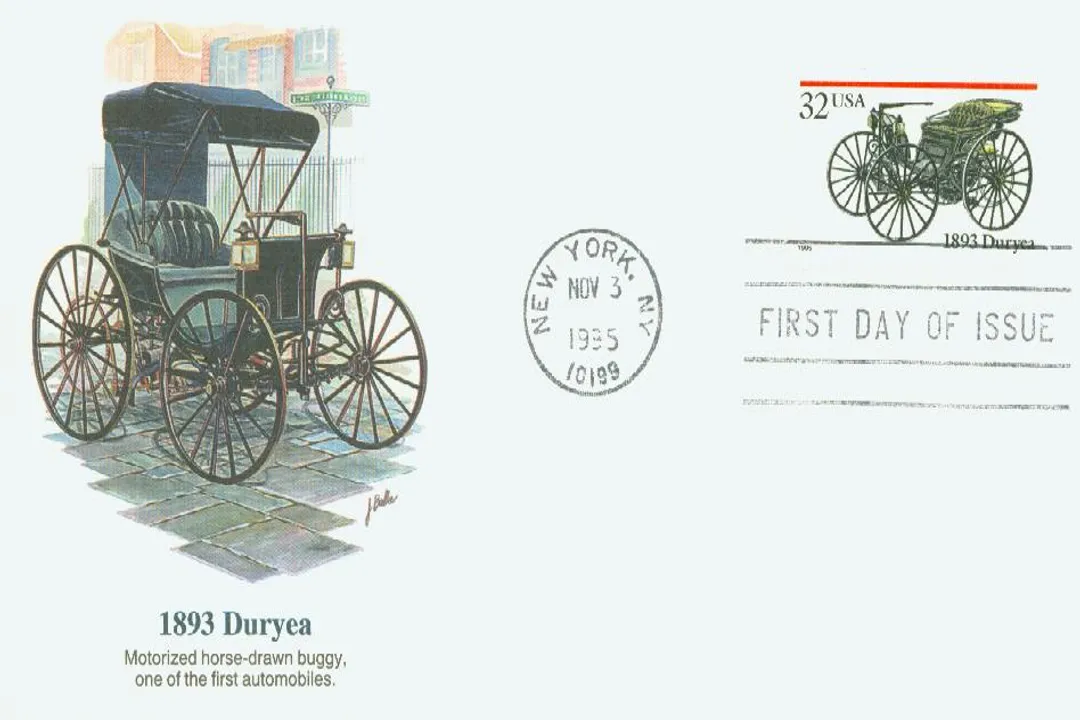
While the physical operation proved the concept, securing the intellectual property soon followed. The true recognition of Charles Duryea’s pioneering engineering came on June 11, 1895, when he was granted the first US patent for a gasoline-powered automobile. [4] This patent was crucial, offering legal protection for their specific design and configuration, which separated their invention from earlier, less commercially viable steam or electric concepts. [4]
This gap between the 1893 road test and the 1895 patent is fascinating when viewed through a business lens. The two years allowed the brothers to not only refine the machine but also perhaps to secure the necessary documentation and claims required for a formal patent filing, transforming an experimental success into a recognized industrial asset. [4] This deliberate pace highlights a crucial transition: the jump from being inventors showcasing a unique machine to becoming entrepreneurs seeking to establish a new industry standard. [9]
# Founding the Company
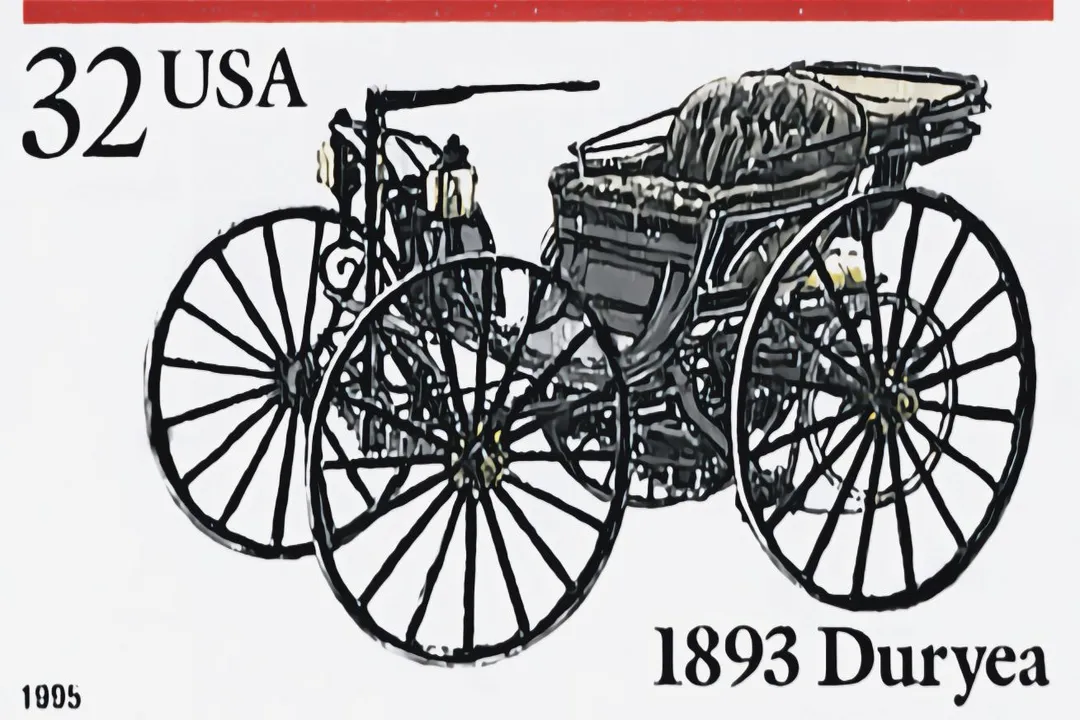
The brothers did not rest on the success of their prototype or their eventual patent. Seeing the potential, they moved to formalize their efforts. [3] In 1895, the Duryea brothers established the Duryea Motor Wagon Company. [3][9] This action officially transitioned them from individual mechanics experimenting in a shop to America's first car company. [3]
The Duryea Motor Wagon Company was dedicated to building and selling gasoline automobiles, distinguishing them from contemporaries who might have only built one-off experimental models. [2][9] Their first commercial vehicle, built in 1896, was the first gasoline automobile sold in the United States. [3] This distinction—the first built vehicle versus the first sold vehicle—is important context for understanding the overall achievement of the Duryeas; they managed to cross the gap from prototype to product relatively quickly, paving the way for mass motorization. [3][9]

# Early Competition and Context
While the Duryea brothers hold the title for the first gasoline-driven vehicle, it is important to acknowledge that the American automotive landscape was a competitive, if nascent, field. [2] The definition of "first" often depends on the specific criteria: first steam car, first electric car, or first gasoline car. [1] For instance, vehicles powered by steam had been demonstrated years earlier, and electric vehicles were already finding niche uses in urban environments. [1] However, the internal combustion engine, running on gasoline, proved to be the technology that would ultimately define personal transportation worldwide, making the Duryea achievement the true genesis of the modern automobile industry in the US. [2][8]
It is worth considering that for a period, there were numerous concepts being tested concurrently. The very fact that a quest existed to "bring America's first gas-powered automobile back to life" decades later shows the historical significance attached to the machine created in Springfield. [5] Restoring a relic like this allows historians and enthusiasts to physically connect with the engineering compromises and triumphs of that era. [5]
The legacy of the Duryea brothers extends beyond that single 1893 machine. They were instrumental in proving the viability of the gasoline automobile on a commercial scale, transitioning the concept from an inventor's curiosity to a tangible product that Americans could actually purchase. [3][9]
| Milestone | Date | Significance | Source Reference |
|---|---|---|---|
| First Gasoline Vehicle Built/Driven | November 28, 1893 | Successful operation of the prototype in Springfield, MA. [1][8] | [1][8] |
| First US Gasoline Auto Patent | June 11, 1895 | Legal protection granted to Charles Duryea. [4] | [4] |
| Company Formation | 1895 | Establishment of the Duryea Motor Wagon Company. [3][9] | [3][9] |
| First Commercial Sale | 1896 | The first gasoline automobile sold in the US. [3] | [3] |
The establishment of their company in 1895 effectively marked the transition from the age of experimental mechanical novelties to the age of the automobile manufacturer. [9] By the close of the 19th century, the Duryeas had achieved what others had only dreamed of: manufacturing a gasoline-powered automobile that was available for purchase by the public, setting the standard for the next century of transportation innovation in America. [2][3]
#Videos
1893, Duryea Brothers Motor Wagon, Oldest Photographs - YouTube
Related Questions
#Citations
The first gasoline-powered automobile in the USA - Herald-Zeitung
The first American car | Classic American Magazine
DURYEA: America's First Car Company - Peoria Riverfront Museum
on June 11th, 1895, the first US patent for a gasoline-powered ...
The Quest To Bring America's First Gas Powered Automobile Back ...
1893, Duryea Brothers Motor Wagon, Oldest Photographs - YouTube
Duryea Brothers Test-Drive America's First Gas-Powered Car
The Duryea Motor Wagon Was the First Gasoline Engine Car in ...
America's First Automobile Race, 1895 - EyeWitness to History