What year was the first motor bike made?
The search for the machine that first combined two wheels with an internal combustion engine inevitably leads to a specific date, though the answer isn't always as simple as one single year. Determining the first motorized two-wheeled vehicle requires us to carefully define what we mean by "motor bike." Was it the first steam-powered two-wheeler? The first vehicle with an engine bolted onto an existing bicycle frame? Or the first purpose-built machine that truly resembled the motorcycle we recognize today? The consensus among historians often points toward a German invention, but earlier attempts certainly paved the way.
# Early Power
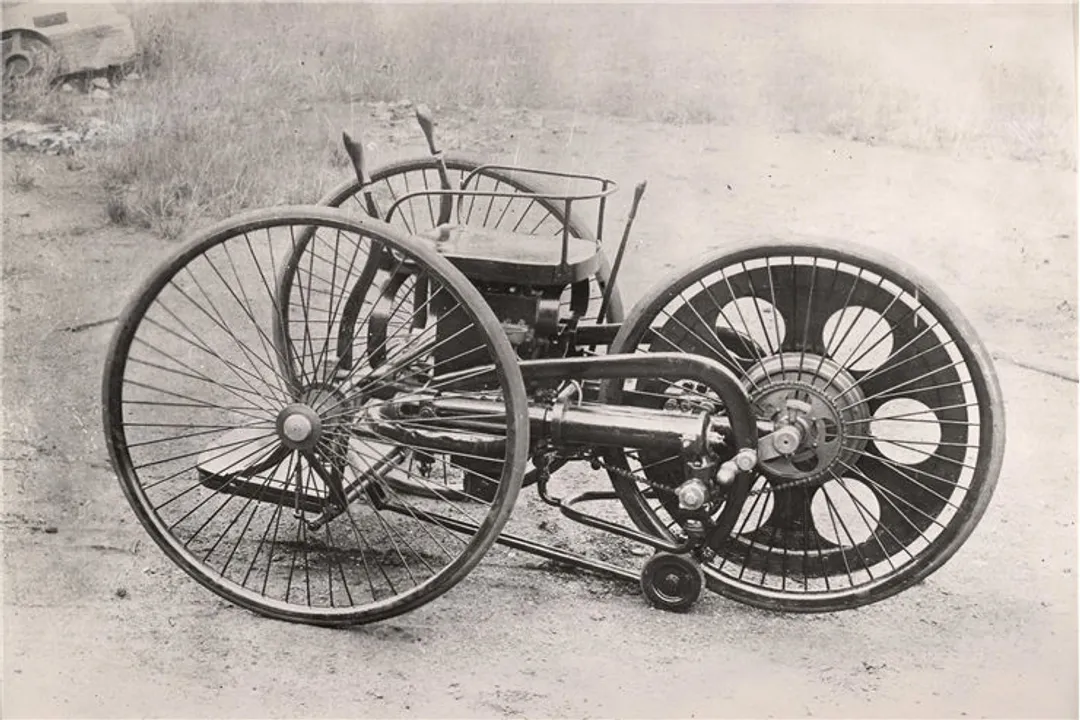
Before the age of gasoline and precision engineering took hold, inventors experimented with steam power on two wheels. These early forays into motorized personal transport often resulted in unwieldy, heavy contraptions, sometimes bordering on novelties rather than practical transport. One intriguing, albeit lesser-known, predecessor mentioned in historical records is a machine dated around 1867. While this vehicle certainly moved under its own power and had two wheels, it relied on steam, which is fundamentally different from the compact, lightweight internal combustion engines that would define the motorcycle industry moving forward. These early steam cycles were significant conceptually—they proved that self-propulsion on two wheels was physically possible—but they lacked the efficiency and portability required for mass appeal.
# The Defining Machine
When most enthusiasts and historians discuss the genesis of the modern motorcycle, they converge on the year 1885. This is the year that Gottlieb Daimler and his partner, Wilhelm Maybach, created what is widely regarded as the first true motorcycle: the Daimler Reitwagen (riding car). The significance of this machine lies not just in its self-propulsion, but in the engine it carried.
The Reitwagen was propelled by a purpose-built, single-cylinder, four-stroke engine that ran on petroleum spirit. This engine was revolutionary in its own right, often cited as the first practical gasoline engine. While the frame was made primarily of wood—earning it the nickname Holzrad (wood wheel)—it was deliberately designed around the engine, making it the first motorcycle rather than a motorized bicycle. It possessed two wheels and was intended for riding, fulfilling the basic criteria for a motorcycle. Daimler and Maybach were testing their new engine technology, and the two-wheeled vehicle was simply the most efficient platform to carry it and test its performance.
It is fascinating to consider the primitive nature of this machine compared to its descendants. The 1885 Reitwagen produced only about one horsepower. Imagine today's 200-horsepower superbikes next to this humble, wooden-framed ancestor that could likely manage little more than a brisk walking pace. That single horsepower, however, was the spark that ignited an entirely new category of personal transportation, proving that a lightweight, powerful engine could overcome the natural instability of a two-wheeled vehicle.
# Conflicting Timelines
Despite the strong historical backing for the 1885 Reitwagen, the path to the "first" title is often muddied by differing definitions and historical accounts, leading to the appearance of other dates, such as 1890, in discussions. Some of this confusion stems from the rapid development that followed Daimler’s success. While the Reitwagen was a testbed, it wasn't immediately commercialized. Other manufacturers began applying engines to existing bicycle designs almost immediately after, creating what were arguably the first production motorized bicycles, even if they weren't the original purpose-built machine.
If one defines a "motor bike" strictly as a commercially available, two-wheeled vehicle powered by an internal combustion engine intended for public use, then the timeline shifts slightly later than 1885, which was primarily a laboratory or test vehicle. For instance, the Hildebrand & Wolfmüller motorcycle, introduced a few years later, is often recognized as the first production motorcycle. These subsequent models adopted metal frames and much more refined features, moving the concept from an engineering prototype to a saleable item.
The year 1890 might surface in some circles because it represents the period when several European inventors were actively adapting existing cycling technology with newly developed engines, accelerating the realization of personal, motorized transport. However, when judging the initial conceptual breakthrough—the creation of a machine specifically designed around the new gasoline engine technology to run on two wheels—1885 remains the touchstone year.
# Design Evolution
The very structure of the Reitwagen highlights a key distinction that continues through motorcycle history: the relationship between the frame and the engine. The Reitwagen used its wooden frame almost as a cradle for the engine, which was centrally mounted between the wheels. This setup immediately established the template for a motorcycle rather than a motorized bicycle, where an engine is often added as an aftermarket component to an existing diamond-frame bicycle.
The early development was heavily influenced by the existing bicycle technology of the time. When Daimler and Maybach conceived of their device, they naturally utilized the simplest, most proven platform available to carry their engine—a running gear with two wheels. They sidestepped the complexity of developing an entirely new chassis from scratch, instead focusing their innovation entirely on the powerplant.
An insightful observation about this era is that the primary engineering challenge shifted dramatically once the engine was functional. With steam power, the difficulty was miniaturization and weight management; with the Reitwagen’s four-stroke engine, the challenge immediately became control. A reliable engine is useless if the rider cannot balance, steer, and stop it effectively. This necessitated engineering solutions for steering stability and braking that went far beyond the simple requirements of a pedal-powered bicycle, pushing early manufacturers toward metal construction and improved mechanical linkages that would define the next decade of development.
# Establishing a Machine Standard
To put the 1885 achievement into context, let’s look at a brief comparison of key milestones in early motorized personal transport:
| Year | Vehicle/Event | Power Source | Significance |
|---|---|---|---|
| c. 1867 | Steam-powered attempts | Steam | Proved two-wheeled motion possible |
| 1885 | Daimler Reitwagen | Gasoline (4-stroke) | First purpose-built motorcycle prototype |
| Post-1885 | Motorized Bicycles | Gasoline | Rapid application of engines to existing frames |
| c. 1894 | Hildebrand & Wolfmüller | Gasoline | First commercially produced motorcycle |
This table underscores why 1885 carries the most weight. It represents the moment of synthesis: combining the proven two-wheel chassis concept with the revolutionary internal combustion engine in a dedicated design. Other dates mark important steps—the steam pioneers showed possibility, and the 1894 models showed commerce—but 1885 showed inception.
# The Legacy of the Testbed
The Reitwagen was never intended for long-term sales; it was a mobile test stand. However, its existence immediately spurred the competition to catch up. Once Daimler demonstrated that a practical, lightweight engine could propel a rider at speed, the race was on. Manufacturers across Europe recognized that the market for personal, affordable motorized transport was imminent.
This initial success also highlighted the need for better materials and structural integrity. The wooden frame of the Reitwagen, while effective for testing the engine, was inherently fragile and susceptible to vibration and wear. The next logical progression, seen in vehicles a few years later, involved replacing wood with steel tubing, creating the rigid frames necessary to handle the increased speeds and power outputs that inventors were already striving for.
The very concept of the motorcycle, as something separate from an automobile or a motorized bicycle, was solidified by this initial, simple wooden machine. It established the primary constraint and defining feature of the form: balancing a compact engine on two wheels for personal, relatively high-speed travel. In examining the early efforts, it becomes clear that the year the first motor bike was made depends entirely on whether you value the first application of power (steam, c. 1867), the first purpose-built gasoline prototype (1885), or the first item sold commercially (c. 1894). For the invention of the motorcycle as an engineering concept, however, the machine built by Daimler and Maybach in 1885 stands as the definitive starting line.
Related Questions
#Citations
History of the motorcycle
The first ever made motorcycle is generally credited to ...
Timeline of Motorcycles - Bicycle History
The first motorcycle 1867
History of the Motorcycle
What year was the first motorcycle, the 'riding car' built, ...