Who made the first sewing needle?
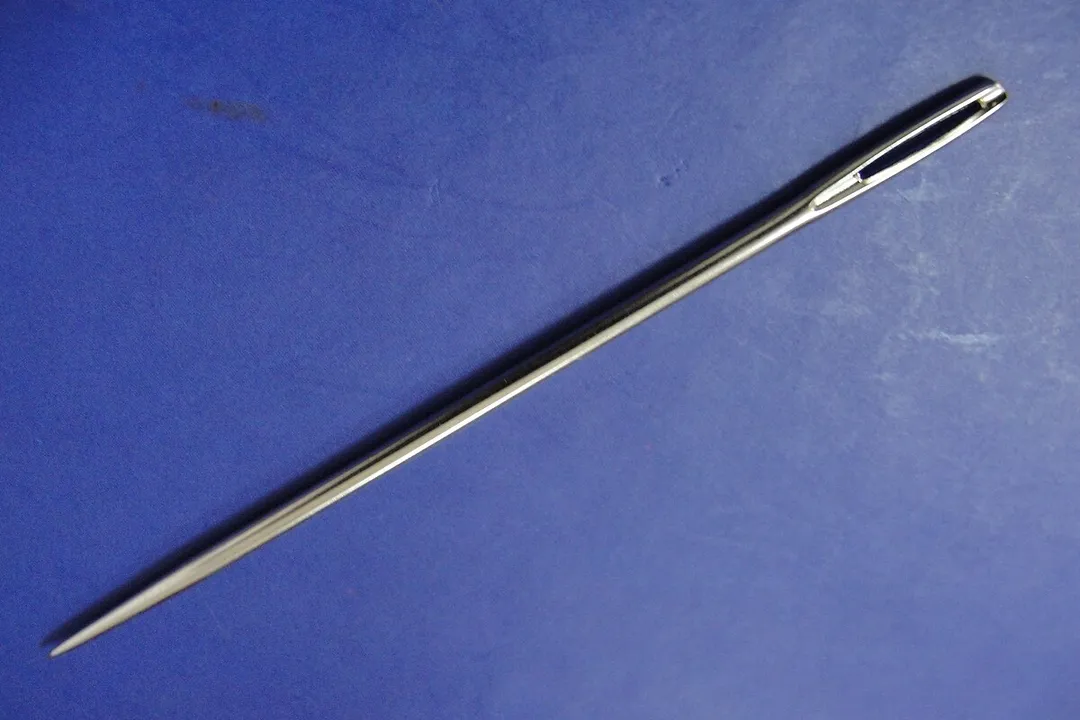
The creation of the sewing needle predates written history, meaning the identity of the individual—or more accurately, the craftsman—responsible for that singular invention is lost to the deep currents of the Paleolithic era. What remains is a fascinating archaeological trail marked by bone fragments and antler points, showing humanity’s persistent need to fasten materials together for warmth, protection, and adornment. [1][5] These first implements were not elegant tools of fine steel, but rather necessary modifications of available natural resources, marking a profound cognitive leap in material culture. [5]
# Ancient Origins
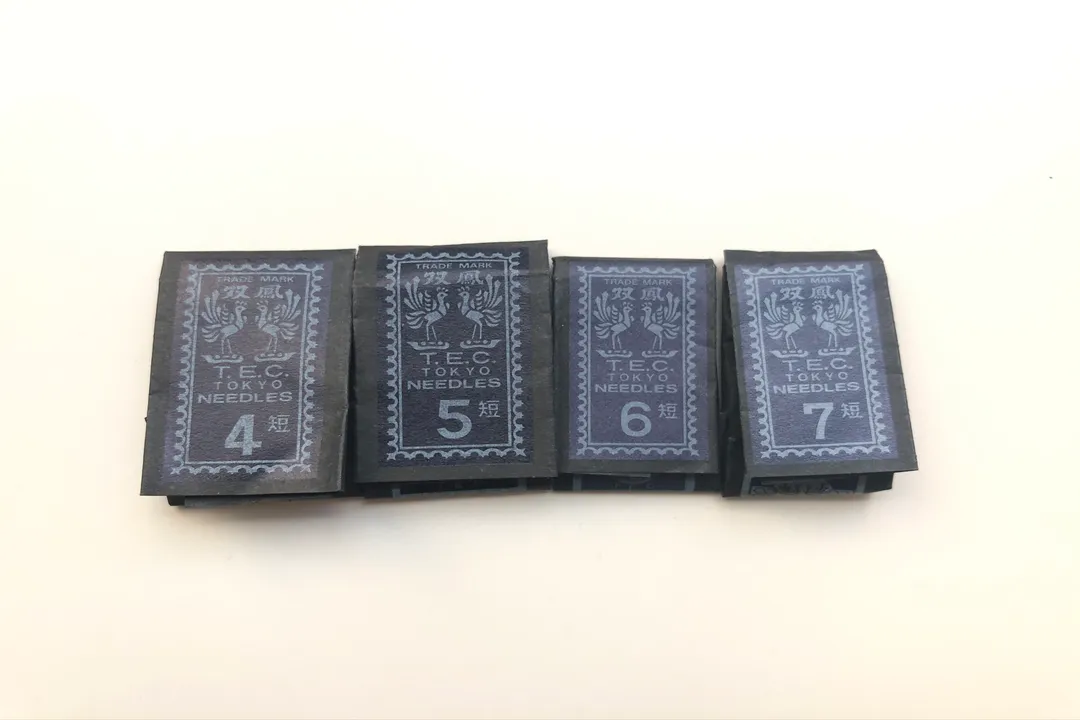
The earliest known examples of what we can confidently classify as a sewing needle date back tens of thousands of years. [1] Archaeological evidence suggests that these essential tools were in use as far back as 60,000 years ago, or perhaps slightly later, around 50,000 to 30,000 years ago, depending on the site findings. [1][5] These prehistoric needles were almost exclusively fashioned from organic materials—primarily bone, ivory, or antler. [1][3][5]
The process for creating one of these ancient needles was arduous and required significant skill. A craftsman would first select a suitable piece of bone or antler, often a long, straight splinter. [5] This material was then painstakingly shaped, likely using abrasive stones or sharp flint tools, to create a slender shaft. [5] The final, critical step was piercing the eye, which allowed a thread, perhaps made of twisted animal sinew or plant fiber, to be attached. [5] This act of creating an eye into hard material demonstrates a sophistication in material manipulation that distinguishes these pieces from simple piercing awls. [1]
Some sources suggest that even earlier, rudimentary sewing implements might have existed made from things like thorns or sharpened pieces of wood, but these organic materials rarely survive the millennia to be cataloged by archaeologists. [5] The durable nature of bone and ivory is what preserved the tangible evidence of this crucial technological advance. [1][5]
# Material Progression
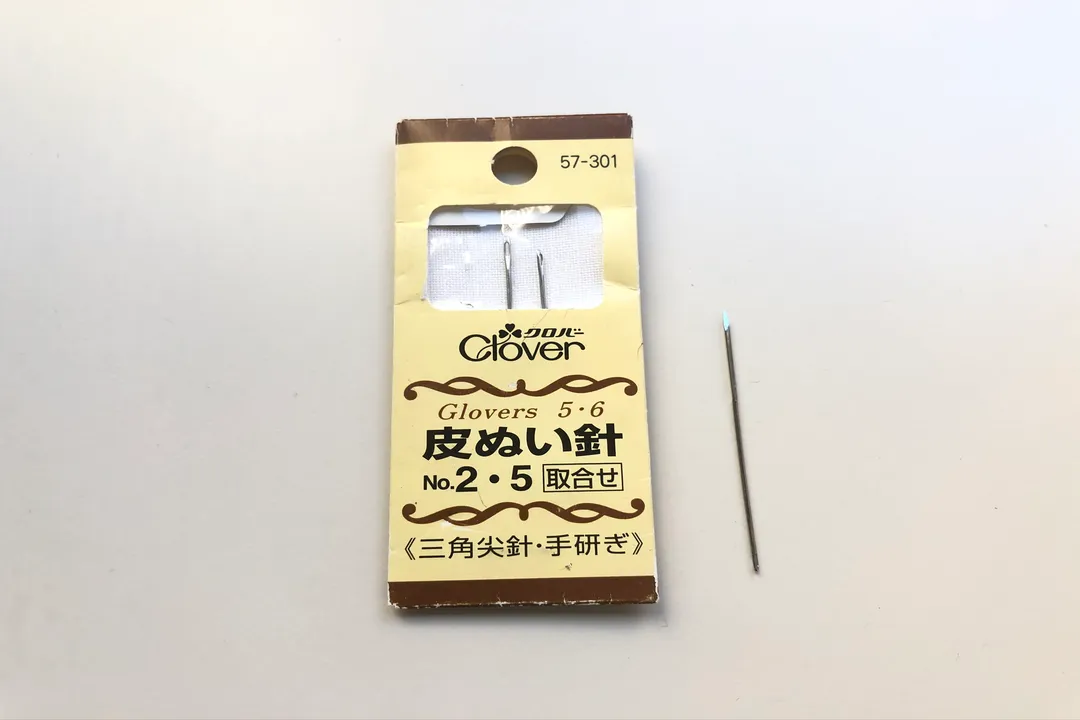
The shift from organic materials to metal represents the next major evolutionary step in needle design, occurring much later in human technological development. [2][6] While bone needles were effective, they had limitations, particularly regarding strength and the fineness of the point achievable. [3]
As metallurgy developed, artisans began experimenting with metals. Early examples of metal needles, often made from bronze or iron, began appearing in archaeological records later than the oldest bone specimens. [6] The introduction of metal allowed for needles that could maintain a sharper point for longer periods and penetrate thicker materials, such as heavy hides, more efficiently. [2]
Consider the material constraints: early needle makers had to contend with material brittleness. Drilling a hole through bone or ivory without fracturing the shaft required a level of fine motor control and understanding of material stress likely far exceeding that of general stone tool knappers. This suggests the very first needle-maker, perhaps 60,000 years ago, belonged to a specialized subset of toolmakers, setting them apart from the general population of early Homo sapiens. [5]
The transition wasn't immediate or universal. For centuries, bone and metal needles likely coexisted, each suited for different tasks. While iron and steel offered superior strength, the early bone needles possessed a subtle advantage in flexibility, allowing them to better accommodate the slight stresses and twists that happen when hand-sewing thick, uneven animal hides—a failure mode that the first, perhaps overly rigid, metal needles might have encountered more frequently before the eye design was perfected. [3]

# Eye Placement Changes
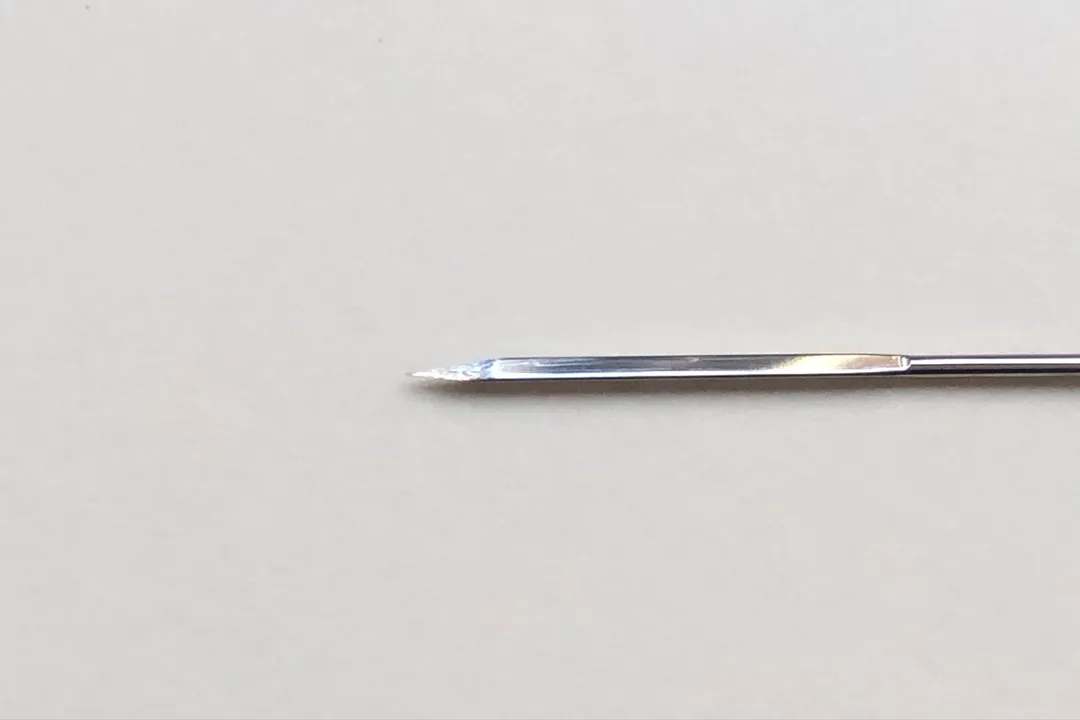
A fascinating detail in the evolution of the needle is the change in the placement of the eye. [1] In the oldest known needles, such as those found from the Paleolithic period, the eye was often placed near the point of the needle. [1][3] This configuration meant that as the needle pulled the thread through the material, the thread followed the sharp point closely, which could be advantageous in certain stitching techniques but sometimes led to the thread catching or fraying against the material being sewn. [3]
Over time, especially with the advent of standardized metal needles, the design evolved to the configuration we recognize today: the eye is placed at the blunt end, opposite the sharpened point. [1][3] This change significantly improved the sewing experience. Placing the eye at the end allows the thread to exit the material cleanly behind the point, reducing friction and wear on the thread itself as it is pulled through the fabric or leather. [3] This design shift is crucial; it represents an optimization based on accumulated experience, likely informed by generations of trial and error among leatherworkers and early textile producers. [7]
# Craftsmanship Before Mass Production
Before the Industrial Revolution, needle making was an intensely specialized and often secretive trade. [2] Whether crafting them from bone or early metals, the maker was not merely an assembler but a dedicated artisan. [2]
In the medieval and early modern periods, metal needle workshops, particularly in areas like Redditch, England, became centers of expertise. [2] The process involved drawing out metal rods into fine wire, a task that required tremendous physical effort and precise control over the heat and hammering process. [2] The wire had to be carefully pointed, and then the eye punched, filed, and smoothed—all by hand. [2] The quality of the needle was entirely dependent on the smith’s individual skill; no two handmade needles would have been perfectly identical in temper or finish. [2]
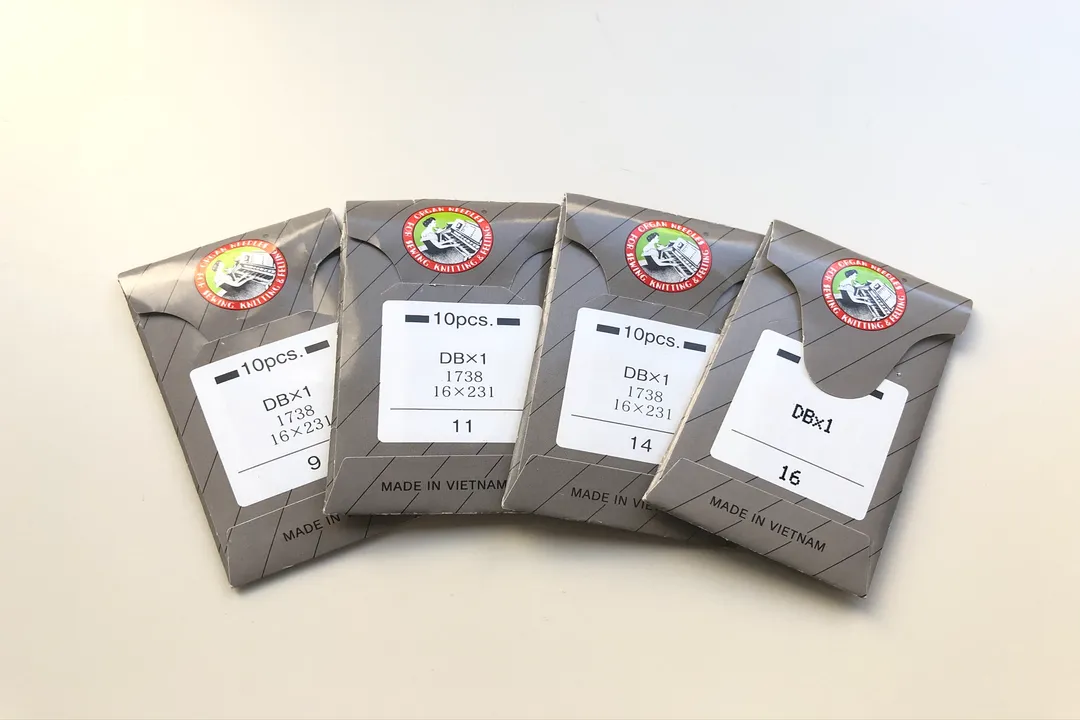
This pre-industrial manufacturing reality contrasts sharply with the later mechanical age. For instance, when Elias Howe received his patent for the lockstitch sewing machine in the mid-19th century, his innovation centered on the machine itself, but this machine required a specific type of needle—one with the eye at the point, fundamentally different from the traditional hand-sewing needle. [9][10] Howe’s design was necessary for mechanized, rapid sewing, but it was still dependent on the fundamental concept of a sharpened, pierced implement refined over millennia by anonymous hands. [10]
Here is a simplified comparison of the historical material evolution:
| Era/Material | Primary Material(s) | Key Advantage | Typical Limitation |
|---|---|---|---|
| Prehistoric | Bone, Antler, Ivory | Availability; ease of modification with stone tools | Low strength; large eye placement near point |
| Early Metal Age | Bronze, Early Iron | Increased strength; finer points achievable | Potential brittleness; required specialized metalworking |
| Industrial Age | Steel | Consistency; high strength; mass production capability | Less flexibility than organic materials |
| Modern | Hardened Steel Alloys | Precision, durability, specialized tips/eyes | None significant for intended use |
# Answering the "Who"
Ultimately, the answer to "Who made the first sewing needle?" is not a name like Elias Howe or a specific date in the 19th century, but rather a profound acknowledgment of prehistoric innovation. [1][5] The first person to successfully pierce a piece of bone or antler with a precise hole—creating a functional tool capable of drawing a thread through material to create a durable seam—was an unknown, highly skilled individual living somewhere between 60,000 and 30,000 years ago. [1][5] This anonymous craftsperson stood at the beginning of a lineage of textile workers, tailors, and inventors whose continuous refinements eventually led to the machine needles we use today. [6][9] They were the originators of a technique that allowed early humans to adapt more effectively to diverse and challenging environments by creating superior clothing and shelters. [2]
#Videos
History of Sewing Needles for Embroidery and More - YouTube
Related Questions
#Citations
Sewing needle - Wikipedia
The Sewing Needle: A History through 16-19th Centuries. - NGV
Needle History – SCHMETZneedles
History of Sewing Needles for Embroidery and More - YouTube
The History of Sewing Part 1: Inventing the Sewing Needle (60,000 ...
History of Sewing Needles – Their Types and Uses
[PDF] Backstitch: A Brief History of Needles, Bobbins and Stitches
Museum Bulletin | Ancient Needles
Elias Howe's Dream | artisticalchemyblog - WordPress.com
An Eye for an Eye: A VERY Brief History of the Sewing Needle