What component did John Logie Baird's mechanical television system use to scan and reconstruct images?
Answer
A spinning Nipkow disc
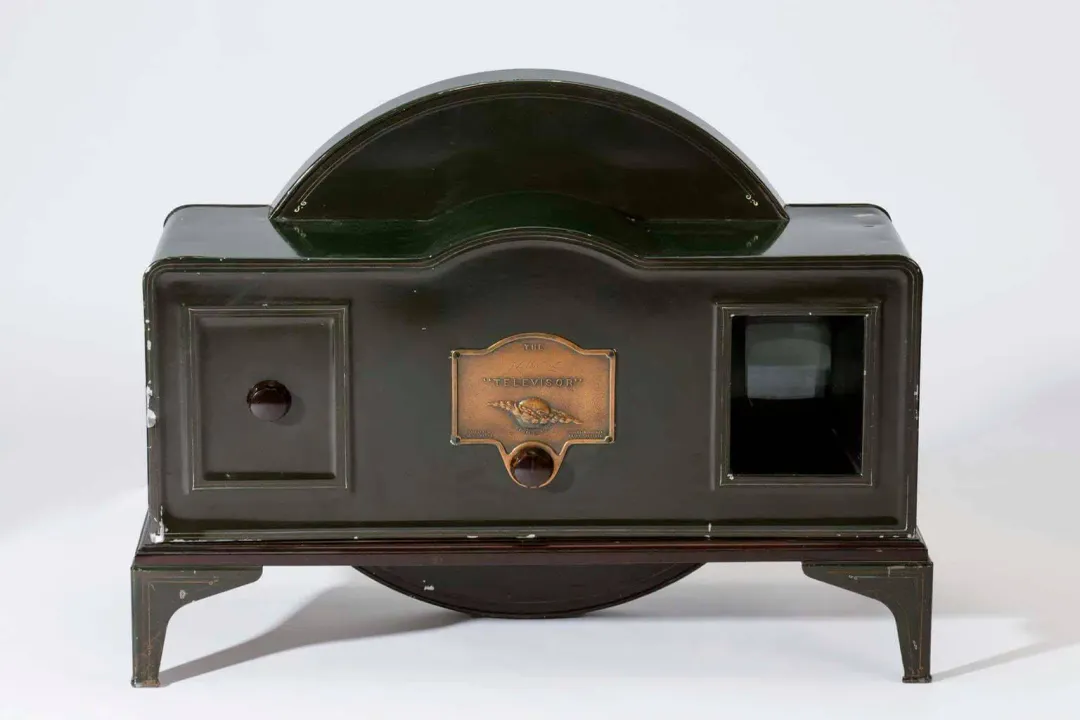
The mechanical television system developed by Baird relied on a physical spinning disc, commonly known as a Nipkow disc, to facilitate image transmission. This disc functioned by scanning the subject sequentially and then reconstructing the image for the viewer. This mechanical approach was the primary method Baird used to achieve the transmission of moving pictures, distinguishing his early television technology from the purely electronic systems that would eventually supersede it.
Related Questions
Who is credited with bringing the first working television system to the British public?Which specific household items were famously used by John Logie Baird during his early television experiments?In which location did John Logie Baird conduct his initial television experiments before moving his work to London?What component did John Logie Baird's mechanical television system use to scan and reconstruct images?Who was the first person to appear on television during John Logie Baird's historic transmission in October 1925?When did the first public unveiling of John Logie Baird's television system take place at the Royal Institution?In what year did the British Broadcasting Corporation start using John Logie Baird's mechanical system for experimental broadcasts?What superior technology eventually replaced John Logie Baird's mechanical system?In what year did the BBC make the switch from Baird's mechanical system to the electronic standard?How were early television broadcasts typically integrated into the home entertainment schedule?