Who invented the TV in Scotland?
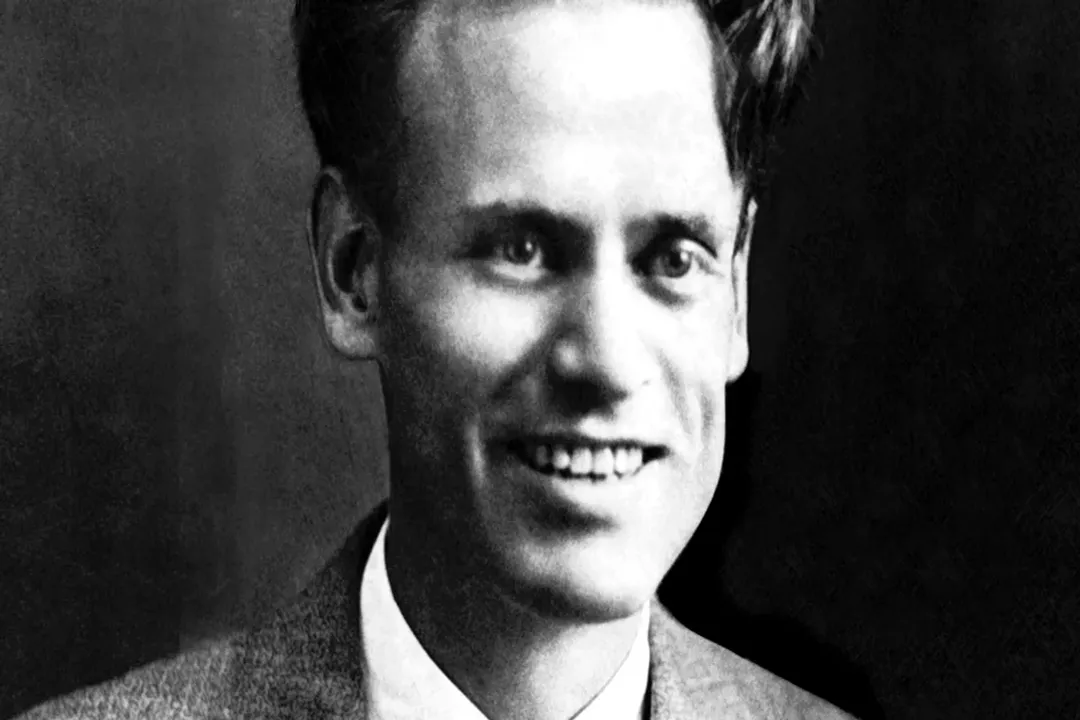
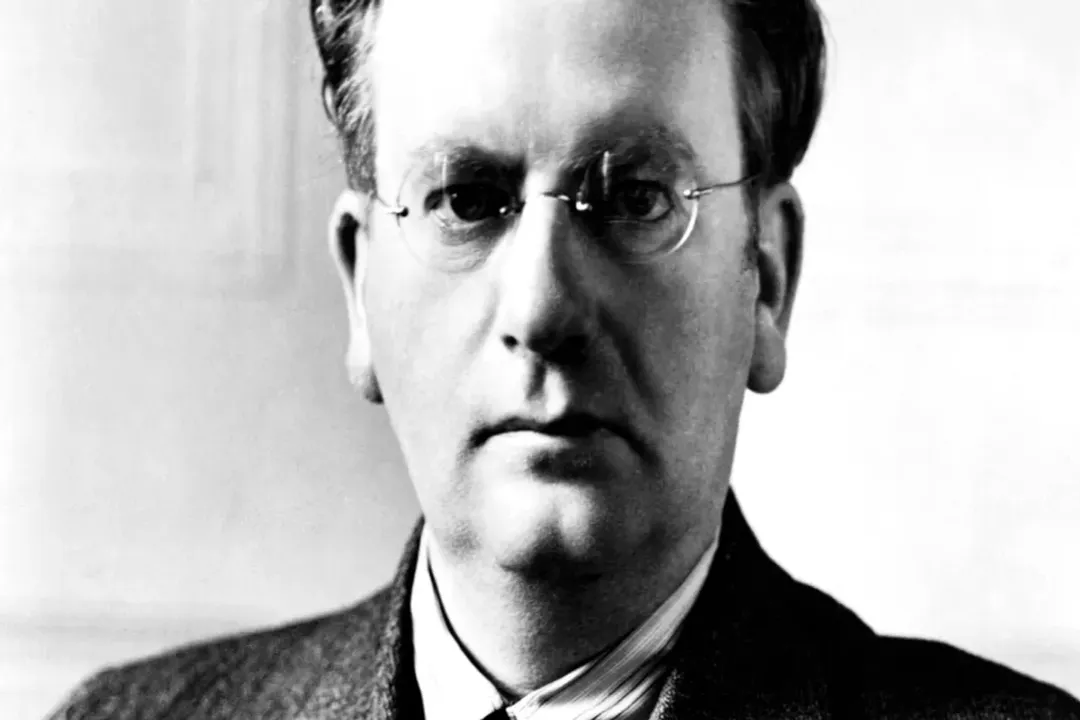
The identity of the individual credited with inventing television is inextricably linked to Scotland through the pioneering work of John Logie Baird. [2][6] While the history of television is often debated, featuring various contributors and claims regarding mechanical versus electronic systems, Baird’s foundational achievement in demonstrating a working television system firmly establishes him as the Scottish inventor associated with this world-changing technology. [7][9] Born in Helensburgh and educated in Glasgow, Baird’s Scottish roots provided the backdrop for an inventive mind that would eventually bring moving pictures into homes globally. [2][6]
# Scottish Origins
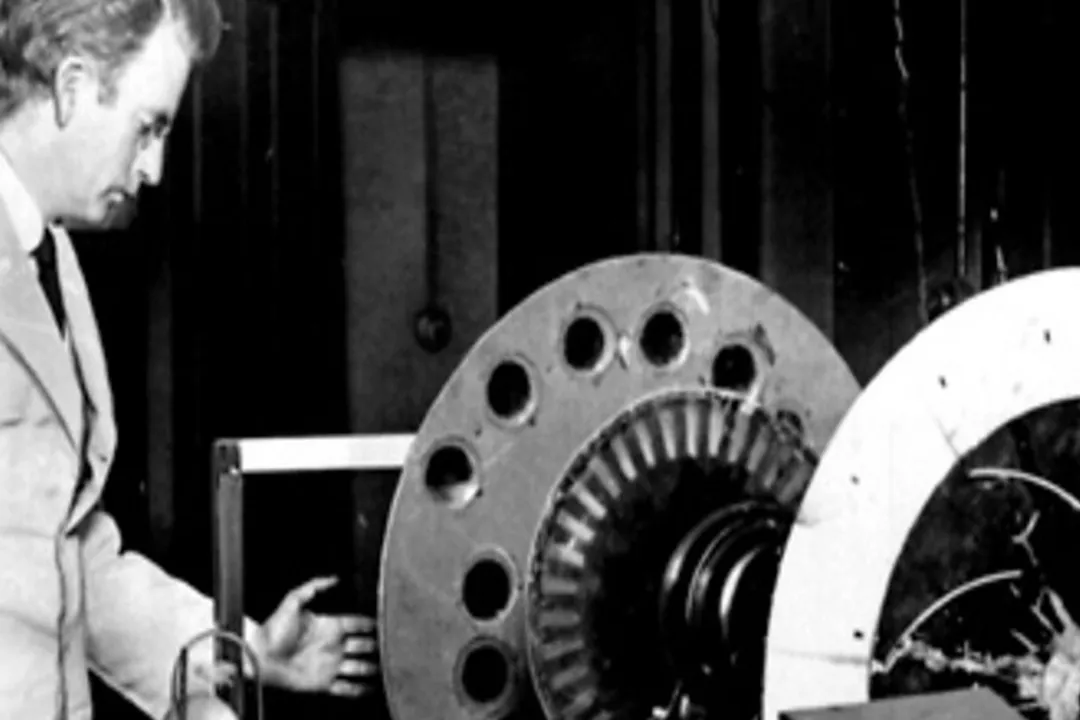
John Logie Baird’s early life and education laid the foundation for his later pursuits in electrical engineering and invention. [2] His connection to Scotland is more than mere birthplace; it is where his formative technical curiosity took shape. [6] He studied at the Glasgow and West of Scotland Technical College (now the University of Strathclyde) and the University of Glasgow. [2] This environment, steeped in the industrial and scientific heritage of Glasgow, likely nurtured the kind of hands-on, problem-solving approach that defined his career. [2]
It is important to note that while Baird was fundamentally a Scot, the major breakthroughs that captured international attention, such as the first true public demonstration, often occurred after he moved south. [7] However, the conceptual leap—the idea of scanning an image point-by-point for transmission—was nurtured by his background. [2] He later gained recognition from organizations like the Engineering and Technology Hall of Fame. [5]
# Mechanical Marvel
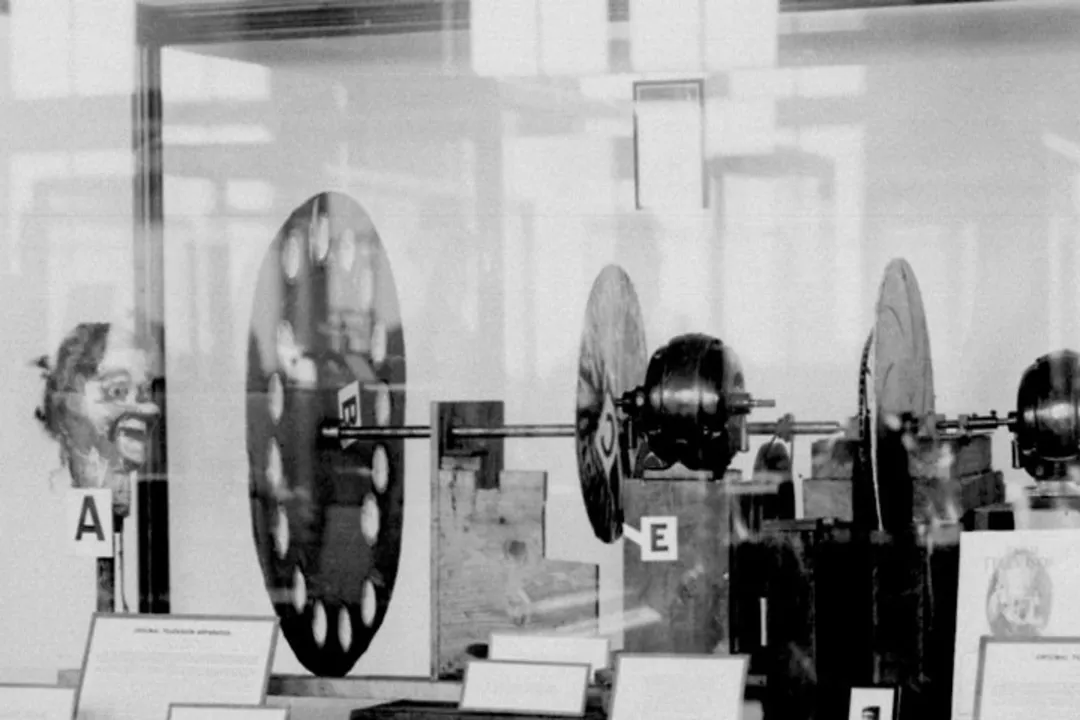
Baird is primarily associated with the mechanical television system, a significant historical step before the dominance of electronic television systems. [9] His method relied on the principle of sequential scanning, most famously using a rapidly spinning Nipkow disk. [5][9] This disk contained a spiral pattern of small apertures. As light passed through these holes, it sequentially scanned the scene, converting the light variations into electrical signals. [5][9] The receiving end used a similar, synchronized disk to reconstruct the image, pixel by pixel, creating the illusion of continuous motion.
The initial public demonstration of this mechanical television was a monumental event. On January 26, 1926, Baird demonstrated the transmission of moving images with halftone shades to members of the Royal Institution and a reporter from The Times. [7] Imagine the scene: a small, flickering image appearing in a laboratory setting, a stark contrast to the high-definition screens we know today. [7] This demonstration proved that the concept of television was viable, even if the quality was rudimentary by modern standards. [1][9]
| Feature | Mechanical Television (Baird) | Modern Electronic Television |
|---|---|---|
| Image Scanning | Spinning Nipkow Disk | Electron Beam Scanning |
| Image Quality | Low resolution, visible flicker | High resolution, fluid motion |
| Key Component | Spinning mechanical parts | Cathode Ray Tube (or LCD/LED) |
| Initial Success | Public demonstration in 1926 | Developed in the late 1920s/1930s |
The success of this demonstration paved the way for further development, including the establishment of the world’s first public television service by the BBC, which initially used Baird’s system before transitioning to electronic methods. [1]
The sheer audacity of making complex machinery—motors, disks, lenses, and photocells—work together reliably enough to transmit an image in the 1920s cannot be overstated. To put this in local context, considering the resources available to an independent inventor working through early attempts, often dealing with faulty components and primitive electronics in what must have felt like a perpetual state of near-failure, it speaks volumes about the necessary perseverance. It was an era where technology felt physical and weighty, unlike the almost invisible complexity powering today's devices. [2][5]
# Developing Broadcast Vision
Following the initial 1926 success, Baird's work rapidly advanced, although the debate about the "best" technology continued. [9] By 1928, Baird achieved the first transatlantic television transmission, sending a signal from London to New York, demonstrating the technology's potential for global reach. [1]
The introduction of colour television further marks Baird’s commitment to advancing the visual medium. By 1928, he had successfully demonstrated colour television, and by 1932, he had achieved three-dimensional television. [1] These milestones show that Baird was not simply aiming for the bare minimum of transmission but was pushing the boundaries of visual realism using the mechanical platform he had established. [1]
The transition from mechanical to electronic television represents a critical point in this history. While Baird’s system was groundbreaking, electronic scanning, developed concurrently by others, offered superior image quality and was less prone to the mechanical limitations inherent in spinning disks. [9] The BBC eventually adopted the electronic system developed by Marconi-EMI, beginning regular high-definition broadcasts in 1936. [1]
This transition, however, does not diminish Baird’s initial contribution. He achieved something extraordinary first. His mechanical system served as the crucial proof of concept, creating the demand and demonstrating the technical possibility that spurred the investment and refinement needed for the electronic successor. [5] It highlights a common theme in technological progress: the initial, often clunky, invention paves the way for the refined, superior version that ultimately prevails.
# Legacy and Acknowledgment
John Logie Baird’s place in history as the inventor who brought television to life is secure, often celebrated on his birthday, such as the one noted on August 14th. [6] He is recognized as a pioneer whose Scottish ingenuity led to a global shift in communication and entertainment. [2][6]
It is worth reflecting on how much of his early work was driven by sheer intellectual curiosity rather than large corporate backing, a stark difference from the massive development budgets common today. This contrasts sharply with the modern development of video technology, where standards like digital video compression (H.264, HEVC) are the result of vast international consortiums, not individual inventors toiling in relative obscurity. [1][5] Baird’s story is one of singular, tenacious vision.
For anyone interested in understanding the roots of modern media consumption, appreciating Baird’s work offers a valuable perspective. His early mechanical system, though obsolete, forces us to understand the fundamentals of sampling—taking discrete pieces of information (light intensity at a point) in sequence to build a whole picture. [9] This concept of taking samples is, in an incredibly abstract way, the very foundation of how digital cameras and streaming video work today; they just do it millions of times faster and with electronic precision rather than whirling metal. [9] To truly grasp television's evolution, one must acknowledge the mechanical stutter that preceded the electronic glide.
#Videos
JOHN LOGIE BAIRD: The Forgotten Father of Television - YouTube
Related Questions
#Citations
John Logie Baird - BBC
John Logie Baird: The Man Who Invented Television
Scotland's Inventions
Invention of Television by John Logie Baird - Facebook
John Logie Baird - Scottish Engineering Hall of Fame
A very happy birthday to the inventor of the TV - John Logie Baird.
John Logie Baird demonstrates TV | January 26, 1926 - History.com
JOHN LOGIE BAIRD: The Forgotten Father of Television - YouTube
Who really invented the mechanical television? - BBC Science ...