The widespread adoption of the portable paint tube was a primary catalyst for which artistic movement that prioritized painting in the open air?
Answer
Impressionism
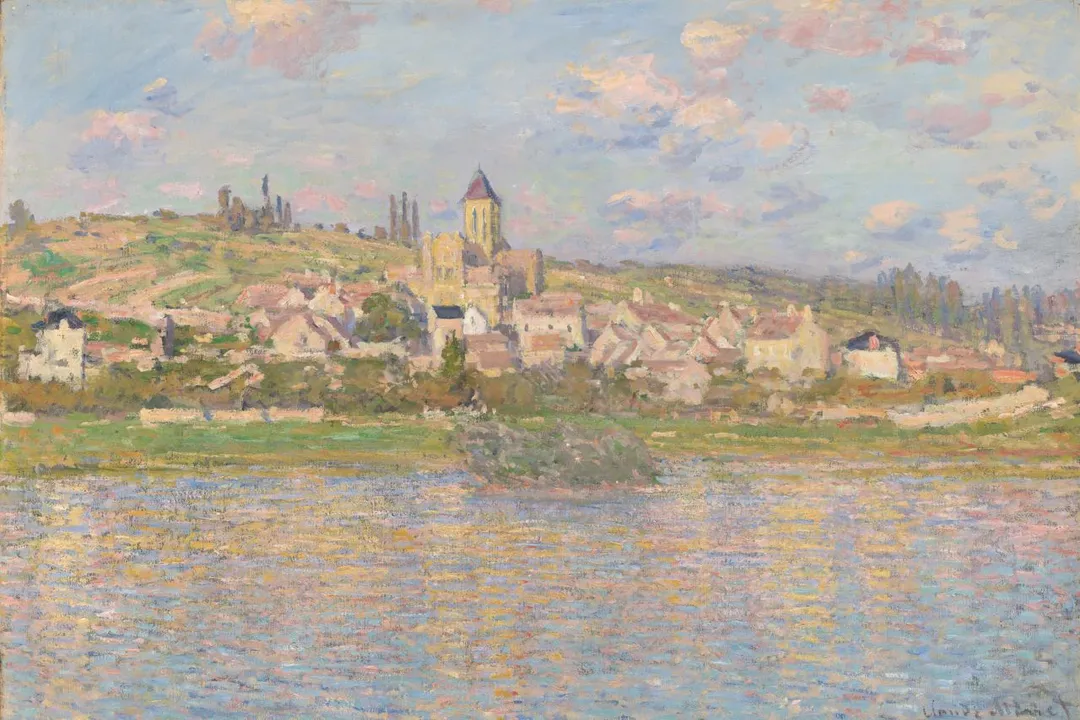
Impressionism is the artistic movement most directly defined by the capabilities provided by the portable paint tube. Because artists could carry their materials outside easily, they were able to engage in the en plein air practice, which means painting in the open air. This allowed painters to capture transient effects of light, atmosphere, and color—such as shifting shadows or reflected sunlight on water—that existed for only brief moments. The tube ensured that paint remained sealed and usable, allowing artists to work quickly and spontaneously in various outdoor environments, which was essential for the Impressionist aesthetic.
#Videos
The History of Paint Tubes - YouTube
Related Questions
Who is the American painter credited with patenting the collapsible metal tube in 1841?Before the collapsible metal tube, what specific organic container was typically used by artists to store their mixed oil paints?The widespread adoption of the portable paint tube was a primary catalyst for which artistic movement that prioritized painting in the open air?Although the initial design utilized tin, what metal eventually replaced it in later paint tubes to provide better resistance to denting and corrosion?What major step in the traditional painting workflow was effectively eliminated by the introduction of pre-packaged, ready-to-use metal paint tubes?What significant technical advantage did the mass-produced, factory-sealed tube offer regarding the handling characteristics of paint?Which established artist materials firm secured the manufacturing and distribution rights for the collapsible paint tubes in the United Kingdom?What impact did the shift to painting outdoors have on the brushwork techniques adopted by Impressionist artists?How did working under natural, full-spectrum daylight rather than artificial studio light alter the color choices of artists?How does the design of the screw-capped metal tube contribute to the longevity and preservation of unused paint?