What was the significance of the invention of the portable paint tube?
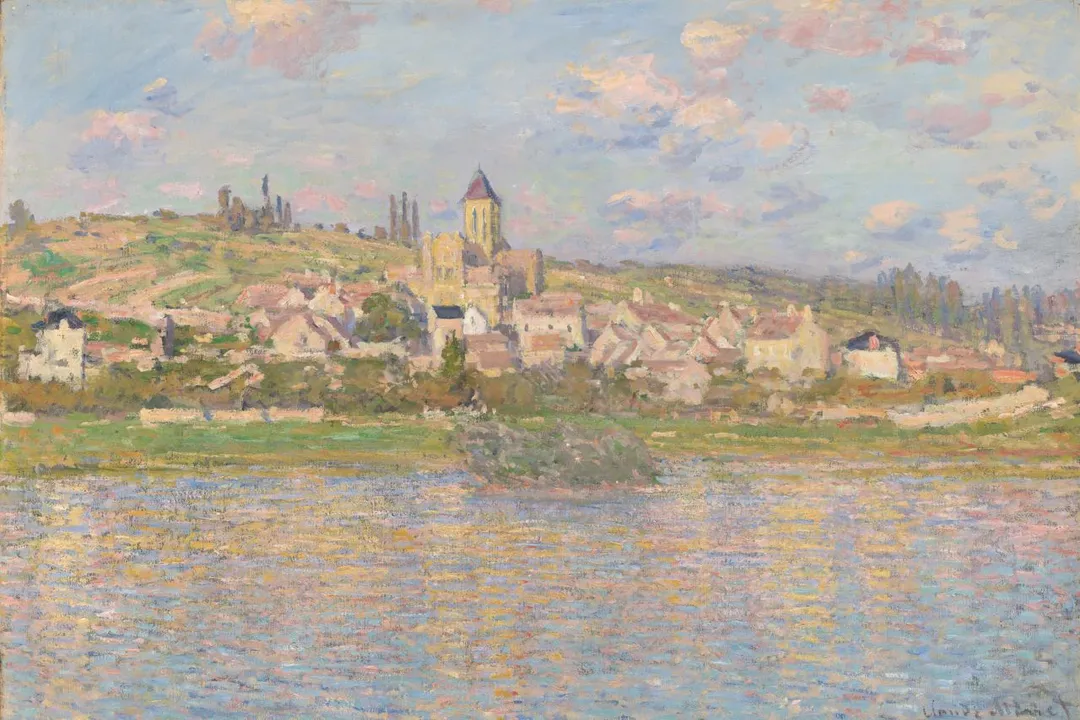
The ability to capture the world exactly as the eye perceives it—the shifting light on a façade, the quick silver reflection on water, the precise hue of a shadow at dusk—was once severely hampered by the most basic necessity of painting: the paint itself. For centuries, the materials an artist used were tethered to the studio, heavy, fragile, and demanding constant, laborious preparation. The actual invention that unchained the easel and allowed color to meet the outdoors was deceptively simple: the collapsible metal tube, patented in 1841. [2][3][9] This small container, sealed with a screw cap, did more than just hold pigment; it fundamentally changed the process, practice, and eventual direction of modern art. [3][5]
# The Pre-Tube Dilemma
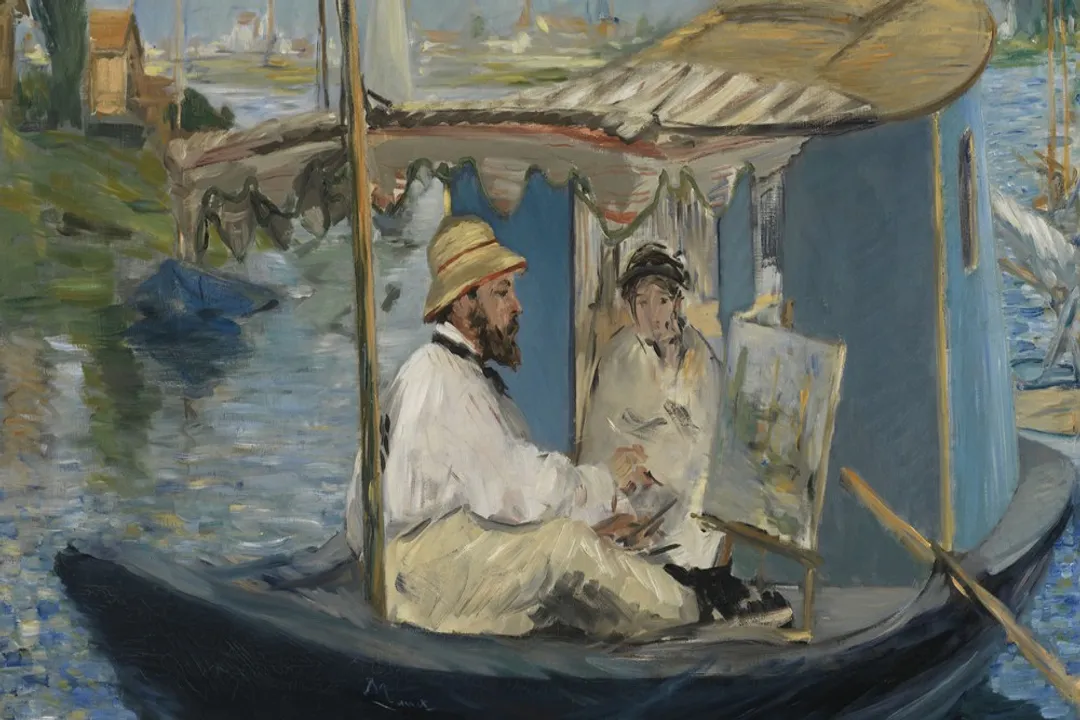
Before the mid-nineteenth century, an artist’s workday often began long before the brush touched the canvas. [1] Pigments arrived as dry powders, often purchased from an apothecary or ground manually by the artist or an assistant. [2][9] These powders then had to be mixed with a vehicle, usually linseed oil, to achieve the desired consistency. [1] This mixing was messy, time-consuming, and crucial, as the quality of the final binder directly affected the paint’s working time and durability. [3]
Once mixed, the usable paint had to be stored for the duration of the painting session, or even longer if a specific color blend was required repeatedly. The favored method involved stuffing the freshly mixed oil paint into pig bladders. [1][3][9] These were small bags made from the internal organs of pigs. [1][9] While functional in the short term, pig bladders were inherently flawed for any serious, extended outdoor work. [3] They were prone to breaking, leaking, or being punctured, resulting in expensive pigment seeping into the artist’s travel case or onto their clothing. [3][9] Furthermore, if the artist stopped working for even a short period—a few hours, or overnight—the paint exposed to the air would skin over and dry out, rendering the remaining contents inside useless until laboriously scraped out or discarded. [1][7] This constant risk of spoilage made carrying a wide palette of colors an exercise in logistical anxiety and material waste. [2] The studio was not just a preferred location; it was often a necessary location dictated by the limitations of the materials. [5]
# The Inventor and the Tin
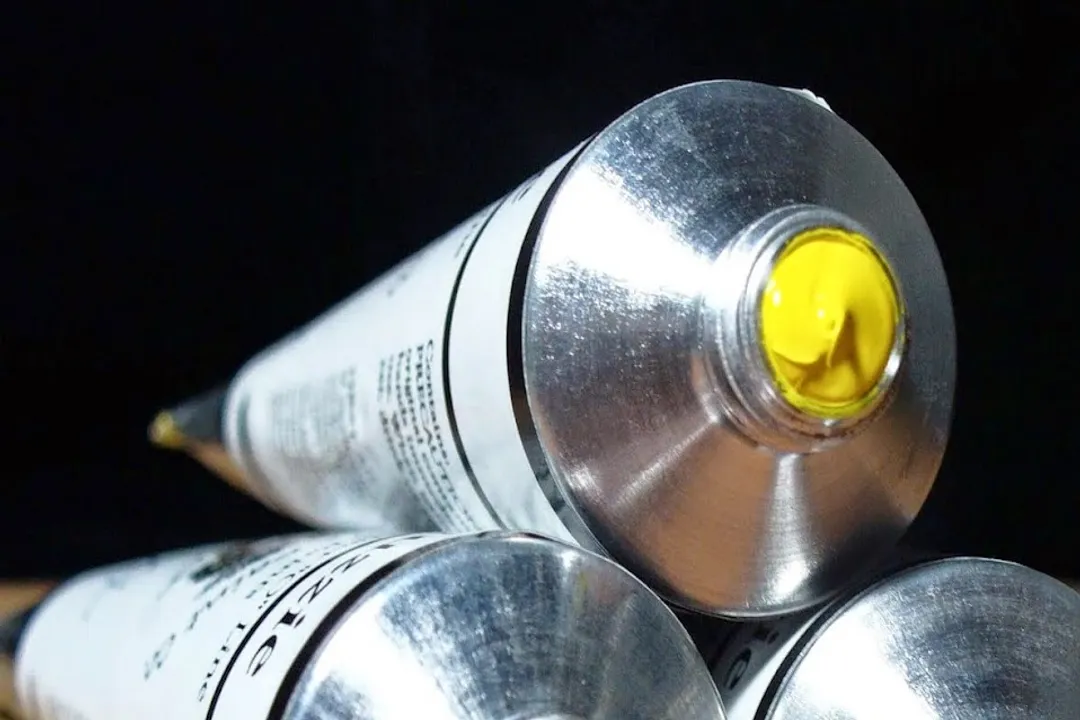
The solution arrived in 1841 from an American painter named John Goffe Rand. [3][4][9] Rand, noted as being from Charleston, South Carolina, [4] conceived of a collapsible tin tube equipped with a screw-on cap. [1][4] This design immediately addressed the two major failings of the pig bladder: fragility and spoilage. [2][7] The metal casing offered superior protection for the paint inside during transport, and the tight screw cap created an airtight seal when closed. [1]
Rand patented his invention, recognizing the commercial potential of freeing the artist from the studio. [4] While the concept was simple, its execution required industrial cooperation. The tubes needed to be fabricated reliably and affordably. [1] The American painter eventually sold his patent rights to a Philadelphia-based company, which began the commercial production of the new paint holder. [4] In the United Kingdom, the established artist materials firm Winsor & Newton also recognized the profound implications and secured the rights to manufacture and distribute the tubes there. [1]
Despite Rand’s foresight, the initial reception among established artists was reportedly hesitant. [1] Many long-tenured painters were comfortable with their old methods—grinding pigments, mixing batches, and working from the controlled environment of the indoor studio. [1] The idea of pre-mixed, sealed colors might have seemed like a compromise on quality or control to traditionalists accustomed to hand-crafting every component of their palette. [2]

# A Revolution in Efficiency
The immediate significance of the paint tube can be analyzed not just as a change in where artists worked, but how they allocated their time and resources. [1][2] By consolidating the pigment and binder into a ready-to-use format, the tube effectively eliminated the first, most labor-intensive step of the painting process. [3] This transition from raw material preparation to direct application marks a significant, if often overlooked, efficiency gain in the artistic workflow. Imagine the time saved across a career: what might have been an hour of grinding, oiling, and portioning for a dozen colors could now be accomplished in minutes by simply unscrewing a cap. [1] This sudden abundance of immediately available color meant an artist could carry a far greater range of hues than they could practically mix and store in pig bladders. This freed-up time and mental energy could be redirected toward observation, composition, and execution, dramatically increasing the potential output of a single working day. [7]
Furthermore, the consistency that the factory-sealed tube provided offered an unexpected technical benefit. [6] When an artist mixed their own paints, the exact ratio of pigment to oil could vary slightly from day to day, or even batch to batch, affecting the paint’s viscosity and drying time—a subtle factor that experienced painters were highly attuned to. [2] The mass-produced tube, especially those from established manufacturers like Winsor & Newton, standardized the feel of the paint. [1] This material uniformity allowed artists to develop a more predictable technique, understanding precisely how a specific color would behave on the canvas, regardless of whether they were painting in London or the French countryside. [5]
# Unchaining the Easel En Plein Air
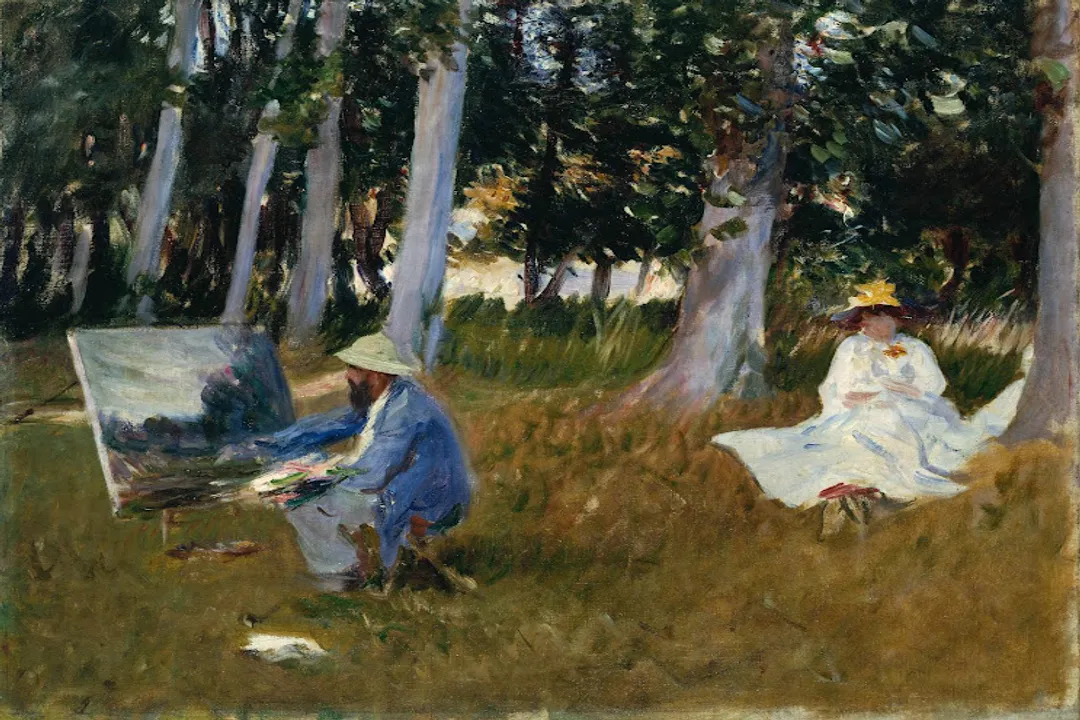
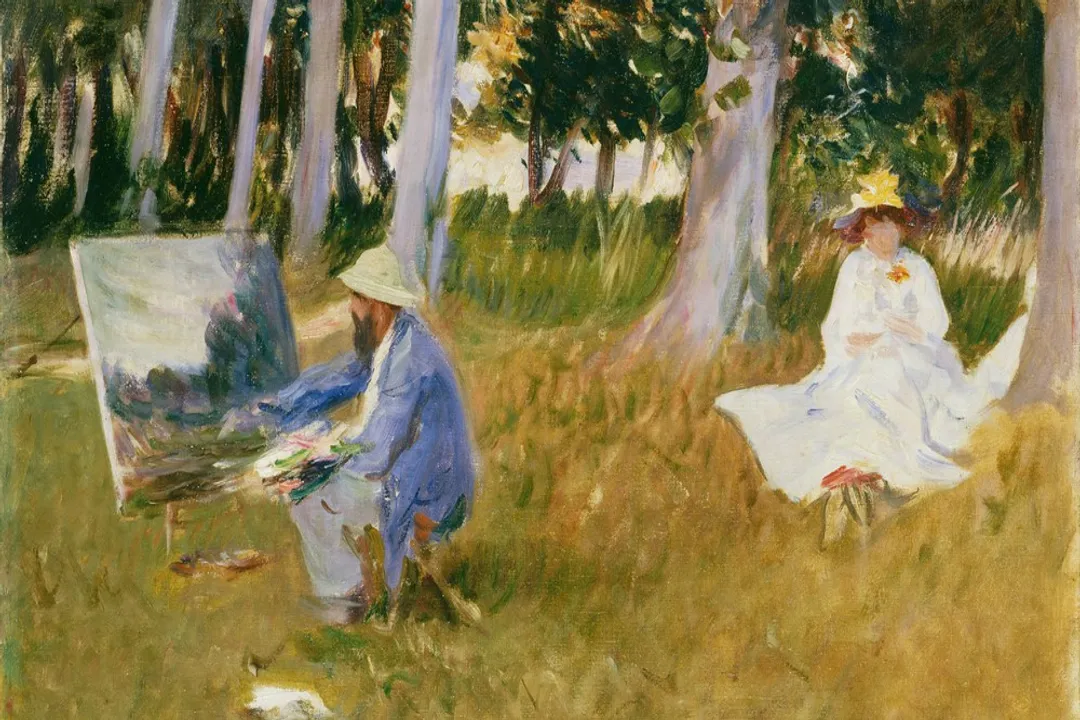
The most celebrated consequence of the portable paint tube was its role as the indispensable tool that enabled the en plein air movement, which, in turn, defined Impressionism. [5][7][9] En plein air, meaning "in the open air," describes the practice of painting outdoors rather than in the studio. [5][7] This practice became essential for capturing the transient effects of light, atmosphere, and color that preoccupied the Impressionists. [5][7]
Artists like Claude Monet, Pierre-Auguste Renoir, and Camille Pissarro needed to capture moments that lasted only minutes. [5] A cloud shadow moving across a field, the exact color of reflected sunlight on water, or the specific moment the sun hit the top of a haystack—these were the subjects that demanded immediate response. [2][7] With the tube, an artist could quickly set up a portable easel, squeeze out a selection of colors, and begin work instantly, all while their materials remained sealed and protected when they needed to pause. [1][9] The tube essentially matched the material reality of the paint to the fleeting reality of the subject matter. [5]
The mobility provided by the tube worked in concert with other nineteenth-century innovations, such as the pre-stretched canvas, which further reduced the bulk and preparation time associated with painting outdoors. [5] Together, these tools shifted the center of artistic gravity. Art was no longer something constructed entirely from memory and academic study indoors; it became something directly observed, recorded, and rendered using materials that could easily accompany the artist wherever their eye found inspiration. [3][6]

# The New Modern Canvas
The move outdoors had radical implications for the content and style of painting. When working quickly to capture the light, artists could not linger over minute details or meticulously blend every edge. [2] They were forced to apply paint in broader strokes, often placing dabs of unmixed color side-by-side, relying on the viewer's eye to blend them optically—the core technique of Impressionism. [5] The immediacy afforded by the tube directly influenced this bolder, more visible brushwork. [5]
Furthermore, the light found outdoors is dramatically different from the filtered, typically warmer light inside a studio heated by gas or candles. [2] By painting under natural, full-spectrum daylight, artists began to see and use colors in ways their predecessors had not, introducing brighter blues, violets, and greens into their palettes, colors that often looked garish under artificial studio light but appeared perfectly harmonious in the open air. [2][5] The paint tube was the delivery system for this new, brighter vision. [1]
The shift also subtly democratized art production. While high-level academic training remained centralized, the basic act of painting became far more accessible. [3] A painter no longer needed extensive workshop facilities or specialized assistants just to prepare their paints. [3] A dedicated individual with a small kit of tubes, a portable easel, and a brush could set up shop anywhere—a park bench, a riverbank, or a city street corner. [3] This ease of setup encouraged experimentation and attracted new practitioners who might have been intimidated by the traditional demands of the atelier system. [5]
# Enduring Practicality
While the artistic movements born from this invention—Impressionism, Post-Impressionism, and beyond—are celebrated for their aesthetic departures, the humble paint tube remains a functional standard in art supply stores today. [1] Winsor & Newton continued to refine the tube, eventually replacing the original tin with aluminum, a material that is more resistant to denting and corrosion, though the basic functionality remains the same as Rand’s 1841 patent. [1]
It is worth noting that the tube’s significance extends into the realm of conservation and preservation. Because the tube creates a seal, the leftover paint is protected from oxidation and contamination, leading to a longer archival life for unused material compared to any pigment left open in a palette or dish. [1] An artist today can purchase a tube of cadmium red, use a tiny speck, cap it tightly, and return to it perfectly usable months or even years later—a practicality unimaginable to a painter in 1840. [7] This reliability has made it the default choice for oil, acrylic, and even watercolor sets, cementing its place as one of the most important material science breakthroughs in art history. [1][3] The story of the paint tube is a clear illustration that sometimes, the most significant advancements in art are not found in a new theory of color, but in a simple, efficient piece of hardware that allows the theory to be put into practice freely.
#Videos
The History of Paint Tubes - YouTube
Related Questions
#Citations
The history of the metal paint tube - Winsor & Newton
Never Underestimate the Power of a Paint Tube
Tubes: The Invention That Made Art Modern - Rehs Galleries
A lasting impression 19th-century Charleston man revolutionized ...
The Impressionists and innovations in artists' tools | NGV
#StumpACurator: Let's Go Outside | Explore Meural's Permanent Art ...
The Invention Path to Plein Air and Impressionism | Cape Ann Cosmos
The History of Paint Tubes - YouTube
The Paint Tube Revolution | the westologist - WordPress.com