How did the purpose of early 1900s gas bikes contrast with contemporary e-bikes?
Early gas bikes aimed to replace effort entirely, while modern e-bikes enhance or extend the cycling experience.
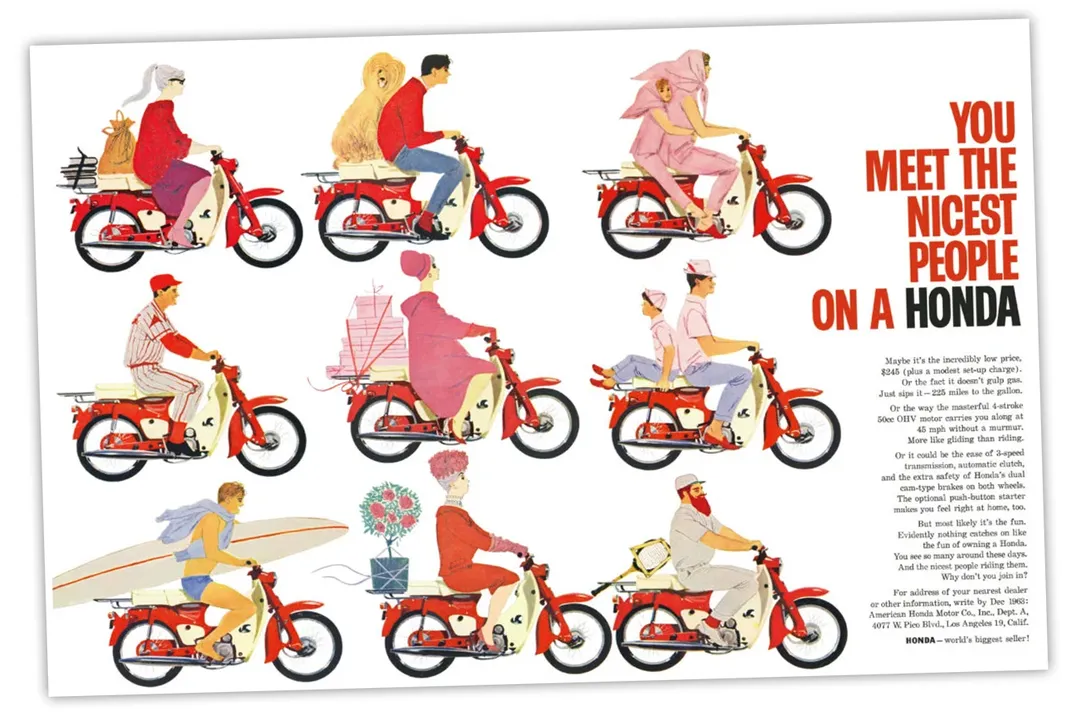
There is a fundamental philosophical difference in the intended outcome between early motorized two-wheelers and modern electric counterparts. The initial gasoline-powered motorized bicycles of the early 1900s were designed primarily to substitute human labor entirely with mechanical power, positioning them as radical departures from traditional cycling, often leading to classification issues bordering on motorcycles. Conversely, contemporary e-bikes, especially those featuring pedal-assist, are generally marketed to augment or extend the typical cycling experience. They appeal to users seeking assistance for tasks like commuting without excessive perspiration or tackling challenging inclines, focusing on enhancement rather than outright replacement of physical input.