Did Scotland make the television?
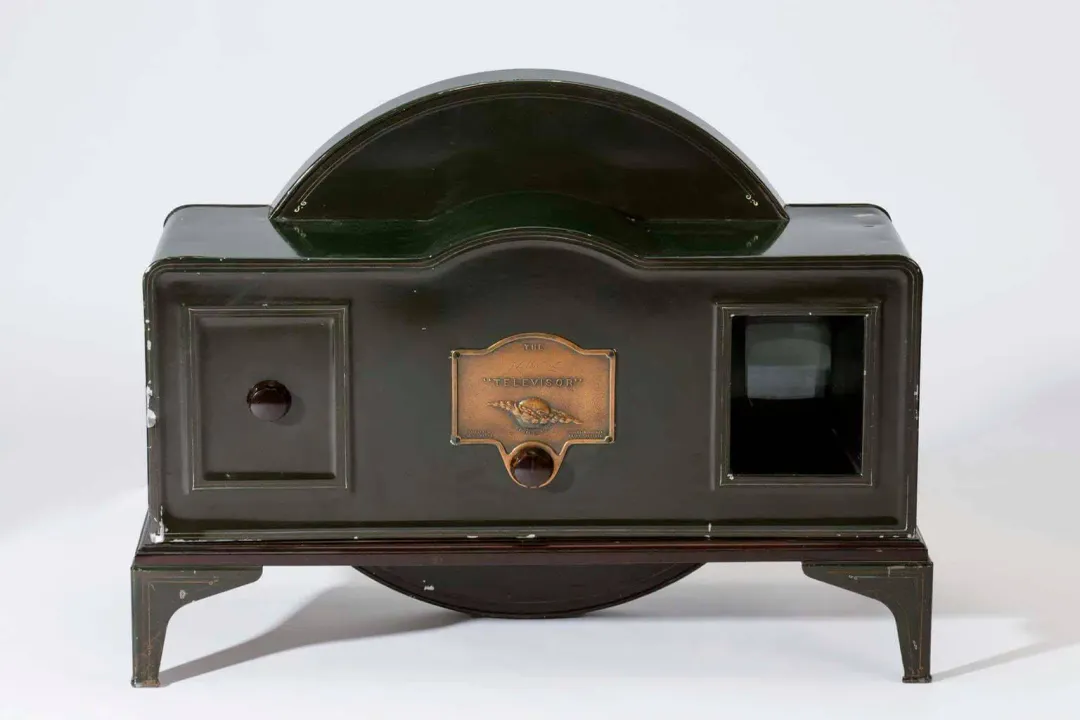
The narrative of who truly invented the television set often becomes tangled in technical debates and national pride, but the credit for demonstrating the world’s first working system unequivocally belongs to a Scottish engineer: John Logie Baird. Born in Helensburgh, Dunbartonshire, in 1888, Baird possessed a curiosity that went beyond the contemporary world of radio, dreaming instead of making moving pictures visible wirelessly.
# Scottish Beginnings
Baird’s formative years were steeped in the industrial environment of Glasgow, where he studied at the Royal Technical College (now the University of Strathclyde) and the University of Glasgow. This period, marked by exposure to the harsh conditions of industry, helped shape his socialist convictions. His early technical aptitude was evident; even as a teenager, he managed to install electric lighting in his parents’ Scottish home. Ill health, which kept him unfit for service during the First World War, prompted him to move to Hastings in 1923, seeking the benefit of the sea air. In Hastings, his entrepreneurial spirit led him to attempt various inventions, including a rustless glass razor blade and pneumatic shoes, none of which yielded the necessary funds for his true ambition.
# Makeshift Mechanics
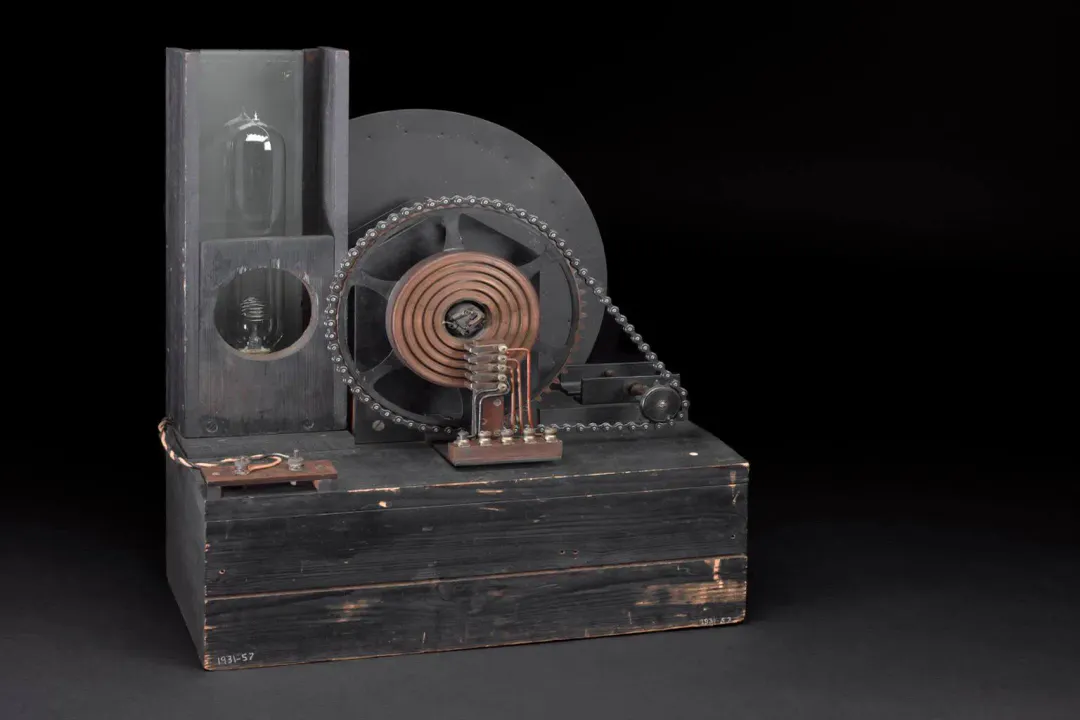
Baird’s central technical challenge was realizing the theoretical concept of transmitting moving images over a distance. Many early innovators looked to the scanning system patented by Paul Gottlieb Nipkow in 1884, which became known as the Nipkow disk. Baird chose this mechanical approach, building his apparatus using surprisingly rudimentary, salvaged materials. His initial working set was constructed from items like an old hatbox, scissors, darning needles, bicycle light lenses, and a used tea chest.
This dependency on improvised materials in his limited workshop—first in Hastings, then an attic in London’s Soho district—is a key indicator of his unique path. While later electronic systems would rely on complex vacuum tube technology, Baird wrestled with electromechanical limitations. The success he achieved under such constraints, often involving components that rattled, vibrated dangerously, and broke down frequently, underscores an inventive spirit thriving on practical scarcity. It is telling that when he demonstrated moving silhouettes to the Radio Times in February 1924, he was using a system cobbled together from everyday household items. Furthermore, after suffering a 1000-volt electric shock in July 1924, his landlord evicted him, suggesting that the early pursuit of television was a financially precarious and physically hazardous undertaking.
# First Images
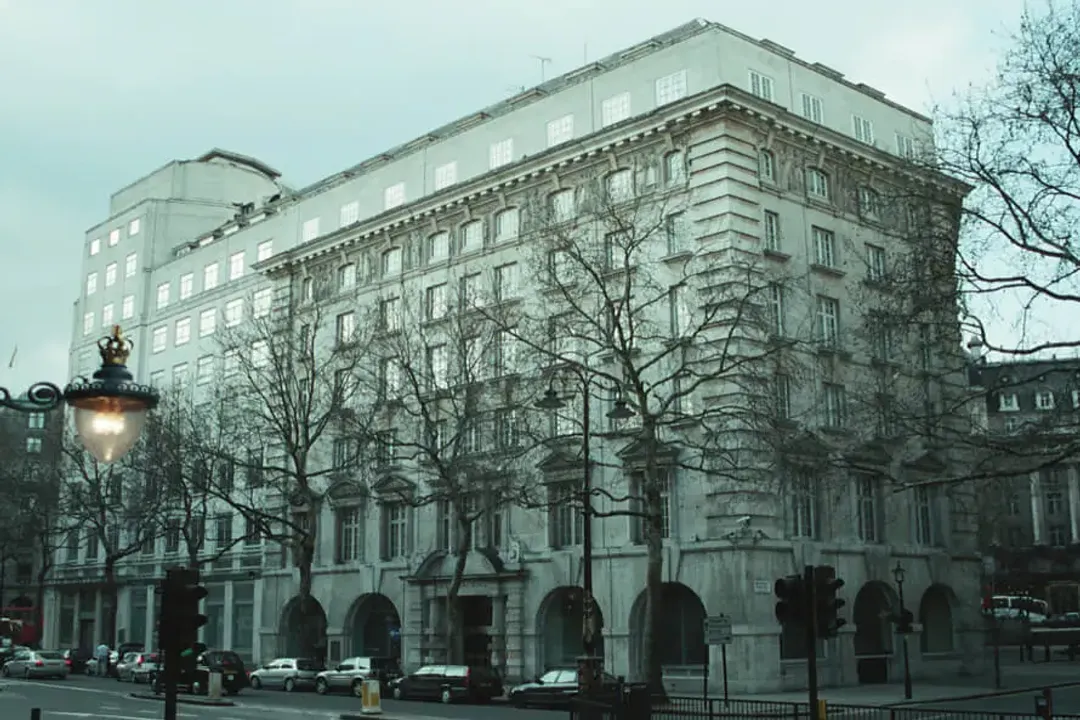
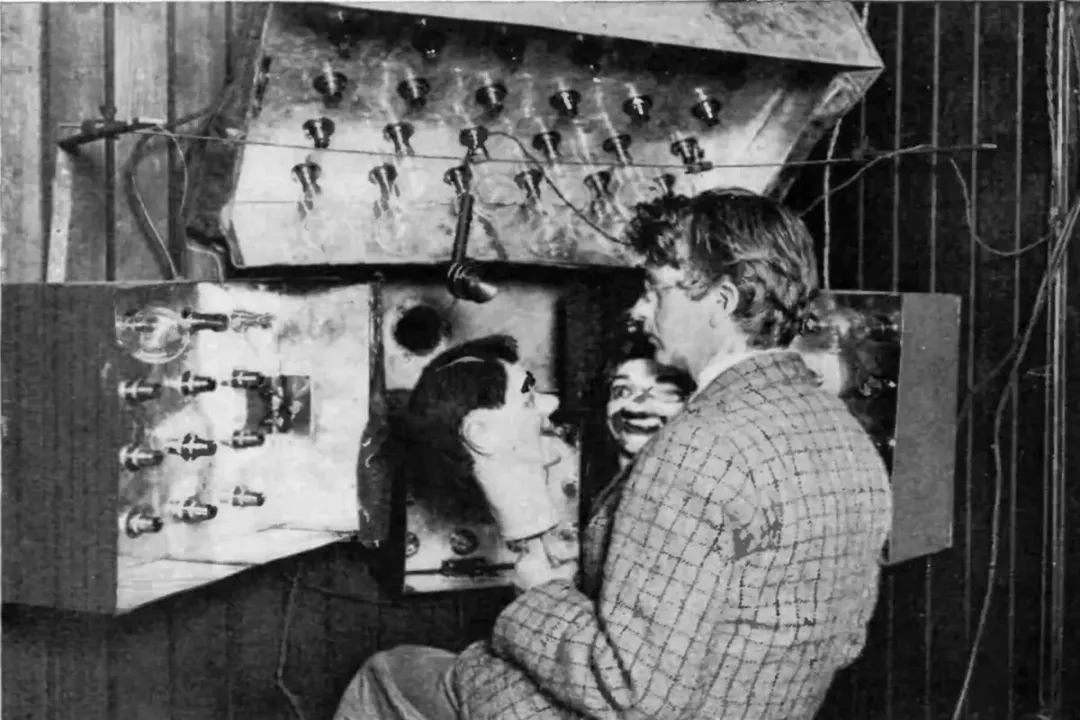
The development was gradual but persistent. Baird first managed to transmit moving silhouette images at Selfridges department store in London starting March 25, 1925. However, the breakthrough to actual tonal images—true television—occurred in his Soho laboratory on October 2, 1925. On this date, he successfully transmitted the first picture with greyscale gradation: the head of a ventriloquist’s dummy he nicknamed "Stooky Bill" using a 32-line vertically scanned image at five pictures per second. Baird immediately fetched an office worker, William Edward Taynton, who subsequently became the first human being televised in full tonal range.
# Public Debut
To gain scientific validation, Baird presented his invention formally on January 26, 1926, to members of the Royal Institution and a Times reporter at his 22 Frith Street laboratory. This demonstration was the world's first public showing of a system capable of scanning and displaying live moving images with tonal graduation. While the initial scan rate was five frames per second, he soon improved this to 12.5 pictures per second by c.1927.
Baird quickly expanded the scope of his invention. In 1928, he demonstrated the world's first colour television system using scanning discs with different coloured filters at the transmitting and receiving ends. He also demonstrated stereoscopic television that same year. A particularly significant development, which many might view as the precursor to modern on-demand viewing, was his work on Phonovision between 1926 and 1928—an early video recording device using a Nipkow disk linked to a record-cutting lathe.
The long-distance capabilities were established in 1927, transmitting across 438 miles of telephone line between London and Glasgow Central Station. This closely followed an earlier, slightly shorter telecast by AT&T Bell Labs between New York and Washington, D.C., in April 1927. The following year, in 1928, the Baird Television Development Company achieved the first transatlantic television transmission, linking London to Hartsdale, New York. The general public began to see programming when the BBC officially transmitted Baird’s first programmes in 1929.
To better contextualize the rapid evolution of this new medium, consider the immediate progression of the broadcast standard. Baird’s initial mechanical system relied on a 30-line resolution, corresponding to the holes in his spinning disc. By 1939, his theatre projection system was televising images onto a screen measuring 15 ft by 12 ft. However, the inherent limitations of mechanical scanning—blurry images and the need for cumbersome equipment—became apparent when competing electronic systems emerged.
# The Electronic Shift
The BBC began alternating between Baird's mechanical transmissions and the rival electronic scanning system developed by EMI, which had merged with Marconi, starting on November 2, 1936, from Alexandra Palace. EMI’s electronic system already operated at 405-lines. The BBC trialled both systems for six months but ceased using Baird’s mechanical approach in February 1937. This decision was partly precipitated by a disastrous fire in November 1936 that virtually destroyed Baird’s television complex at the Crystal Palace. The BBC found Baird’s system lacking in mobility due to its necessary developer tanks, hoses, and cables, favoring the cleaner electronic alternative. Baird Television Ltd. eventually went into receivership, and its technology was absorbed by EMI in 1948.
This technological pivot meant that Baird's mechanical television became obsolete in the 1930s. Yet, it is important to recognize that his foundational work, using that initial 30-line standard, provided the critical proof-of-concept that spurred all subsequent development. Even Philo T. Farnsworth’s electronic camera tube technology, crucial to the electronic standard, was made available to Baird via a patent-sharing agreement, though the company found it lacked sufficient light sensitivity for their needs.
# Electronic Colour Work
Despite the commercial failure of his mechanical venture against the electronic wave, Baird continued his private research using personal savings. He made significant contributions to electronic television development as well. In 1939, he demonstrated a "hybrid colour" system utilizing a cathode-ray tube with a revolving disc of colour filters, a technique later adopted by CBS and RCA in the US.
His most advanced work centered on the fully electronic system he called "Telechrome". By 1941, he patented and demonstrated a practical system for three-dimensional television using 500 lines. Critically, on August 16, 1944, he staged the world's first demonstration of a fully electronic colour television display, employing triple interlacing across six scans to build each picture at 600 lines resolution. Post-war, Baird was persuasive enough to convince the Hankey Committee to plan for his 1000-line Telechrome electronic system to become the new broadcast standard, a resolution comparable to modern High Definition Television (HDTV). However, the difficulties of post-war reconstruction stalled this plan, allowing the existing monochrome 405-line standard to persist.
# Other Contributions
Baird’s inventive energy was not limited to screens. Before television, his experiments included failed attempts to create diamonds from graphite and a glass razor blade that unfortunately shattered. Inspired by tyres, he tried pneumatic shoes, which also failed spectacularly when the balloons burst—an idea later successfully seen in Dr. Martens boots. On a more practical note, he invented the Baird undersock, a moderately successful thermal sock designed to combat his own cold feet. He also worked on early direction finding, infrared night viewing, and radar, filing a patent in 1926 for a device that formed images from reflected radio waves, akin to radar, though the extent of his contribution to wartime radar remains officially unacknowledged. For his work, he was honored with the Order of the British Empire in 1932.
The Scottish connection to visual media is clearly established through Baird’s career, which spanned the birth of moving images to the development of high-definition electronic colour. Though his mechanical apparatus was swiftly superseded by all-electronic rivals, his initial achievement—showing the world its own moving reflection—remains a foundational moment in modern communication. His legacy is remembered internationally; for instance, the annual television awards in Australia, the equivalent of the American Emmy Awards, are named The Logies in his honor. John Logie Baird died in 1946, but his role as the Scottish pioneer who first made television work is undeniable.
#Videos
JOHN LOGIE BAIRD: The Forgotten Father of Television - YouTube
Related Questions
#Citations
John Logie Baird - Wikipedia
John Logie Baird: The Man Who Invented Television
JOHN LOGIE BAIRD: The Forgotten Father of Television - YouTube
The first demonstration of the television by the Scottish inventor John ...
John Logie Baird Facts For Kids | AstroSafe Search - DIY.ORG
Scottish Inventions You Didn't Know Were Scottish! - Cobalt Fairy
How Engineer John Logie Baird Invented Television