Who invented vibration therapy?
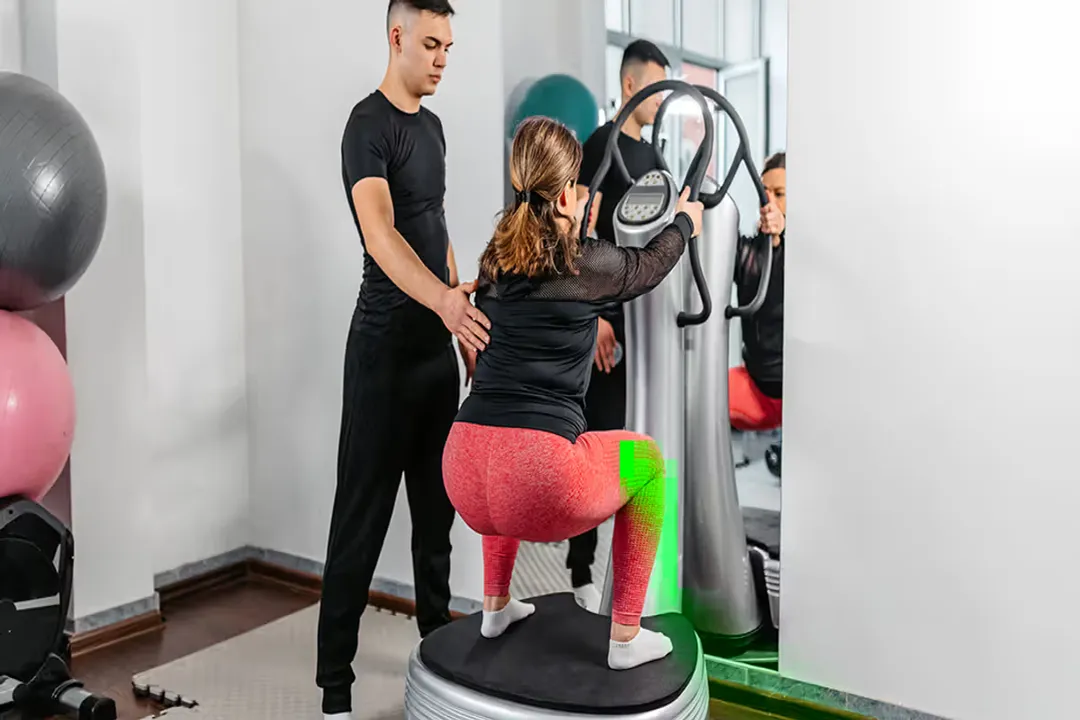
The story of vibration therapy isn't traced to a single "Eureka!" moment or one solitary inventor, but rather a fascinating evolution that stretches back over a century, moving from elaborate mechanical contraptions to precise, high-frequency platforms used globally today. [4][8] What began as a general therapeutic approach involving complex machinery slowly refined itself, spurred on by intense scientific interest in the physiological effects of rhythmic movement. [4]
# Mechanical Beginnings
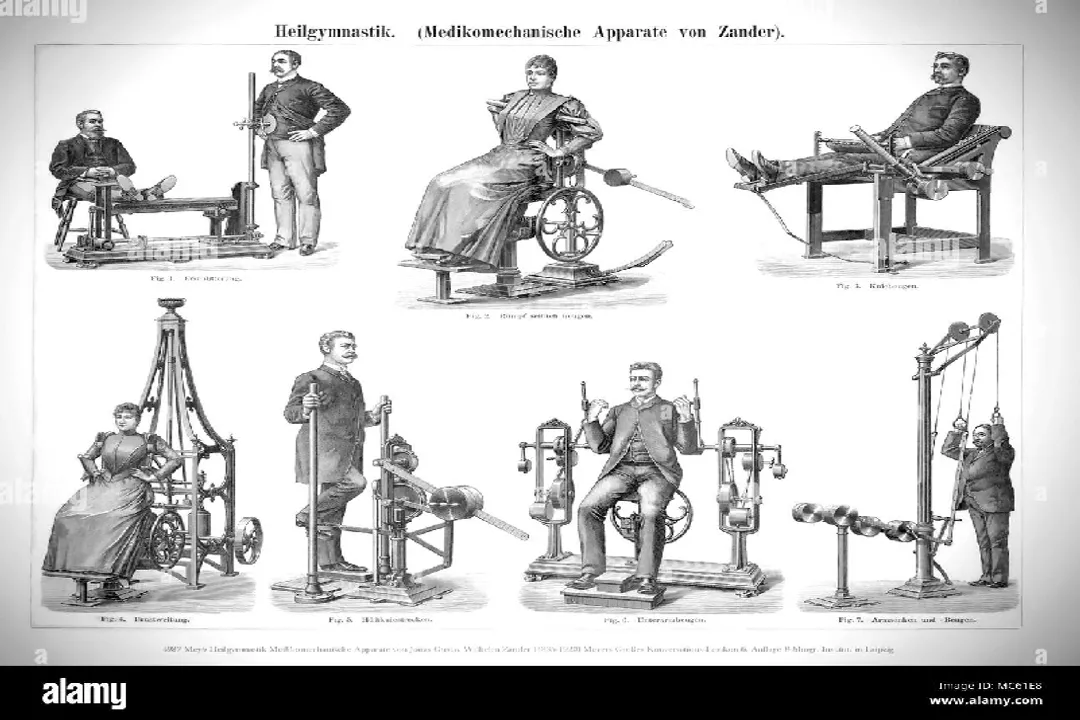
The earliest significant foray into using motorized therapeutic motion for health benefits is often attributed to Dr. Gustav Zander in the mid-1800s. [8] Around 1857, Zander developed intricate, bulky apparatuses in Stockholm, Sweden, designed to treat various ailments through passive exercise and massage. [4][8] These machines were far from the simple vibrating plates popular now; they were motorized devices that moved specific body parts in prescribed ways, mimicking the motions of therapeutic exercise or deep tissue manipulation. [8] Zander’s approach was rooted in the belief that physical activity, even when passively administered, was vital for well-being, and his clinic gained considerable renown for these elaborate mechanical treatments. [8] While his machines relied on motion—some incorporating vibration—they represented a broader category of therapeutic exercise equipment rather than the focused, whole-body vibration systems recognized later. [4]
It is useful to consider the sheer engineering difference between Zander’s time and now. If we imagine a Zander clinic, one would picture a gymnasium filled with steam-powered or early electric contraptions requiring significant space and maintenance, each designed for a very specific, singular function, such as applying oscillating pressure to the abdomen or rocking the pelvis. [8] This contrasts sharply with the modern, singular piece of equipment that achieves broad systemic effects through adjustable frequency and amplitude settings. [1]
# Twentieth Century Study
As the 20th century dawned, interest began to shift toward isolating the specific effects of vibration itself, rather than just the complex movements produced by Zander's larger machines. [4] Around 1906, figures like Dr. J. Warren Jacobs conducted studies looking specifically at how mechanical vibration impacted muscle activity and strength. [4] Jacobs was investigating the physiological reaction to localized or whole-body shaking, moving the field away from generalized mechanical therapy toward biophysical investigation. [4] This period marked the slow transition from viewing these devices as general exercise substitutes to understanding them as potential tools for stimulating physiological responses in muscles and circulation. [4]

# Space Age Research
The greatest catalyst for transforming vibration therapy from a niche, century-old concept into a serious modern modality came not from terrestrial medical clinics, but from the pressures of the Space Race in the 1960s. [4] Researchers working with the Soviet space program faced a critical biological challenge: prolonged weightlessness caused rapid muscle atrophy and significant bone density loss in astronauts. [4] To counteract these debilitating effects, intensive research into countermeasures began, which heavily featured the study of Whole Body Vibration (WBV). [4] The Soviets pioneered the development of high-frequency, low-amplitude vibration training systems designed to force muscles to contract and relax rapidly without requiring astronauts to exert significant effort or use large amounts of energy. [4] This research, focused on maintaining musculoskeletal integrity in extreme environments, provided the high-quality data that modern WBV equipment manufacturers would later draw upon. [4]
Interestingly, while the Soviets focused on high-frequency output for astronaut preservation, the general principles were also being explored in related fields. For instance, in the 1990s, concepts like Wave Motion Therapy—patented by Dr. L.J.A. LeBlanc—emerged, focusing on rhythmic, undulating pressure waves rather than simple vertical oscillation, showing that the study of therapeutic mechanical motion continued to diversify. [5]
# Contemporary Practice
Today, vibration therapy has largely decoupled from the mechanical complexity of Zander’s era and the intense pressure of space research, settling into mainstream wellness and physical rehabilitation. [1][7] Modern devices, often whole-body platforms, deliver controlled, rapid oscillations that stimulate neuromuscular activity. [7] The primary applications now center on enhancing muscle strength, improving balance, aiding circulation, and potentially boosting bone mineral density, often by applying mechanical stress that the body responds to by increasing physiological output. [1][9]
One can categorize the modern use of vibration therapy by the mechanism of application, which is often dictated by the frequency used. High-frequency devices, often associated with the Soviet research lineage, are typically used for strength and power development. [4] Lower frequency, slower oscillating or rocking platforms might be favored for balance training or general circulation, sometimes falling under the broader umbrella of 'wave motion' or similar concepts. [5]
A useful way to conceptualize the historical progression involves tracking the intended outcome versus the technology deployed:
| Era | Primary Technology | Dominant Goal |
|---|---|---|
| Late 1800s | Complex, Motorized Zander Machines | Passive Exercise / General Ailments [8] |
| Early 1900s | Simple Mechanical Apparatus | Study of Muscle Response [4] |
| 1960s | High-Frequency WBV Prototypes | Counteracting Muscle/Bone Atrophy (Space) [4] |
| Present Day | Precision Frequency Platforms | Strength, Recovery, Bone Density [1][7] |
The very definition of vibration therapy today often includes a broad spectrum of techniques. While many people think of the standard platform, the term can encompass localized vibration devices or even techniques that use rhythmic pressure, highlighting how the core principle—using mechanical energy to induce a therapeutic effect—has persisted across distinct technological implementations. [5][7]

# Experience and Application
Understanding who developed the therapy requires looking at why it was developed. Zander’s motivation was therapeutic relief through passive movement; the Soviets’ was survival and performance optimization. [4][8] Today, practitioners draw from both lineages—the understanding of movement mechanics and the precise data on high-frequency output—to tailor sessions. [1][4] For instance, physical therapists might use lower amplitudes to gently stimulate circulation in a recovering patient, while strength coaches might employ higher intensity settings to maximize neuromuscular recruitment for athletic gains. [1][7]
While the history points to mechanical engineers and medical doctors as the key innovators—Zander, Jacobs, and the Soviet research teams—the current acceptance relies heavily on ongoing clinical experience and studies. [4][9] The sheer variety of equipment that has existed, from the massive Zander machines to current handheld massage guns that use vibration principles, suggests that the idea of using oscillation to affect the body is ancient, but the systematic, measurable application is what gives the modern field its authority. [4][8]
The therapy continues to be reviewed for its effectiveness across numerous conditions, including its reported ability to help reduce chronic pain, though research in this area is still evolving. [1] The core concept remains remarkably consistent: apply controlled mechanical energy to the body and measure the beneficial physiological response. [7] Whether the first device was built in a Swedish workshop in the 1850s or a Soviet aerospace lab in the 1960s, the lineage is one of constant refinement toward maximizing that beneficial mechanical input. [4][8]
Related Questions
#Citations
What Is Vibration Therapy? - Healthline
The history of vibration therapy - Marodyne LiV
The History of Whole Body Vibration Technology
Whole-Body Vibration Therapy as a Modality for Treatment of Senile ...
Wave Motion & Vibration Therapy | History, Benefits, and Mechanisms
The History of Vibration Therapy - Sidekick Blog
Vibration Therapy | Aura FNC
The Therapy Machines of Dr. Gustav Zander - National Park Service
What Is Vibration Therapy And How Can It Help Me?