Who invented the railway brake?
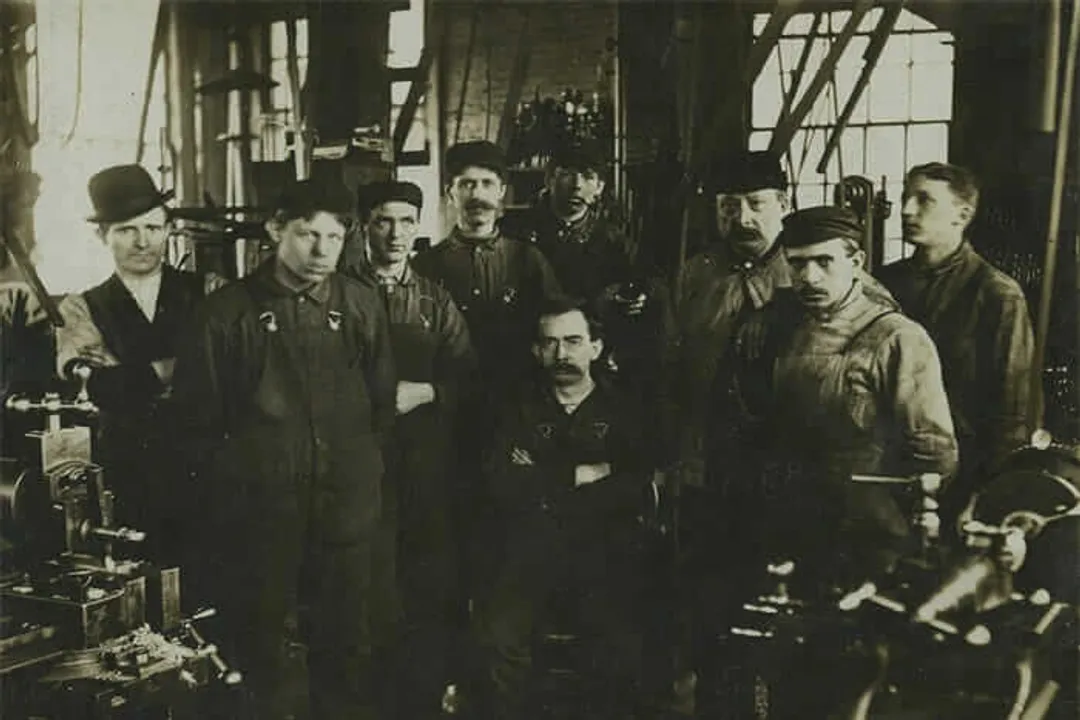
The development of reliable stopping power on trains represents one of the most significant, yet often unsung, advances in transportation history, fundamentally changing how fast railways could safely operate. While many inventors tinkered with mechanical systems—relying on hand cranks, levers, and friction blocks applied individually to each car—it was a single, integrated pneumatic solution that finally solved the catastrophic problem of runaway trains. That solution belongs to George Westinghouse Jr..
# Braking Dangers
Before the 1860s, railway braking was an exercise in compromise and risk management. Brakemen often had to run along the tops of moving cars, manually applying hand brakes to slow down freight or passenger trains. This process was inherently slow, inconsistent, and incredibly dangerous for the crew members involved. A train going downhill or traveling at high speed might require hundreds of feet, or even a mile, to stop fully, as the braking force was limited to what a few men could physically manage on the lead cars, with subsequent cars barely slowing down. This physical limitation directly restricted how frequently trains could run and how fast they could safely travel. The industry needed a mechanism that provided uniform, powerful, and instantaneous stopping force across the entire length of a long train.
# Air Brake Invention
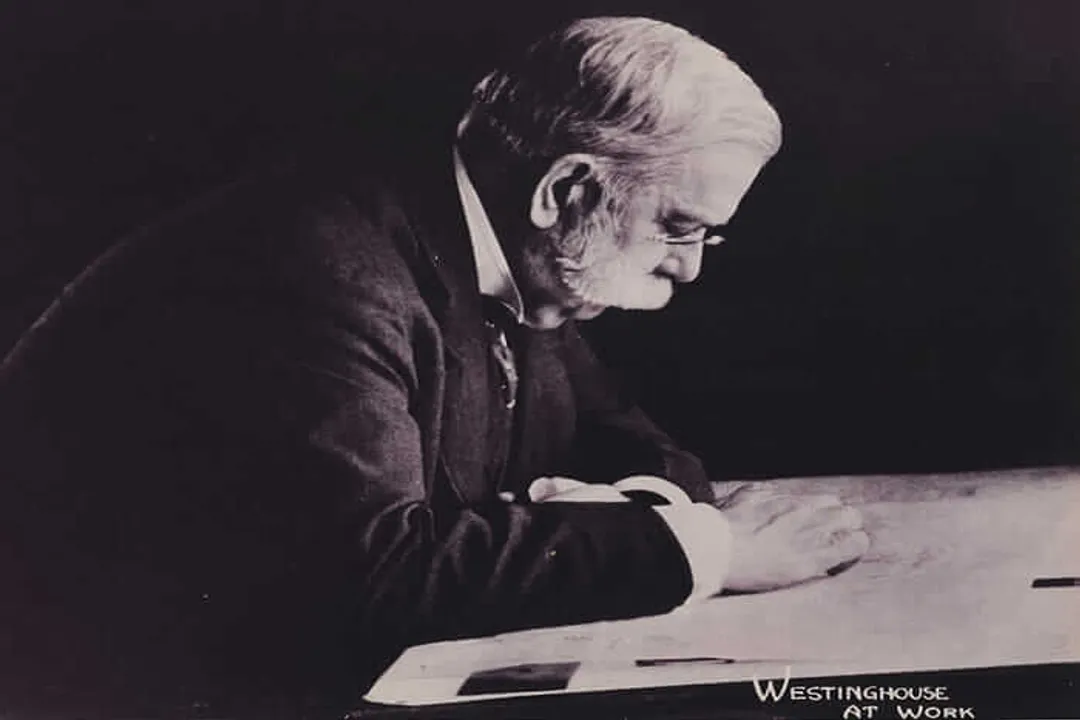
George Westinghouse, born in Schenectady, New York, held numerous patents for inventions ranging from railway frogs to bridge building before he turned his attention to rail safety. He was inducted into the National Inventors Hall of Fame for his groundbreaking work. The pivotal moment came around 1869 when Westinghouse invented the air brake. This was not merely an improved mechanical device; it was a completely new approach rooted in fluid dynamics. The system relied on compressed air to actuate the brakes on every car simultaneously.
It is interesting to note that while Westinghouse is widely credited with the successful air brake, his initial interest in the concept may have been sparked by observing a railway accident where better stopping power could have saved lives. However, the breakthrough was figuring out how to apply that power effectively across a multi-car consist.
# Pneumatic System
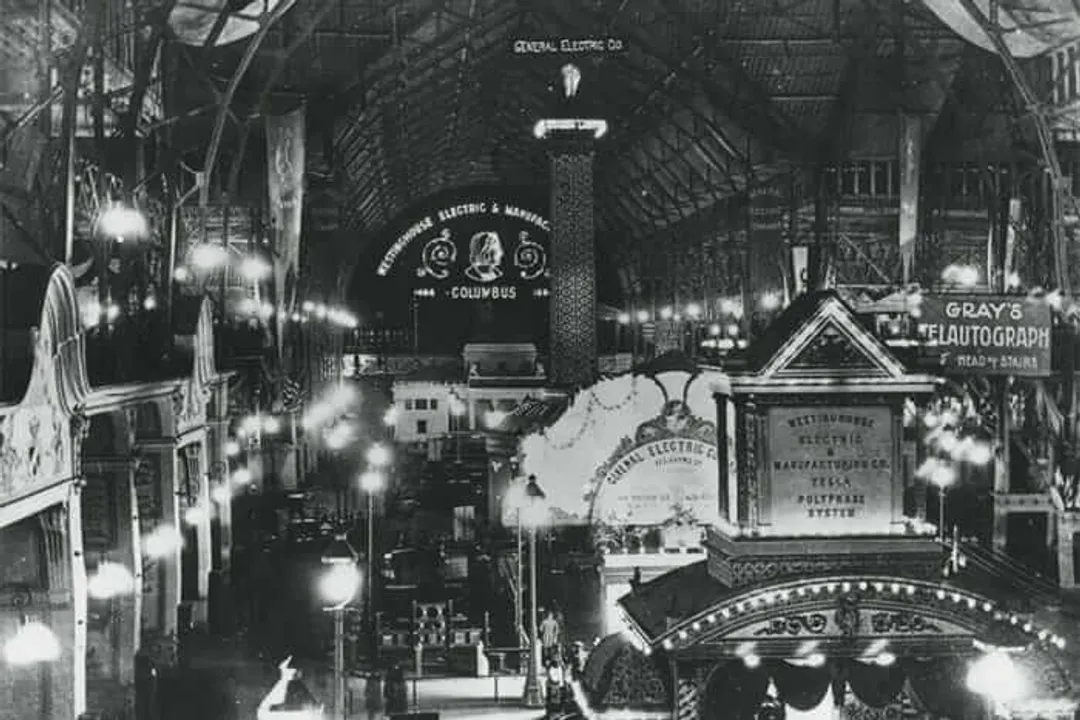
The genius of the Westinghouse system, often referred to as the Westinghouse Air Brake, lay in its elegant simplicity and its built-in safety feature. The system used a continuous line of pipe running underneath the cars, charged with compressed air from the locomotive. When the engineer wished to slow the train, he would release the air pressure in the main line. Crucially, the brakes were designed so that a loss of air pressure—whether intentional by the engineer or accidental due to a broken hose—would apply the brakes immediately. This fail-safe mechanism transformed the safety profile of rail travel overnight.
The transition from hand brakes to this pressurized system required a significant standardization effort across the burgeoning American rail network. It was one thing for Westinghouse to patent and demonstrate his device; it was quite another to convince dozens of competing railway companies to retrofit their rolling stock and adopt the same pneumatic standards for interoperability. This move from localized, independent car braking to a unified, centralized system demanded an infrastructure overhaul that few prior inventions had ever required. The ability to stop reliably also translated directly into economic gains; once a train could stop within a predictable, much shorter distance, scheduling could become tighter, allowing more trains to safely occupy the same track mileage per day.
# Engineering Career
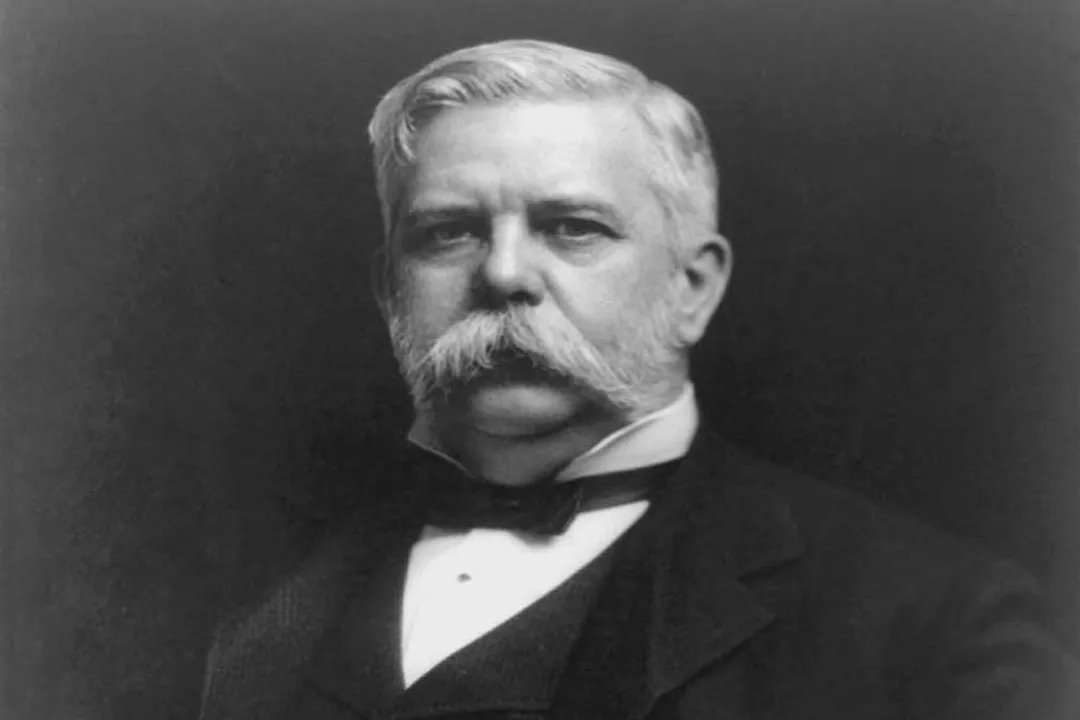
Westinghouse’s impact on industry extended far beyond the rails. His general drive for safety and efficiency informed his other business ventures. He was involved in developing electric power transmission systems, eventually working with Nikola Tesla on alternating current (AC) technology, which fundamentally changed how electricity was distributed across long distances. His association with these different fields demonstrates an underlying expertise in applying engineering principles to large-scale, complex systems, making his success with the air brake less of an isolated event and more a natural progression of his professional philosophy. His initial work in manufacturing durable components for his various inventions gave him the manufacturing base necessary to produce the complex compressors and valve assemblies required for the air brake itself.

# Safety Standard
The adoption of the Westinghouse air brake became a benchmark for operational safety. While other inventors, such as George Westinghouse Jr. himself, continued to refine braking technology over the decades, the core concept established in 1869—a continuous, pneumatic, fail-safe line—persisted. The evolution of the brake system continued into the modern era, incorporating features like the triple valve, which manages the charging, applying, and releasing functions more intelligently, but the underlying reliance on compressed air remains a direct lineage to that first successful demonstration over a century and a half ago. Examining the historical adoption rates, one can often find that railway companies that adopted the air brake early saw lower accident rates, which in turn often correlated with better insurance rates and public perception—a tangible, quantifiable benefit that drove further adoption even among reluctant managers. The railway brake, invented by Westinghouse, did more than just stop trains; it enabled the modern, high-speed, interconnected rail network we recognize today by conquering the tyranny of distance and momentum.
Related Questions
#Citations
George Westinghouse - Wikipedia
NIHF Inductee George Westinghouse and the Air Brake System
History on Track: In 1869 George Westinghouse invented the air ...
Biography - George Westinghouse - ZF
Air Brake Invention at the Heart of Westinghouse Safety Legacy
learning from great projectors: George Westinghouse - IPMA World
George Westinghouse: life, inventions & Edison rivalry - Autodesk
George Westinghouse Historical Marker - Explore PA History
History on Track: In 1869 George Westinghouse invented the air ...