Who invented the power transformer?
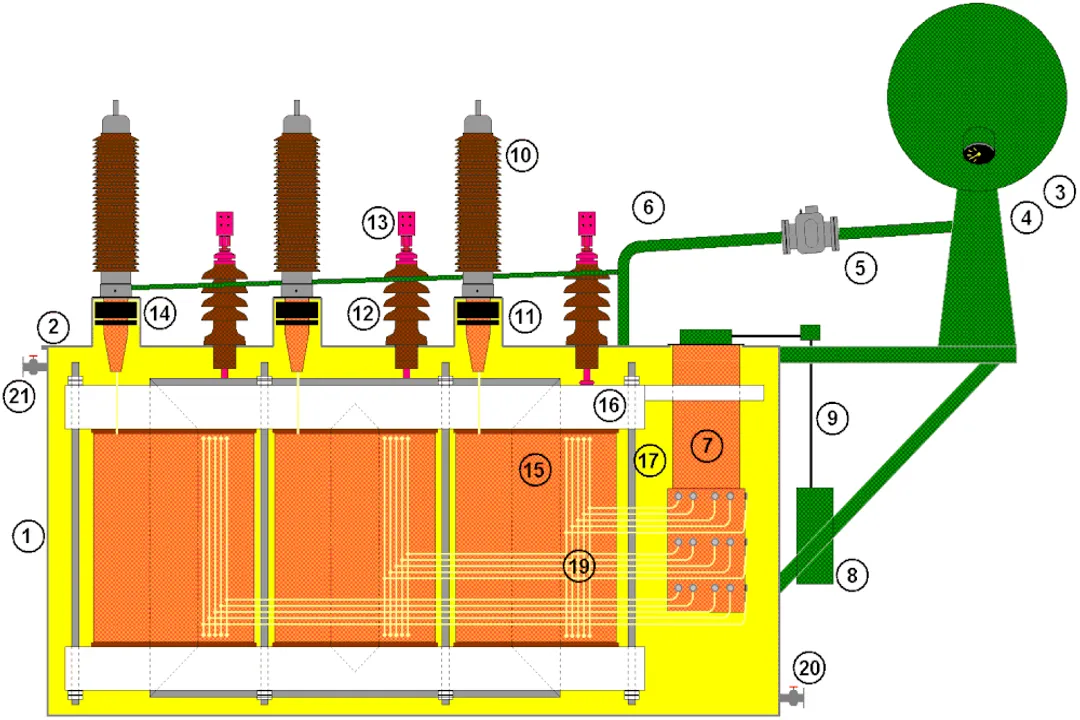
The story of who invented the power transformer isn't a simple answer pointing to a single person and a single date. Instead, it’s a tale built on fundamental scientific discovery followed by critical engineering application necessary for modern electrical grids. The foundational principle that makes all transformers work was demonstrated in the early 1830s, long before high-voltage alternating current (AC) transmission became a reality. [6]
# Induction Principle
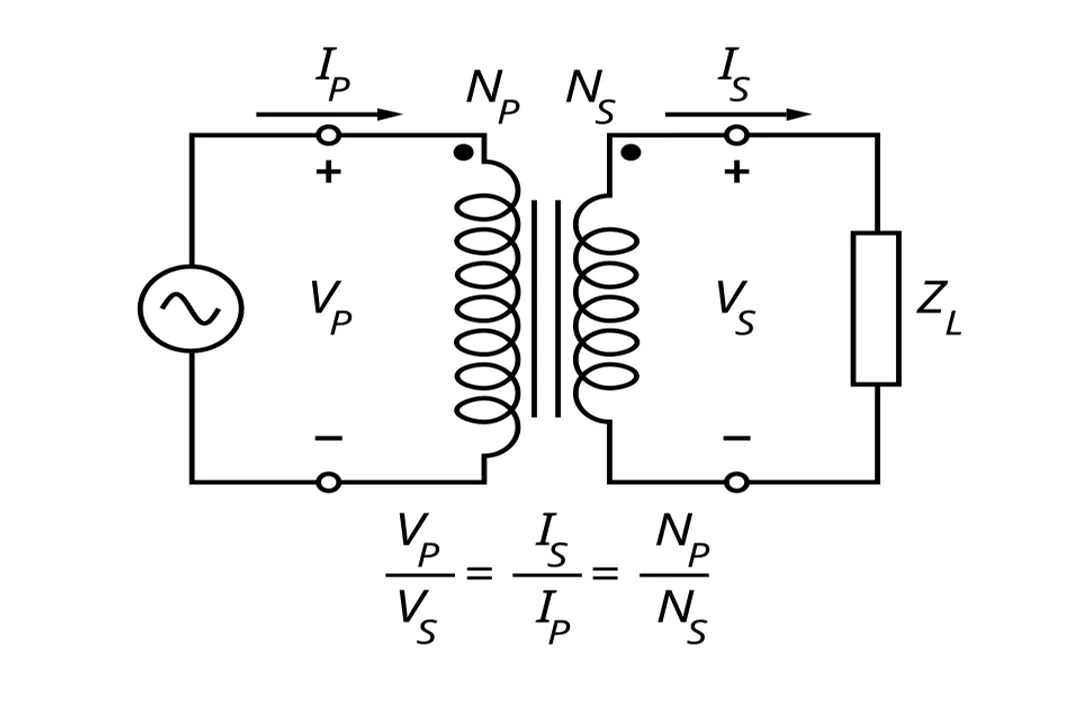
The essential concept relies on electromagnetic induction, a phenomenon first clearly demonstrated by Michael Faraday in August 1831. [4][3] Faraday’s experiments involved wrapping two separate coils of wire around an iron ring. [4] When he connected one coil to a battery, causing current to flow, he observed a momentary flicker of a galvanometer needle connected to the second, unconnected coil. [4][3] This showed that a changing magnetic field could induce an electrical current in a nearby conductor. [9] This ability to transfer energy between two electrically isolated circuits via magnetism is the very definition of the transformer principle. [1] While Faraday proved the concept was possible, his setup was a laboratory demonstration, not a device designed for efficient, scalable power transmission. [9] Joseph Henry also conducted related experiments around the same time period concerning induction. [9]
It is important to recognize the intellectual leap between observing a transient effect in a lab and designing a device that can continuously manage power flow. Faraday established how energy could be transferred magnetically, but the engineering challenge remained to build a device that could efficiently step voltage up for long-distance travel and then step it back down safely for consumer use. [6] The early DC systems struggled with this, as power loss over distance was prohibitive unless generators were placed very close to every customer. [6]
# AC Distribution
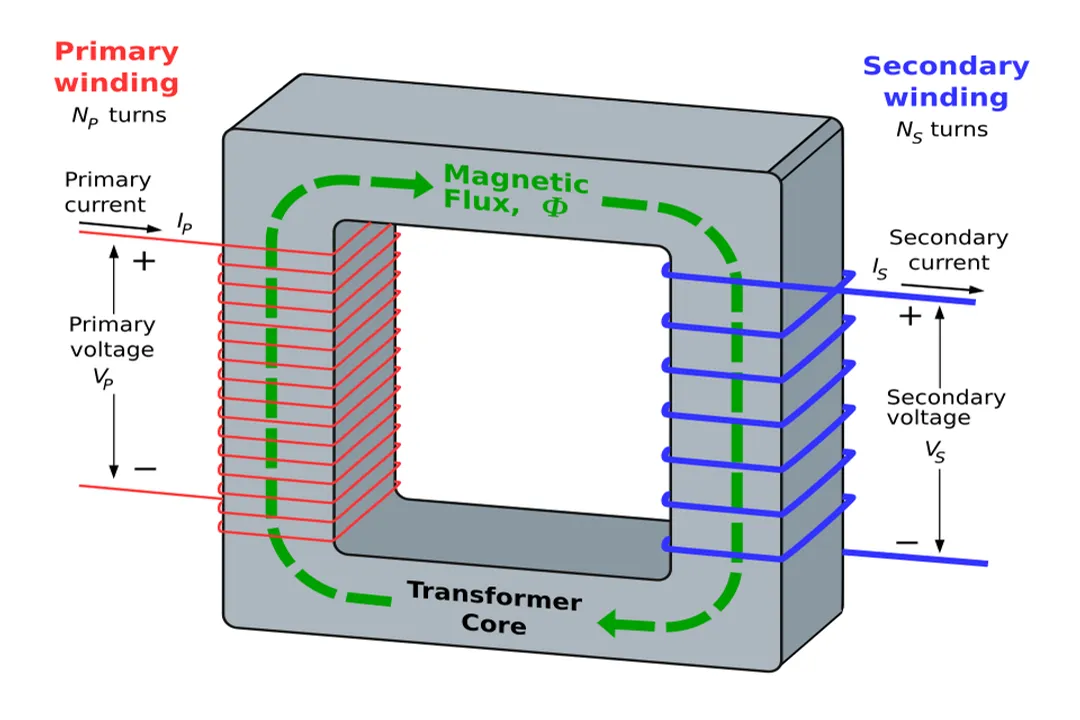
The true need for the power transformer arrived with the adoption of Alternating Current (AC) over Direct Current (DC) in the late 19th century. [5] AC systems are vastly superior for bulk power transmission because transformers easily change the voltage level. To send electricity over many miles efficiently, the voltage must be stepped up very high—often tens of thousands of volts—to keep the current (and thus resistive losses) low. [6] Once the electricity reaches a town or city, the voltage must be stepped down to safer levels for factories and homes. [1][6] Without a reliable, high-efficiency device to perform these voltage conversions, the AC system that powers the world could not have won the "War of Currents". [5]

# Stanley Device
The credit for the first truly practical AC power transformer often lands with William Stanley Jr., working for Westinghouse. [5][6] Around 1886, Stanley developed what was known as the Stanley induction coil. [5][6] This device marked the critical step from theoretical physics to functional electrical engineering infrastructure. [5] While others were working on similar concepts—including Lucien Gaulard and John Gibbs, whose designs used open magnetic circuits—Stanley’s design utilized a closed iron core, which significantly improved efficiency. [5][9] The Stanley transformer was instrumental in demonstrating the viability of centralized power generation and long-distance AC distribution. [5]
Comparing Stanley's contribution to Faraday's is crucial: Faraday created the physics proof; Stanley engineered the product that solved an immediate, large-scale industrial problem. [5] Stanley's transformer could handle the necessary power demands to be integrated into the burgeoning utility networks. [5] A later example that highlights this engineering evolution is the Stanley transformer from 1886, which utilized an iron core designed to maximize the magnetic coupling between the primary and secondary windings. [5]
# Core Design
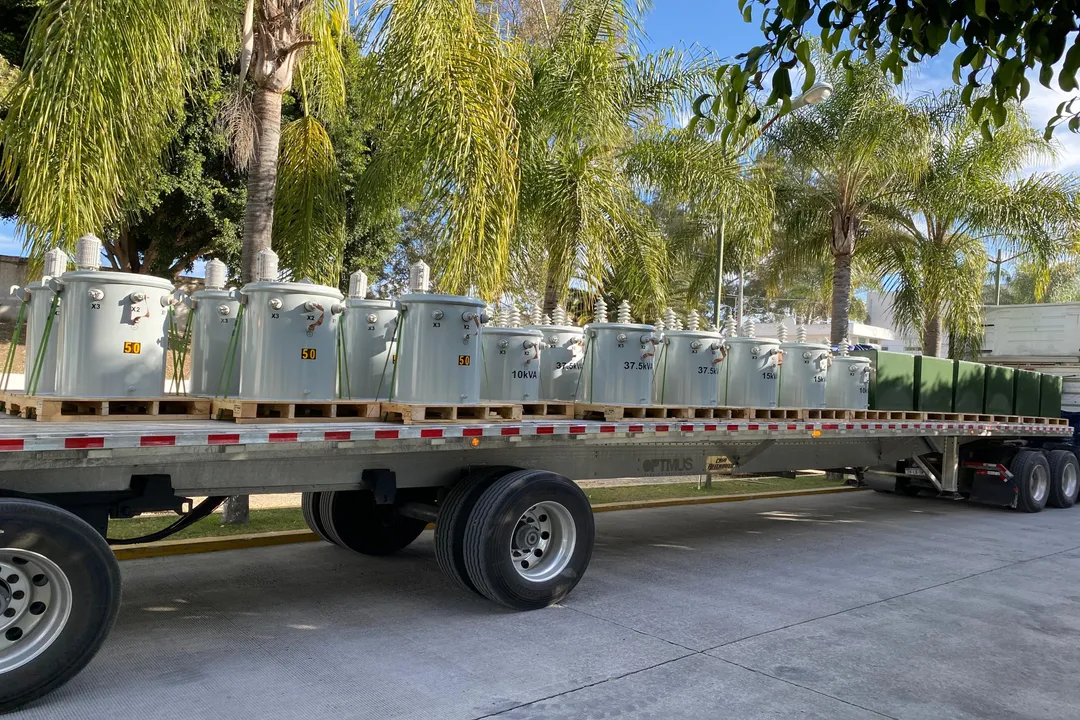
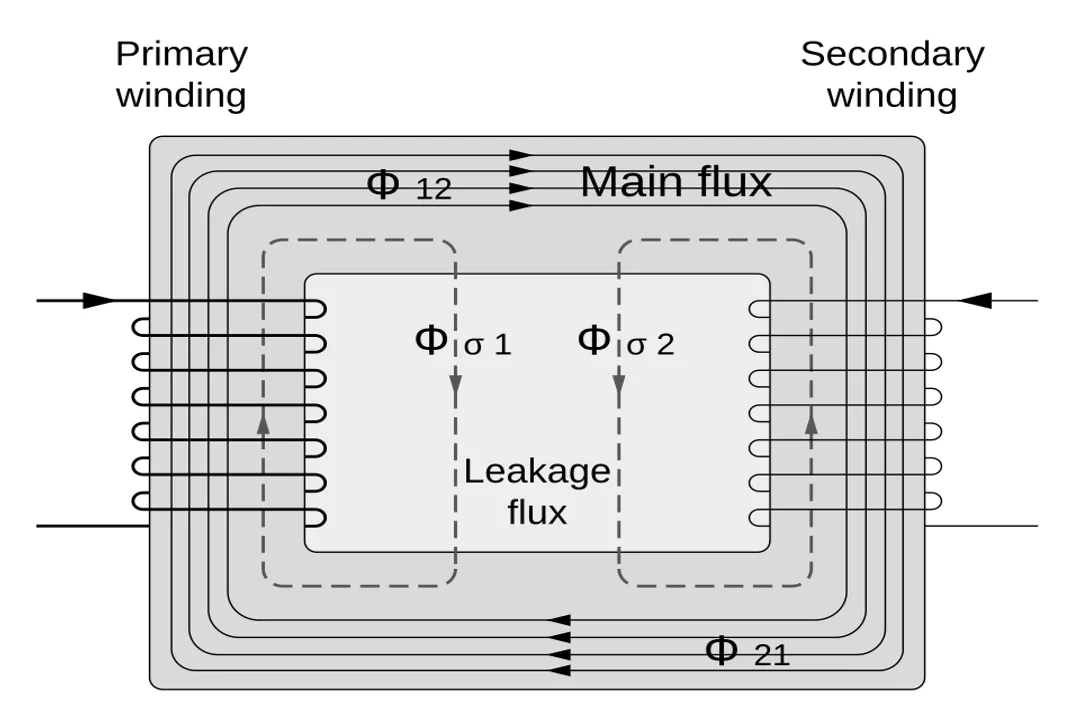
The performance of any transformer hinges on the magnetic core, and the refinement of this component was a major area of development following Stanley’s initial success. [9] Early devices might have relied on simple solid iron cores, but as engineers pushed for higher frequencies and greater efficiency, they encountered issues like eddy currents—small, wasteful circulating currents induced within the core material itself. [9]
To combat these parasitic losses, inventors turned to lamination. [9] Instead of using a single, solid block of iron, the core was constructed from thin sheets of iron separated by an insulating material (like paper or varnish). [9] This design breaks up the path for eddy currents, drastically reducing energy loss as heat. [9] This advancement in material science and construction, often associated with developments building upon the initial concepts by Faraday and Stanley, made transformers economically feasible for widespread power systems. [9] The transition from simple wound coils to meticulously designed, laminated iron cores is perhaps the unsung engineering success story behind the modern power grid, moving efficiency from a laboratory curiosity to a highly profitable necessity. [1]
# System Necessity
The power transformer, in its realized form, is not just an invention; it is the enabling technology for the modern electrical utility structure. [6] Before transformers, power systems were localized; every factory or small town might need its own generator setup. [6] The transformer allowed for massive, centralized power stations situated near fuel sources (like coal mines or rivers) to serve vast geographical areas. [6]
Consider the economics: if you transmit power at 10,000 volts versus 100 volts, you only need 1/100th of the conductor material for the same amount of power transfer over distance (since ). However, the equipment needed to handle 10,000 volts is more complex and expensive. The transformer solves this dilemma by allowing utilities to use extremely high voltages for transmission and then revert to safer, lower voltages right at the point of use. [6] This dual capability is why the AC system, underpinned by the transformer, became dominant. [5] The ability to efficiently transform voltage is the core attribute that separates the transformer from other electromagnetic devices like motors or simple induction coils. [1] The modern transformer, which may look superficially similar to Stanley’s early design, still operates on those exact same physical laws discovered by Faraday, yet it is infinitely more complex in construction, cooling, and insulation to handle the gigawatts flowing through today's lines. [9]
#Videos
History of Power Transformers - YouTube
Related Questions
#Citations
History of Transformers - Edison Tech Center
The accidental invention of the transformer - TMC Transformers
History of Power Transformers - YouTube
August 29, 1831: Michael Faraday invents the transformer - ABC27
Stanley Transformer – 1886 - Magnet Academy - National MagLab
A Brief History of the Power Transformer - Aim Dynamics
Transformer - Wikipedia
Fascinating Facts About Electrical Transformers
Energy Trailblazers: Faraday, Henry, Stanley and the Evolution of ...