When was the first power supply unit invented?
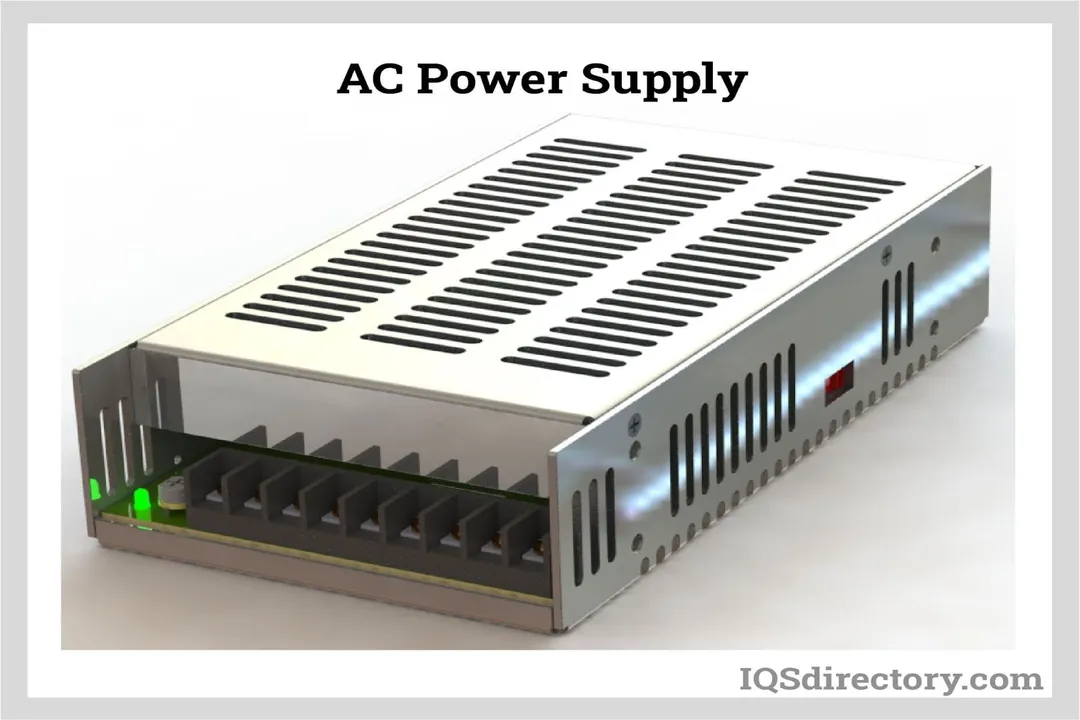
The simple box tucked away in the back of a computer case, the Power Supply Unit, or PSU, is arguably one of the most taken-for-granted components in modern electronics, yet its development represents a fascinating timeline of electrical engineering breakthroughs. Pinpointing a single "invention" date is tricky because the concept evolved from simple needs—turning wall current into something usable—to the sophisticated, high-frequency switching devices we rely on today. [5] Early electronic devices, particularly those using vacuum tubes, required power sources that could convert the alternating current (AC) from the mains into the necessary direct current (DC) voltages, often at different levels, for their circuits to operate. [2][5] This initial requirement gave rise to the earliest forms of power supplies, which were primarily based on transformers and rectifiers to achieve this fundamental conversion. [5]
# Early Needs

Before the mid-20th century, power supplies were less about efficiency and more about brute-force conversion. For early radio equipment and, later, the first mainframes, the required DC voltages were achieved using large transformers to step down the line voltage, followed by rectifier circuits, often using vacuum tubes, to change the AC into pulsating DC. [3][5] These early units were characterized by their immense size, significant weight, and substantial heat production because they had to dissipate the enormous amount of energy wasted during the transformation process. [3] The regulation—keeping the output voltage steady despite fluctuations in input voltage or load changes—was often poor or achieved through bulky, inefficient methods.
The transition from simple rectification to true regulation marks a critical, if undated, step in PSU history. For electronics to become reliable, especially as they moved toward calculating machines, the output voltage could not simply track the input voltage; it needed to remain constant, regardless of what the attached device was demanding. [5] This necessity spurred the development of linear regulated power supplies (LPS). These supplies used linear elements, such as transistors operating in their active region, to continuously dissipate excess power as heat, thereby maintaining a stable output voltage. [3] While this provided the stable DC power computers needed, it came at a steep cost in terms of power consumption and physical footprint.
# Switching Change
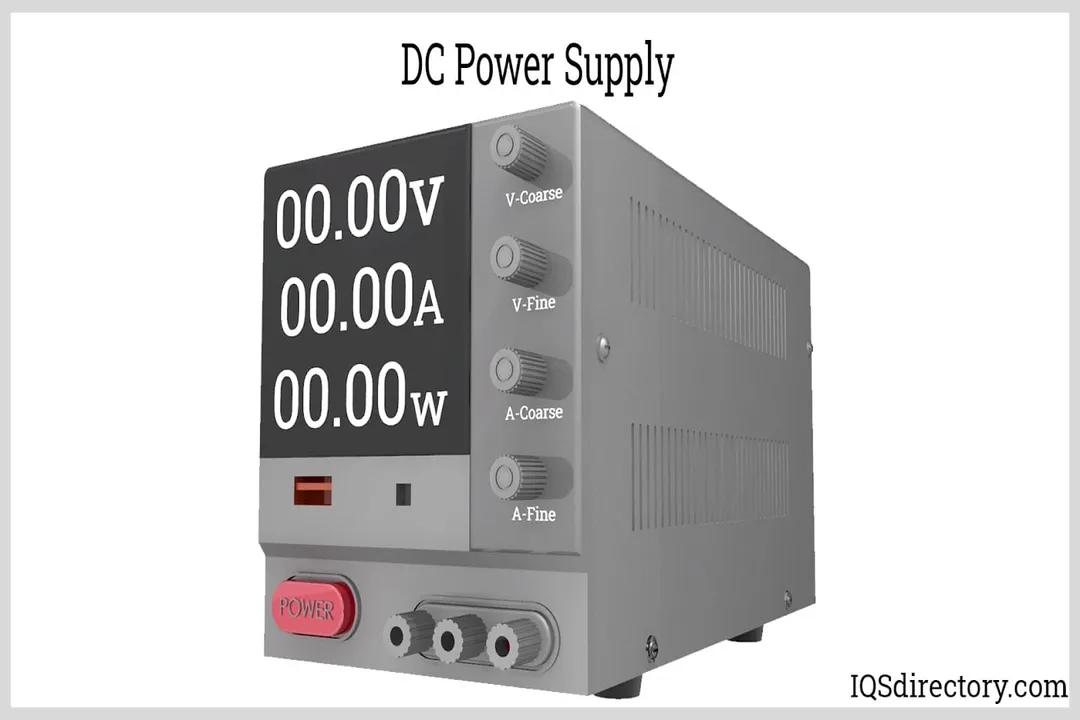
The true revolution in power supply technology, the moment that arguably gave birth to the modern power supply unit as we recognize it, arrived with the widespread adoption of the Switch Mode Power Supply (SMPS). [3] This change wasn't about making the DC/AC conversion slightly better; it was a fundamental rethinking of the process. Instead of dissipating excess energy as heat, the SMPS rapidly switches a transistor on and off—often at very high frequencies—to control the amount of energy transferred, storing the temporary excess in magnetic components like inductors and capacitors. [3][7]
The timing of this technological shift is strongly linked to advancements in semiconductor technology. The widespread availability of reliable, fast-switching transistors in the late 1960s and early 1970s made the complex, high-speed switching necessary for an effective SMPS feasible. [7] This development was transformative. Compared to their linear counterparts, SMPS units could achieve significantly higher efficiency—often over 80% or 90%—and dramatically reduce their size and weight because the large, heavy 50/60 Hz transformers could be replaced with much smaller, lighter, high-frequency transformers. [3] If we consider the invention of the power supply that defines modern electronic design, the late 1960s to the early 1970s period, when switching regulators matured, stands out as the defining era. [7]
One can visualize the difference by considering a typical early computer requiring 500 watts. An LPS might convert 200 watts into heat just to maintain regulation, resulting in a power supply weighing perhaps 40 pounds. [5] An SMPS of the same era, using the newly perfected switching techniques, could achieve 85% efficiency, meaning only 75 watts were wasted, and the entire unit might weigh less than 5 pounds. [3] This massive reduction in size and waste power was the enabling factor for the next generation of smaller, more accessible electronics, including personal computers.

# Computer Integration
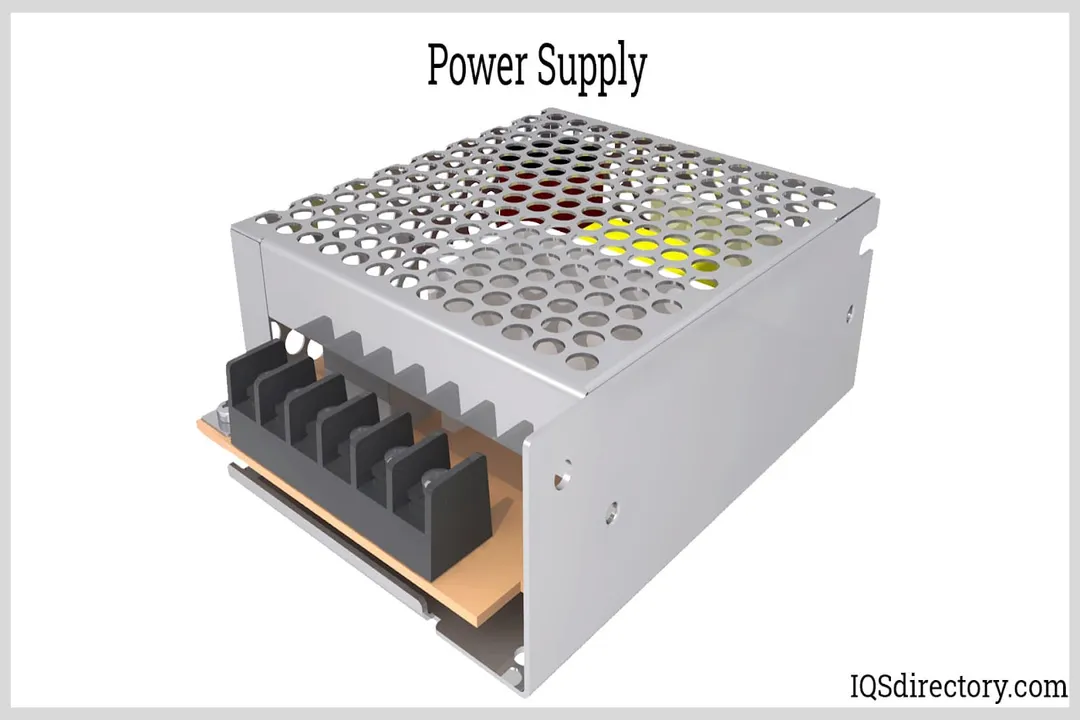
As personal computing took off, the requirements for the internal power unit became standardized, moving the PSU from a generalized component to a specifically defined piece of hardware within the PC architecture. [1] Early standardized PC power supplies followed the AT form factor, delivering several fixed voltages necessary for components of that time, such as +5V, -5V, +12V, and +3.3V (though the latter two became more prominent later). [1] These early PC PSUs were often still based on switching technology developed in the preceding decades, but they had to meet specific mechanical and electrical interface standards for motherboard compatibility. [1]
The next major milestone in the history of the computer PSU was the introduction of the ATX standard by Intel in the mid-1990s. [1] The ATX specification brought several crucial improvements that built upon the foundation of the efficient SMPS design. For instance, ATX introduced a soft power-on feature, meaning the motherboard could signal the PSU to turn on or off via a signal rather than relying on a mechanical switch cutting the main AC line—a feature impossible with older linear designs. [1] Furthermore, the ATX standard refined the voltage outputs, focusing heavily on the +12V rail needed to power modern processors and graphics cards, a clear evolutionary step from the older standard where +5V was dominant. [1]
The complexity inside a modern ATX power supply is a direct descendant of that mid-century switching regulator breakthrough. An engineer repairing an older linear supply might primarily focus on replacing tired electrolytic capacitors or burnt resistors in the filter stages. However, troubleshooting a modern PSU involves analyzing high-frequency switching circuits, looking at pulse-width modulation (PWM) control signals, and checking MOSFETs—all specialized components that didn't even exist when the first AC-to-DC converters were being built decades prior. [5] This structural difference highlights how the invention of the switching principle redefined the entire field of power electronics.
# Backup Systems
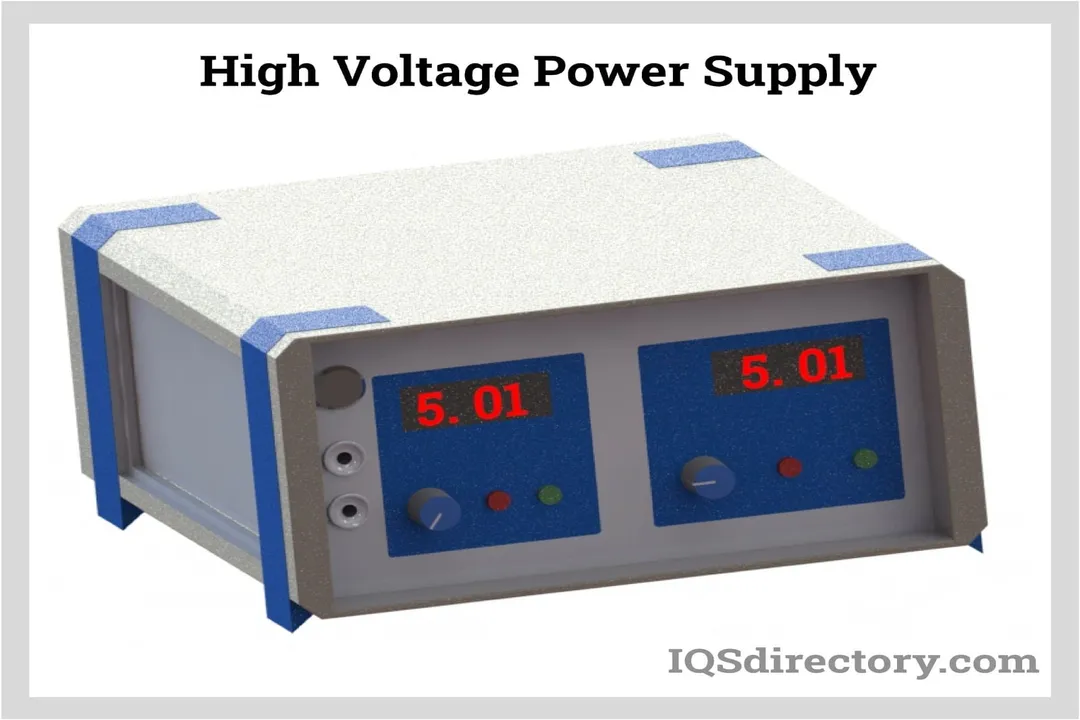
While the core PSU handles the real-time conversion from wall power to usable DC, the necessity for uninterrupted power in mission-critical computing led to the parallel development of the Uninterruptible Power Supply (UPS). [8] The concept of providing emergency power backup predates modern computing, but the modern UPS, which uses batteries to provide immediate, conditioned power when the mains fail, saw significant development concurrent with large computer systems. [8] Early power conditioning systems for major mainframes often involved massive, complex motor-generator sets, which functioned as mechanical power stabilizers before the electronic UPS became dominant. [8]
The history of the UPS shows a progression from simple standby systems to modern online (double-conversion) units, mirroring the PSU’s own journey towards higher reliability and efficiency. [8] While a UPS sits outside the computer chassis, its purpose is intrinsically linked to ensuring the survival and stability of the power being delivered by the internal PSU. It tackles power quality issues like sags, surges, and outages, protecting the sensitive switching circuits within the computer's PSU from external shock. [8]
| Power Supply Type | Primary Conversion Method | Typical Efficiency | Size & Weight | Era of Dominance |
|---|---|---|---|---|
| Simple Rectifier | Transformer, Diode Bridge | Low (Approx. 50-65%) | Very Large, Heavy | Pre-1960s |
| Linear Regulator (LPS) | Transistors dissipating excess | Moderate (Approx. 40-60%) | Large, Heavy | Early Computing |
| Switch Mode (SMPS) | High-frequency transistor switching | High (80%+) | Small, Light | Post-1970s/Present |
This table summarizes the massive technological leap represented by the SMPS invention. The ability to achieve high efficiency (a key feature of the switch-mode design) wasn't just an optimization; it was the entry ticket for powerful, dense electronics like modern desktop PCs and servers, where heat rejection in a small space is a primary engineering constraint. [3][7] The efficiency gains directly translate to lower operating costs and smaller cooling systems, making the underlying switching principle the most consequential "invention" in the PSU's history.
#Videos
History of Computer Power Supplies - YouTube
Related Questions
#Citations
Power supply unit (computer) - Wikipedia
When was the power supply invented? - Quora
History of Switch Mode Power Supplies (SMPS) - XP Power
The Power Supply of a Computer - Prezi
Understanding a Power Supply Unit: History, Classification, and More
History of Computer Power Supplies - YouTube
History of The Uninterruptible Power Supply | FGC
A Half Century Ago, Better Transistors and Switching Regulators ...
Power Supplies Manufacturers and Suppliers - IQS Directory