Who invented telemedicine vans?
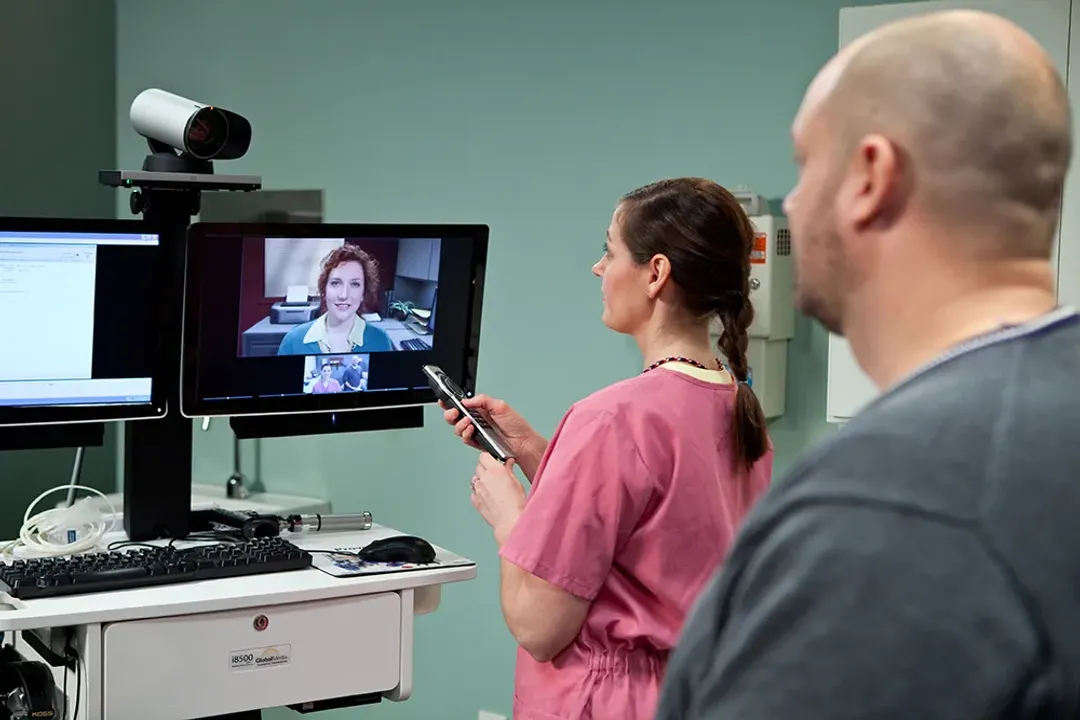
The concept of bringing medical consultation to a patient, rather than requiring the patient to travel to a fixed location, is not new, but the modern execution through specialized vehicles represents a significant leap forward in access to care. To understand who conceived of the telemedicine van, we first have to appreciate the lineage of remote healthcare itself, which stretches back much further than the vehicle on four wheels. Telemedicine, in its broadest definition, involves the use of telecommunications and information technology to provide clinical healthcare from a distance. [3] This practice has evolved from simple telephone consultations to include sophisticated remote monitoring and diagnostics.
# Remote Care Genesis
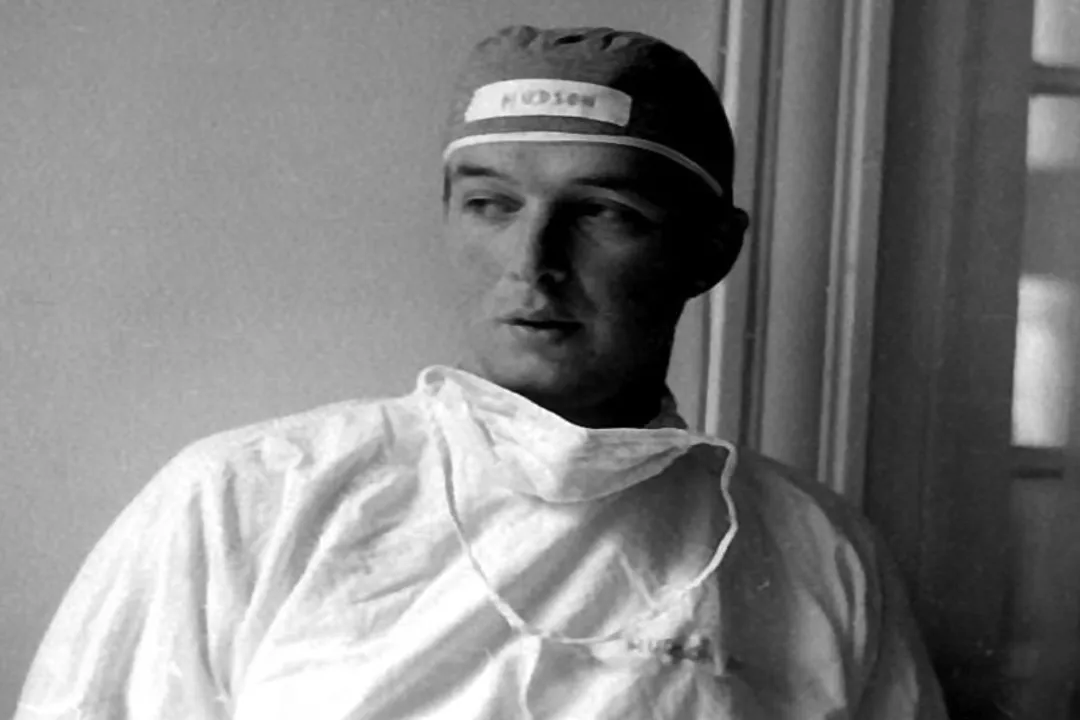
The very earliest forms of what we now call telehealth involved using communication tools available at the time. For instance, the origins of remote medical aid can be traced back to the late 19th century when telegraphy allowed for the transmission of medical information over distance. [9] As telephony advanced, so did the potential for remote diagnosis, turning everyday communication devices into rudimentary medical conduits. [10]
Even within government institutions dedicated to serving veterans, the drive to bring services closer to the patient was evident long before dedicated vans became common. The U.S. Department of Veterans Affairs (VA) documented using a VA Telehealth Cart as one of its early objects representing its commitment to innovation. [8] This cart, likely housing early digital tools on wheels, demonstrates an established institutional goal: mobility in service delivery. However, this cart is a precursor; it suggests a mobile capability but not necessarily the fully equipped, purpose-built, and technologically integrated structure that defines the modern "telemedicine van."
The development of remote patient monitoring (RPM) in the late 20th and early 21st centuries provided the crucial technological foundation. RPM systems allow clinicians to track vital signs and other health data from afar, creating the necessary trust and data streams required for virtual visits to become clinically viable. [5][10] These underlying technologies—secure data transmission, high-quality video conferencing, and digital diagnostic tools—are what truly enabled the telemedicine aspect of the van concept.
# Mobile Clinic History
Before the term "telemedicine van" gained traction, the idea of a mobile clinic was already established, often focusing on vaccinations, screenings, or dental services. These previous models were primarily about physical outreach and transportation of personnel and basic equipment. The key innovation that differentiates the modern telemedicine van from a standard mobile health unit is the integration of real-time, high-fidelity remote clinical consultation. [6]
Consider the distinction: a traditional mobile clinic brings a nurse practitioner and paper forms to a community center. A telemedicine van brings a remote physician who can conduct an examination via connected peripherals—like digital stethoscopes or dermatoscopes—with a local technician or aide facilitating the physical connection. This capability bridges geographical gaps in ways earlier mobile efforts could not.
The speed at which telehealth has been adopted and expanded is undeniable, with various organizations contributing to its growth across different sectors, from military applications to rural health initiatives. [3][10] The shift toward making these tools truly portable and self-sufficient for street-level deployment is where the narrative narrows down to specific entrepreneurs and organizations.
# Van Concept Emergence

When pinpointing the "inventor" of the telemedicine van as a distinct, modern, and marketed solution, the sources point strongly toward specific contemporary figures dedicated to this exact service delivery model. Dion Rambo, identified as the founder of Telehealth Van, appears central to the popularization and implementation of this dedicated vehicle structure. [2][4] Telehealth Van’s mission, as presented through their own channels, involves taking healthcare directly to underserved communities using custom-equipped vehicles. [4][7]
The organization’s focus is explicitly on deploying these specialty vehicles, equipped to provide direct patient care sessions using telehealth technology, right on the streets. [4] This suggests that Rambo and his team were instrumental in conceptualizing and executing the combination of a fully equipped mobile platform with robust, end-to-end telehealth capabilities ready for immediate deployment outside a fixed clinic setting. [7] Their model is not simply putting a laptop in a bus; it is designing the entire workflow, technology stack, and physical space for remote clinical interaction on the road. [2]
It is important to note that while Telehealth Van is highlighted for bringing this specific van configuration to the forefront, the broader adoption of telehealth technology in various mobile settings—perhaps smaller screening buses or trailers used by hospitals for health fairs—may have occurred concurrently or slightly earlier. However, Rambo's work appears to define the specific entity associated with the Telemedicine Van brand and its mission to meet people where they are. [4]
# Onboard Technology
The functional identity of the telemedicine van rests entirely on its specialized internal technology. It must function as a small, secure, and reliable network hub capable of supporting high-definition video and transmitting sensitive biometric data. [6]
These specialized units go far beyond standard mobile workstations. A successful telemedicine van must house several key technological components to facilitate comprehensive care:
- High-Speed Connectivity: Reliable internet access, often employing multiple cellular carriers or satellite backups, is essential for maintaining continuous sessions. [4]
- Remote Diagnostic Tools: This includes peripherals like digital stethoscopes, otoscopes, and diagnostic cameras that allow a remote physician to gather physical exam data. [6]
- Secure Platform: The vehicle must run specialized software that ensures HIPAA compliance and protects patient privacy during transmission and storage. [4]
- Onsite Support: A crucial element often overlooked when discussing the invention is the local presence. The van typically requires a local technician or community health worker to interact with the patient, position cameras, manage the peripherals, and ensure the patient is comfortable with the technology. [2][4]
If we analyze the investment required, creating a truly effective telemedicine van involves a significant upfront cost beyond simply buying a large vehicle. It’s the cost of turning that vehicle into a certified, functioning micro-clinic. For instance, while a standard laptop might cost a few hundred dollars, the specialized peripherals, encryption hardware, and redundant connectivity needed for just one station in the van could easily run into several thousand dollars, multiplied by the number of patient bays. [6] This high barrier to entry explains why the implementation often comes from dedicated organizations rather than being spontaneously adopted by smaller, existing mobile screening operations.

# Community Access
The primary value proposition of the telemedicine van lies in its ability to overcome the three major barriers to healthcare access: distance, time, and stigma. While general telehealth addresses distance and time, the van adds a critical layer of physical presence. [3]
One insight gained from observing these specialized mobile efforts is that their success is intrinsically tied to community partnership rather than sheer technological capability. A technologically advanced van sitting unused in a parking lot is useless. The organizations deploying them must first establish relationships with community leaders, homeless shelters, or local non-profits to identify the precise locations where care is needed most and to build trust with potential patients. [4] The van itself acts as a highly visible, physical advertisement for available services, often drawing in individuals who might otherwise avoid traditional clinic settings due to past negative experiences, transportation issues, or social anxiety.
This physical touchpoint helps mitigate the perception that telehealth is impersonal. The interaction, though mediated by technology for the actual medical consultation, begins with a human connection facilitated by the van's staff. For populations facing housing insecurity or lacking consistent addresses, the van offers a reliable, predictable point of contact that moves to them.
The future of this model seems less about who invented the first one and more about how widely this proven structure can be replicated and sustained. As 5G technology becomes more prevalent, the bandwidth limitations that once constrained high-fidelity remote diagnostics will diminish further, potentially allowing even more complex procedures to be managed from the mobile platform. Furthermore, as the initial setup costs decrease, we may see hospitals or local health departments adopting similar concepts, perhaps in smaller, less customized forms, thus broadening the definition of the "telemedicine van" across various organizational structures dedicated to population health outreach.
#Videos
TeleHealth Van Reaches The Underserved In LA - YouTube
Related Questions
#Citations
TeleHealth Van Reaches The Underserved In LA - YouTube
The original, and only, TeleHealth Van service from the Homeless to ...
Telehealth - Wikipedia
The Evolution of Telehealth: Where Have We Been and ... - NCBI
TeleHealth Network takes health to the streets with TeleHealth Van ...
The Golden Anniversary of the Early History of Telemedicine ...
The History of Telehealth and Remote Patient Monitoring - Tenovi
Object 51: VA Telehealth Cart - VA History
About Us - TeleHealth Van
History & Future of Telehealth - LinkedIn