Who invented phosphorus recycling?
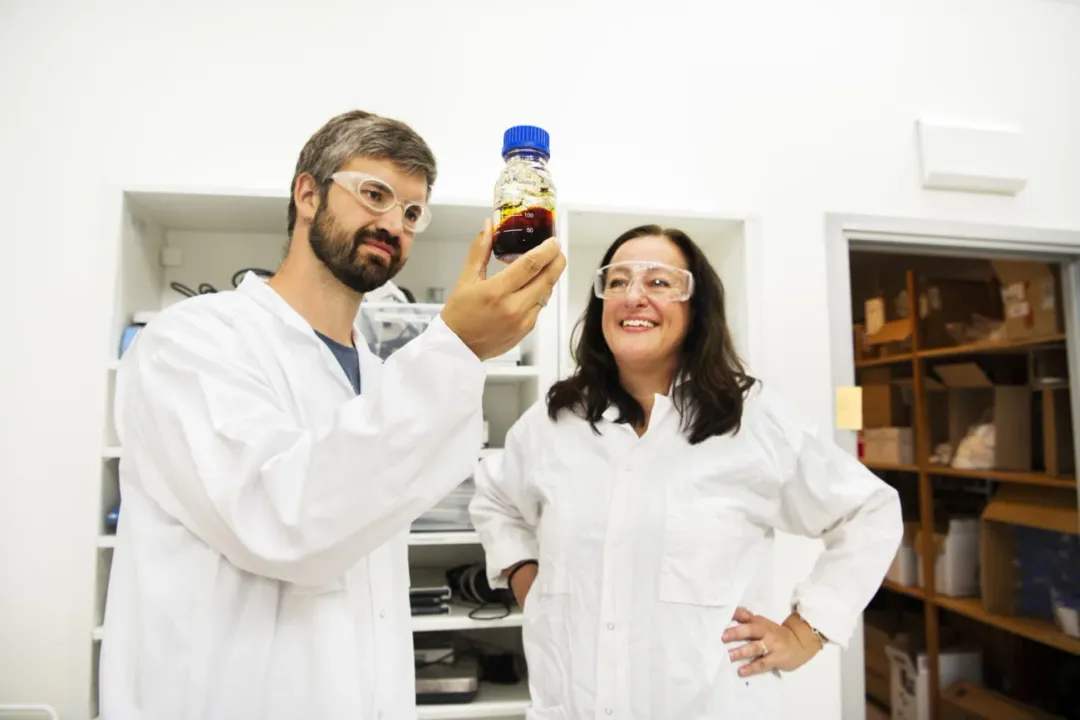
The story of phosphorus recycling doesn't begin with a single inventor or a neat patent date; rather, it emerges from the inescapable reality of geology and human dependence. Phosphorus, an element vital for all known life, has a history that stretches from accidental discovery to a central concern of global food security. This element, essential for the backbone of DNA and for energy transfer within every cell, was initially a rare, almost mystical substance. Its isolation marked a significant moment in chemical history.
# Elemental Isolation
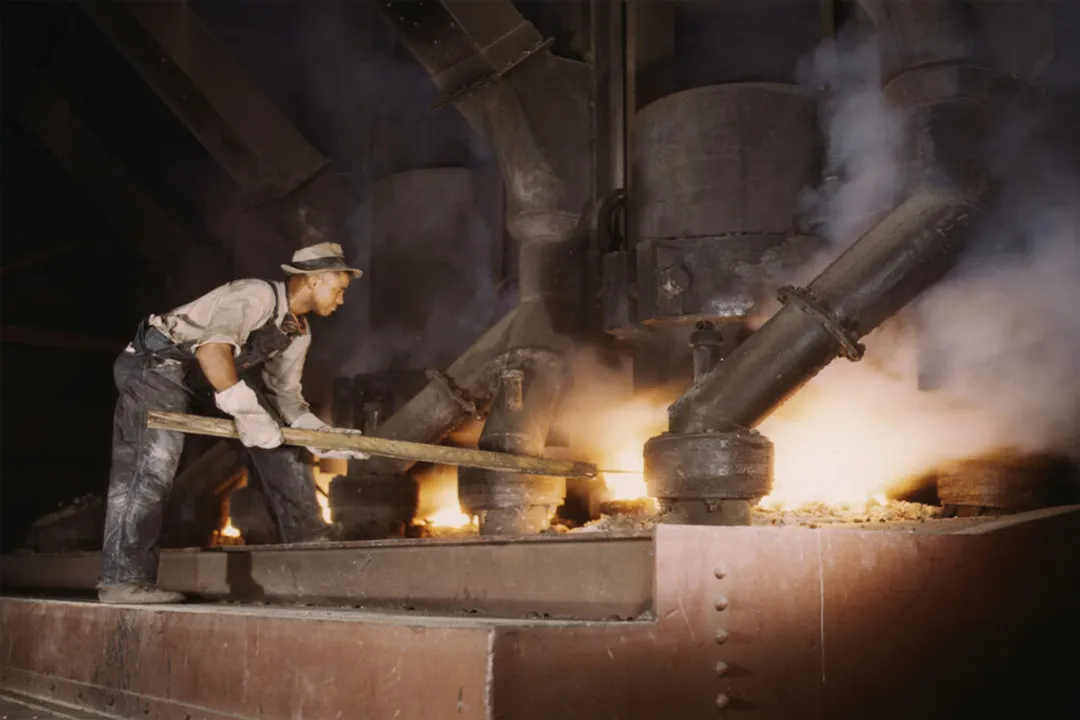
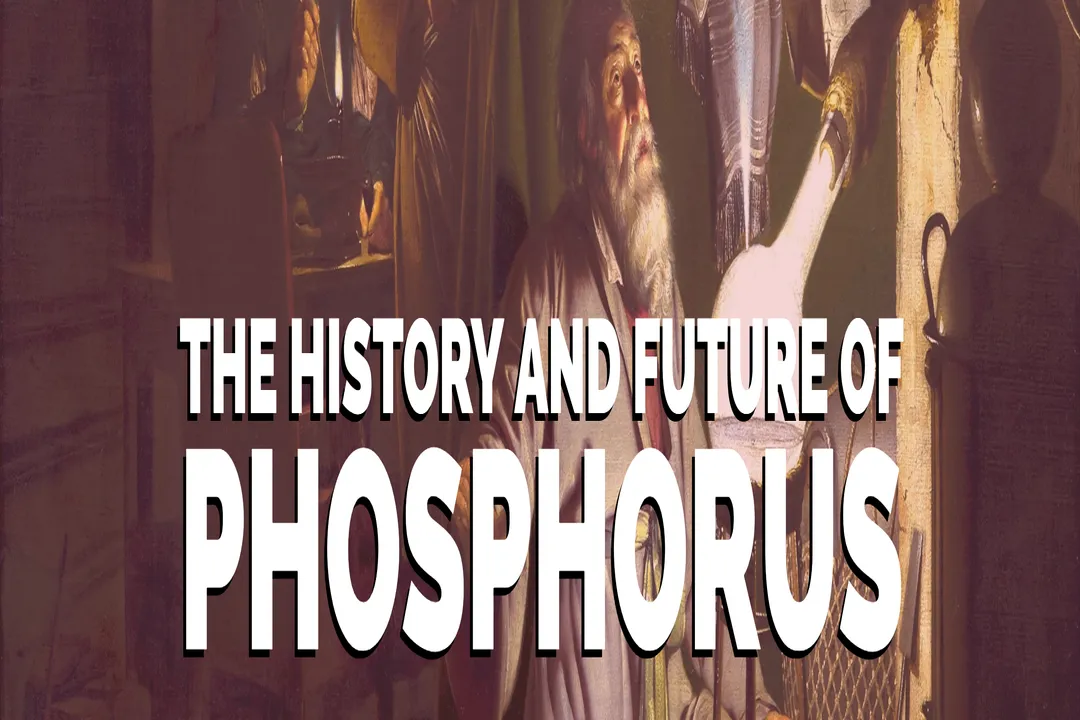
The initial breakthrough in isolating elemental phosphorus is credited to the German alchemist Hennig Brandt in 1669. [6][9] Brandt, residing in Hamburg, was attempting to distill a substance that he believed would yield gold, focusing his experiments on trying to isolate the "essence" of human urine, specifically the residue left after heating it. [6] His heating process involved drastic measures, reducing the material to a black, charcoal-like mass, which he then subjected to high heat in a retort. What resulted was not gold, but a material that glowed in the dark—a chilling and surprising phenomenon that Brandt named phosphorus, derived from Greek words meaning "light-bearer". [6][9] This discovery, occurring in the year that marked the 350th anniversary of phosphorus's existence as a known element, immediately captivated the scientific community due to its eerie luminescence. [9]
The early uses of this new element were largely confined to spectacle and medicine. Phosphorus was soon recognized for its potent, though dangerous, medicinal properties, leading to its inclusion in various 18th and 19th-century preparations. [3] However, the true scale of phosphorus’s importance became apparent not in the apothecary, but in the field.
# Global Reliance

The agricultural revolution of the 19th century hinged heavily on understanding soil nutrients. It was recognized that crops depleted the soil of essential elements, with phosphate being one of the key limiting factors for sustained high yields. [5] The primary source for this vital nutrient became phosphate rock, a finite geological deposit mined from specific locations around the globe. [1][5] This reliance cemented phosphorus’s role not just as a chemical curiosity, but as a strategic resource underpinning modern civilization’s ability to feed its burgeoning population. [1][5]
This method—extracting rock, processing it, and applying it to fields—became the linear model of phosphorus use: mine, make, use, dispose. For centuries, the phosphorus excreted by humans and animals, or remaining in uneaten food, was viewed as waste, flushed into waterways or otherwise lost to the immediate soil system, creating both a resource drain and an environmental burden. [1][8]
# The Finite Stock
The concept that triggered the modern push for recycling was the realization that this essential resource is non-renewable on any human timescale. [1] The term "Peak Phosphorus" emerged to describe the point at which the global production of high-quality phosphate rock—the most economically viable source—reaches its maximum rate before beginning an irreversible decline. [1] While the exact timing of this peak is debated, often shifting with new discoveries or extraction technologies, the underlying geological reality remains: the accessible, high-grade reserves are limited. [1][5]
This resource scarcity forces a fundamental shift in thinking. If the global population and agricultural demands continue to rise, reliance on finite rock reserves becomes unsustainable, economically and physically. [1][8] The consequence of this geological limit is that the invention of a "phosphorus recycling" process is not merely an interesting engineering feat; it is a requirement for long-term food security. [5]
In essence, the inventor of phosphorus recycling cannot be a single person like Brandt; it is the convergence of geology, global demography, and environmental science creating an absolute need for circularity. We are not choosing to recycle phosphorus; we are being forced to re-engineer our nutrient cycles to reflect the limited nature of the resource we unearthed in 1669. [8]
# Innovation in Recovery
Because the "invention" was driven by necessity rather than a single Eureka moment, the development of effective phosphorus recycling involves countless researchers, engineers, and sometimes even accidental observations across different waste streams. The goal is to recapture the phosphorus that has already been mined, processed, and used—the "legacy phosphorus" currently residing in the waste stream. [8]
One significant area of focus involves wastewater treatment plants (WWTPs). These facilities concentrate phosphorus, which enters the sewer system from human waste and detergents. [4] A key technological development in this space is the controlled precipitation and recovery of phosphorus-rich solid matter, often in the form of struvite (magnesium ammonium phosphate). Struvite is a highly desirable slow-release fertilizer. [4]
Research highlights recent advancements in making this process more efficient and cost-effective. For example, studies look at optimizing chemical conditions or using specific biological agents to drive the precipitation reaction in controlled ways. [2] While one source might detail a specific electrochemical process developed by a university team in 2019 to recover phosphorus from sewage sludge, [4] another might focus on modeling the overall mass flow of phosphorus through a city’s entire system to identify the best intervention points. [2] The collective body of this scientific work constitutes the invention of modern phosphorus recycling.
Consider the difference in complexity: Brandt burned bones and urine solids to isolate the glowing element for scientific curiosity. [6] Today, engineers are designing microbial reactors or chemical separation units capable of handling millions of gallons of complex, dilute wastewater daily to extract a pure, reusable salt. [2][4] This evolution showcases a transition from chemistry demonstration to large-scale industrial ecology.
# Comparing Recovery Pathways
The methods currently being commercialized or actively researched often fall into categories defined by the source material. For instance, the recovery from sewage sludge—where phosphorus is already concentrated—is often chemically intensive but yields a high-value product like struvite. [4]
| Source Stream | Primary P Content | Recovery Goal | Engineering Challenge |
|---|---|---|---|
| Municipal Wastewater | Dilute Orthophosphate | Struvite or Mineral | High volume, low concentration |
| Food Waste/Sludge | Organic P Compounds | Ash or Biochar | Pre-treatment and thermal stability |
| Animal Manure | Complex Salts | Direct application | Odor control and pathogen removal |
This diversification in approach demonstrates that recycling isn't a single invention but a suite of technologies tailored to recovering phosphorus from wherever it has accumulated, whether it’s in high-tech sewage plants or simpler agricultural runoff systems. [5]

# From Linear Waste to Circular Resource
The shift toward a circular economy for phosphorus fundamentally redefines what constitutes "waste." In the linear model, anything leaving the farm as runoff or sewage represented a net loss of mined resources. [1] In the circular paradigm, these outputs become byproducts that must be reintegrated into the input stream. This mindset change is arguably as important as any specific chemical process.
If we look at the sheer energy difference between primary extraction and recovery, an interesting economic reality emerges. Mining and processing phosphate rock—often involving strong acids like sulfuric acid—is incredibly energy-intensive. [1] While recovery processes also require energy, often for heating or chemical separation, the baseline energy cost starts much lower because the material has already been chemically altered and concentrated once. The economic viability of recycling, therefore, hinges on whether the combined operational cost of recovery (OPEX) can undercut the rising cost of new mined material, factoring in both energy and geopolitical risk associated with concentrated global supply. [1] For many communities facing high fertilizer costs, capturing local waste phosphorus can lead to significant savings, making the recycling process an immediate local economic benefit, even if the global technology is still maturing.
The true measure of success in phosphorus recycling will not be the invention of a single perfect process, but the integration of recovery into existing infrastructure. When a city’s water treatment plant automatically markets its recovered struvite to local farms as a standard business operation, phosphorus recycling has truly been "invented" as a functioning system—a system where the "waste" output of one sector becomes the necessary input for another. [8] This operational integration, rather than a singular patent, marks the arrival of true phosphorus resource management.
# Looking Ahead
The medical history of phosphorus shows us that society has long been aware of its power, but the history of its management shows a gradual awakening to its scarcity. [3] As the world celebrates the anniversaries of its discovery, the focus has necessarily pivoted from what phosphorus is to how long we can sustain our current usage patterns. [9]
The necessity of recovering phosphorus ensures that research will continue to refine these recycling methods. We must look toward technologies that can handle complex, mixed waste streams—perhaps from discarded electronics or incinerator ash—to supplement what can be recovered from sewage. The challenges are technical, economic, and political, requiring investment in the infrastructure that can close the loop. [5] The "inventors" of tomorrow will be those who devise scalable, affordable methods to manage the world’s growing phosphorus debt, ensuring that the element Hennig Brandt found in urine remains available to sustain life for centuries to come. [6]
#Videos
Hennig Brand and the Discovery of Phosphorus - YouTube
Related Questions
#Citations
Peak Phosphorus? | Science History Institute
A brief history of phosphorus: From the philosopher's stone to ...
The medicinal history of phosphorus | Feature | RSC Education
Reduce, reuse, recycle: The future of phosphorus | ScienceDaily
The History and Future of Phosphorus - IFDC
Hennig Brand and the Discovery of Phosphorus - YouTube
A Beginning Where Others See an End - Roads & Kingdoms
Celebrating the 350th Anniversary of Phosphorus' Discovery!