Who invented cyclist safety tech?
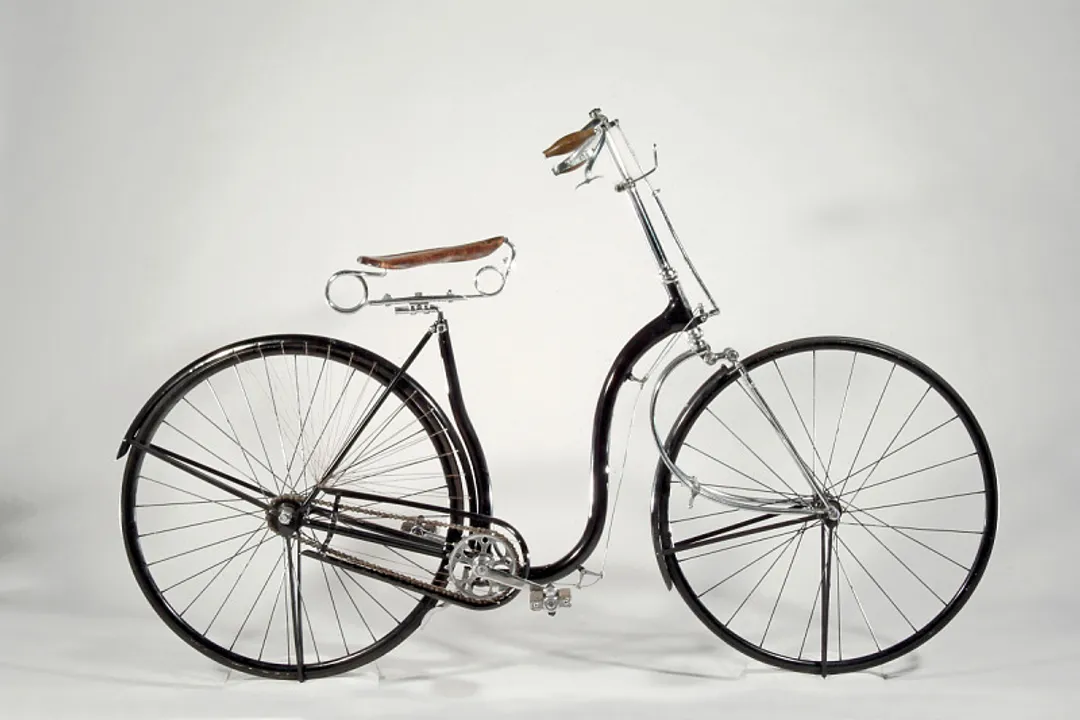
The lineage of cyclist safety technology is not a story about the latest flashing LED or radar detector; it begins much earlier, with the design of the bicycle itself. For many years, riding a bicycle was an inherently risky proposition, a pastime reserved for those willing to risk serious injury. The greatest initial breakthrough in cyclist safety was not an accessory, but a complete mechanical overhaul of the machine that shifted cycling from a dangerous acrobatic feat to a feasible mode of transport.
# High-Wheel Danger
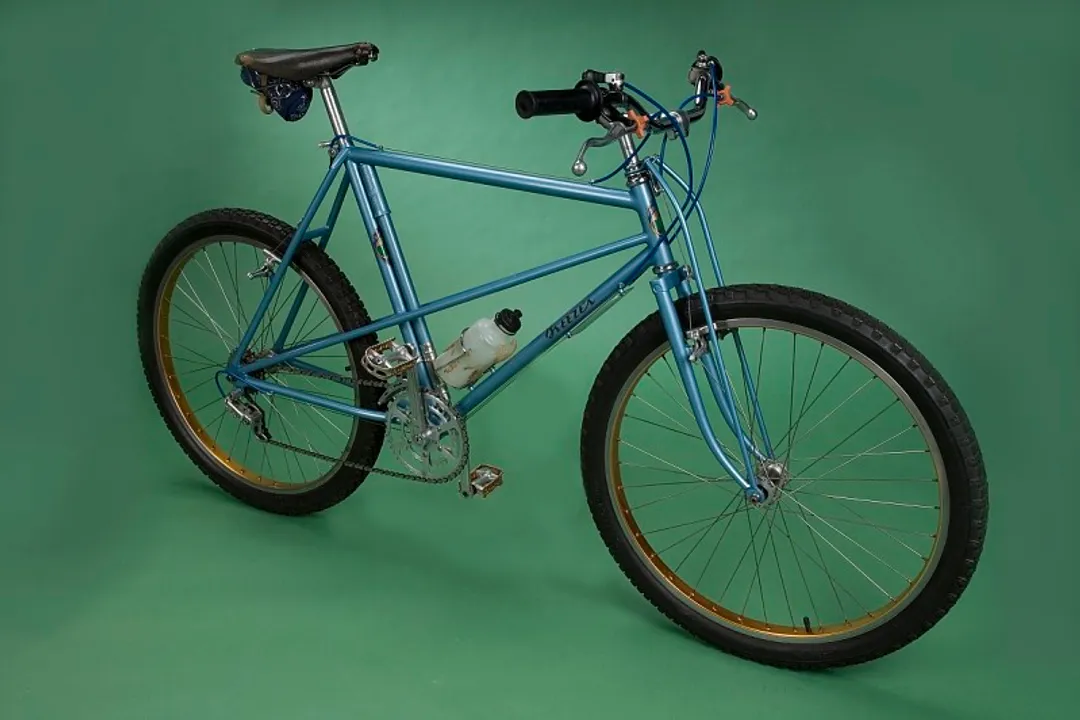
Before the widespread adoption of what we now call the standard bicycle, the roads were dominated by the high-wheel design, often known as the penny-farthing or the Ordinary. This machine was defined by its enormous front wheel and tiny rear wheel. While it offered speed due to the direct drive (one pedal rotation equaled one wheel rotation), it posed severe safety risks. The rider sat perched high above the large front axle, giving the cycle a very high center of gravity. If the front wheel struck a small obstruction—a pebble, a rut, or a misplaced dog—the entire machine would pitch forward instantly. This resulted in the rider being thrown headfirst over the handlebars, a phenomenon often called "taking a header". The consequences ranged from painful scrapes to broken bones, creating a serious barrier to entry for anyone not prepared for regular tumbles.
# Chain Drive Revolution
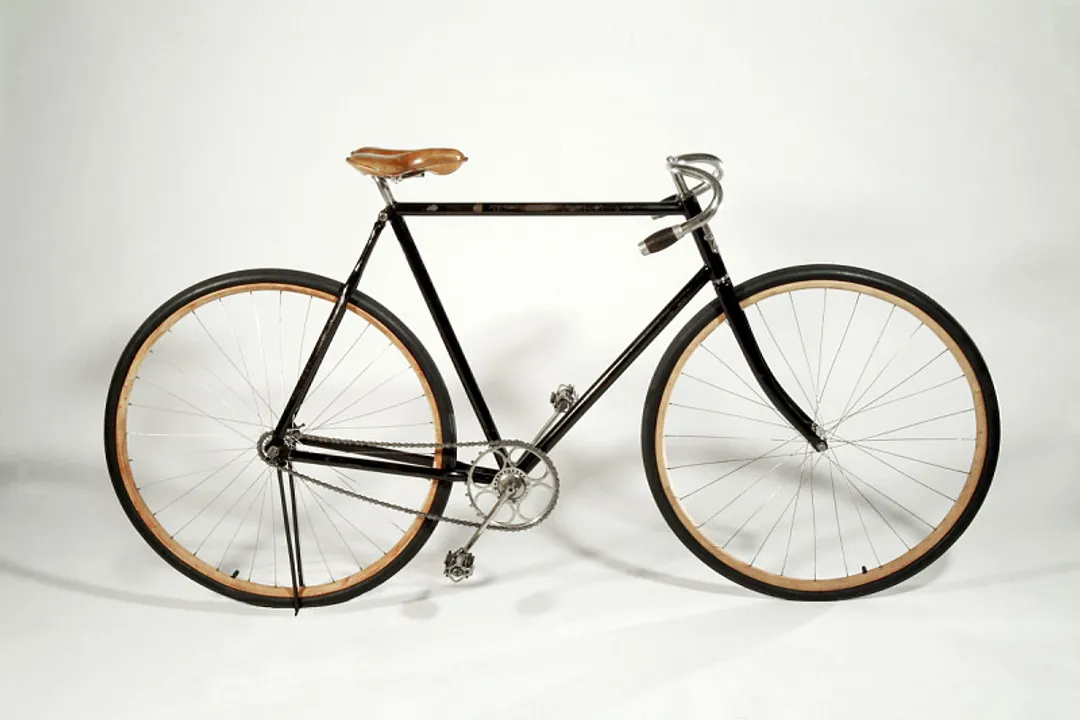
The essential shift toward safety occurred in the 1880s with the popularization of the safety bicycle. The primary inventor or inventor group credited with making this design commercially successful is often cited as J.K. Starley, whose Rover safety bicycle appeared around 1885. The genius of this design lay in solving the height problem through mechanical gearing rather than wheel size.
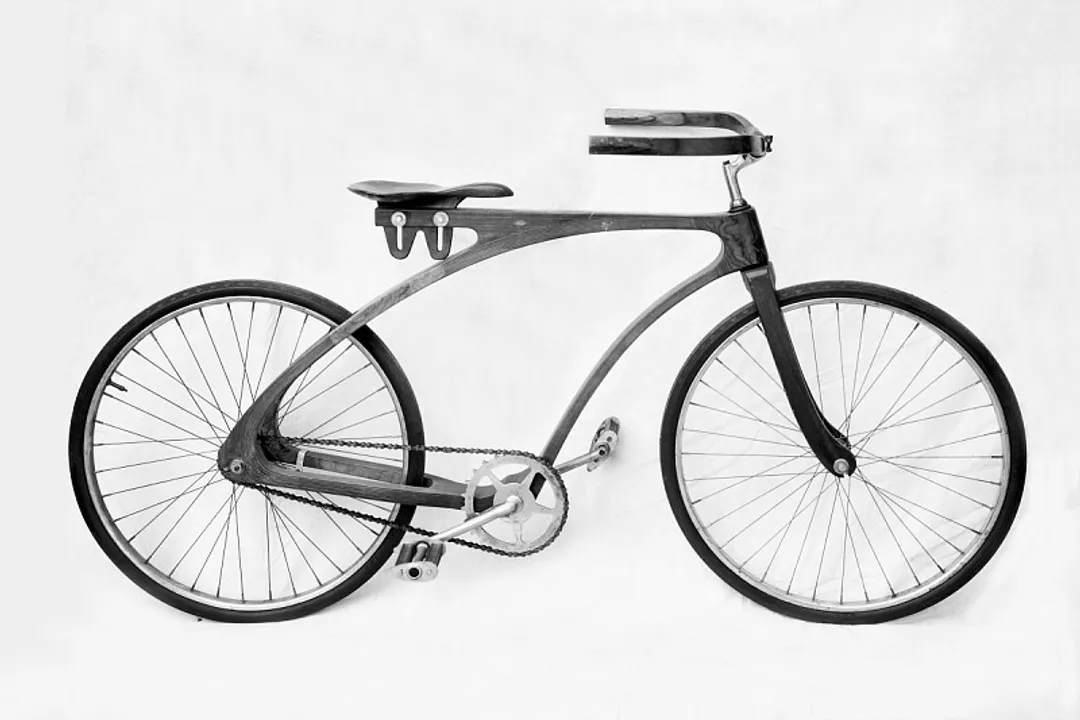
The safety bicycle featured two wheels of roughly equal, much smaller size, lowering the rider’s center of gravity significantly. This was made possible by the crucial addition of the chain drive mechanism, which transferred power from the pedals (located near the center of the frame) to the rear wheel. This innovation meant that the drive ratio could be managed via sprockets, allowing for high speeds without the need for a massive front wheel. The resulting geometry was inherently more stable and much less prone to catastrophic forward pitch. This change made cycling accessible not just to athletic young men, but to a much wider demographic, including women, fundamentally transforming cycling’s role in society.
The dramatic drop in accident frequency resulting from this foundational design change is often overlooked when discussing modern safety tech. When we look at the progression, the shift from the Ordinary to the Safety Bicycle acts as the single greatest safety invention in cycling history, reducing the likelihood of a severe accident simply by placing the rider closer to the ground [Self-Analysis].

# Comfort Meets Control
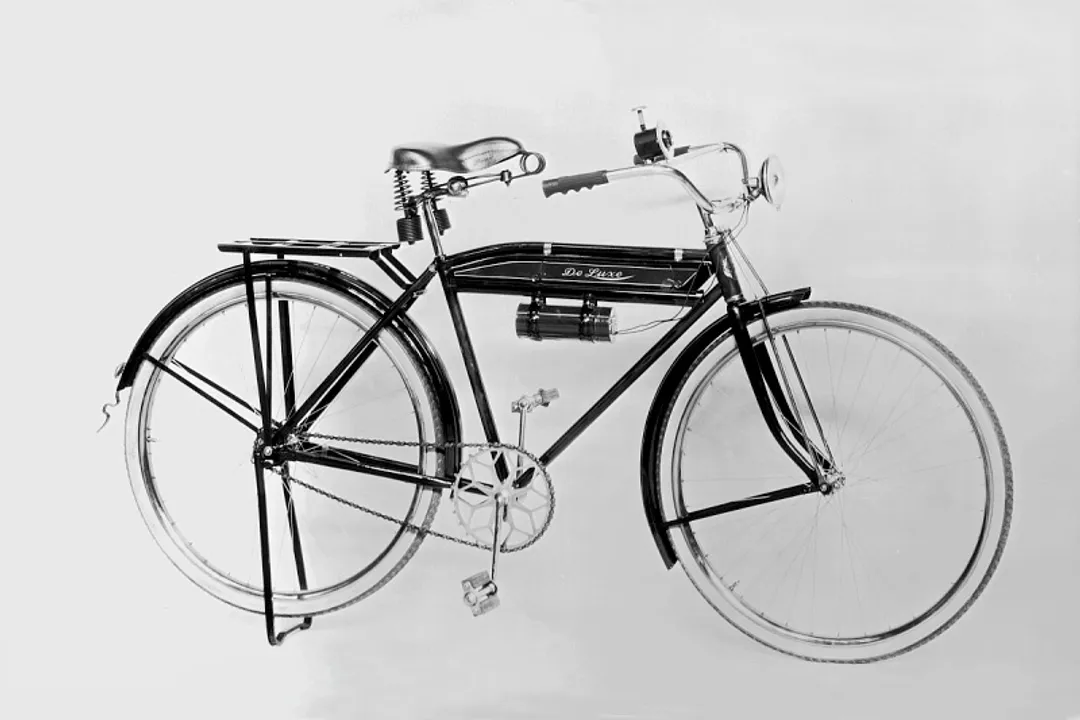
While the chain drive addressed the primary danger of falling from a great height, the early safety bicycles still traveled on solid rubber tires, transmitting every bump and vibration directly to the rider and the frame. This lack of damping led to rapid fatigue and loss of control on anything but perfectly smooth pavement.
A second, equally critical piece of safety technology followed shortly after the successful geometry change: the pneumatic tire. In 1888, John Boyd Dunlop developed an air-filled tire, initially for his son's tricycle. The immediate effect was profound. The pneumatic tire acted as a natural suspension system, absorbing shocks and vibrations. By keeping the wheels in more consistent contact with the road surface, control was enhanced, and rider fatigue—a precursor to mistakes—was significantly reduced.
Comparing the two major leaps illustrates a pattern: the first leap (frame design) prevented the highest-risk accident type (the header), and the second leap (pneumatic tires) mitigated the risk of common loss-of-control accidents caused by poor surface interaction [Self-Analysis].
# System Safety Emerges
As bicycles became common household items rather than specialized sporting equipment, the interaction between cyclists and other road users, primarily horse-drawn carriages and later, automobiles, became a new area of safety concern. The development of cyclist-specific safety technology moved outward from the machine to the environment surrounding the rider.
The necessity for external communication led to the first traffic control measures. In the late 19th and early 20th centuries, as motorized vehicles began to share paths, basic cautionary signs started appearing. These were often crude and localized, sometimes simply painted boards warning of hazards or demanding caution.
What we recognize today as standardized road safety language evolved slowly through organizational efforts. In the United States, for instance, the push for uniformity eventually led to comprehensive guidelines like the Manual on Uniform Traffic Control Devices (MUTCD), which dictates the shape, color, and meaning of signs used for cyclists and drivers alike. While no single person invented the concept of the road sign, the systematic application of uniform signage is a crucial, indirect safety technology that helps manage the kinetic energy exchange between different modes of transport on shared infrastructure.
# Modern Safety Additions
While the foundational inventions solved the primary structural dangers, the modern era focuses on active safety—systems that alert others to a cyclist's presence or warn the rider of impending danger. This includes:
- Lighting: The evolution from early acetylene lamps to modern, battery-powered LEDs that offer both conspicuity (being seen) and illumination (seeing the path).
- Reflective Gear: Materials designed to bounce light back to the source, making the rider visible in low-light conditions.
- Braking Systems: The refinement from simple spoon brakes to caliper, cantilever, and eventually hydraulic disc brakes represents continuous safety improvement in stopping power and modulation.
It is interesting to note how cycling technology often lags behind or runs parallel to automotive safety. While cars adopted centralized signaling and standardized road rules first, cycling safety tech often relies on miniaturization and lower power draw, proving that the constraints of human power dictate a different approach to technological implementation.
The core principle remains: cyclist safety is an accumulation of reliable engineering. From the geometry that keeps you upright to the tire that grips the pavement, and finally to the light that warns the driver, the safety of the ride depends on a chain of inventions, many of which date back well over a century.
Related Questions
#Citations
Safety bicycle - Wikipedia
The Safety Bicycle and Beyond | National Museum of American History
The Revolutionary Safety Bicycle: Transforming Cycling ... - Facebook
History of Bicycle Safety: Re-Inventing Two Wheels - Traffic Signs
Bicycle Technology | The Franklin Institute
Who Invented the Bicycle? | Live Science
Why did we wait so long for the bicycle? - Reddit
Disruptive innovation: Parshat Vayetzei | David Sedley - The Blogs
Bicycle - Evolution, Design, Safety | Britannica