Who invented acoustic insulation?
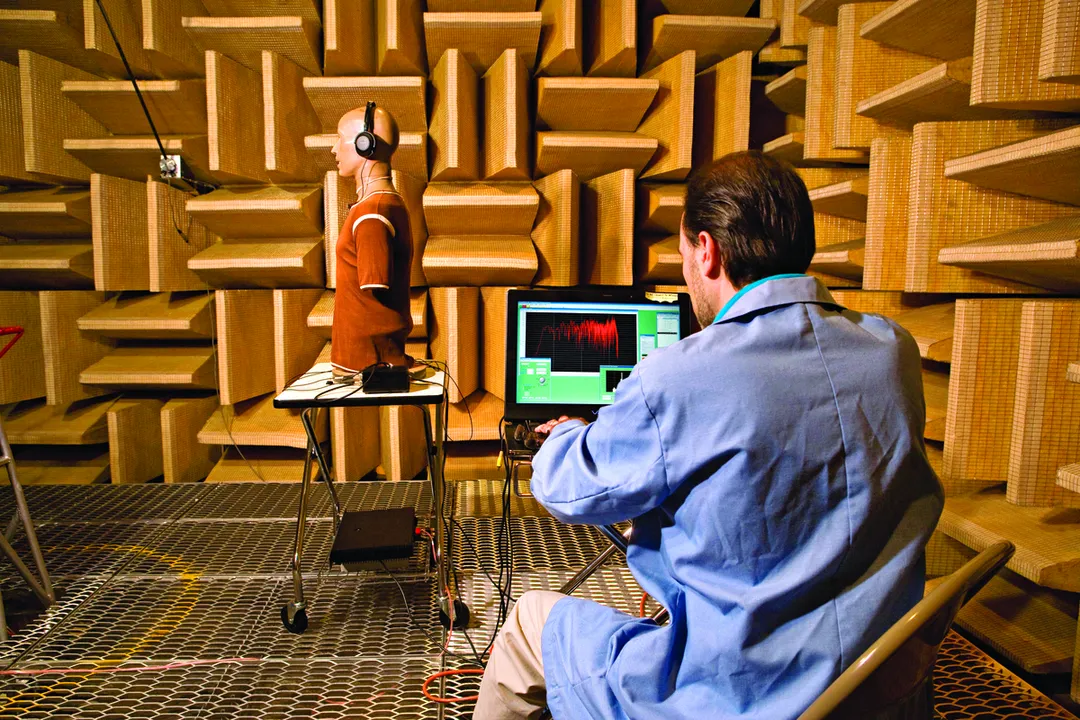
The search for silence, or at least a controllable soundscape, predates recorded history. Pinpointing a single inventor of acoustic insulation is akin to asking who invented the door; the solution evolved from necessity using whatever materials were immediately at hand. Early attempts weren't about insulating against transmission in the modern sense, but rather managing echoes and projection within enclosed spaces, a field now known as architectural acoustics.
# Ancient Shaping

Long before specialized foam or mineral wool existed, the Greeks demonstrated a keen understanding of sound behavior simply by shaping their performance spaces. The iconic design of ancient Greek amphitheaters, built into hillsides with rising tiers of seating, was intrinsically acoustic. These structures were engineered to allow performers’ voices to carry clearly to the back rows without electronic amplification. This control relied on geometry and the hard, reflective stone surfaces of the construction, which favored sound projection rather than absorption or blocking.
The Romans, who inherited and adapted much of Greek engineering, also experimented with dampening sound within large structures. Some accounts suggest that in very large halls or meeting places, they sometimes incorporated large basins of water. While the exact mechanism is debated—whether it was pure resonance absorption or merely a distraction—it points toward an early recognition that certain materials and environments handled sound energy differently.
The fundamental principle underpinning all early sound control was simple: mass. Thick stone walls, heavy timber framing, and deep, solid construction naturally impeded sound transmission simply because the sheer weight and density of the material made it difficult for sound waves to move the structure sufficiently to radiate noise on the other side. This reliance on massive construction was the baseline for centuries, whether in medieval castles or early colonial homes.
# Material Evolution
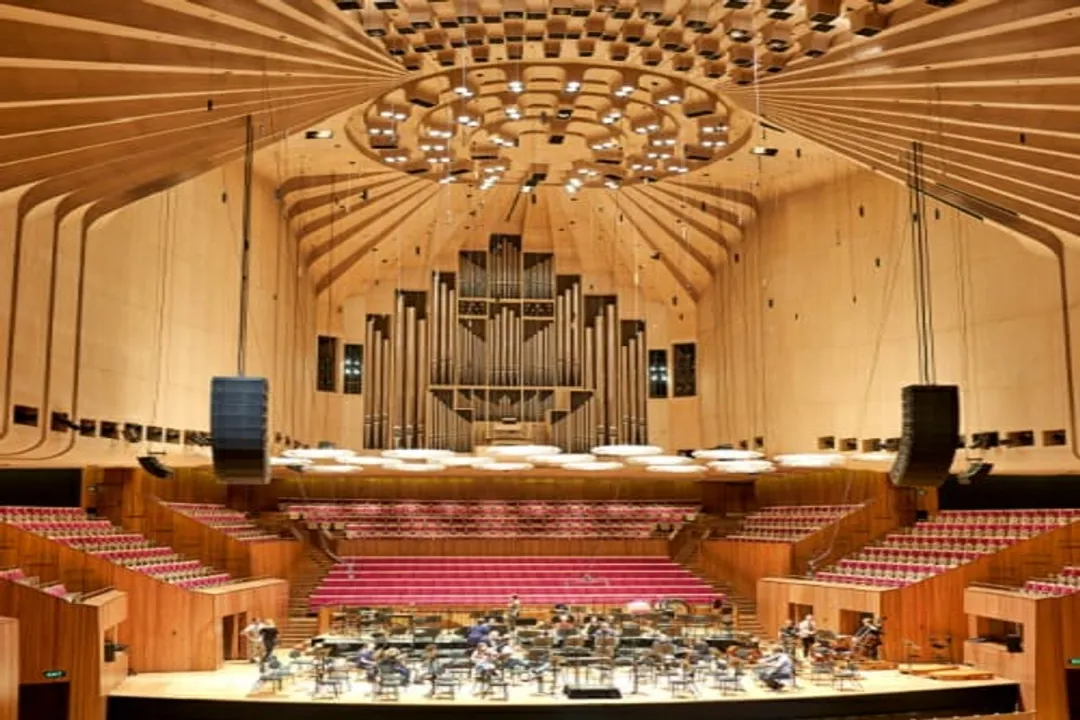
As societies moved away from exclusively stone and timber, and as interiors became more complex, the need for internal noise mitigation grew alongside the need for structural mass. People began using softer, readily available organic materials to absorb echoes within rooms. Heavy draperies, thick tapestries hung on walls, and layers of carpets on the floor became the common, if relatively ineffective, methods of dampening sound reflections.
In some early building traditions, loose materials were employed to fill wall cavities, though often this was for thermal insulation rather than acoustic performance. Straw, feathers, and even packed wool might have inadvertently provided some minor acoustic buffering due to their porous nature, but their primary function was warmth. It wasn't until the science of acoustics became more formalized that these materials were recognized—or replaced—for their ability to convert sound energy into minute amounts of heat, known as sound absorption.
The distinction between soundproofing (stopping sound from passing through a barrier) and sound absorption (controlling reflections within a room) is a key element missing from these early attempts. Ancient architects controlled echoes through shape, and modern builders control transmission through density, but the controlled, engineered absorption of noise inside a room took much longer to materialize.

# The Scientific Shift

The late 19th and early 20th centuries witnessed a radical transformation in the acoustic landscape, largely driven by industrialization and the rise of recording technology. Suddenly, noise wasn't just an annoyance in a concert hall; it was an obstacle to commerce, communication, and art. The rumble of machinery, the clatter of the new electrical grid, and the nascent needs of recording studios demanded solutions beyond merely stacking thicker bricks.
While the general principles of mass were understood, the scientific quantification of sound—decibels, frequency analysis, and transmission loss coefficients—began to mature, creating a demand for engineered materials. This period saw acoustic science being applied to solve specific, measurable problems, often in specialized environments like early broadcast centers or large industrial plants where mechanical noise was overwhelming.
Interestingly, the development of acoustic control was heavily influenced by military needs, particularly during World War II. While much of the documented research focused on underwater acoustics—understanding how sound traveled through water for sonar and anti-submarine warfare—the underlying physics and material testing knowledge gained during this intense period of technological development certainly informed subsequent land-based acoustic engineering. This wartime acceleration of materials science often filtered down into commercial and residential applications shortly thereafter. The constant, intense demand for functional noise control during the war years provided the impetus for moving beyond simple, passive materials.
The engineering challenge shifted from how to make a room quiet to how to design a component that performs a specific acoustic function.
# Patenting Solutions

When we look for an "inventor," we often find those who successfully patented a system or material rather than the underlying principle. One concrete example from the mid-20th century shows this evolution toward proprietary systems. For instance, U.S. Patent US3476209A, granted in 1969 to George M. Lang, describes a specific assembly designed for soundproofing, involving flexible walls mounted on a frame. This patent is significant not as the first acoustic device, but as evidence of the systematic, engineered approach to sound transmission loss that defined the post-war era. It represents an attempt to create a predictable, repeatable barrier using manufactured components, a far cry from relying on the thickness of a stone wall.
The real breakthrough for insulation—blocking sound transfer—came with the development of specialized, dense, yet flexible synthetic materials. Materials like mass-loaded vinyl (MLV) and composite barrier systems became standard tools because they offered significant sound blockage (high STC ratings) without requiring the impractical thickness of solid concrete.

# Modern Material Science
The modern toolkit for acoustic control relies on two distinct material classes: those for absorption and those for blocking.
# Absorption Materials
For managing sound within a space, porous materials that trap sound waves are essential. These materials allow sound waves to enter the structure where friction dissipates the energy as heat. Key modern absorbers include:
- Fiberglass: Often formed into dense boards, this is a highly effective, commonly used core for acoustic panels.
- Mineral Wool: Similar in concept to fiberglass, it provides excellent sound absorption capabilities.
- Foam: Various types of engineered, open-cell foams are used for targeted absorption, often found in recording studios or classrooms.
While these materials are excellent for controlling flutter echo and reverberation, they do little on their own to stop noise from traveling through a wall from the next room.
# Blocking Materials
Acoustic insulation, in the sense of preventing sound transmission between spaces, relies on density, decoupling, and damping. This is where modern science outpaces ancient methods. The core concept remains mass, but modern systems optimize it. Instead of building a solid 2-foot thick brick wall, contemporary soundproofing aims to create a system that is:
- Massive: Using multiple layers of high-density materials like gypsum board or specialized vinyl.
- Decoupled: Creating an air gap between structural elements so that vibrations cannot easily jump from one side of the wall to the other. Think of resilient channels or staggered stud construction.
- Damped: Using viscoelastic materials placed between the layers of mass to convert vibrational energy into heat.
An original realization in modern construction is that system design is the true invention. A single panel of fiberglass is not insulation; a carefully constructed assembly involving staggered framing, air gaps, constrained layer damping, and multiple density layers is. If you simply hang drywall directly onto existing studs, you are transferring vibration efficiently, often making the wall worse acoustically than just a single layer of standard drywall. The expertise lies in how the materials are integrated, not just what materials are available.
# Comparing Concepts
It is helpful to compare the goals of the ancient acoustic masters versus the modern manufacturer. The ancient goal was projection in an open, reflective space, achieved via geometry and mass. The modern goal is often isolation—creating zones of silence or specific sound quality, achieved via material science.
| Historical Approach | Primary Goal | Key Mechanism | Modern Equivalent Principle |
|---|---|---|---|
| Greek Amphitheater | Sound Projection | Shape and Reflection | Designing concert halls for natural reverb/focus |
| Roman Walls/Basins | Echo Reduction | Mass and Water Dampening | Using heavy, dense barriers and damping compounds |
| Early Interiors | Echo Control | Soft Furnishings (Tapestries) | Porous Absorbers (Foam, Fiberglass) |
The fact that specialized companies now exist specifically to design and sell acoustic panels—materials used to tame the sound within a room, often using materials like fiberglass or mineral wool cores—shows how far the science has moved from relying on heavy draperies. This commercial specialization in acoustic treatment, rather than just general construction materials, indicates a deep understanding of specific frequency management that simply wasn't necessary when the loudest noises were horses and shouting.
The evolution of acoustic control truly reflects human industrial progress. We moved from asking, "How can I hear the speaker across the field?" to asking, "How can I prevent the sound of my neighbor's washing machine from waking my baby?". The answer to the second question requires targeted, engineered insulation that isolates structure-borne and airborne noise, a concept entirely absent from the classical world. While there is no singular Thomas Edison of soundproofing, the field advanced through iterative engineering, driven by the increasing noise density of modern life and codified through material science patents and specialized production techniques developed over the last century.
Related Questions
#Citations
A Brief History of Soundproofing | SoundAway Blog
The Evolution of Acoustic Panel Materials
Soundproofing - Wikipedia
The Evolution of Acoustic Treatment Throughout the Ages
Acoustics Then and Now | Article - Acoustics First
A Brief History of Sound Absorption: Acoustic Baffles and Panels
Acoustical dampening system in WWII - Facebook
[PDF] A Brief Historical Overview Through World War II - Acoustics Today
US3476209A - Acoustic insulating material - Google Patents
Soundproofing Companies and Services - IQS Directory