When were adaptive headlights invented?
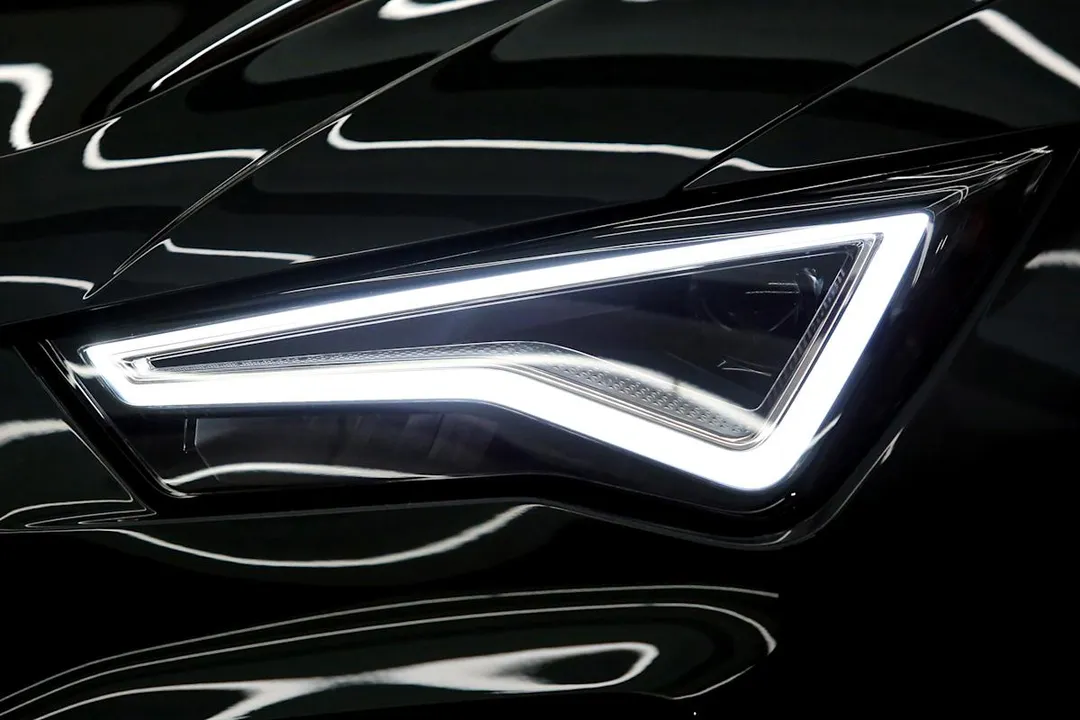
The experience of driving at night has transformed dramatically over the last century, moving from primitive, low-intensity gas lamps to sophisticated beams that actively paint the road ahead with light. When considering modern lighting, the term Adaptive Front-lighting System (AFS) or Adaptive Driving Beam (ADB) comes to mind—systems designed to swivel or shape the light pattern based on steering input, speed, or oncoming traffic. Understanding when this capability first arrived requires looking past the simple bulb and into the age of intelligent electronics controlling the light source itself. [2][5]
# Lighting’s Beginnings
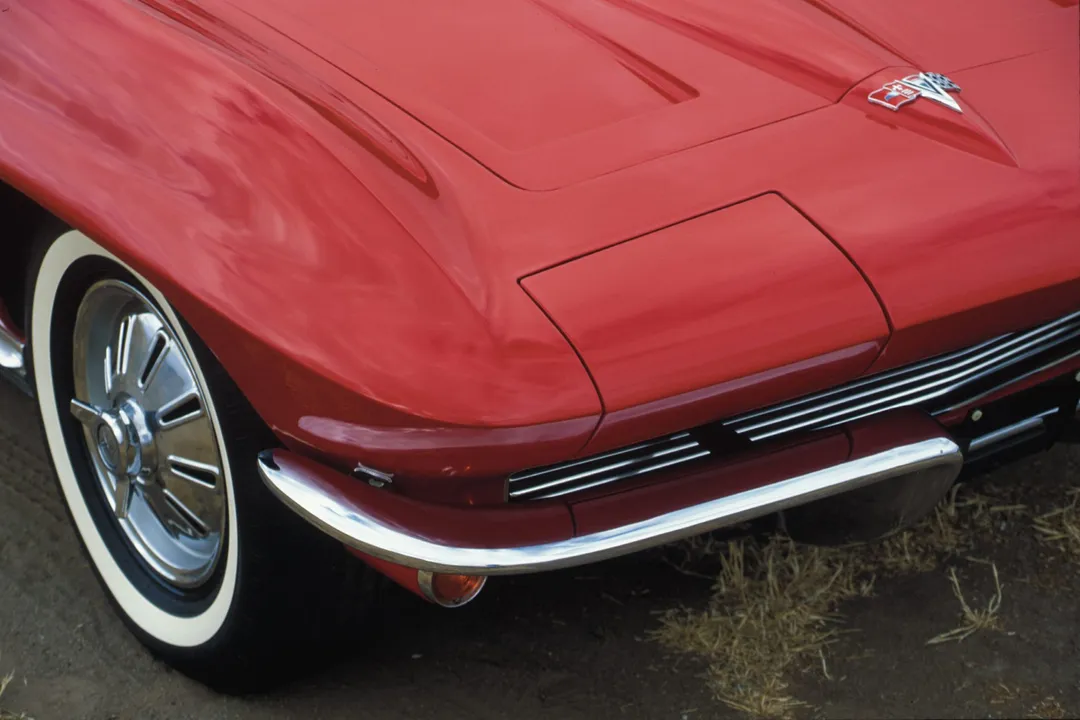
Before any form of adaptive system could be conceived, the foundation of automotive illumination had to be established. Early automobiles relied on rudimentary light sources. Some of the very first vehicles used simple lanterns that burned oil or carbide, offering minimal visibility and a light pattern that was fixed and often yellowish. [7][9] The real shift toward modern lighting began with the adoption of electric lighting, which was established by the 1920s, standardizing the basic headlamp setup we recognize today. [7]
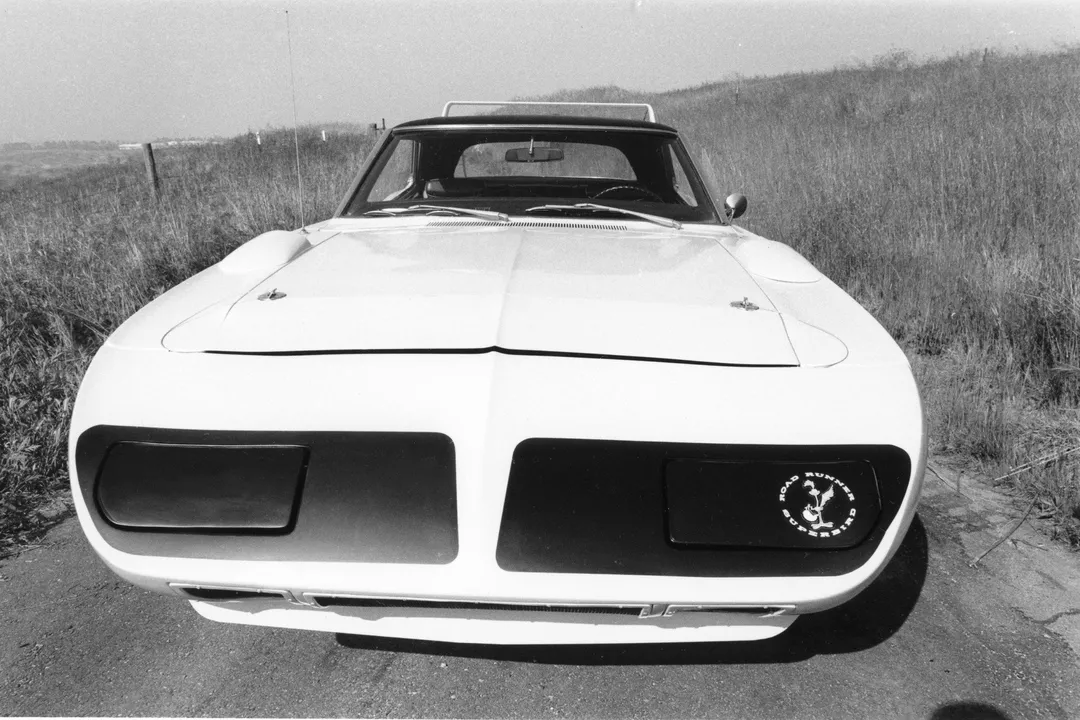
The progression through the 20th century involved incremental improvements to brightness and beam control, such as the sealed-beam unit, which offered standardized, predictable performance but lacked any inherent flexibility. [7] Automotive design even toyed with aesthetics, leading to the brief but memorable era of pop-up headlights from the 1960s through the early 2000s, though these were about styling and aerodynamics, not adaptive functionality. [8] True adaptability required a fundamental change in how the light was projected and controlled, moving away from fixed reflectors to dynamic mechanisms. [2][7]
# The Mechanical Transition
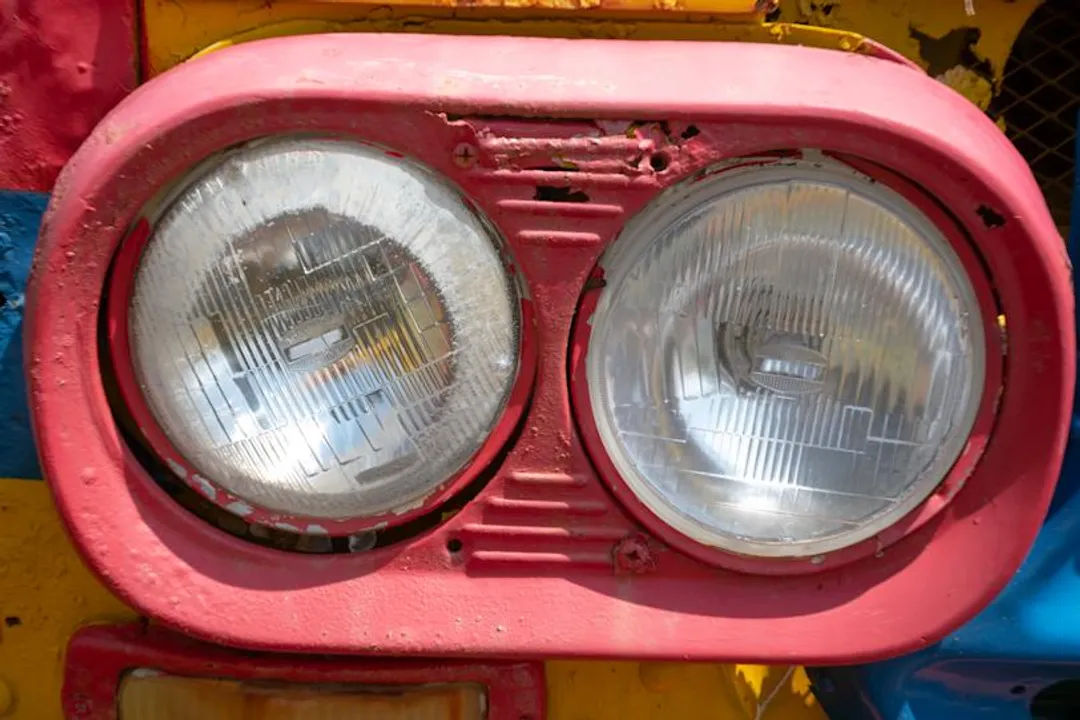
The desire for headlights that followed the curve of a turn is not new. Even before sophisticated electronics, engineers recognized that a fixed light beam was inherently inadequate for cornering at speed, as the beam would point straight ahead while the car turned into the dark. [4][7] Early attempts to address this involved mechanical linkages. Some early designs sought to physically pivot the entire headlight unit in sync with the steering wheel's movement. [4]
These initial mechanical systems, while rudimentary, represented the concept of adaptation. However, they were often bulky, slow to react, and limited in the degree of movement they could achieve. [2][4] They were precursors, showing the industry’s intent, but they lacked the precision and speed that would define the modern era of adaptive lighting. [2]
# AFS Introduction
The modern era of adaptive headlights, characterized by systems that actively change the light distribution based on dynamic driving conditions, truly began to emerge in the early 2000s. [3] This development was heavily reliant on the maturation of two key technologies: high-intensity discharge (HID) lighting and advanced electronic control units (ECUs) capable of rapid processing. [2][5]
The first mass-produced systems marketed under the banner of Adaptive Front-lighting System (AFS) appeared around 2003. [3] These systems were initially designed to pivot the headlight beam horizontally based on the steering angle and vehicle speed. [3][7] For instance, at low speeds in a city, the system might sweep the light further to the side to illuminate sidewalks and potential hazards missed by the fixed low beam. [3] When traveling faster on a highway, the system might adjust the beam slightly to stay within the curve of the road. [3]
While the concept was introduced in the early 2000s, adoption was not immediate across the board. The technology often premiered on higher-end, luxury European vehicles before trickling down to mainstream models. [3] The initial AFS primarily used bi-xenon or HID bulbs housed in modules that could swivel mechanically. [2][5] This provided a significant improvement over static lamps by increasing the driver’s effective field of vision during turns. [7]
It is worth noting a distinction in terminology that arose during this period. While AFS generally referred to the swiveling of the low beam, Adaptive Driving Beam (ADB) systems represented a higher level of adaptation, involving the ability to selectively dim or shape the high beam to avoid dazzling other drivers. [4] The introduction of ADB technology often lagged slightly behind basic AFS, as it required more sophisticated light source control and real-time image processing. [4]
# Technological Refinements
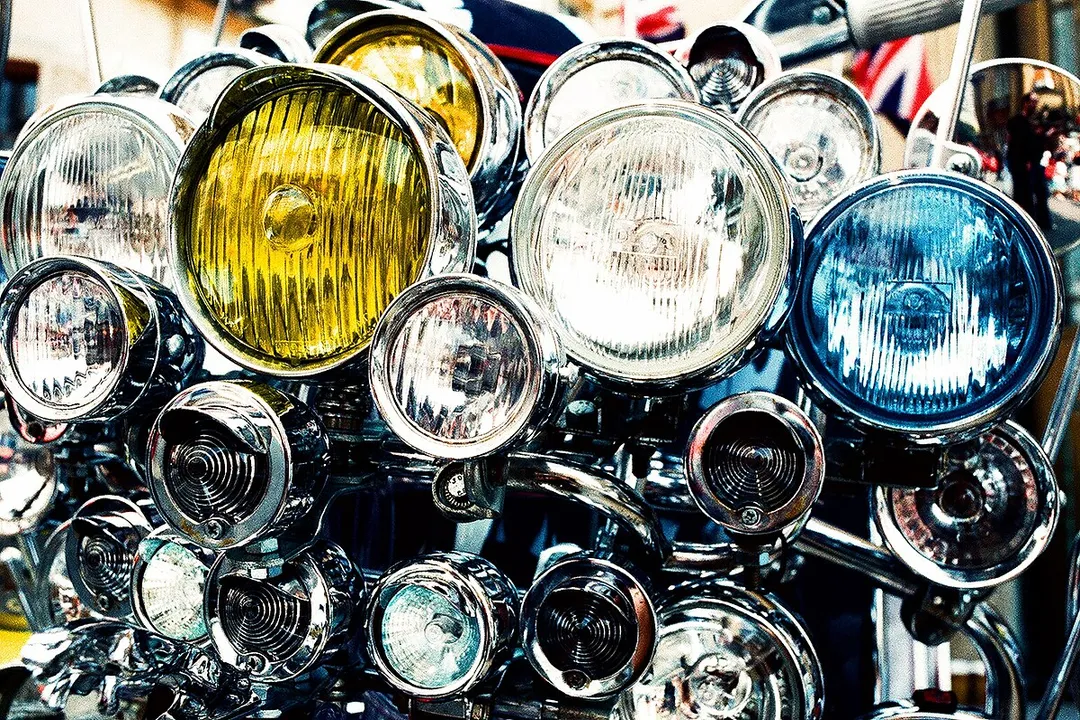
The evolution did not stop with mechanical swiveling and bi-xenon bulbs. The next major step involved transitioning the light source itself to be more digitally controllable, primarily through the adoption of LEDs and, later, Matrix LED or Digital Light technology. [2][5][7]
LEDs offered immediate benefits: faster switching times and smaller physical footprints, allowing for more complex reflector or projector designs within the headlight assembly. [2] Matrix LED systems took this further. Instead of simply swiveling one large light source, these systems comprise an array of numerous small LEDs, each of which can be individually switched on or off, or dimmed, by a control unit. [5][6]
This array allows for incredible precision. A Matrix system can keep the high beam fully engaged—providing maximum illumination—while precisely cutting out the shape of an oncoming car or a preceding vehicle’s taillights from the beam pattern. [4][6] This is a more sophisticated form of adaptation than simple side-to-side movement. It is about shaping the light field instantly, rather than aiming the entire lamp housing. [4][6]
To manage this, the system relies on sensors. Cameras mounted near the rearview mirror monitor traffic conditions, identifying pedestrians, vehicles, and road signs. [6] This data is fed into the system, which then tells the semiconductor drivers inside the headlamp—often managed by specialized ICs from companies like STMicroelectronics or Diodes Inc.—exactly which LEDs to illuminate to create the desired light pattern. [5][6]
An interesting observation when comparing the early 2000s AFS systems to today's Matrix setups is the shift in perceived intelligence. Early AFS was reactive to steering input; the light followed where the driver was going. Modern ADB systems are proactive, deciding how to illuminate based on what is around the car, often making subtle, localized beam adjustments that the driver might not consciously notice, which speaks volumes about the increased processing power now available at the wheel. [2][4]
# Regulatory Slowdown
Despite the technology being available in some markets by the early 2000s, the widespread adoption of adaptive systems, particularly the advanced ADB type that manages high beams, was significantly hampered by regulations in key markets like the United States. [4]
For decades, US Federal Motor Vehicle Safety Standard (FMVSS) No. 108 dictated a very rigid set of rules for headlamp performance, primarily designed around the standardized sealed-beam units common at the time. [4][7] These rules were conservative, prioritizing simple, proven optics over dynamic systems that varied their output. Because ADB systems actively shape the light pattern based on real-time conditions, they did not conform to the prescriptive testing methods established for older lighting technologies. [4]
This meant that even when European or Asian markets could utilize full high-beam adaptation because their regulations were more performance-based, US manufacturers were legally restricted from installing these features. [4] The lack of immediate, widespread regulatory approval for the most advanced forms of adaptive lighting meant that for many years, the American driving public only saw the less advanced, steering-linked AFS or, more commonly, standard high/low beams. [4]
The push to update these standards took many years, involving testing and data collection to prove that adaptive systems were not only as safe as, but safer than, conventional high beams in mixed traffic scenarios. [4] This regulatory lag created a noticeable technological gap between different global automotive markets regarding night visibility standards. [4]
# System Complexity and Cost
The introduction of any new electronic feature into a vehicle adds complexity and cost, and adaptive lighting is no exception. The early AFS systems required new headlamp assemblies, often with electric motors or actuators for aiming, complex wiring harnesses, and integration with the CAN bus system to receive steering and speed data. [3][6]
When moving to Matrix LED, the cost increases further due to the sheer number of individual LEDs, the specialized driver ICs required to control them rapidly, and the need for a high-resolution camera system and dedicated processing power. [5][6] While this technology dramatically improves safety by maximizing illumination without blinding others, the initial expense often placed it on top-tier trims or as an expensive option, slowing its mass-market penetration. [3]
For consumers looking at used vehicles, understanding the different generations of adaptive lighting is important for maintenance. A first-generation mechanical AFS might require servicing or replacement of a small motor if it stops tracking the steering wheel, whereas a failure in a modern Matrix system often involves software diagnostics or replacement of the entire, expensive module, as the complexity lies in the integrated electronics and software logic rather than simple mechanical parts. [6]

# Global Adoption Timeline
To summarize the rollout, we can place the key milestones on a general timeline. While the concept of turning lights has existed for decades, the electronic, intelligent adaptive systems show a clear progression:
| System Type | Approximate Global Introduction Era | Core Mechanism | Primary Advantage |
|---|---|---|---|
| Basic Mechanical AFS | Early 2000s (Around 2003) | Swivels the entire low-beam unit based on steering input. | Better visibility around curves at low/medium speeds. [3] |
| Dynamic Bending Lights | Contemporaneous with AFS | Similar to AFS, often using specific HID projector setups. | Improved cornering illumination. [7] |
| Adaptive Driving Beam (ADB) | Mid-to-Late 2000s (Primarily in non-US markets) | Shapes the high beam by blocking specific areas to avoid glare. | Maintained high beams in traffic. [4] |
| Matrix/HD LED | Early 2010s onward | Individual control of dozens of LEDs to create complex, adaptive light zones. | Highest precision light control and improved object detection. [2][5] |
This structured evolution shows that adaptive headlights were not a single invention moment, but rather a series of technological thresholds being crossed, beginning with simple mechanical steering response in the early 2000s. [3]
The continued refinement demonstrates a clear trend in automotive lighting: moving from guiding the beam (aiming it left or right) to sculpting the beam (shaping it around obstacles). [4] This sculpted light is the pinnacle of current technology, allowing drivers to see further than ever before without the traditional trade-off of blinding oncoming traffic—a capability that required overcoming both engineering hurdles and long-standing regulatory conservatism. [4][7] The push toward digital light, which can project symbols or guidance lines onto the road surface itself, suggests that the concept of adaptive lighting will continue to evolve into active driver assistance features housed within the headlamp unit itself. [6]
#Videos
History of Car Headlights | Acetylene to Sealed Beams to LEDs!
Related Questions
#Citations
Headlamp - Wikipedia
The Evolution of the Headlamp - Diodes Incorporated
The History Of Adaptive Headlights - Insights | Carlist.my
Adaptive 'high-definition' headlights are just around the corner for ...
History of Car Headlights | Acetylene to Sealed Beams to LEDs!
How to build an Adaptive Front Lighting Solution in 3 steps
The Evolution of Car Headlights: From Oil to LED - Hyundai Europe
Pop-Up Headlights – Seventy Years of Hidden History
From Lanterns to Lasers – A Brief History of Automotive Lighting