When was the modern bed invented?

Humans did not invent the modern bed on a single date, nor did one specific person claim the patent for the concept of sleeping off the ground. Instead, the bed evolved over millennia, moving from simple piles of leaves and grass to the highly engineered structures seen in homes today. [1][3] The transition from sleeping on the earth to resting on a specialized piece of furniture was driven by a need for protection from insects, dampness, and predators, combined with an increasing desire for status and comfort. [2][9]
# Ancient Foundations
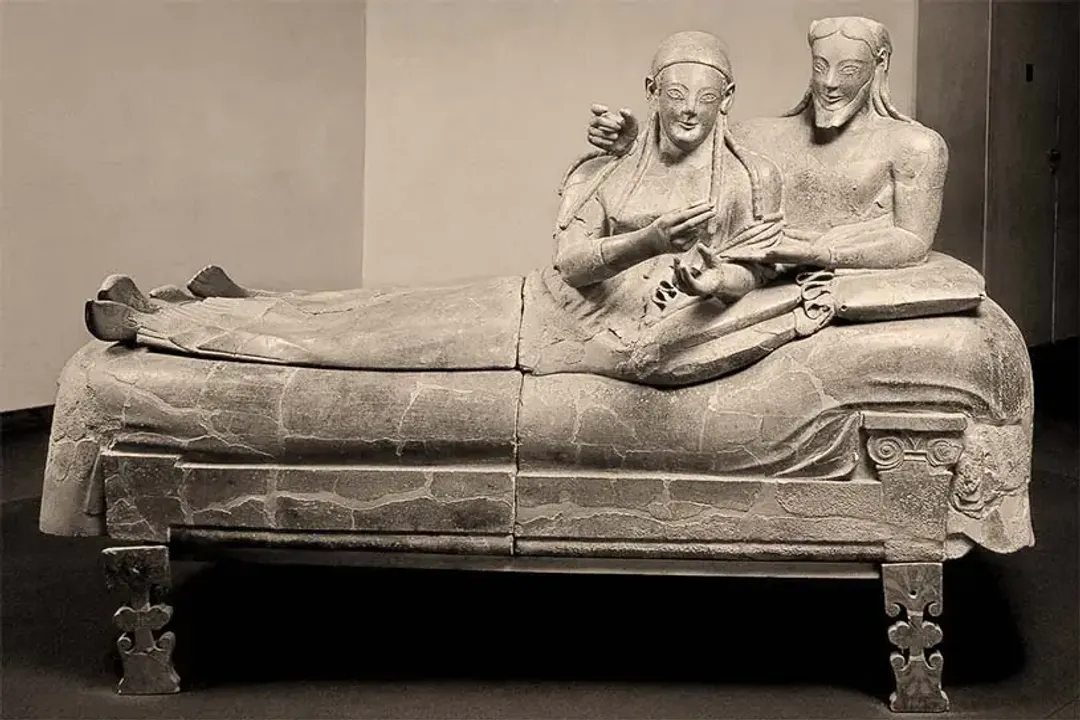
In early civilizations, the definition of a bed was rudimentary. Ancient Egyptians, however, are credited with creating some of the earliest elevated sleeping platforms to lift bodies off the floor. [3][6] These frames were often made of wood, sometimes with woven reeds or leather straps to provide a degree of flexibility and support. [1] The primary goal was not ergonomic comfort in the contemporary sense, but rather a functional separation from the ground where pests and small animals roamed. [4][9]
The Romans further refined this concept by introducing beds made of metal or bronze. [1] These structures were often embellished with gold or silver for the wealthy, highlighting that from antiquity, the bed served as a signifier of social standing. [3] While these early designs established the form factor of a frame with a platform, they lacked the cushioning technology that defines the modern sleep experience. For the majority of human history, bedding consisted of sacks stuffed with natural materials like straw, hay, or feathers. [4][8]
# Medieval Status
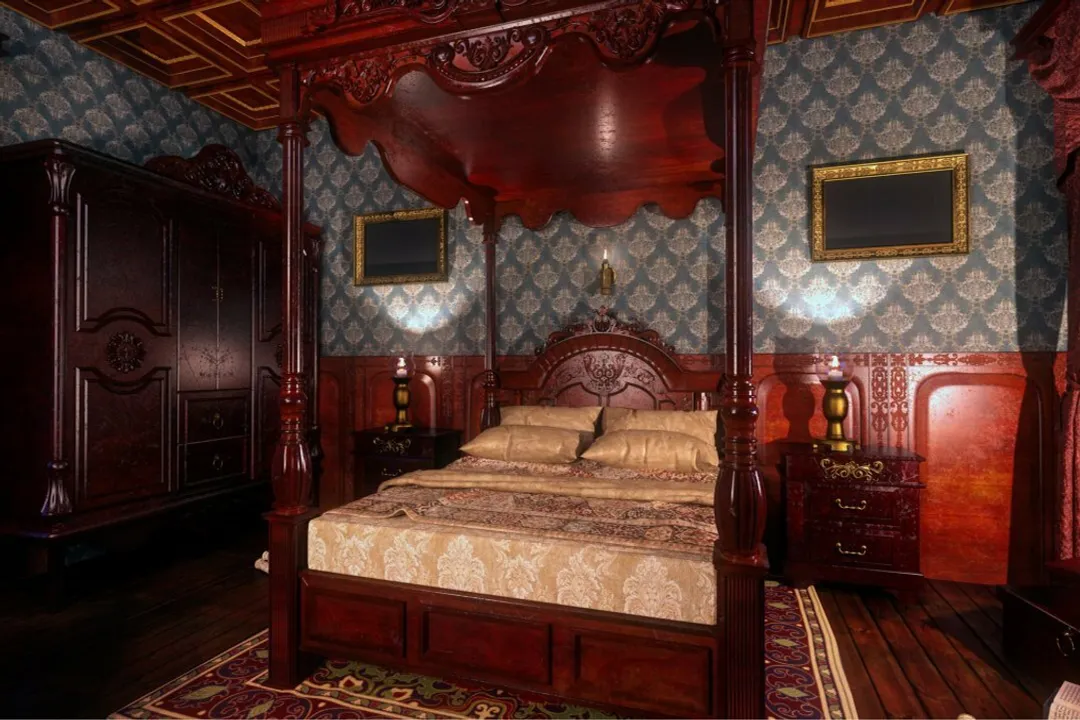
During the Middle Ages, the bed became a central fixture of the home, often functioning as a display of wealth. The four-poster bed emerged, designed not just for aesthetics but for practical protection. [2] Heavy curtains were added to provide privacy and retain heat in drafty, unheated stone homes. In these settings, sleeping was often a semi-public activity; beds were frequently placed in living spaces rather than dedicated bedrooms, as the distinction between public and private domestic areas had not yet fully matured. [2]
It was common for families of lesser means to share beds, and bedding remained relatively simple, consisting of straw-filled ticks. [3][8] The disparity between the elaborate, draped beds of the aristocracy and the simple pallets of the common population was stark. This era cemented the bed’s role as an object of domestic significance, but the "modern" bed—characterized by standardized manufacturing and advanced support systems—remained centuries away. [2][9]

# Industrial Changes
The arrival of the Industrial Revolution in the 19th century fundamentally altered how beds were produced and perceived. [4] As manufacturing capabilities grew, beds shifted from handcrafted luxury items to mass-produced goods. Iron and steel frames became popular, offering a sturdier and more hygienic alternative to wood, which was prone to harboring bed bugs and other pests. [3][9]
Simultaneously, the invention of the coiled spring in 1871 revolutionized the mattress industry. [4] Before this, mattresses were primarily bags filled with materials that tended to clump, shift, and degrade over time. [8] Springs allowed for a more consistent distribution of weight and a longer lifespan for the sleeping surface. This period marks the true beginning of the modern mattress as a specialized product rather than a simple container for loose stuffing. [6][7]
# Material Evolution
The 20th century introduced rapid advancements in materials that define today’s sleep environments. While inner-spring mattresses dominated the market for much of the century, the introduction of synthetic materials changed the landscape again. Latex foam, invented in the late 1920s, and polyurethane foam gained traction, offering new ways to contour to the human body. [6]
Perhaps the most significant shift in material science occurred with the introduction of memory foam, developed by NASA in the 1960s to improve seat cushioning and crash protection for airline pilots. [7][9] When this technology was adapted for the bedding industry, it transformed the relationship between the sleeper and the mattress. The bed ceased to be just a frame with stuffing and became a responsive, engineered support system. [7]
The following table summarizes the primary shifts in bed design throughout history:
| Era | Primary Frame Material | Mattress Filling | Key Focus |
|---|---|---|---|
| Ancient | Wood/Metal | Grass/Straw | Elevation |
| Medieval | Wood/Four-poster | Straw/Feathers | Privacy/Status |
| 19th Century | Iron/Steel | Coiled Springs | Hygiene/Mass Production |
| 20th Century | Standardized Steel | Foam/Hybrid | Ergonomics/Support |

# Modern Standardization
What we now consider the standard bed size—such as Twin, Queen, and King—is a relatively recent development that stabilized in the mid-20th century. [1] Before these standards existed, beds were frequently custom-made to fit specific furniture frames or rooms. Standardization allowed for the mass production of bedding, sheets, and pillows, simplifying consumer choices and lowering costs. [3]
This uniformity enabled the rise of the specialized mattress retail industry. Instead of having a carpenter build a bed and a separate local merchant stuff a sack with wool, consumers could purchase a complete system designed to work together. This shift solidified the bed as a consumer product, subject to marketing, branding, and annual model changes, a sharp contrast to the generational, heirloom-style beds of previous centuries. [4][6]
# Consumer Considerations
The modern mattress environment requires a different approach to maintenance than the beds of our ancestors. While historic mattresses were often flippable to prevent uneven wear of loose materials like straw, many modern foam or hybrid mattresses are engineered with distinct layers. [7][8] Flipping these can actually accelerate wear or damage the internal support structure.
A simple rule for the contemporary sleeper is to check the manufacturer’s design specifications. If a mattress contains a distinct comfort layer on top and a support core on the bottom, flipping it will disrupt the intended ergonomic alignment. Rotation—spinning the mattress 180 degrees—is often the recommended method for even wear, rather than the "flip" used for older, non-layered mattresses. Understanding this distinction is one of the most effective ways to extend the lifespan of a modern sleep surface.
Another factor is the environmental context of the bedroom. Modern homes are better insulated than those in previous centuries, which has changed the thermal requirements of bedding. Older beds relied on heavy curtains to create a micro-climate of warmth. [2] Today, mattresses are often manufactured with cooling technologies or breathable fabrics to address the fact that we no longer need the bed structure to act as a heat-retaining tent. When choosing a modern bed, balancing support (ergonomics) with thermal regulation is often more relevant than the aesthetic style of the frame. [7]
The history of the bed shows a clear progression from simple ground-sleeping to complex, manufactured systems. While there is no single "invention" date, the period between the late 19th century and the mid-20th century represents the transformation into the modern form we recognize today. This era provided the combination of industrial manufacturing, ergonomic science, and standardized sizing that allows for the variety of sleep options available to consumers now.
Related Questions
#Citations
Bed - Wikipedia
The evolution of the modern bedroom - BBC
Who Invented the Bed? The History of Beds - Bed Advice UK
The History of the Mattress
Who invented beds? : r/ExplainLikeImCalvin - Reddit
History of Mattresses: How Things Have Changed | Big Fig
A Brief History of the Mattress: How We Got to Where We Are Today
The History of Mattresses: From Straw Mats to Memory Foam
The History of Mattresses: From Ancient Times to Modern Innovations
Bed evolution from 1000 BC to 2137 ❤️ @evotimelab ... - Instagram