Who invented modern cruise control?
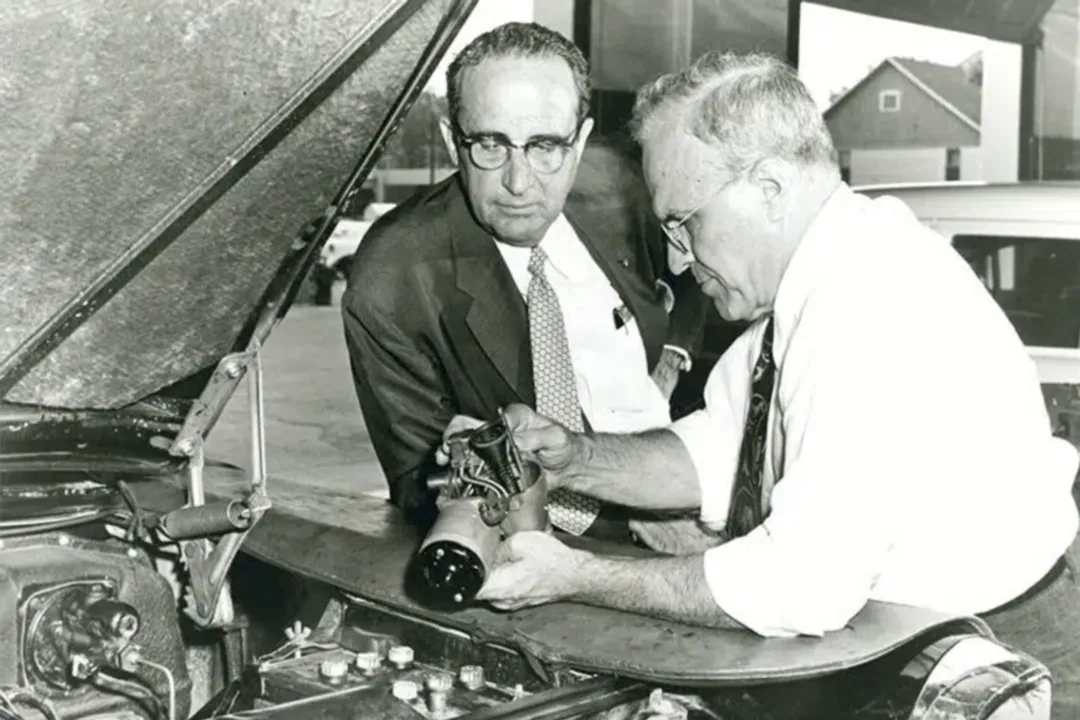
The desire to maintain a constant speed on the open road, a seemingly simple concept now taken for granted by millions of drivers, required a significant leap in automotive engineering creativity. This technology, designed to reduce driver fatigue and smooth out the throttle, didn't emerge from a large corporate research lab focused solely on driver convenience; rather, its inception lies with an individual visionary whose unique perspective made the invention possible. The journey from a novel idea to standard feature involves a pivotal figure whose influence on automotive safety and comfort is often understated: Ralph Teetor.
# Blind Visionary
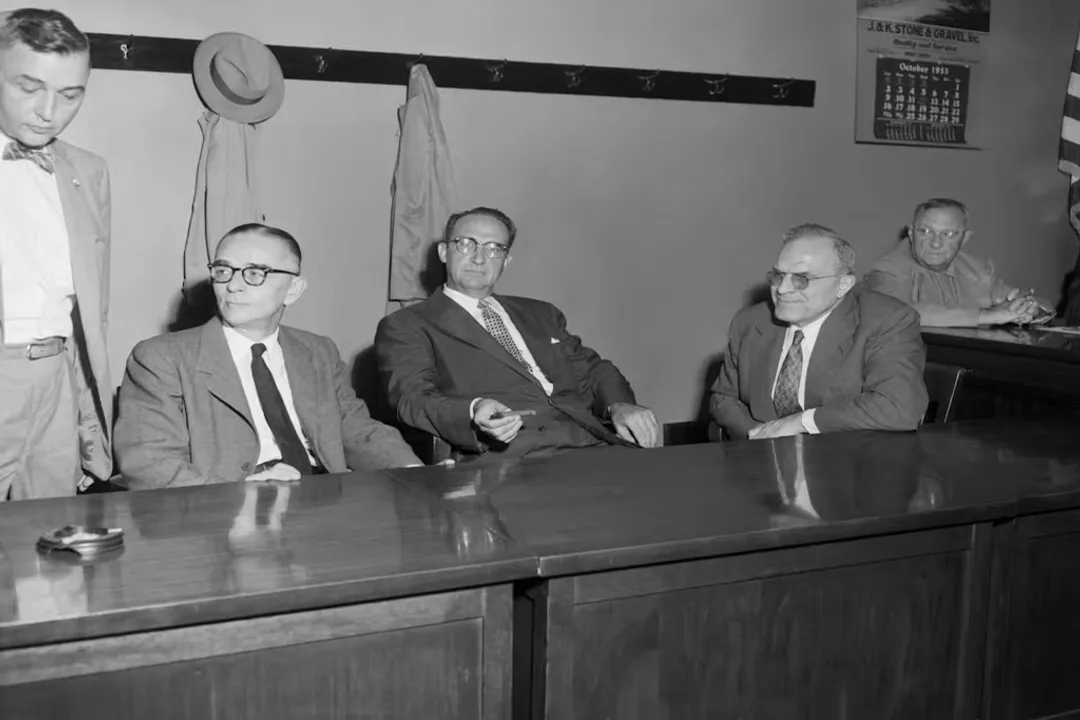
Ralph Teetor stands out in the history of automotive innovation, not just for what he created, but for the circumstances under which he created it. He was an engineer whose contributions were recognized by his induction into the National Inventors Hall of Fame. Crucially, Teetor was blind. This fact adds a profound layer to the story of cruise control; a man who could not see the road ahead designed a system to automate the control of the vehicle’s pace. He worked as an engineer at Bendix Aviation Corporation.
# Genesis Spark
The initial inspiration for what would become modern cruise control wasn't about reducing fatigue, but about frustrating inconsistency. The concept reportedly arose in 1948 after Teetor was riding with his lawyer. During the trip, the lawyer would constantly speed up and slow down, frustrating Teetor with the uneven pace. This experience spurred the thought: why couldn't the car itself maintain the desired speed without constant human input?. The year 1948 marks the invention of this initial mechanical control system.
# Mechanical System
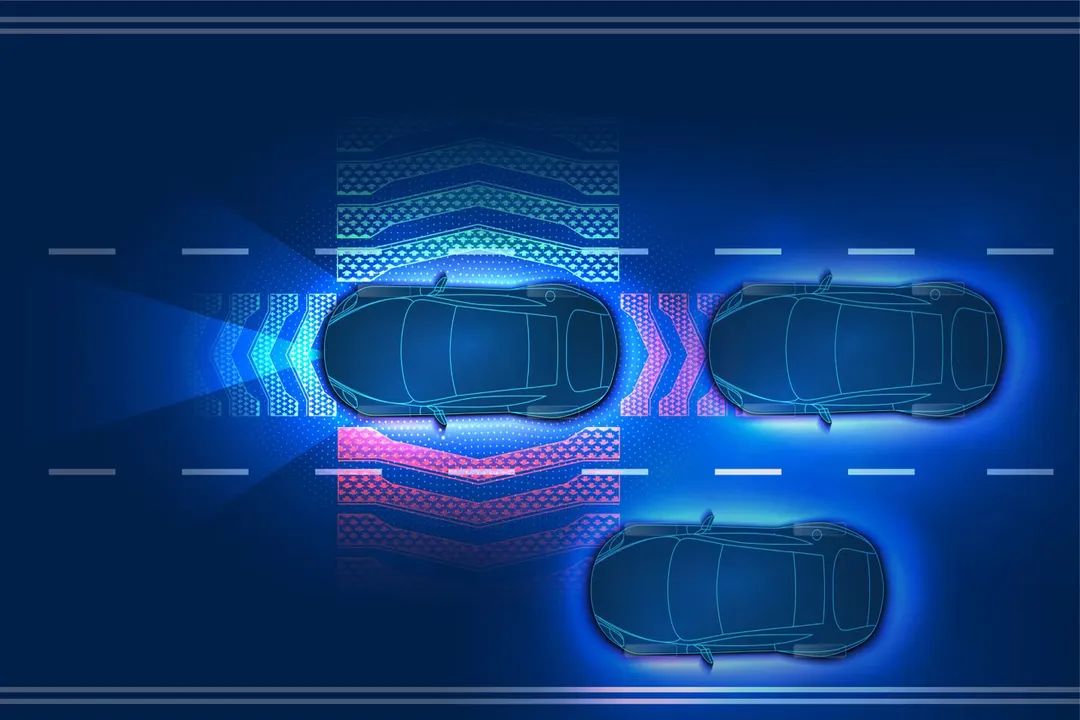
The original iteration of speed regulation was entirely mechanical. While the exact schematics from Teetor's initial work aren't universally detailed in every summary, the principle involved creating a feedback loop that mechanically adjusted the throttle based on the actual speed sensed by the car. This mechanical approach contrasts sharply with the sophisticated electronic systems that dominate the market today. Imagine the complexity of accurately translating road speed—which fluctuates wildly—into physical cable or linkage adjustments using only springs, governors, and levers. It speaks volumes about the mechanical ingenuity of the era that such a device could be made functional enough for commercial testing.
While the concept was developed around 1948, it took a full decade for this mechanical marvel to transition from an engineering curiosity to a mainstream consumer option.
# Market Introduction
The very first widespread application of cruise control arrived in 1958. It was Chrysler Corporation that took the leap, offering the system on its Imperial line of vehicles. Chrysler initially marketed the device under the name Speed Control. This early adoption highlights Chrysler's willingness to integrate cutting-edge, even if somewhat niche, technology into its premium offerings, perhaps banking on the appeal of effortless highway cruising for affluent buyers.
If we consider the context of 1958, highway driving was fundamentally different than it is today. Interstate systems were still developing, and long, straight stretches of road without significant traffic were common in many parts of the US, making a constant speed regulator genuinely useful for reducing the driver’s right leg fatigue. Furthermore, the driver had to actively set the speed, and the mechanical connection meant that any slight incline or decline would cause the car’s speed to drift noticeably unless the driver intervened, providing a very different "feel" than the precision of modern systems. The initial speed retention relied purely on the mechanical linkage overcoming wind resistance and road friction, offering a less precise result than what drivers expect now.

# System Transformation
Cruise control technology has certainly not remained static since the days of Chrysler’s Speed Control. The biggest shift involved moving away from purely mechanical linkages to electronic control. This transition allowed for greater accuracy, reliability, and, most importantly, integration with other vehicle systems.
The shift to electronic control enabled systems to become far more responsive. Where an older mechanical governor might react sluggishly, an electronic system processes speed data instantaneously, making micro-adjustments to the throttle far more smoothly. A good way to visualize this change is to think about an older car cresting a hill; the speed might drop by 3 mph before the mechanical governor fully opens the throttle, whereas a modern system might only dip by half a mile per hour before correction begins.
# Advanced Features
The evolution didn't stop at simple speed maintenance. The development of modern cruise control is best exemplified by the introduction of Adaptive Cruise Control (ACC). ACC represents a massive leap in capability, transforming the system from a passive speed maintainer into an active safety and convenience aid.
ACC systems work by employing sensors—often radar, lidar, or cameras—to monitor the traffic environment ahead of the vehicle. They perform two primary functions that Teetor's original concept did not:
- Distance Maintenance: They actively measure the distance to the car immediately in front.
- Automatic Adjustment: They automatically adjust the set speed to maintain a pre-selected following distance, including slowing down if the lead car decelerates, and then accelerating back up to the set speed when the path clears.
This evolution means that a 21st-century driver using ACC on a busy interstate can effectively "set and forget" their position in traffic, relying on the car to handle both speed consistency and gap management, something that would have seemed like science fiction to the engineer riding with his lawyer in 1948. The use of radar and camera data brings cruise control closer to automated driving features than to simple throttle linkage.
# Driving Utility
For many drivers, cruise control remains a staple for long-distance, uncomplicated driving, offering a tangible benefit in reducing fatigue. When you are on a consistent, clear highway, engaging the system means your foot is no longer locked in one position, allowing for small, restorative shifts in posture and leg movement, which is a key benefit for marathon driving sessions.
However, the widespread adoption of cruise control, especially in its advanced forms, necessitates a careful understanding of its limitations. A common pitfall, even with modern ACC, is driver over-reliance. Because the system handles speed management, drivers might pay less attention to the overall traffic context than they would when constantly modulating the gas pedal themselves. For instance, while ACC systems are designed to slow down for a lead vehicle, they might not always react optimally to sudden, aggressive braking situations, or they might struggle to "see" objects that are not metal vehicles, such as debris on the road.
When considering using cruise control, especially in older cars without ACC, one must always remember that the system does not account for road conditions like rain, ice, or sharp, unexpected curves. On a slippery surface, accelerating or decelerating too suddenly can cause a loss of traction, and the system’s attempt to maintain a set velocity could inadvertently lead to a hazardous situation if the driver isn't ready to take over instantly. For drivers who prefer maximum control and feedback, manually managing the accelerator remains the most direct way to feel the nuances of the road surface.

# Comparing Control Philosophies
The transition from Teetor’s original concept to today’s standards highlights a shift in automotive priorities. The original goal was speed constancy—maintaining X mph regardless of outside factors. The modern goal, particularly with ACC, is safe headway maintenance—maintaining Y distance from the vehicle ahead, which implies speed constancy but subordinates it to safety considerations.
Here is a simplified comparison between the two main eras of the technology:
| Feature | Mechanical Cruise Control (c. 1958) | Adaptive Cruise Control (Modern) |
|---|---|---|
| Primary Input | Driver-set speed | Driver-set speed and following distance |
| Speed Adjustment | Manual/Mechanical feedback to maintain set speed | Electronic control based on computer algorithms |
| Reaction to Traffic | None; would maintain speed into a slower car | Automatic braking and acceleration |
| Driver Fatigue Reduction | High on steady roads | Very high, handles stop-and-go traffic (if equipped) |
The fact that Ralph Teetor, an engineer who could not rely on the visual sense that most engineers depend on, conceived of the foundational system speaks volumes about the power of abstract problem-solving in engineering. His focus was on the logic of maintaining a steady state, independent of sensory input being primarily visual. This purely logical approach—if speed is too low, increase throttle; if too high, decrease it—is the bedrock upon which modern, sensor-laden systems are built. Without that 1948 mechanical seed, the sophisticated sensor arrays and electronic processing that define today's driving assistance features might have taken many more years to materialize. The concept was perfectly formed long before the computer power existed to perfect its execution.
Related Questions
#Citations
Cruise control - Wikipedia
Ralph Teetor and the History of Cruise Control
Ralph Teetor | National Inventors Hall of Fame®
History of Cruise Control System | TomTom Newsroom
Ralph Teetor: The Blind Visionary Who Invented Cruise Control
TIL Cruise control on cars was invented in 1948 by the blind inventor ...
The History of Cruise Control | Folsom Auto Mall
Indiana Inventor Ralph R. Teetor and the Development of Cruise ...
Pros and Cons of Using Cruise Control - Cofman Townsley
The evolution of cruise control - Hyundai Europe