What invention gave more people freedom to travel?
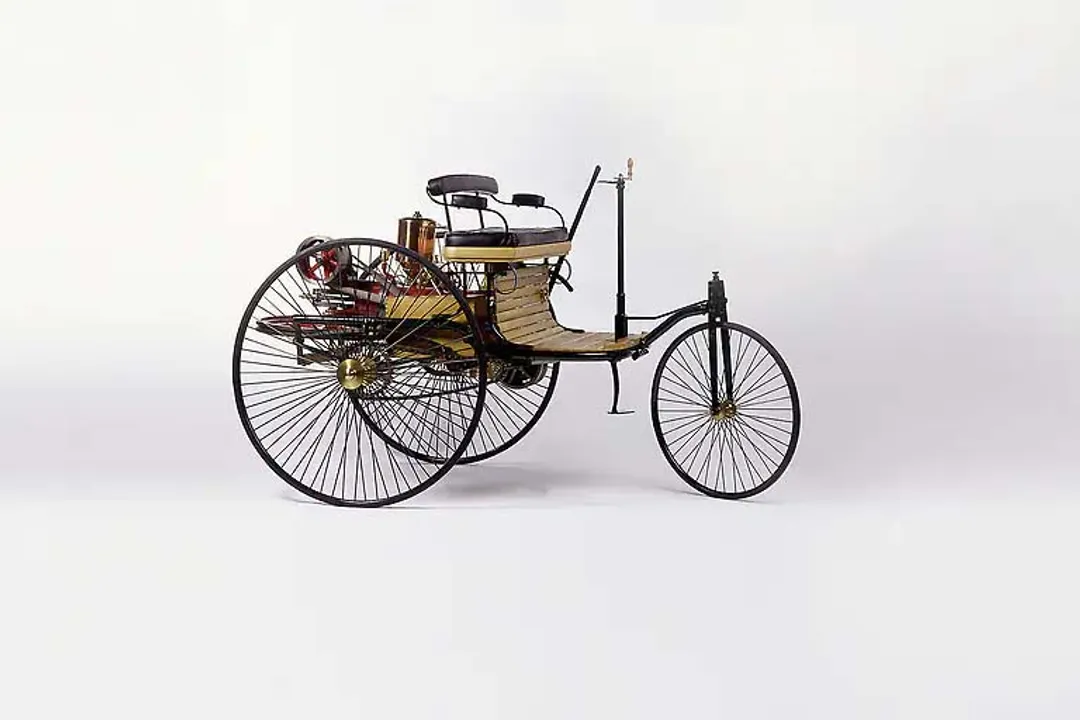
The concept of personal freedom, especially the ability to move where and when one chooses, has been fundamentally reshaped by a few key technological leaps over the last two centuries. While the wheel offered the initial foundation for organized travel, and subsequent innovations like the steam engine and railroads brought mass transportation into reach for many, the invention that truly unlocked widespread, individualized freedom of movement was something that allowed the traveler to dictate their own itinerary: the internal combustion engine powering the automobile. [2][6]
# Initial Leaps
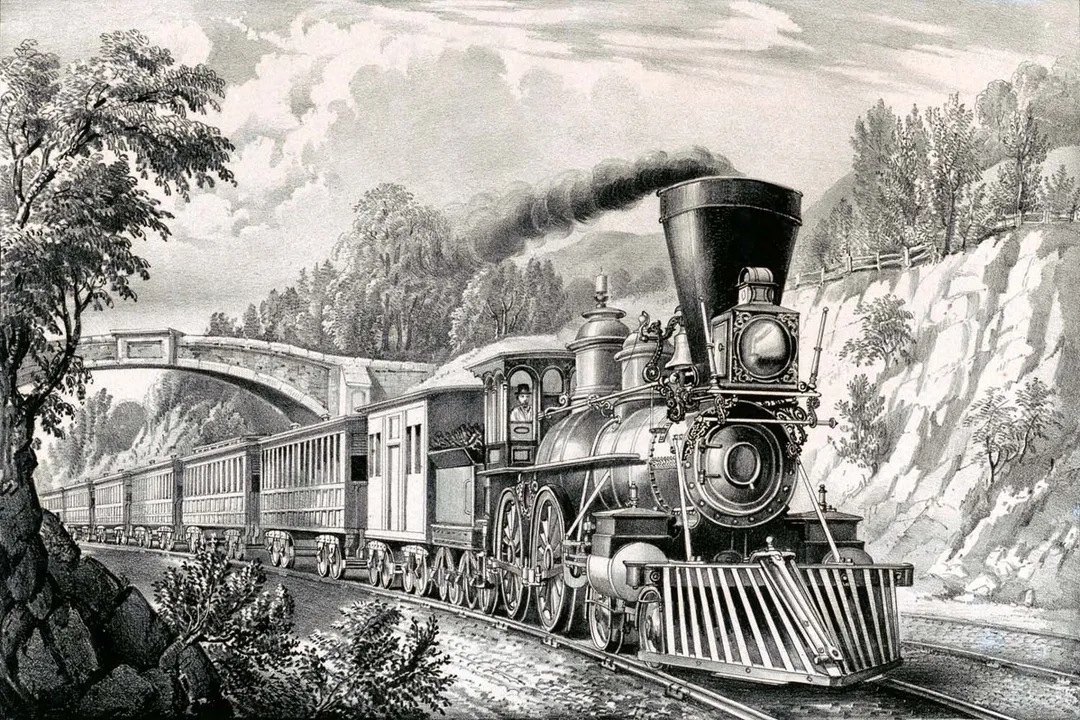
Before the advent of personalized, on-demand travel, movement over significant distances was largely dictated by fixed infrastructure or the availability of beasts of burden. [4] The development of reliable rail networks in the nineteenth century represented a massive gain in accessibility, allowing ordinary people to travel hundreds of miles in a single day, something previously reserved for the elite or those with significant resources. [2][8] Trains democratized distance, connecting towns and cities in ways previously unimaginable, but they remained tethered to the iron track. [4] This meant that even with a ticket, one’s destination was limited to stations, requiring secondary transport—often horse-drawn—to reach the final location. [2]
The challenge remained one of point-to-point autonomy. While rail offered unparalleled speed for the era over long hauls, it lacked the flexibility required for true personal freedom of exploration, particularly in local contexts or areas not serviced by the main lines. [4]
# Road Freedom
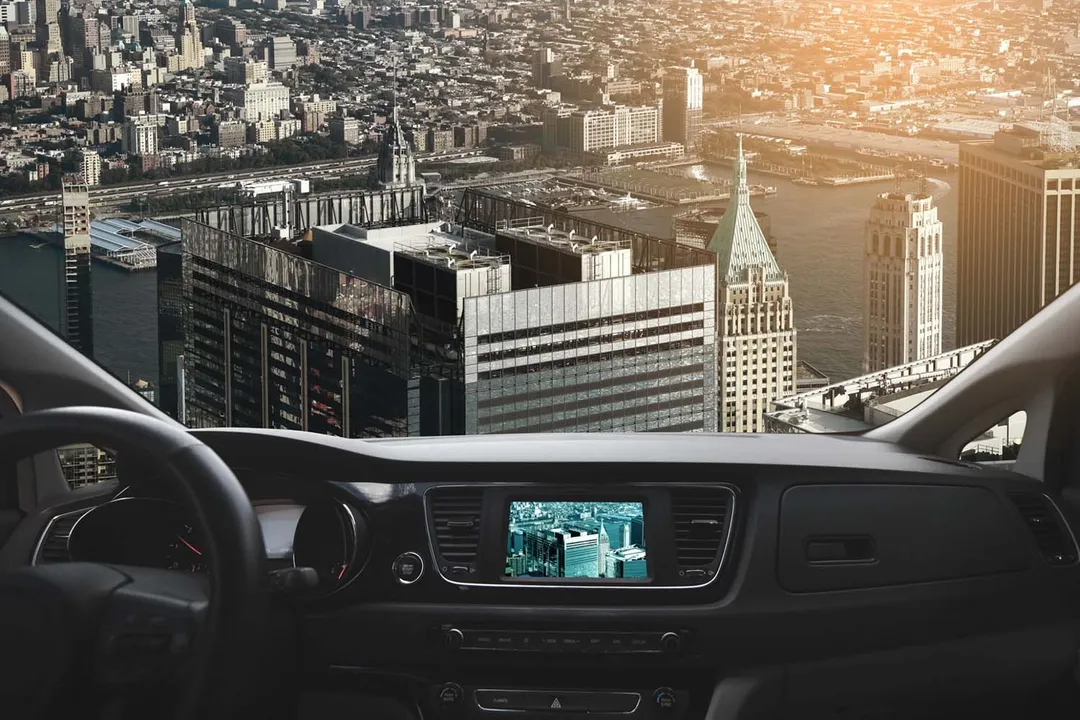
The introduction and subsequent mass production of the automobile shifted the entire paradigm of personal travel. [6] Suddenly, the limiting factor was no longer the schedule of a public carrier or the need for established tracks; it was the road network itself and the cost of fuel and maintenance. [7] The ability to leave home, drive directly to a specific destination, and return on a schedule entirely dictated by the driver provided an unprecedented level of autonomy. [6] This invention fostered the growth of suburbs, allowed for the exploration of local and regional landscapes without reliance on timetables, and fundamentally altered how people lived, worked, and socialized. [6]
The car changed travel from being an event, often requiring complex, multi-stage coordination (like taking a stagecoach to a train station, riding the train, then hiring a cab), to being a readily available utility. [2] This accessibility meant that freedom of movement became available to a much broader segment of the population than just those who could afford first-class rail tickets. [6] It is worth noting that while the railroad made distance travel possible for the masses, the automobile made local and regional travel personal for the masses. [2][4]
To better illustrate this shift in control over the journey, one can look at the constraints each system placed on the traveler:
| Transport Mode | Primary Constraint | Freedom Gained | Range of Autonomy |
|---|---|---|---|
| Railroad | Fixed Tracks & Schedule | High-speed long distance | Low (station-to-station) |
| Automobile | Fuel & Road Access | Point-to-point directness | High (schedule & route) |
| Airplane | Airport Access & Cost | Rapid continental/global reach | Moderate (airport dependent) |
This transition from public schedule to private control is a central theme in the history of modern travel freedom. [7]
# Sky Reach

While the car revolutionized movement across the landmass, the invention of heavier-than-air flight, notably by the Wright Brothers in 1903, provided a tool that redefined the scale of travel freedom. [5] Aviation conquered geography in a way no ground transport could match, cutting travel times across oceans and continents from weeks or months down to mere hours. [7]
Initially, air travel was a luxury, highly specialized, and restricted to the wealthy or for urgent military/mail purposes. [5] It was the subsequent development of reliable jet engines and the standardization of commercial flight operations that began to bring this freedom to more people. [7] However, even today, air travel remains fundamentally different from driving; it requires structured environments (airports) and adherence to complex logistical flows. [9] The freedom gained here is the freedom of speed and distance, allowing access to previously remote global locations quickly, yet it still relies on a centralized system that is scheduled and expensive compared to driving to a neighboring town. [2]
The airplane’s contribution to mass freedom is more about expanding the potential destinations available to the average person than providing daily, spontaneous mobility like the car did. [7]
# Digital Enablers

Interestingly, the final layer of modern travel freedom isn't a machine of propulsion but an innovation in information management. The rise of the internet and sophisticated online booking systems is crucial to maximizing the physical freedom granted by cars and planes. [9] The ability to research, compare prices, book accommodations, and navigate unknown cities via GPS overlays the physical infrastructure with digital intelligence. [9]
This digital infrastructure allows travelers to exploit the flexibility of the automobile or the speed of the jet engine with greater efficiency and lower friction. [9] A traveler today can spontaneously decide to drive to a new region and book a hotel room from their phone minutes before arrival, a convenience unimaginable even thirty years ago, illustrating that freedom to travel is now a combination of physical means and informational access. [9]
# Defining True Freedom
If we define freedom of travel as the ability to dictate one's itinerary on demand, with the fewest external constraints, the automobile stands out as the primary democratizer of this concept for the largest percentage of the global population in the 20th century. [6] While the railroad moved the most people over long distances for the longest period, and the airplane conquered the globe, neither offered the inherent, day-to-day, door-to-door control that the personal motor vehicle delivered. [2][4] The car allowed a local person to become their own travel agent, moving commerce, recreation, and social interaction outside the confines of established public routes. [6] The true measure of travel freedom isn't just how far you can go, but how much you control the steps in between—and in that sense, the road network, enabled by the engine, offered the greatest liberation to the everyday person. [7]
Related Questions
#Citations
Which Invention Allowed the Greatest Personal Freedom of Travel?
7 brilliant inventions that changed travel | National Geographic
What invention gave people more freedom to travel? A. The airplane ...
Top 10 Innovations in Transportation - GIMI
The Wright Brothers | National Air and Space Museum
How the Invention of the Car Changed the World - Aceable
The [R]evolution of Travel: From Airplanes to Electric Cars and ...
How Did Inventions Change Transport and Communication?
The top 5 innovations that have changed the way we travel forever