What did Shane Chen invent?
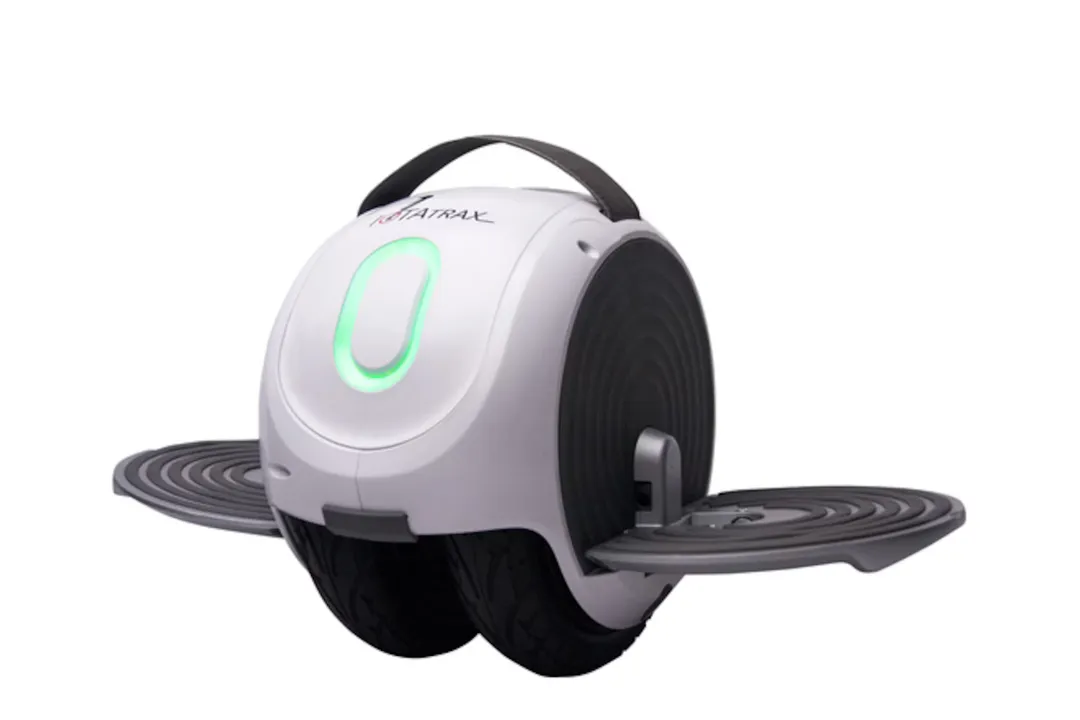
Shane Chen is an inventor whose name became unexpectedly linked to a massive global trend in personal electric mobility, an association that brought both notoriety and significant personal financial strain. While many consumers know the device by its widely popularized name, Chen’s initial creation—a self-balancing, two-wheeled board—was known as the Hovertrax. His portfolio extends beyond this single breakout device, showcasing a dedication to developing streamlined, electric methods of personal transport that challenge conventional movement.
# Mobility Concepts
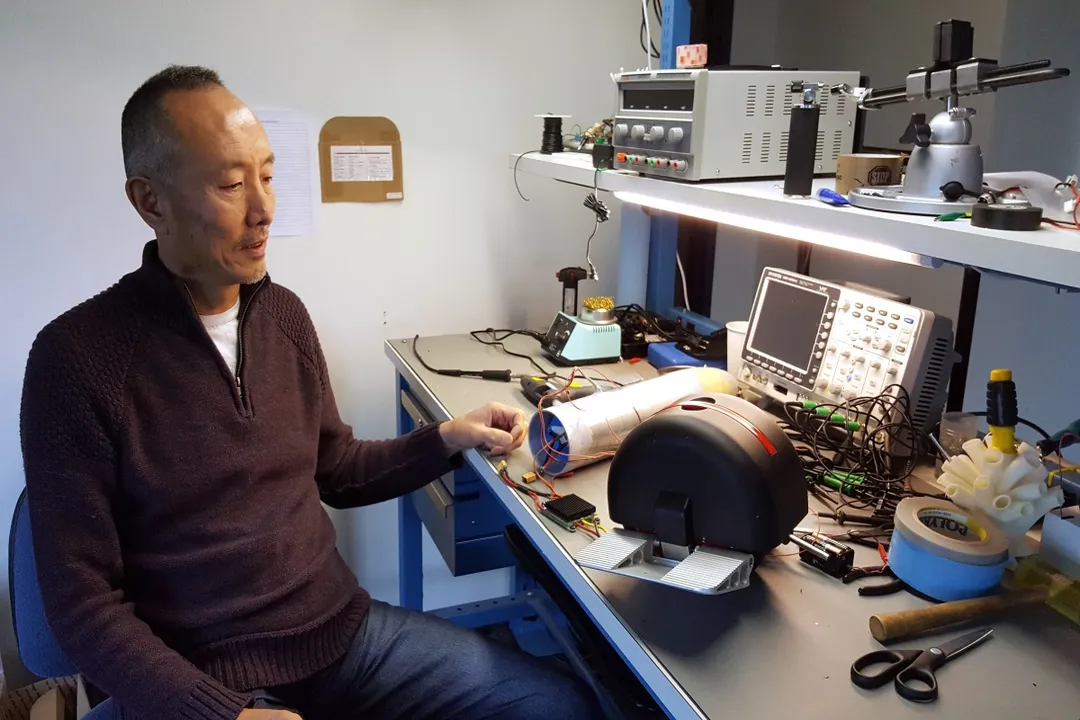
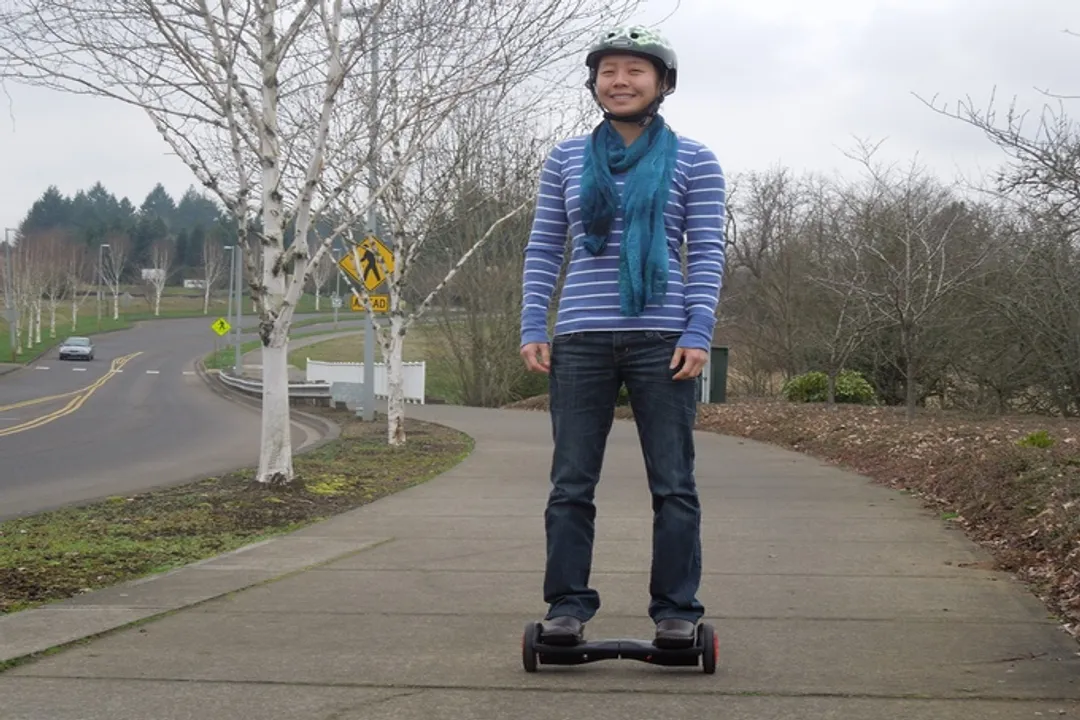
Chen’s inventive spirit seems consistently directed toward personal transportation devices that are compact, powered, and intuitive. The Hovertrax stands out as perhaps the most impactful of these concepts. It fundamentally represents a two-wheeled, self-balancing vehicle. This platform, which gained immense popularity globally around 2015, operates on principles of gyroscopic stabilization, allowing a rider to move forward, backward, and turn simply by shifting their weight.
The device Chen patented predates the explosion of the consumer market and was designed with a specific functionality in mind. His original Hovertrax patent, filed in the early 2010s, laid the groundwork for what became the ubiquitous self-balancing scooter. While the consumer versions often faced skepticism regarding build quality, Chen’s original design was the foundation. Seeing how quickly the market adopted and modified his concept provides a fascinating, if perhaps frustrating, case study in modern invention. It demonstrates the chasm that can form between a protected, novel idea and its mass-produced, often unlicensed, iteration.
# Broader Inventions
While the Hovertrax dominated headlines, Chen’s work at his company, Inventist, reveals a broader vision for personal mobility systems. Another significant invention credited to him is the Solowheel. This device is a unique, single-wheeled electric vehicle that the rider stands upon. Like the Hovertrax, it relies on gyroscopic sensors to keep the rider upright and controlled via subtle shifts in balance.
The Solowheel arguably represents a more direct evolution of the Segway concept, boiled down to its most minimal, essential components—a wheel, a platform, and the stabilizing electronics. Contrast this minimalist approach with his more complex, future-looking concepts. For instance, there was talk and demonstration of the Iota, another development stemming from his work, suggesting an ongoing refinement of the two-wheeled balance mechanism. Looking even further ahead, Chen envisioned applications that merged personal mobility with vehicular transport. One notable, though perhaps less realized, concept involved adapting the principles of these self-balancing boards into a system that could potentially connect to or augment a car, perhaps acting as a last-mile solution or an integrated component of a larger electric vehicle ecosystem. This particular idea, suggesting a hoverboard car, highlights his thinking wasn't just about individual novelty but about integrated transportation systems.
| Invention | Core Mechanism | Primary Use Case | Patent Status Context |
|---|---|---|---|
| Hovertrax (Self-Balancing Scooter) | Dual wheels, gyroscopic balance | Personal short-distance transport | Widely counterfeited |
| Solowheel | Single large wheel, gyroscopic balance | Personal electric unicycle | Part of Inventist portfolio |
| Hoverboard Car Concept | Integration of balancing tech with cars | Advanced personal/vehicle interface | Theoretical/Conceptual stage |
If you examine the evolution from the single-wheeled Solowheel to the dual-wheeled Hovertrax, a clear pattern emerges: Chen systematically sought ways to reduce the physical footprint of powered personal transit while maximizing intuitive control. The move to two wheels likely offered greater stability for the average user accustomed to standing on a platform, which explains its mass-market success, even if the single-wheel design is mechanically more elegant.
# Intellectual Property Battles
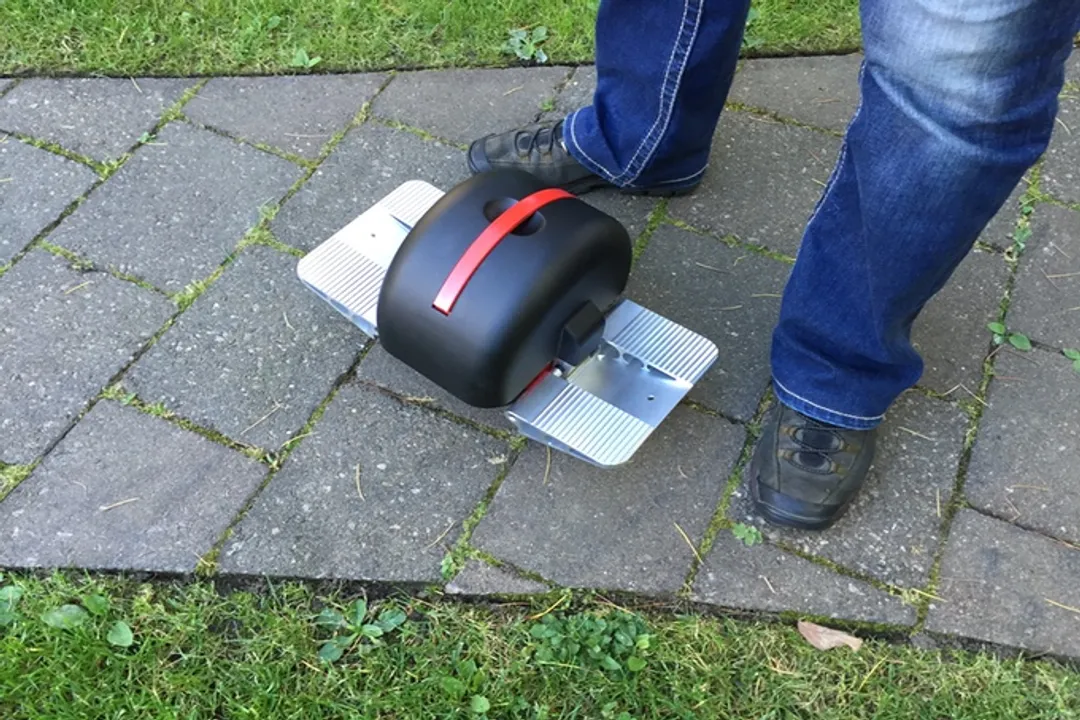
The success of the Hovertrax concept in the marketplace led directly to one of the most difficult periods for the inventor. Despite holding patents for the underlying technology, Chen found himself in a protracted struggle against a torrent of counterfeit products, primarily originating from Chinese manufacturers. This situation is a classic, painful example of the challenges facing inventors in the globalized manufacturing environment.
Reports indicate that Chen lost millions of dollars due to these counterfeiters who copied his design and flooded the market, effectively undermining the sales of legitimate products, including his own. It is disheartening to note that the very invention that brought his name global recognition was also the vehicle for substantial personal financial loss. The Hovertrax became an example cited by inventors about the difficulty of enforcing intellectual property rights against large-scale, overseas production piracy. While the original company, Inventist, fought to defend its patents, the sheer volume and low price point of the knock-offs proved an overwhelming challenge.
# The Inventor's Perspective on Mobility
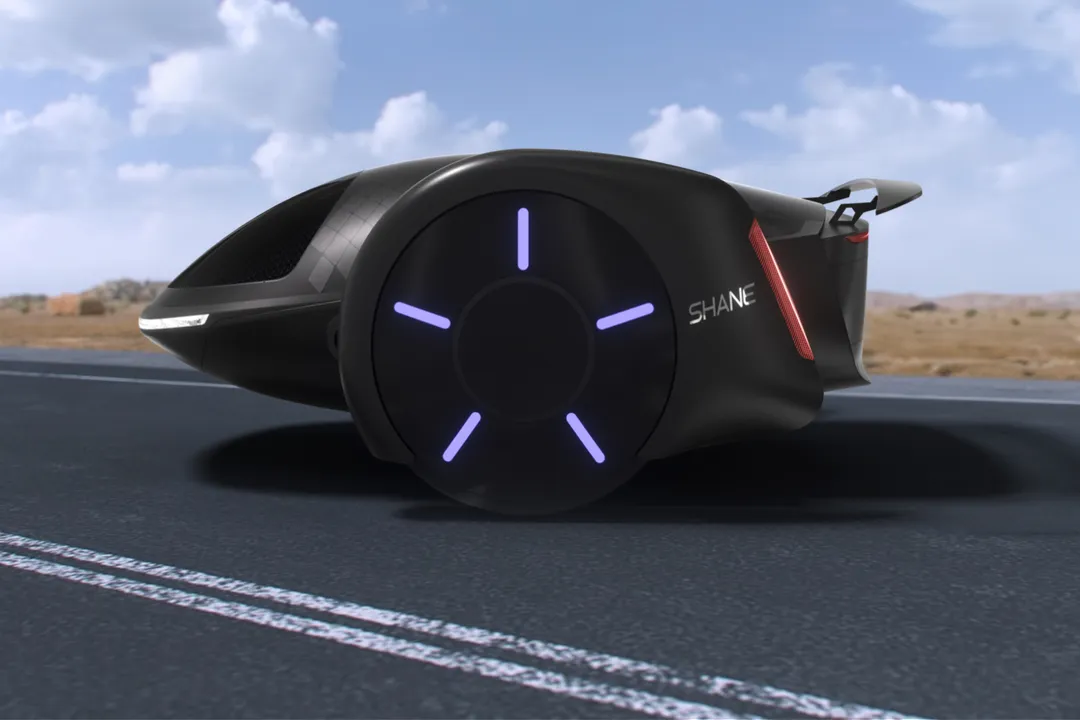
What ties these disparate devices—the Hovertrax, the Solowheel, and even the speculative car integration—together is a focus on active personal transport. Unlike a seated scooter or a bicycle, these inventions demand active physical engagement from the rider for balance and steering. This reliance on the rider's immediate physical input, mediated by sophisticated electronics, suggests an inventor interested not just in moving people, but in creating a dynamic interaction between human and machine.
One might analyze Chen’s trajectory and conclude that true market impact often hinges less on the elegance of the patent and more on the speed and scale of manufacturing and distribution—a harsh reality for the innovator holding the original drawings. When a technology goes viral, as the self-balancing scooter did, the window for legal redress can close quickly as the general public begins associating the product with the unauthorized copies rather than the originator.
Furthermore, the sheer novelty required to break through the noise in consumer electronics is immense. Chen managed this feat twice, with the Solowheel and the Hovertrax. Think about the product development timeline: filing a patent, refining the engineering (as seen in the differences between the Solowheel and Hovertrax), and then facing an army of fast-followers who skip the expensive R&D phase entirely. For someone dedicated to the design process, like Chen, seeing the market pivot entirely to the cheaper, slightly less refined copies must have been an exercise in restraint, resisting the urge to abandon the high-quality path for the high-volume, low-margin battleground.
It is worth considering that the vision for these devices likely extended beyond simple sidewalk cruising. If you review the concepts shown in demonstrations, the devices are portrayed as alternatives to walking, suggesting that Chen saw them filling the space between walking speed and bicycle speed—a highly efficient mode for campuses, industrial parks, or urban centers where a full bike or car is cumbersome. The future he seemed to be designing for was one where short trips required an electric assist that was easily carried when not in use. This contrasts sharply with bulkier electric options that became popular later on.

# Developing the Next Step
The lessons learned from the Hovertrax saga likely inform any subsequent development. For an inventor who has experienced the pain of IP theft on a massive scale, future projects might prioritize designs that are inherently difficult to replicate cheaply or that integrate into closed ecosystems where counterfeiting is less feasible. While the source material focuses heavily on the Hovertrax fallout, the existence of his dedicated Inventist site suggests a continuing commitment to bringing new ideas to fruition.
The electric two-wheeled vehicle, in its many forms, has cemented Shane Chen's place in the history of personal transport innovation. Whether through the minimalist Solowheel or the globally recognized, if legally complicated, Hovertrax, Chen provided the blueprints for a new way people interact with their immediate surroundings. His story serves as a potent reminder that inventing the what is only the first, and often easiest, step in bringing a true innovation to the world.
#Videos
Inside the Mind of Shane Chen: The Creator of the Hoverboard
Shane Chen, inventor of the hoverboard, on creating the first 2 ...
Related Questions
#Citations
Inventist
Inside the Mind of Shane Chen: The Creator of the Hoverboard
Hoverboard Inventor Turns Heads With Two-Wheeled Car
Hoverboard inventor Shane Chen takes another crack at ...
The U.S. Patent System Is Broken, Says The Inventor Of ... - Forbes
The hoverboard inventor boldly envisions this electric two-wheeled ...
Undeterred by copycats, Hovertrax inventor Shane Chen ... - GeekWire