Who made the first record sound device?
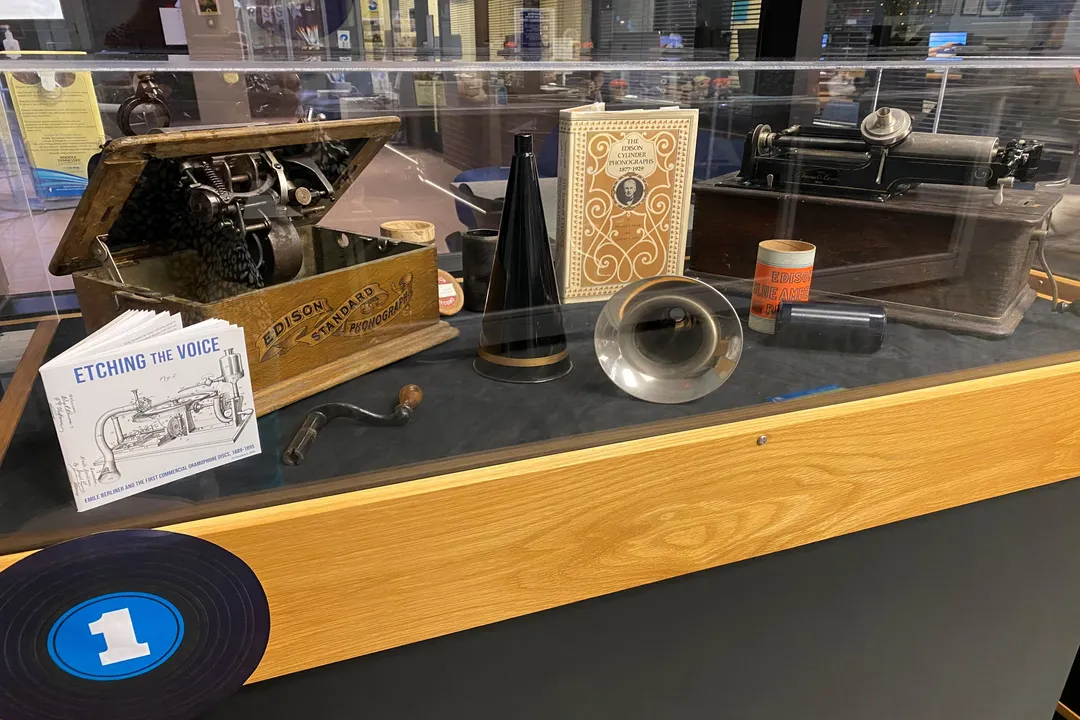
The answer to who created the first device to record sound isn't a single name but rather a story split between two key innovators separated by two decades, each achieving a different, but equally critical, milestone: the invention of recording versus the invention of reproduction. The earliest successful method to capture sound waves mechanically belongs to a Frenchman named Édouard-Léon Scott de Martinville. His groundbreaking work predates the famous phonograph by twenty years, yet his machine was never intended to let anyone hear what it captured.
# Visual Traces
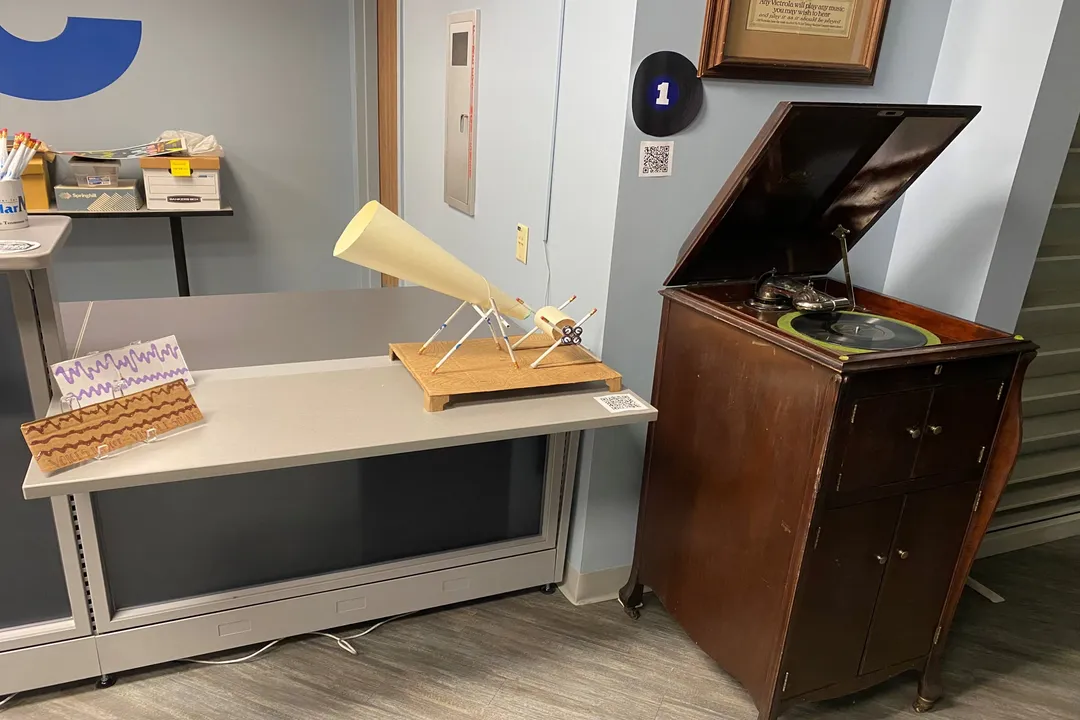
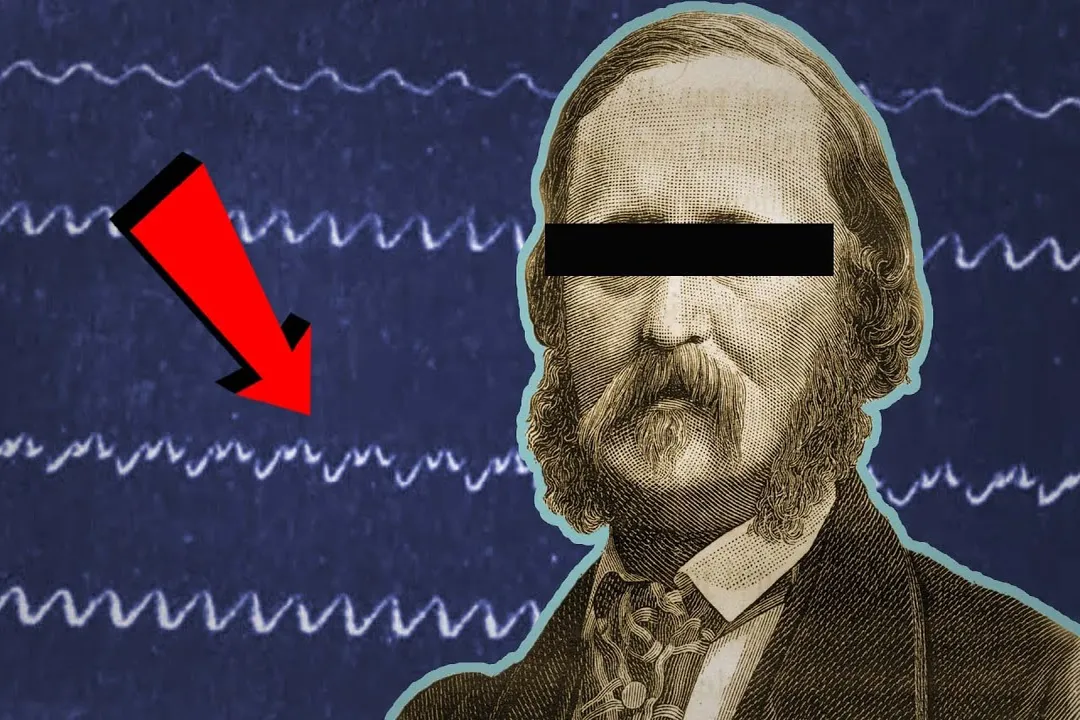
In 1857, Scott de Martinville developed what he called the phonautograph. His primary goal was not the creation of recorded music or speech for later listening, but rather to study sound waves visually, much like a modern oscilloscope displays electrical signals. The device itself was elegantly simple, consisting of a diaphragm connected to a stylus that would etch or trace vibrations onto a sheet of soot-covered paper or parchment that was moving horizontally. The resulting trace was a visible, wavy line representing the acoustic energy of the sound waves—a phonautogram.
Scott’s device was the first true sound recorder. It captured sound waves and turned them into a physical, permanent record. Because the stylus simply scratched a line, there was no built-in mechanism to reverse the process and make the machine "play back" the sound. This distinction is crucial: Scott captured the image of sound, while later inventors sought the sound itself back again.
# Hearing the Past
For over 150 years, Scott's recordings remained silent images on paper. It wasn't until 2008 that modern digital imaging techniques and computing power allowed researchers to properly analyze one of his surviving phonautograms. By scanning the trace and applying digital signal processing to interpret the grooves as if they were needle vibrations, scientists managed to recover the oldest known recording of a human voice. This recording, made in 1860—three years after the invention of the machine—features Scott faintly singing the French folk song, "Au clair de la lune". Imagine the astonishment of hearing a voice from the mid-19th century, thanks to an inventor whose primary aim was graphic representation, not acoustic playback. The experience offers a tangible connection to the past that even the Edison recording lacks in terms of sheer age.
# The Replay Revolution
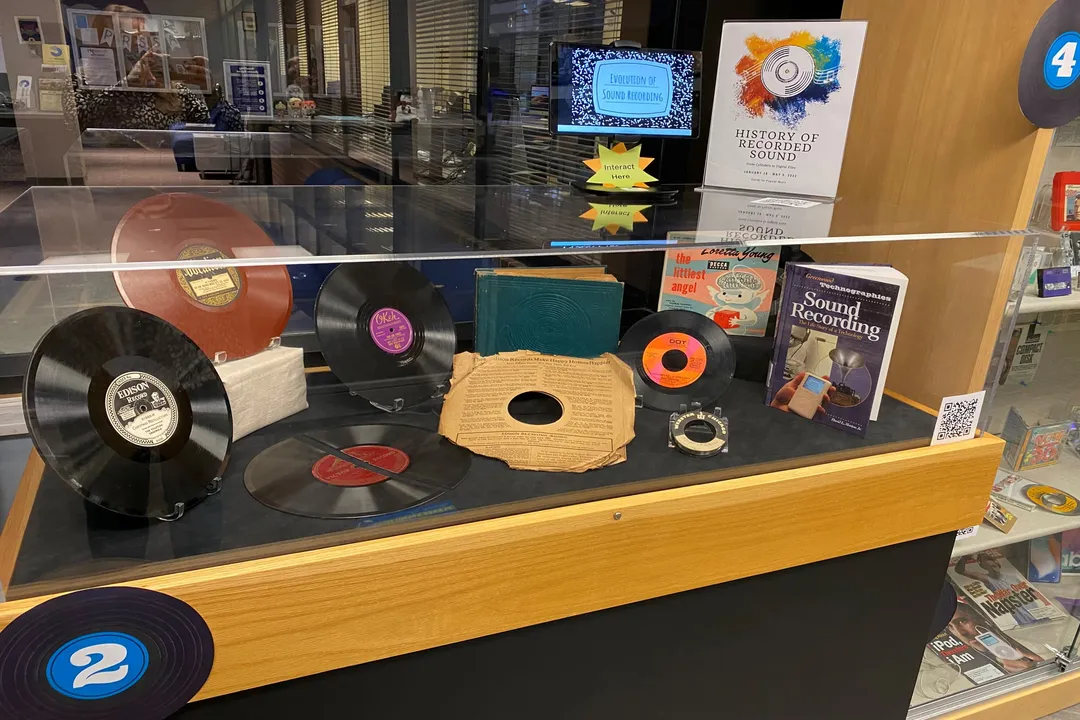
While Scott made the first recording, the title of inventor of the first playback device—the machine we generally associate with recorded sound—goes to Thomas Alva Edison. In 1877, Edison announced his invention, the phonograph. This machine was fundamentally different because it was designed with the dual capability of both recording and reproducing sound.
Edison’s device used a diaphragm connected to a metal stylus, similar in concept to Scott’s, but he wrapped a thin sheet of tinfoil around a rotating cylinder. When a person spoke or sang into the mouthpiece, the sound vibrations moved the diaphragm, causing the stylus to physically indent the soft tinfoil, creating a groove that mirrored the sound waves. To play it back, Edison simply reversed the process: he placed a fresh stylus in the groove and rotated the cylinder, causing the stylus to vibrate the diaphragm, which then projected the sound into the air. The very first phrase he successfully recorded and played back was, "Mary had a little lamb".
The ability to reproduce sound immediately separated the phonograph from the phonautograph. Edison’s invention captured the public imagination because it offered instantaneous auditory proof of its function, whereas Scott's invention required complex, subsequent technological analysis just to reveal its content.
# A Conceptual Divide
Considering the two men’s achievements side-by-side reveals a deep conceptual divide in the application of acoustics. Scott de Martinville, a brilliant acoustician, seemed limited by the scientific paradigm of his time—sound was an ephemeral physical phenomenon to be measured and mapped. His work was about quantification. Edison, on the other hand, approached the problem with an inventor’s commercial and practical focus—sound was a product to be packaged, stored, and sold. The enduring legacy belongs to the one who solved the problem of listening back, because that provided the utility that spurred commercial development. When we think of the first "record," we instinctively think of playback, which is why Edison often gets the credit, even though he was chronologically second to capture the sound waves themselves.
| Inventor | Device Name | Year of Invention | Primary Function | Sound Medium |
|---|---|---|---|---|
| Édouard-Léon Scott de Martinville | Phonautograph | 1857 | Visual Sound Recording | Soot-covered paper/parchment |
| Thomas Edison | Phonograph | 1877 | Recording AND Playback | Tinfoil wrapped around a cylinder |
If we break down the necessary engineering steps for creating recorded media, Scott achieved Step 1 (Capture), while Edison achieved Step 1 and Step 2 (Capture and Reproduction). From a purely mechanical standpoint, the phonautograph was first to make a permanent physical trace of sound energy.
# Early Technologies Compared
The materials used also dictated the immediate success of each device. Edison's use of tinfoil was temporary; the soft metal quickly degraded with each playback, leading to the subsequent development of wax cylinders and shellac discs. This inherent fragility of the first medium is why preserving those early recordings is so difficult today.
The National Museum of American History, for instance, holds materials related to early sound recording, recognizing the importance of preserving these fragile artifacts through projects focused on their recovery and study. These collections often house both the visual and the early acoustic attempts, highlighting the evolution from graphical representation to auditory playback. It is fascinating to see the raw beginnings, where the fidelity of the recorded sound was entirely dependent on the steadiness of the operator's hand and the quality of the tinfoil surface. A slight tremor by the operator could mean the difference between a recognizable word and an incomprehensible scratch, a common failure scenario in early acoustic experiments.
When analyzing the fidelity of these initial attempts, it's worth noting that even with the 2008 digital recovery, Scott’s 1860 "Au clair de la lune" is thin, ghostly, and high-pitched compared to modern recordings. This lower fidelity is partly due to the construction of the phonautograph, which prioritized a light stylus for accurate tracing over a heavy, resonant diaphragm necessary for strong acoustic projection during playback—a trade-off Scott never intended to overcome.
# The Context of Invention
It is helpful to place these men in the context of the time. The mid-19th century was an age of intense scientific inquiry into optics, electromagnetism, and wave mechanics. Scott was directly engaged in this scientific pursuit, seeking to apply the established principles of wave theory to acoustics. He treated sound as a vibration to be measured, similar to how a seismograph measures earth tremors.
Edison, entering the scene two decades later, was often looking for a practical application that could be commercialized—he famously sought a way to make recording and playing back business messages easier. This shift in intent from pure science to market utility is perhaps the greatest difference between the two inventors. One sought knowledge; the other sought a product. The fact that Scott’s work was eventually rediscovered and made audible suggests that the human desire to hear the voices of the past was always present, even if the technology hadn't caught up to the desire for playback in 1857.
The story of the first sound recording device, therefore, is less about a single "eureka" moment and more about recognizing two separate inventions that solved two different problems. Scott solved the problem of permanence for sound vibrations, while Edison solved the problem of accessibility for those vibrations. For any aspiring innovator looking at historical success, the lesson here is that solving the wrong problem perfectly (Scott) is often overshadowed by solving the right problem imperfectly (Edison) if the latter unlocks immediate public utility. The path from a visual scratch on paper to the digital audio file on your phone runs directly through the achievements of both these figures, one proving it could be done, the other proving it could be heard.
#Videos
The First Man To Record Sound - YouTube
Related Questions
#Citations
Origins of Sound Recording: The Inventors - Thomas Edison ...
The First Man To Record Sound - YouTube
The Forgotten Genius Who Recorded The First Sound In 1857
Listen to the oldest known recording of a human voice | BBC Global
History of Recorded Sound - Center for Popular Music
Early Sound Recording Collection and Sound Recovery Project
The First Phonograph - The Talking Machine Forum