Who invented vaccination cold chains?
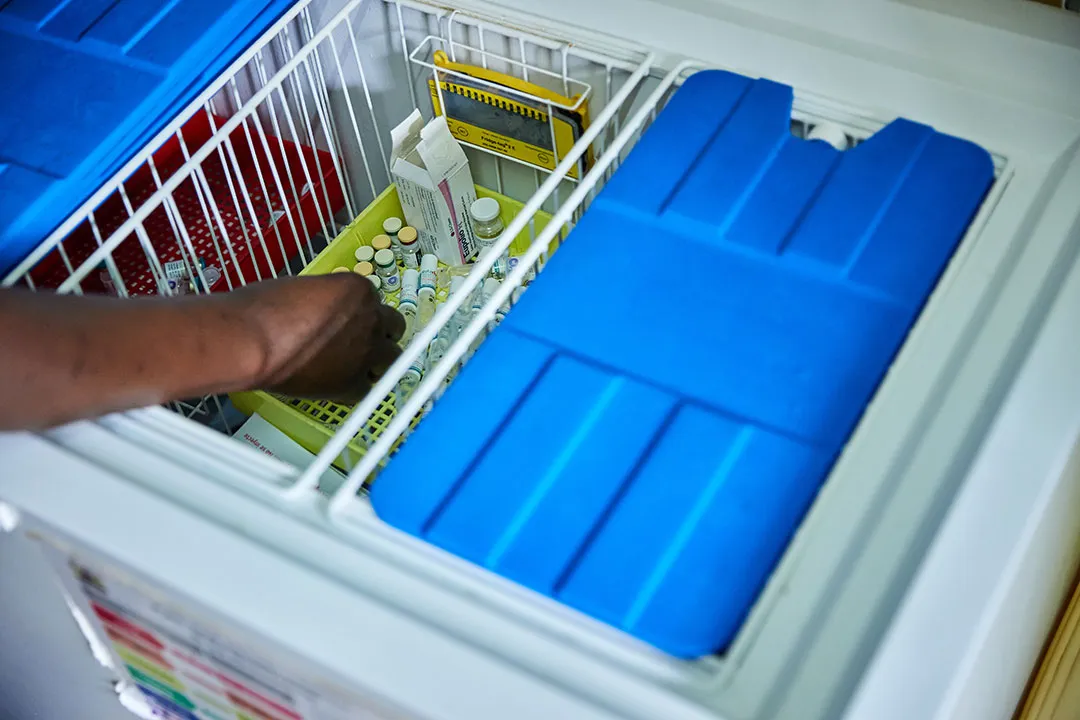
The story of keeping life-saving vaccines viable on their long passage from the lab to the patient is not the work of a single inventor but a gradual, necessary evolution driven by scientific understanding and logistical struggle. It centers on what is now universally known as the cold chain: a temperature-controlled supply network essential for maintaining the potency of heat-sensitive medical products. Without this chain, many modern immunizations, including those against polio, measles, and more recently, COVID-19, would simply turn into ineffective water by the time they reached the recipient.
# Early Instability
The need to control temperature for biologicals long precedes the formal creation of a "cold chain." Even before the advent of widespread vaccination, people understood that perishable substances needed protection from spoilage, often relying on ice or cool cellars for storage. However, the specific fragility of vaccines became critically apparent with the groundbreaking work of Louis Pasteur in the late nineteenth century. Pasteur’s development of attenuated vaccines, such as those for anthrax and rabies, revealed a fundamental truth about these new biological tools: they were inherently unstable.
Pasteur’s early vaccines, being living cultures or derived from sensitive tissues, quickly lost their ability to provoke an immune response if allowed to warm up. The original rabies vaccine, for instance, was known to lose efficacy if not stored properly. Early attempts to manage this involved using insulated containers packed with ice, a primitive but necessary precursor to modern equipment. This realization—that the delivery of the vaccine was as important as its creation—marked the true genesis of the cold chain concept. The initial challenge was primarily one of preservation during limited-distance transport, often within established laboratory networks.
# Smallpox Lessons
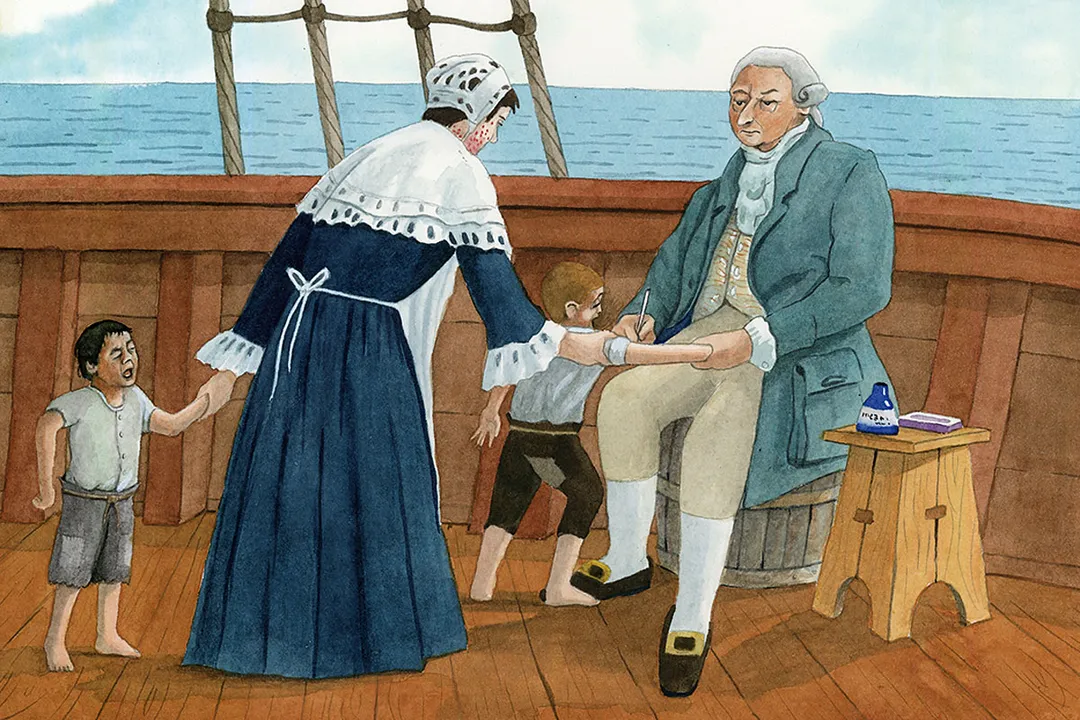
The smallpox vaccine, introduced by Edward Jenner in the late 1700s, presented an early, large-scale distribution challenge that implicitly involved temperature control, though not yet formalized as a "chain". Jenner's method, using material from cowpox lesions, was delicate and susceptible to contamination and degradation from heat. Distributing this vaccine across continents required rudimentary methods of cooling and protection, often relying on the maritime routes and the natural coolness of sea travel or shaded storage at waypoints.
One significant realization that informed later standardization was the difference in vaccine behavior. While some early vaccines were highly susceptible to heat, others, like the original smallpox preparation, were surprisingly vulnerable to freezing—a fact that posed a significant problem for subsequent generations of vaccine developers. Understanding this duality—that vaccines can be damaged by both high and low temperatures—is foundational to the complexity of the modern cold chain.
# Refrigeration Emerges
The invention of the cold chain as a reliable, scalable system could not happen until mechanical refrigeration became a reality. The transition from relying on naturally harvested ice to using powered cooling units was a gradual technological revolution that paralleled the expansion of vaccine programs in the early twentieth century. As vaccines became commercialized and targets for mass campaigns grew, the reliance on sporadic ice supply proved inadequate and inconsistent.
The development of reliable, electrically powered refrigerators and freezers allowed for consistent low-temperature storage, but the challenge remained in transporting vaccines across vast distances, particularly to rural or underserved areas lacking consistent electrical grids. This is where the concept branched: the static cold chain (storage) improved with refrigeration technology, but the mobile cold chain (transport) required innovative passive and active solutions.
# Global Standards Set
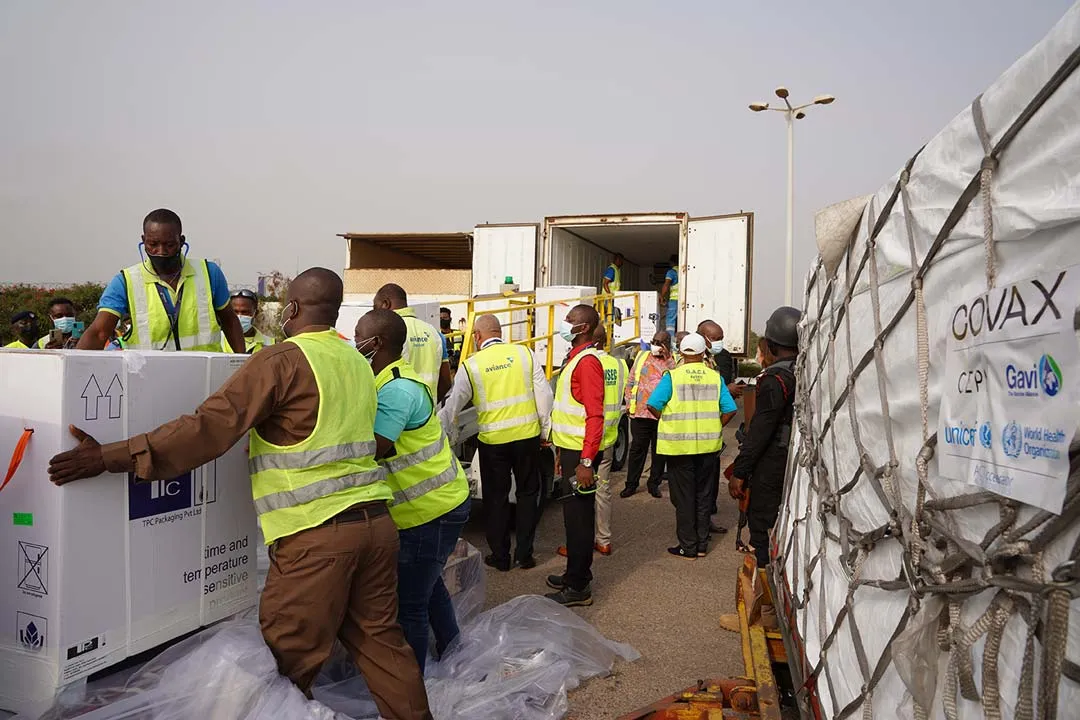
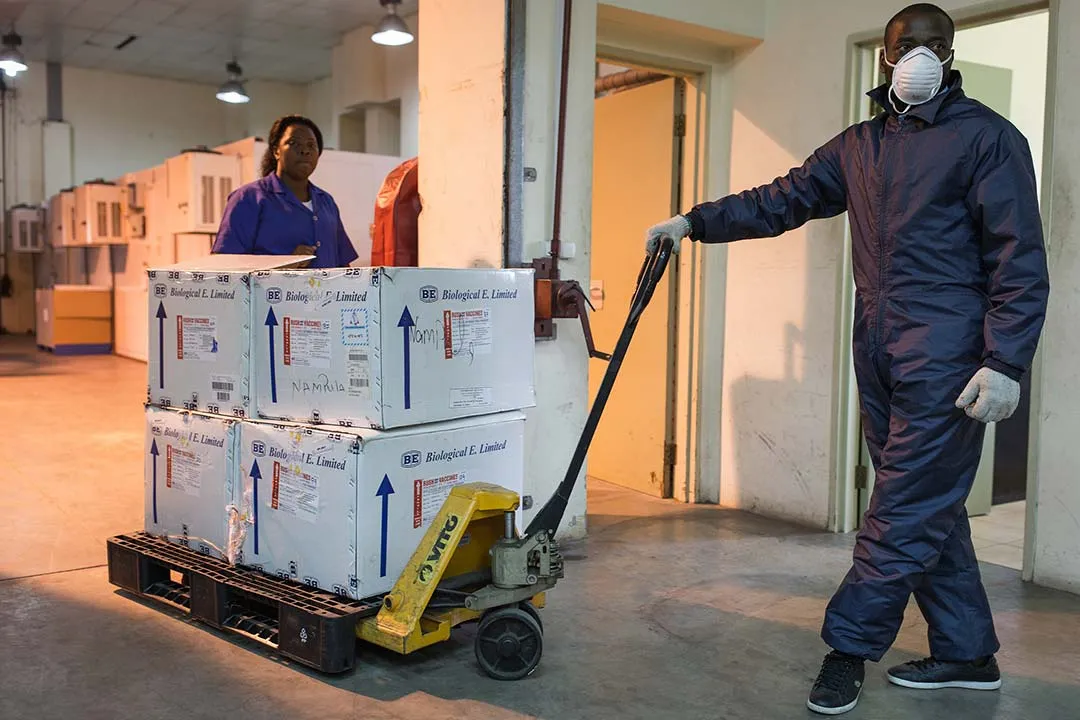
The formal, global effort to engineer and mandate a standardized vaccine cold chain truly took off in the post-World War II era, driven by burgeoning international health organizations dedicated to eradicating diseases worldwide. Key players in institutionalizing this system were the World Health Organization (WHO) and UNICEF. These bodies recognized that for global immunization campaigns to succeed, every country, regardless of its infrastructure, needed access to potent vaccines.
UNICEF, in particular, played an enormous role in the procurement and distribution infrastructure. They became central in designing, purchasing, and deploying the necessary equipment—from refrigerators powered by kerosene or solar energy in off-grid locations to specialized insulated carriers for field use.
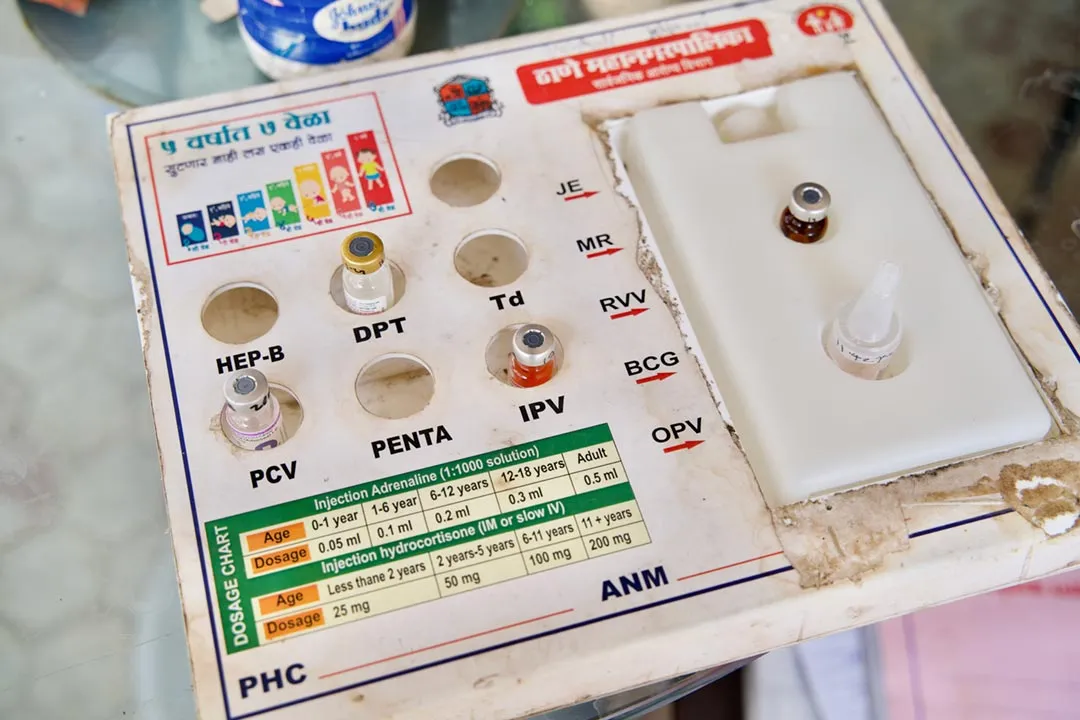
A crucial element established during this period was the definition of temperature parameters. Different vaccines require different storage conditions. For example, while many standard vaccines require storage between +2°C and +8°C, the introduction of newer, highly sensitive vaccines, like those for Human Papillomavirus (HPV) or certain rotavirus vaccines, brought the challenge of frozen storage into the standard framework. Furthermore, there are vaccines that must never freeze, leading to the establishment of strict guidelines to prevent accidental freezing during transport.
The initial standards focused heavily on what is now known as the "frozen chain" for older vaccines and the "refrigerated chain" for others. The challenge was often amplified by the fact that a single shipment might contain vaccines requiring different temperature ranges, demanding complex segregation within shipping containers.
The establishment of specific guidelines by WHO for vaccine storage and distribution became the global reference point, ensuring that a vaccine arriving in a remote village in Asia was handled under the same principles as one leaving a pharmaceutical plant in Europe. This standardization, more than any single piece of equipment, solidified the system we call the cold chain.
# Components of the Chain
The cold chain is less a single invention and more a system of interconnected technologies and procedures. Its success relies on maintaining temperature integrity across multiple stages. To appreciate who invented it, we must look at what makes it up:
- Primary Storage: This is the manufacturing site or central depot, usually employing industrial walk-in cold rooms or large freezers.
- Secondary Storage: Regional or national warehouses that utilize larger, purpose-built refrigerators and freezers.
- Tertiary/Intermediate Storage: Smaller storage units located at district health facilities.
- Cold Boxes and Vaccine Carriers: These are the mobile components, essential for last-mile delivery. They are highly insulated containers designed to hold temperature for several days, often using pre-conditioned ice packs or phase change materials (PCMs).
It is insightful to compare the early reliance on ice to the modern reliance on phase change materials. Ice packs have a fixed temperature ceiling (0°C) and pose a severe freezing risk for heat-sensitive vaccines, yet they were the standard for decades. The development and integration of PCMs, which can be engineered to maintain specific temperature ranges (e.g., +5°C or -15°C) more precisely than ice, represents a significant technological refinement within the existing cold chain structure. This shift showcases that the "inventors" were also the engineers refining the tools, not just the epidemiologists who identified the need.
# The Last Mile Struggle
One area where the historical narrative often focuses, and where innovation continues, is the "last mile"—getting the vaccine from the nearest reliable facility to the patient. Historically, this segment has been the weakest link in the entire system, particularly in developing nations where electricity access is unreliable or non-existent.
Consider a scenario in a vast, equatorial region during the 1970s. A vaccine shipment arrives at a national hub via refrigerated transport, meeting the +2°C to +8°C standard. To reach a rural clinic, it might be transferred to a smaller cooler, carried by vehicle for two days, and then stored in a kerosene-powered refrigerator that cycles unevenly due to fuel supply issues. The cold chain, in this instance, was only as strong as its weakest link—the kerosene fridge or the fluctuating fuel supply.
This reality has spurred an original insight into the evolution of the chain: the invention of the reliable cold chain was less about inventing the refrigerator and more about inventing the policy that mandated temperature monitoring and provided reliable alternatives for areas without dependable power. The introduction of solar-powered vaccine refrigerators (SPVRs) and more effective, non-ice thermal packaging became as crucial as the initial discovery of vaccine fragility. These solutions, often deployed through massive global procurement efforts, represent the practical realization of the abstract need identified by Pasteur and others.

# Orphan Vaccines Challenge
The continuous expansion of the medical arsenal highlights a recurring challenge to the established cold chain—the emergence of "orphan vaccines." These are vaccines developed for diseases primarily affecting poorer nations, often receiving less sustained funding for distribution infrastructure compared to blockbuster vaccines for globally endemic diseases.
The case of the Haemophilus influenzae type b (Hib) vaccine illustrates this historical pattern. While a major achievement, its initial high cost and the complexity of its storage requirements meant that regions needing it most often struggled to maintain the required temperature profile consistently. This forced public health bodies to innovate specialized, low-volume, high-performance thermal packaging solutions specifically for these less commercially prioritized products. This iterative refinement, addressing the needs of specific, often overlooked vaccines, forms a key layer of the cold chain's development history that often gets overshadowed by the major polio or smallpox campaigns.
# System Integration and Data
The modern cold chain demands an integrated approach that spans from the manufacturer to the point of injection. We are no longer just tracking temperature; we are tracking location, time, and temperature simultaneously. This brings us to the most recent major "invention" related to the cold chain: the integration of digital monitoring and data reporting.
The use of electronic temperature monitoring devices (ETMDs) that record excursions and allow for remote data analysis is a relatively recent, yet vital, component. Before this, quality assurance often relied on simple irreversible temperature indicators—stickers that permanently changed color if a temperature threshold was breached. While useful, these indicators lacked the granularity of modern data logging.
Here is a comparison of historical versus modern monitoring:
| Monitoring Tool | Era of Primary Use | Data Provided | Insight Level |
|---|---|---|---|
| Ice/Snow Visual Check | Early 1900s | Subjective assessment of preservation | Low |
| Freeze Tag / Vial Monitor | Mid-to-Late 20th Century | Irreversible pass/fail on temperature breach | Medium |
| Kerosene Refrigerator Log | Mid-to-Late 20th Century | Periodic manual recording of gauge reading | Medium-High |
| Electronic Data Logger (ETMD) | 21st Century | Continuous, time-stamped temperature history | High |
The shift from periodic manual logging to continuous electronic monitoring changes the entire calculus of supply management. It allows global organizations to audit the integrity of a shipment before it reaches its destination and intervene if necessary, moving the cold chain from a reactive system to a proactive one.
Another original analytical point is that the efficacy of the cold chain often correlates inversely with the distance it travels from an established grid. A vaccine stored at a central manufacturer might have 100% potency integrity because monitoring is tight and power is constant. That same vaccine, after four transfers involving an ice chest, a shared vehicle, and a kerosene fridge, might retain only 70% potency, even if the final trip was successful. This loss, known as potency degradation, is the real, unadvertised cost of a weak link, making the final 5% of the delivery path the most technologically significant to perfect.
# The Need for Expertise
Ultimately, the invention of the cold chain isn't about a single patent but about the collective expertise built over a century. It required the microbiological expertise of Pasteur, the mechanical engineering prowess behind effective compression and insulation, the global logistics planning of organizations like WHO and UNICEF, and the specialized knowledge of field technicians who keep kerosene refrigerators running in challenging climates.
When we ask who invented the vaccination cold chain, the most accurate answer is that it was a cooperative invention, continually refined by the demands of global public health imperatives. It is an ongoing invention, adapting to every new vaccine formula—from the traditional buffered solutions to the ultra-cold requirements of mRNA technology, which push the boundaries even further into the "ultra-cold chain" territory, often requiring temperatures as low as -80°C for certain modern products. This new requirement necessitates specialized equipment that far surpasses the design capabilities of the standard +2°C to +8°C refrigerators that served earlier immunization campaigns. The historical foundation laid by early refrigeration engineers and public health pioneers provided the conceptual blueprint, but new scientific breakthroughs continuously require the entire system to be reinvented at its coldest extremes.
The success story of global immunization, which has saved countless lives by controlling diseases like measles and polio, is inseparable from the silent, complex, and temperature-controlled journey that the vaccines take, a journey formalized through decades of trial, error, and dedicated international collaboration.
Related Questions
#Citations
The vaccine cold chain: A history
The origins of the vaccine cold chain and a glimpse of the future
Cold chain - Wikipedia
The vaccine cold chain: A history | Stablepharma Limited - LinkedIn
(PDF) The origins of the vaccine cold chain and a glimpse of the future
What Is A Cold Chain? And Why Do So Many Vaccines Need It? - NPR
Orphan Vaccines | Science History Institute
[PDF] The Cold Chain - PAHO