Who invented personalized nutrition?
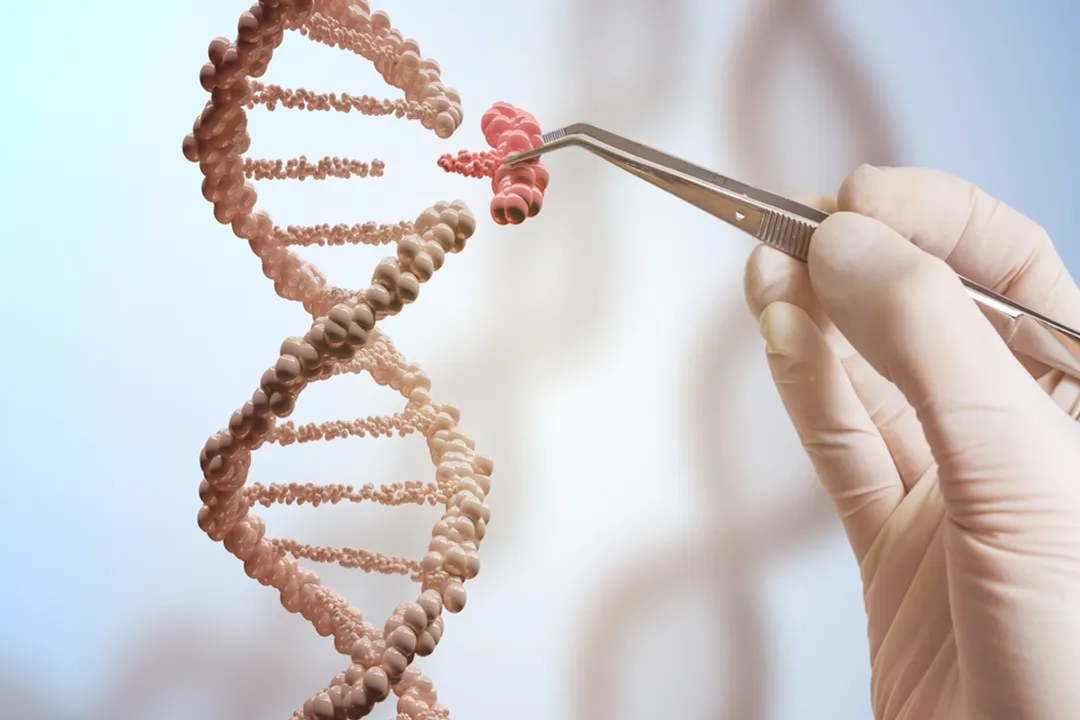
The search for the originator of personalized nutrition often leads to a frustrating dead end, because this approach wasn't "invented" by a single person at a specific moment in time. Instead, personalized nutrition represents a convergence—a slow accretion of scientific discovery, technological advancement, and a growing realization that one-size-fits-all dietary advice simply doesn't work for everyone. [7] While the desire to eat food that specifically benefits you is ancient, the ability to quantify that benefit with molecular precision is very recent. [7]
Ancient precepts
Long before sophisticated laboratory tests, healers and traditional medicine systems understood that diet needed tailoring based on climate, constitution, and activity level. [7] Hippocrates famously noted that what is appropriate for one person might be harmful to another. [7] However, these early approaches relied heavily on observation, intuition, and broad categorization. The transition from this observational phase to evidence-based personalization began as nutritional science moved away from identifying single-nutrient deficiencies toward understanding complex metabolic pathways. [9]
Data drivers
The true catalyst for modern personalized nutrition—the era where we can scientifically define who gets what based on their biology—arose from major scientific undertakings in the late 20th and early 21st centuries. [7] It is less about a person and more about disciplines emerging: nutrigenetics (how genes affect nutrient response), nutrigenomics (how nutrients affect gene expression), metabolomics, and the study of the microbiome. [1][5] These fields provided the tools to look inside the individual with unprecedented detail. [8]
For instance, the development of reliable, cost-effective methods for sequencing the human genome provided the foundational blueprint. [7] Suddenly, researchers could investigate why individual differences in metabolism, such as variations in how one processes caffeine or absorbs folate, lead to different health outcomes based on the same diet. [9] The initial wave of personalized nutrition often focused heavily on these genetic markers, sometimes making the concept seem inaccessible or overly deterministic.
# Data layers
Modern personalized nutrition is distinguished by its multilayered approach to data collection and interpretation. [1] While genetics offers the potential (the blueprint), other dynamic data streams offer the current reality of the body's needs. [5]
Consider the following comparison of data types used in current personalization strategies:
| Data Type | Information Provided | Stability | Example Application |
|---|---|---|---|
| Genomics | Inherited predisposition, metabolic capacity | Static (unchanging) | Predicting long-chain fatty acid needs [1] |
| Microbiome | Gut bacteria composition, fermentation capacity | Dynamic (changeable via diet/lifestyle) | Determining optimal fiber intake [5] |
| Metabolomics | Current circulating compounds (sugars, lipids, etc.) | Highly Dynamic (real-time fluctuation) | Assessing immediate post-meal glucose response [5] |
The shift from relying only on static genetic information to incorporating dynamic data streams like metabolomics is crucial. A person might have a genetic variant suggesting slow caffeine clearance, but their real-time liver enzyme activity (metabolite data) or daily sleep patterns (lifestyle data) might be the more immediate factor influencing their energy levels on any given day. [2] This integration is where expertise truly comes into play, as translating massive, high-dimensional datasets into simple, actionable advice is far more complex than reading a simple "good" or "bad" marker from a single test. [2]
# Industry growth
The actual "invention" of personalized nutrition as a commercial and accessible service—rather than just a lab hypothesis—is happening right now, driven by both research institutions and private industry. [4] Academic research continues to validate and refine the methodologies, exploring everything from the impact of personalized diets on weight management to chronic disease prevention. [1][8]
On the commercial side, companies are translating these complex scientific findings into consumer-facing products and services. [4] This commercialization marks a significant step away from the pure research phase. They often focus on creating algorithms that can ingest various data points—self-reported intake, wearable device data, blood panels, and perhaps genetic information—to provide tailored recommendations that traditional dietitians, operating solely on general guidelines, cannot easily replicate. [9] This entrepreneurial spirit is what many now refer to as the "personalized nutrition revolution" starting. [4] It’s less about a single breakthrough discovery and more about the system that delivers the individualized insight reliably.

# Beyond blueprints
A key point often missed in popular discussions is that the implementation gap currently defines the state of personalized nutrition. We have the science to know that Person A responds poorly to high carbohydrate loads while Person B thrives on them, perhaps even down to the specific glucose spike measured immediately after eating. [6] The real challenge, and therefore the area where further invention is needed, lies in making this insight sustainable and affordable for the masses. [2]
For consumers entering this space, it is important to distinguish between a general genetic risk profile and a real-time nutritional prescription. If you receive a recommendation based on DNA alone, it sets a long-term tendency, like knowing you tend to be sensitive to saturated fats. However, if you are using a service that integrates data from a continuous glucose monitor (CGM) showing a spike after eating oatmeal, that is an immediate, actionable correction for that specific morning. The former requires patience and broad lifestyle changes; the latter demands an immediate adjustment to the next meal choice. Understanding which type of personalization you are engaging with can help set realistic expectations for results. The science is rapidly moving toward combining these streams, but the infrastructure to deliver true, continuous, and affordable personalization is still under construction. [2]
Related Questions
#Citations
The Evolution of Personalized Nutrition—From Addis, Pauling ... - NIH
Forgetting how we ate: personalised nutrition and the strategic uses ...
Personalized Nutrition in the Real World - NCBI - NIH
The Personalized Nutrition Revolution Starts Now
Personalized nutrition: the end of the one-diet-fits-all era - Frontiers
Eat This, Not That: The Surprising Science of Personalized Nutrition
Personal History of Personalized Nutrition
Perspectives on personalised food - ScienceDirect.com
The evolution of personalised nutrition - LinkedIn