Who invented modular shelters?
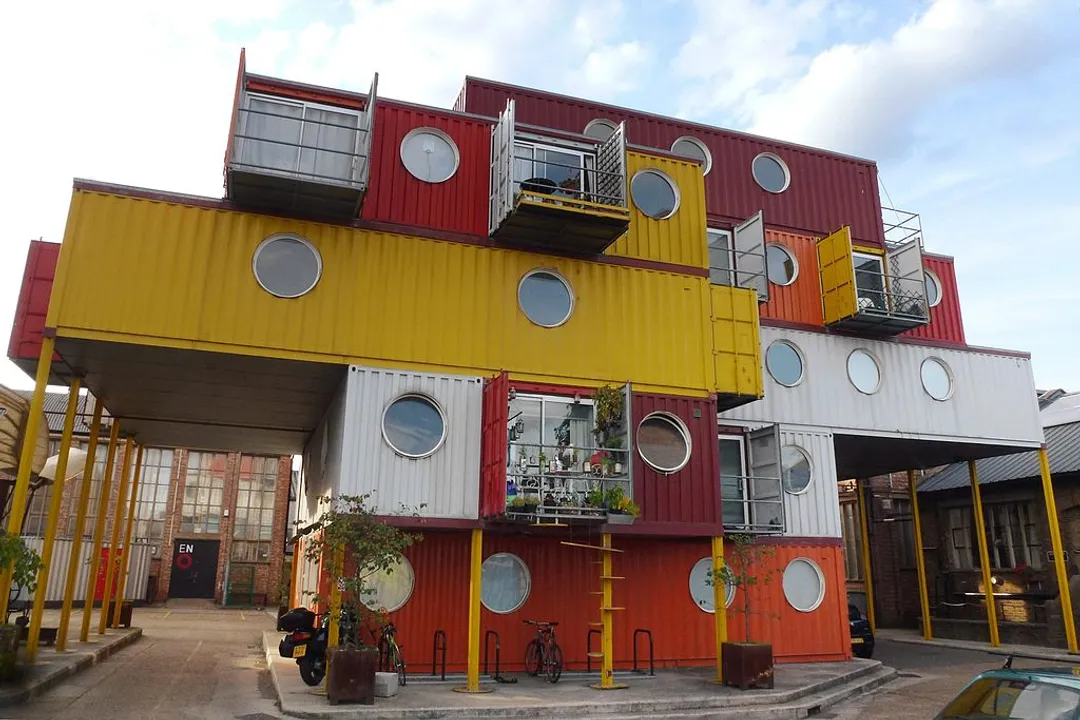
The concept of prefabricated or modular shelter is far older than many might assume, with its roots stretching back into antiquity rather than being a purely modern invention. [1] While pinning down a single inventor is impossible—as the evolution involved countless iterations across centuries—the essence of modularity lies in creating components offsite for rapid assembly onsite. [3] This method has been employed by various civilizations seeking fast, efficient housing solutions, whether for military deployment or rapid settlement. [2][5]
# Ancient Prefabrication
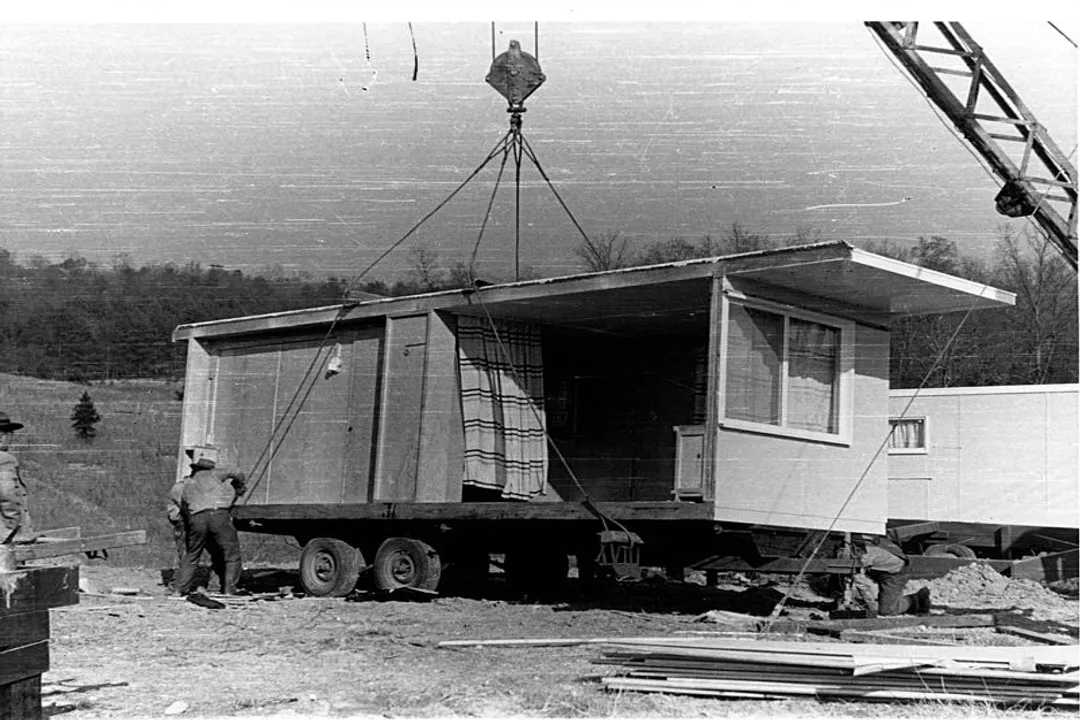
Evidence suggests that the principles of modular construction, or at least standardized, repeatable building elements, date back thousands of years. [1] The Roman legions, for instance, are credited with utilizing portable, prefabricated tents or barracks made of wood to establish temporary camps quickly when on campaign. [2][4] This ability to quickly erect and dismantle essential structures showcases an early form of deployable architecture necessary for an expanding military presence. [4]
Centuries later, the concept reappeared in different forms across the globe, often driven by necessity or technological advancement. [1] In the mid-19th century, the advent of cast iron as a building material offered a new avenue for modularity. [2] Buildings were constructed using standardized, repeatable iron components cast in foundries, allowing for predictable assembly and disassembly, a precursor to modern panelized or volumetric construction. [2][6]
# Kit Homes
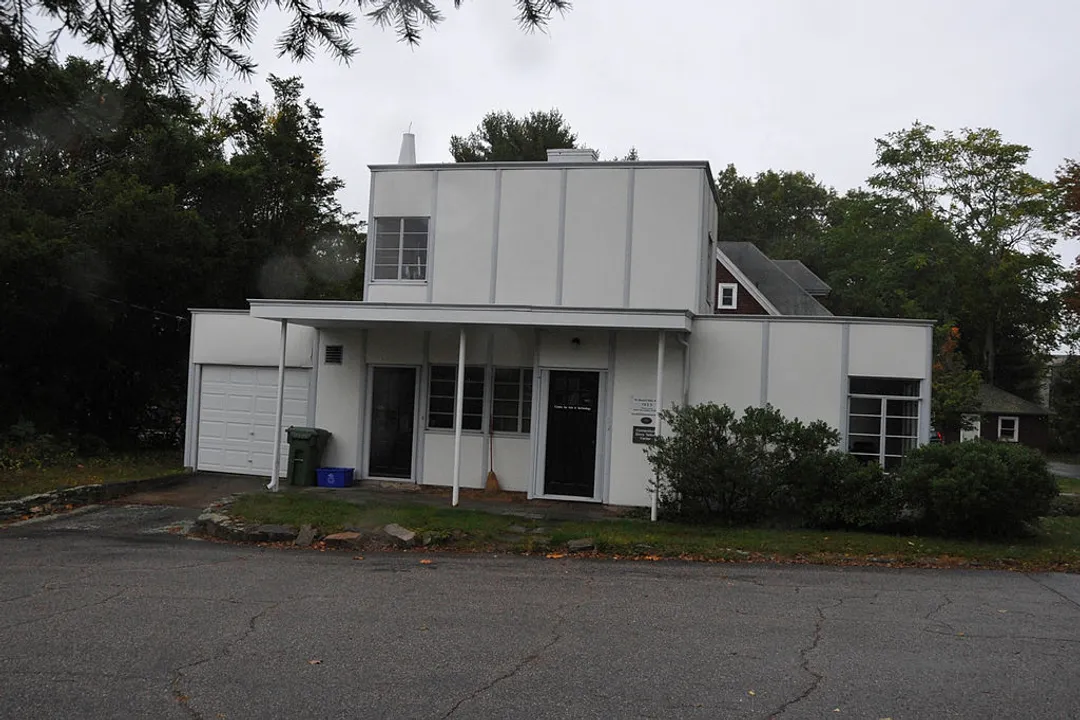
The late 19th and early 20th centuries saw the popularization of "kit homes" in the United States, which firmly established the idea of standardized housing delivered by mail or rail. [5][9] Companies like Sears, Roebuck and Co., and Aladdin Homes offered entire homes in kits, sometimes containing over 30,000 pieces, complete with lumber cut to specification and instructions. [5][9] This system relied on precision manufacturing offsite, ensuring that all parts fit together perfectly upon arrival at the customer’s land, mirroring the efficiency seen in later factory-built housing. [1][5] Mail-order homes were designed to be permanent dwellings, yet they employed a repeatable, standardized process that characterized modular building. [9]
These early efforts were not always considered the height of architectural achievement, but they demonstrated the market demand for accessible, factory-controlled construction methods. [5] The sheer volume of these projects, often requiring financing and advertising alongside the physical product, solidified the business model of offsite fabrication. [9]

# War Necessity
Major conflicts have historically served as significant accelerators for modular building techniques, primarily due to the urgent need for large-scale, rapid housing and infrastructure. [2][4] A notable instance is the aftermath of the American Civil War. [4] The need to house returning soldiers quickly prompted the development of temporary, prefabricated housing solutions that could be deployed efficiently. [4]
Similarly, World War II created an immense housing crisis as the population shifted to support the war effort and then returned home afterward. [4][7] This post-war boom required immediate, scalable solutions, pushing the construction industry toward industrialized processes. [7] The high demand often prioritized speed and cost over aesthetic concerns, leading to the mass production of many single-family, multi-family, and temporary structures in factories. [7] These dwellings, though functional and quickly erected, often carried a stigma of being temporary or lower quality due to the rushed environment of their production. [5]
| Era | Primary Driver | Key Material/Method | Typical Use |
|---|---|---|---|
| Ancient | Military Mobility | Timber, standardized components | Barracks, temporary camps |
| Mid-19th Century | Industrialization | Cast Iron | Permanent structures, early mass housing |
| Early 20th Century | Affordability/Access | Dimensional Lumber Kits | Permanent residential homes |
| Post-WWII | Housing Shortage | Standardized light-frame construction | Mass residential deployment |
| Contemporary | Efficiency/Quality Control | Steel, advanced panels, volumetric modules | Residential, commercial, specialized facilities |
# Mid-Century Shift
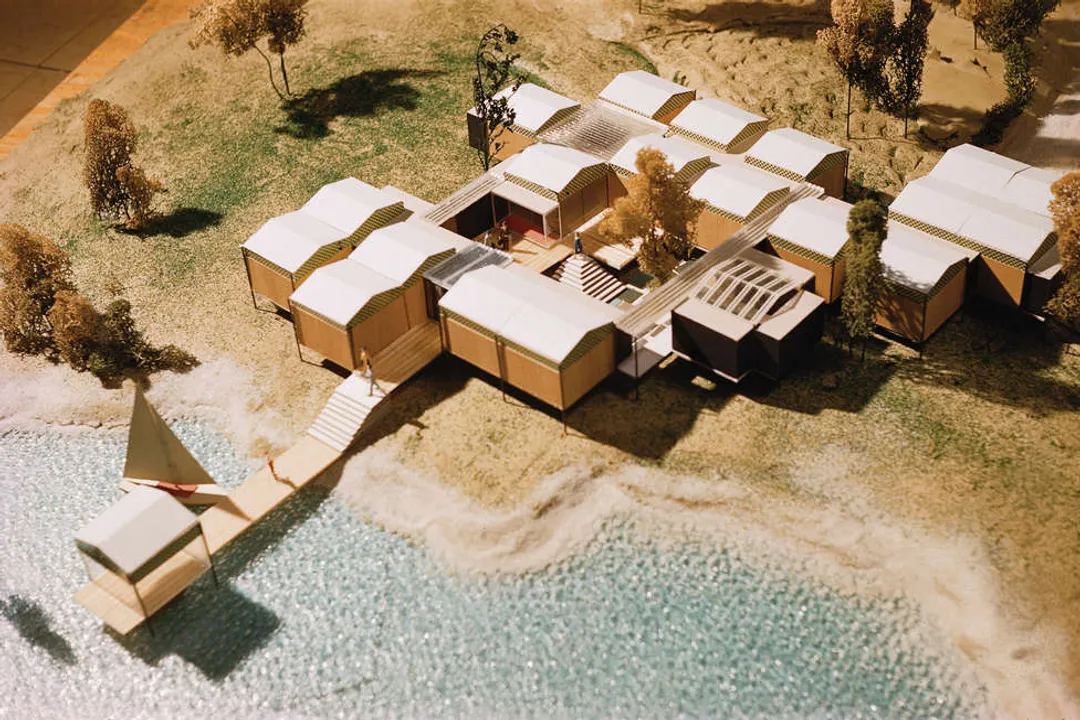
The period following the Second World War cemented the modern understanding of modular construction, even if the terminology was still evolving. [7][8] Factories that had been producing wartime materials repurposed their assembly lines for housing. [7] This era saw a significant focus on factory-built housing, where entire sections or rooms of a home were constructed indoors and transported to the site for final assembly. [1][8]
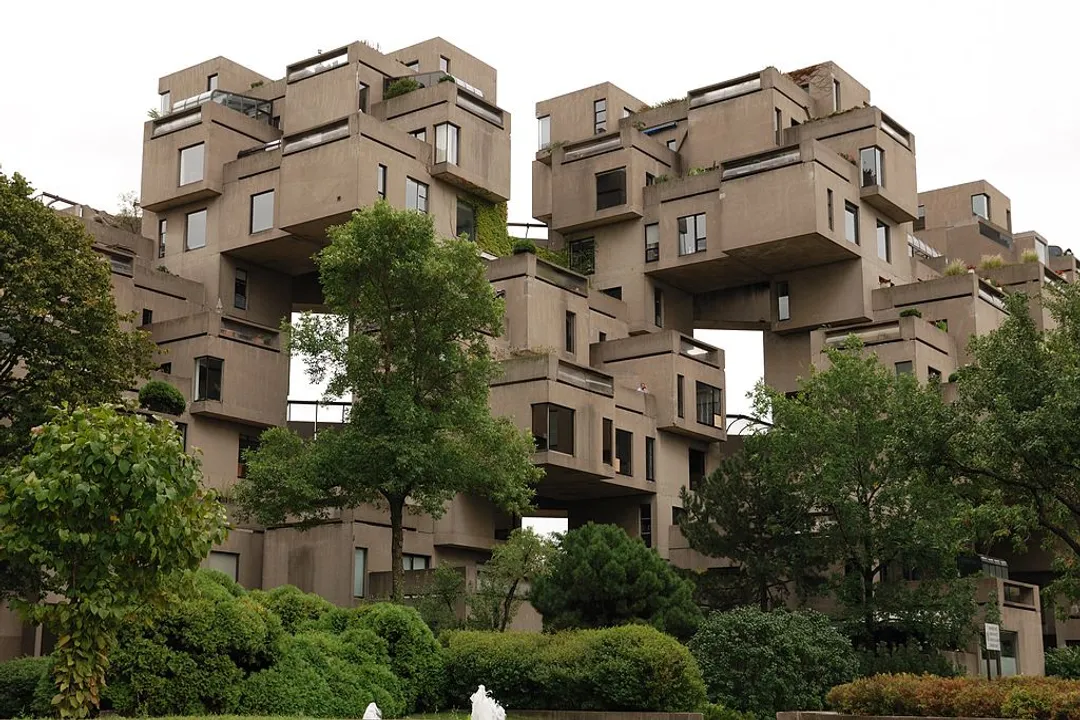
The 1960s were particularly transformative in the evolution of mass housing schemes that heavily relied on modular components. [5] Architects and developers experimented with large-scale prefabricated systems in efforts to solve urban housing shortages. [5] This period introduced many design concepts that are now commonplace, though the implementation sometimes resulted in less-than-ideal living conditions when economic constraints forced compromises on material quality or innovative design oversight. [5]
It is interesting to observe how the perception of modular housing today often defaults to the image of the post-war boom era—quick, simple, boxy units—ignoring the deeper history of prefabrication that spans from Roman field tents to elaborate Victorian cast-iron facades. [1][5] Modern builders often have to actively combat this historical association, which stems from the high-volume, low-cost mandates of that specific post-war moment. [5]

# Evolving Standards
As construction evolved, the focus gradually shifted from just speed to quality and permanence. [3] The early modular efforts often centered on simple, two-dimensional panel construction, which could result in structures perceived as less durable or less customizable. [6] However, the industry began moving towards more complex volumetric building—constructing entire three-dimensional modules offsite—which offers superior quality control because the entire structure, including plumbing, electrical, and finishes, can be inspected in a controlled factory setting before it ever leaves the facility. [6][8]
The history of modular buildings shows a pattern of adaptation, moving from basic necessity (tents) to catalog commerce (kit homes) to urgent response (post-war housing). [1][3] Each phase refined the offsite assembly techniques that define modular construction today. [3] Today, high-quality modular architecture is recognized for its precision, which can lead to reduced waste and tighter building envelopes compared to traditional site-built structures. [1][8]
One critical difference that defines contemporary modular adoption, particularly in specialized sectors like healthcare or education, is the rigorous adherence to local building codes, even while manufacturing occurs remotely. [8] Unlike earlier, often poorly regulated housing pushes, modern industrial construction operates under the same stringent guidelines, ensuring safety and longevity. [8]
A tangible difference in the evolution lies in the shift of primary structural material. Where early modern modular focused on wood framing replicated from stick-built methods, contemporary high-performance modular often integrates significant amounts of steel framing or advanced composite panels. [2][6] This change is not just about strength; it allows for wider, column-free spans often desired in commercial applications, a design flexibility that wood framing struggles to offer without significant structural compromise. [6]
# Modern Methods
The modern incarnation of modular shelters continues to push boundaries, frequently incorporating advanced techniques that were unimaginable when the first kit homes were shipped by rail. [1] Today's process emphasizes precision engineering, with some factories boasting tolerances tighter than those achievable onsite. [8] This precision helps in achieving better energy efficiency and airtightness, key concerns in modern building performance. [1]
The acceptance of modular building has broadened considerably, moving past its niche in emergency housing or low-cost solutions. [3] It is now seen as a legitimate, high-quality alternative across various sectors, including hospitality, multi-family residential, and even high-end custom homes. [3] The ability to manage costs by locking in material prices and labor schedules months in advance, shielded from onsite weather delays, offers a financial predictability that traditional construction often lacks. [8]
Thinking about the application today, one valuable consideration for anyone looking at modular is understanding the logistics chain. While the building components are manufactured indoors, the success of the project hinges on the final mile—transportation and crane setting. [8] A structure built perfectly in a factory can still face delays if road permits for oversized loads are not secured well ahead of time, or if the final site access restricts large crane movement. This planning step is often where the 'offsite' advantage can meet 'onsite' friction if not managed proactively. [1][8]
Furthermore, the industry is seeing a greater focus on sustainability through module design. Because materials are sourced centrally for batch production, it becomes easier to implement take-back programs or use recycled content in bulk, something difficult to coordinate across hundreds of scattered job sites. [6] This centralized material stream lends itself well to circular economy principles, providing another layer of benefit that goes beyond simple speed or cost savings when comparing it to conventional building practices. [2] The ongoing refinement in manufacturing techniques is what truly separates the modern modular shelter from its historical, often stigmatized, predecessors. [3]
Related Questions
#Citations
The (Surprisingly Long) History of Modular Construction
A Brief History of Modular Construction - iBUILT
The Evolution of Modular: The Solution That Changed Everything
A History of Modular Buildings - Reds10
A Modern History of Modular Mass Housing Schemes - 99% Invisible
A Brief History on Modular Architecture - GKV Architects
The History of Modular Construction - Satellite Shelters
A look into the history of modular construction
The History of Modular Homes - vhcon