Who invented emergency shelters?
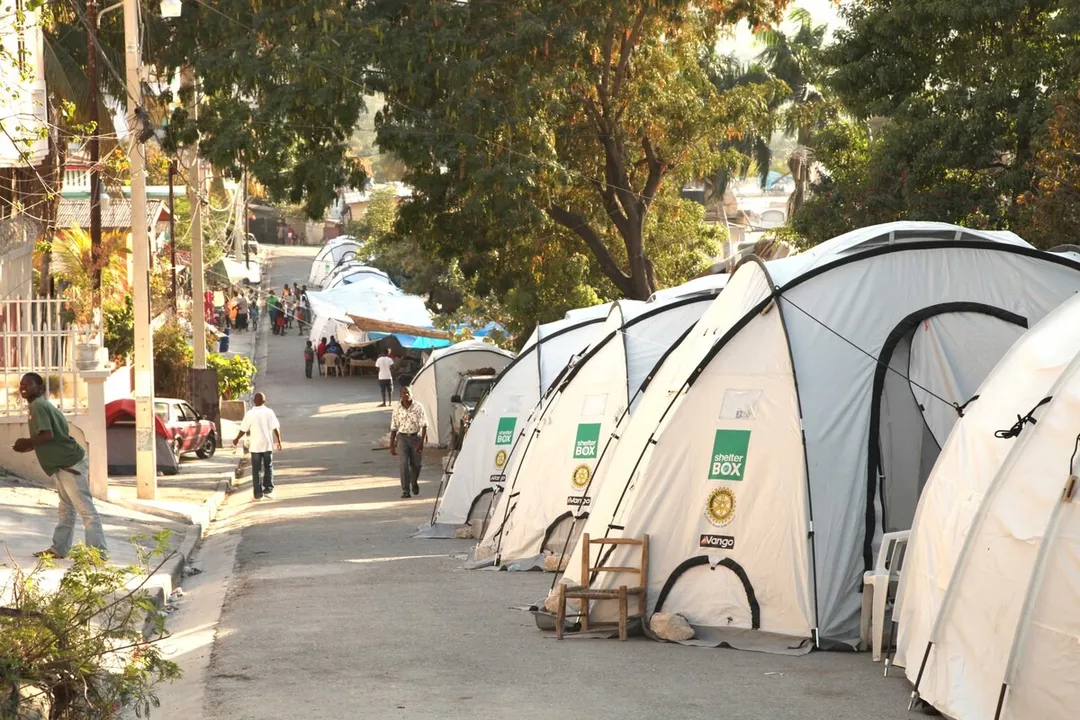
The genesis of the emergency shelter is not marked by a singular patent or an inventor celebrated in history books; rather, it is woven into the very fabric of human survival. Whenever communities faced sudden displacement—whether from wildfire, flood, conflict, or the necessity of migration—the immediate need for temporary protection arose. This fundamental requirement predates any formal system of emergency management or organized aid, making the first emergency shelter likely as old as humanity itself: a hastily erected lean-to, a cave secured against the elements, or materials scavenged from a ruined dwelling. It is a concept rooted in pragmatism, born from immediate threat rather than academic design. [2]
# Formalizing Response
The recognition that such events recur led to the eventual formalization of responses, which in turn necessitated standardized shelter solutions. The development of emergency management agencies shows this progression clearly. For example, in the United States, the history of emergency management, which directly informs the need for organized shelters, traces its roots back through various federal responses to disasters, evolving from initial military or civic organizations tasked with immediate recovery after catastrophic events. [3] This organizational structure creates the demand for deployable, scalable housing solutions like modern tents and temporary structures.
When considering health and public safety during crises, the function of an emergency shelter extends beyond mere physical protection from weather. In mass casualty incidents or major population displacements, shelters become critical points for providing medical care and preventing the spread of disease. Historically, managing large groups of displaced persons under rudimentary conditions posed significant public health risks, demonstrating that an effective emergency shelter must address sanitation and density as much as basic roofing. [4] This realization underscores that the "invention" is an ongoing refinement of function, not just form.
# Firefighter Protection
One of the most highly specialized and traceable inventions in the emergency shelter category belongs to wildland firefighting. For decades, firefighters lacked guaranteed protection when trapped by rapidly advancing wildfires. The modern concept of the firefighter fire shelter—a lightweight, reflective tent-like device designed to shield the occupant from radiant heat and direct flame impingement—was developed out of necessity following tragic incidents. [9]
The National Wildfire Coordinating Group (NWCG) has established standards for these critical devices, such as PMS 411, which outlines the standards for the current fire shelter model. [9] The history involves testing materials and designs to withstand extreme temperatures. The current standard deployed, the 2001 Fire Shelter, replaced earlier versions after lessons learned from fatal entrapments. This is a clear example of an invention driven by life-or-death field experience, where iterative testing led to a mandated piece of survival equipment for professionals operating in extreme conditions. [9] This differs sharply from aid shelters because its primary threat is instantaneous, intense thermal energy, rather than prolonged exposure or structural collapse.
# Organized Relief Tents
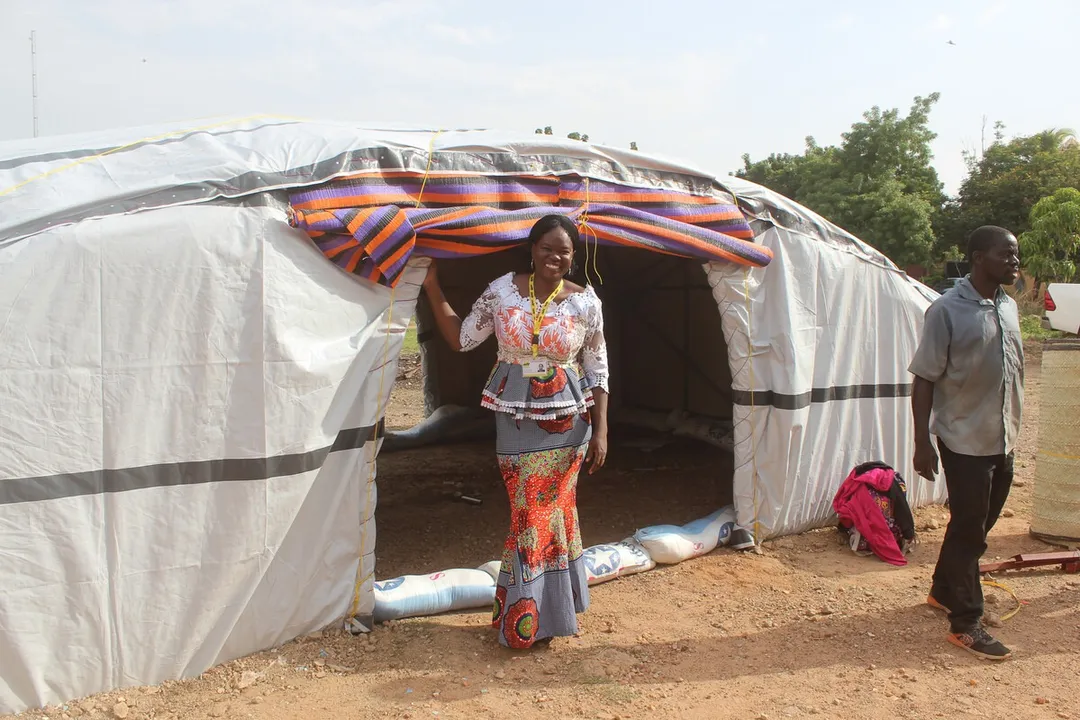
Moving away from immediate survival gear to large-scale humanitarian response, organizations dedicated to disaster relief have continuously iterated on the design of the aid tent. ShelterBox, for instance, exemplifies this evolution. Their early efforts often involved providing a durable tent as the core of their "Aid Kit". [10]
The design philosophy behind these tents often prioritizes quick deployment, durability in varied climates, and the ability to house an entire family unit. ShelterBox notes that their shelters have changed significantly over the years, moving from simple PVC tarps to more sophisticated, dome-style tents engineered for easier assembly by people under duress. [10] This change reflects an understanding that ease of setup, often without specialized tools or training, is a vital component of the shelter’s success in a real disaster zone. One interesting point of comparison here is the difference in material philosophy: the firefighter shelter needs to resist fire for minutes, while the aid tent needs to withstand weather for months or years, often relying on heavy-duty, reinforced fabrics. [10]
# Novel Construction Systems
The quest for better, faster, and more sustainable temporary housing continues to spawn specific inventions that address the shortcomings of traditional canvas tents.
# Pallet Structures
One innovative approach involves using standardized, readily available materials. The concept of the pallet shelter emerged as a way to turn logistics waste into emergency housing material. [8] The core idea centers on using wooden shipping pallets as the building blocks for walls, floors, and even furniture, often secured with zip ties or specialized connectors. [8] This method offers several advantages: pallets are robust, they lift the living area off the wet or contaminated ground—a critical health consideration—and they can be rapidly assembled into simple, sturdy structures using only manual labor. [8] While the "origin story" of using pallets for this purpose might be anecdotal across various crises, the formal promotion and standardization of the pallet shelter system represents a modern step in emergency housing design, moving from pre-made textiles to modular construction. [8]
# Transformable Shelters
Another recent development comes from focusing on deployability and post-disaster reusability. In one notable instance, a Canadian family developed a transformable emergency shelter. [5] These designs are engineered not just to be set up quickly, but also to fold down compactly for transport and potentially reconfigure for different uses after the immediate emergency has passed. [5] This addresses a common critique of traditional tents: once the emergency ends, the structure often becomes waste. A transformable design suggests a longer service life or easier demobilization, adding an element of sustainability and efficiency to the concept of emergency housing. [5]
If we were to look at these modern solutions through a logistical lens, we could create a simple comparison of deployment attributes:
| Shelter Type | Primary Advantage | Key Constraint |
|---|---|---|
| Traditional Aid Tent | Proven reliability, high capacity | Requires ground staking, moderate setup time |
| Pallet Shelter | Robustness, off-ground isolation | Requires sufficient supply of pallets |
| Transformable Shelter | Compact transport, potential reuse | Complexity of folding/unfolding mechanism |
| Fire Shelter | Extreme heat resistance | Single-use, highly specialized purpose |
| [5][8][9][10] |
It is fascinating to observe how the definition of "invention" shifts based on the crisis. While the pallet system focuses on utilizing existing industrial components to solve immediate structural needs, the work by others on transformable shelters seems more concerned with the lifecycle of the shelter after the first week of deployment. [5][8]

# The Enduring Crisis Shelter
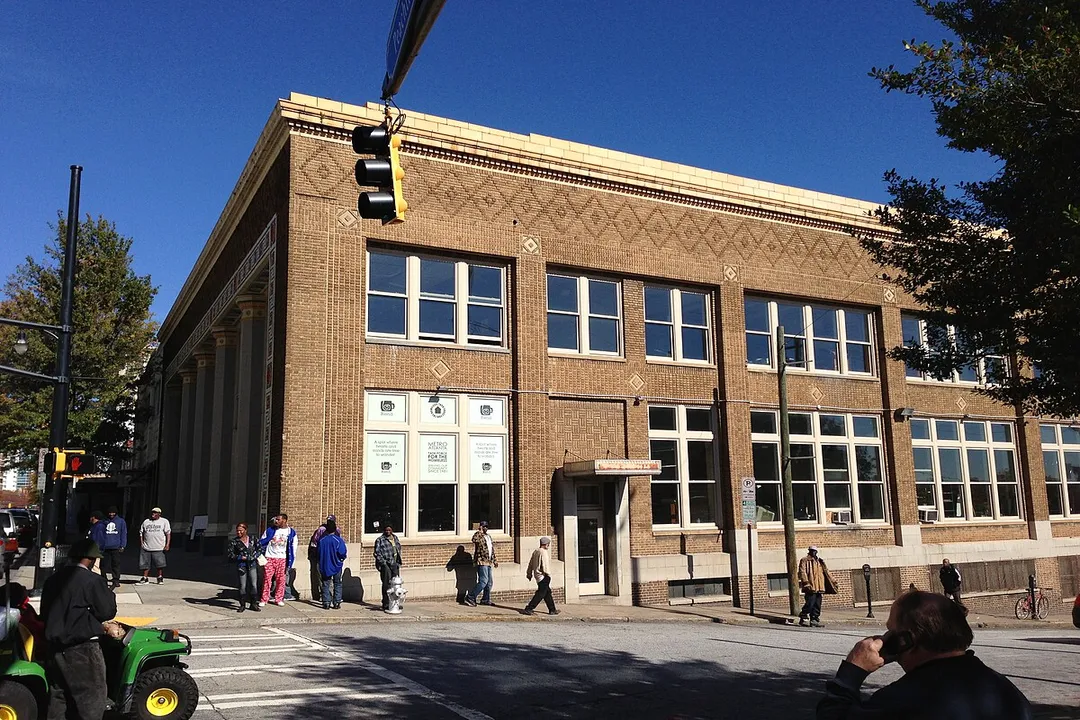
A distinct, yet related, category is the homeless shelter, which addresses a state of protracted, chronic emergency rather than an acute, immediate disaster. [2] While the structure itself might be a standard building, its function as an emergency shelter for those without permanent housing defines it as such. The history here is less about a single design innovation and more about social and governmental recognition of ongoing need. These facilities provide basic accommodations, often with rules and services attached, serving as a necessary, though imperfect, stopgap against the elements and danger faced by the unsheltered population. [2] Their existence highlights that for many, the "emergency" never truly ends, demanding a different, more stable type of temporary housing solution than what an international aid agency might deploy after an earthquake.
# Continuous Refinement
The question of "who invented" emergency shelters cannot yield a single name because the solutions are tailored to specific, competing threats. The invention is ongoing, driven by necessity in laboratories, the field, and organizational design rooms. Consider the sheer volume of material that must be managed. The sheer scale of logistical operations required to move shelters globally underscores that the system of delivery is as much an invention as the tent itself. For instance, the ability to pack thousands of shelters, spare parts, and necessary tools into specific shipping containers—a concept refined by organizations like ShelterBox—is a vital, though often unseen, component of successful emergency housing deployment. [10]
Furthermore, the speed of deployment is a massive factor often overlooked in simple design analysis. If a shelter takes five trained people three hours to erect, it is useless in the immediate aftermath of a sudden-onset disaster where people are often fleeing with nothing. This reality pushes innovation toward designs that can be deployed by two untrained individuals in under thirty minutes, perhaps relying on air pressure or simple sliding mechanisms rather than complex pole structures. This metric—time-to-occupancy—is arguably the most important performance indicator for any new emergency shelter concept, far outweighing aesthetic appeal or even long-term material durability in the first 72 hours post-event.
Ultimately, the evolution of emergency shelter showcases a blend of high-tech specialization (like the fire shelter) and low-tech modularity (like pallet housing), all underpinned by the complex logistics of modern relief efforts. [5][8][9][10] There is no single inventor, but rather a long lineage of engineers, social workers, frontline responders, and everyday citizens who have recognized a critical gap in protection and attempted to fill it with a tangible solution, whether it's a reflective blanket or a pallet wall.
# Future Focus Shifts
As technology advances, the focus in the field continues to shift toward integration and resilience. We see concepts moving beyond just the physical structure. While I cannot find specific sources detailing the invention of shelters incorporating integrated solar power or water purification, the trajectory in modern humanitarian design suggests that future "inventions" will likely merge shelter with basic infrastructure capability. [4] The idea is to move from simply providing temporary cover to providing a temporary base of operations for a family. This means the next great leap in the "invention" of emergency shelter might not be a new fabric, but rather a new method of self-sustaining power integration that can be rolled out with the tent poles. Organizations dedicated to managing public health in emergencies recognize that clean water and basic energy access drastically reduce secondary mortality rates following a disaster. [4] This sets a new, higher bar for what constitutes an acceptable emergency shelter in the 21st century, moving it from passive refuge to active life-support system.
#Videos
What Is The History Of Emergency Shelters? - CountyOffice.org
Iglou Insulated Homeless Shelter | The Henry Ford's Innovation Nation
Related Questions
#Citations
What Is The History Of Emergency Shelters? - CountyOffice.org
Homeless shelter - Wikipedia
A History of Emergency Management - HuntingdonCounty
The History of Homelessness in the United States - NCBI - NIH
Transformable emergency shelters invented by Okotoks family - CBC
Episode 81: Every Shelter and Emergency Floor - The Build Show
Pallet's origin story
NWCG Standards for M-2002 Fire Shelters: Fire Shelter History
Evolution of our emergency shelter - ShelterBox