Who invented grocery delivery apps?
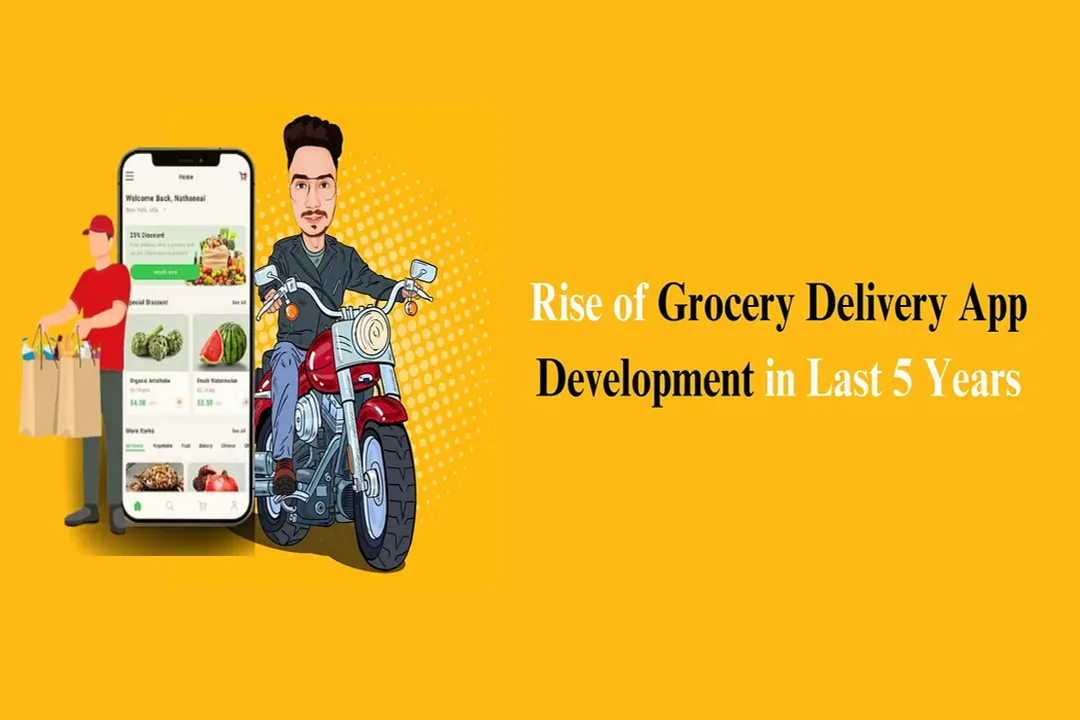
The history of getting groceries delivered to your door is considerably longer than the era of the smartphone app, but pinpointing the exact inventor of the application format requires tracing a line through early e-commerce failures and late entries into the mobile market. The dream of ordering perishables remotely is not new; it simply took decades of improved internet speed, mobile penetration, and logistical refinement to make it efficient and profitable.
# Early Digital Stores
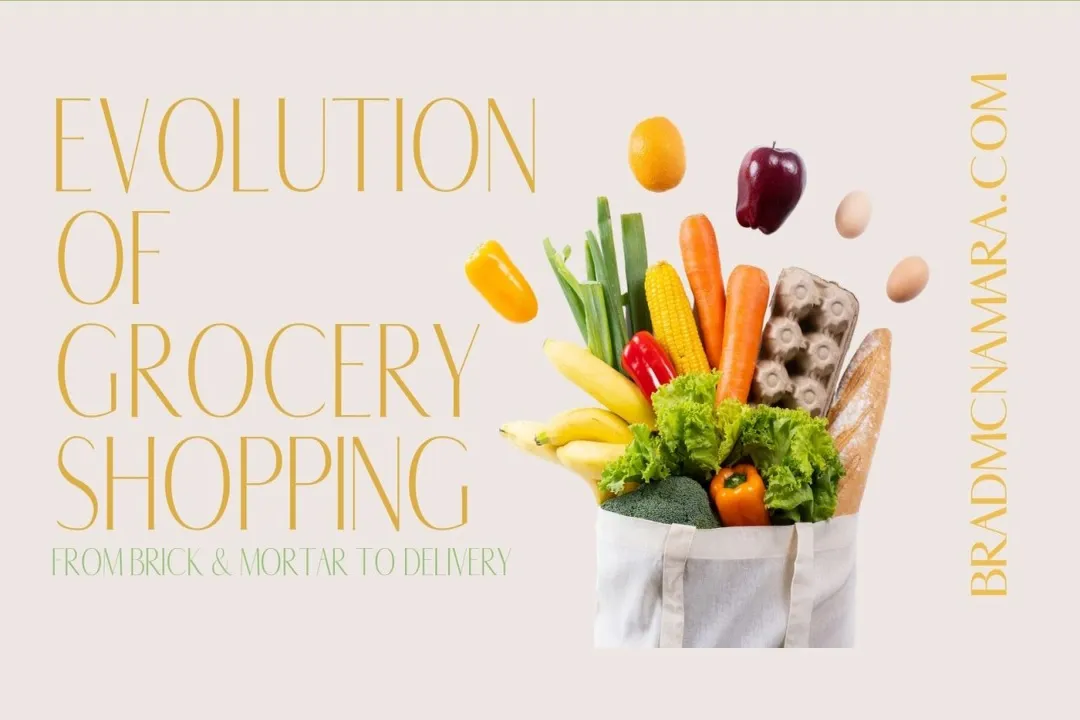
The initial attempts at online grocery shopping took place long before the term "app" existed, often manifesting as rudimentary websites requiring significant upfront investment. By the late 1990s and early 2000s, several companies tried to capture this market, believing convenience would quickly translate into massive consumer adoption. These early ventures often tried to replicate the entire supermarket experience digitally, leading to huge fixed costs that proved difficult to cover when customer numbers remained modest.
# The Webvan Case
A prime example of this ambitious, early approach was Webvan, which launched in the late 1990s. Webvan represented an attempt to completely own the supply chain, building massive, highly automated warehouses and investing heavily in a proprietary delivery fleet. They sought to handle everything from storage to the final mile drop-off. However, this asset-heavy model proved fragile; when the expected volume of online shoppers did not materialize rapidly enough, the enormous infrastructure costs became unsustainable, resulting in the company's bankruptcy around 2001. Webvan never utilized a modern smartphone app, but their story illustrates the high barrier to entry for anyone seeking to centralize and control the entire grocery fulfillment process digitally. The lessons learned from Webvan's failure—particularly the risk associated with owning all the physical assets—would implicitly shape the models of later, more successful digital entrants.
# Mobile Emergence
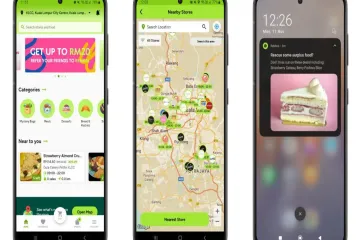
The turning point that moved grocery delivery from a niche, desktop-based service to a mainstream expectation was the widespread adoption of powerful smartphones and the subsequent development of dedicated mobile software. The timeline of online food delivery shows that while the concept persisted, true acceleration occurred in the second decade of the 2000s, coinciding with better mobile connectivity. An application provided a layer of immediacy and personalization that a static website could not match; it tethered the ordering process directly to the consumer’s real-time location and availability.
# Instacart's Entry
When asking specifically about the invention of the grocery delivery app as we know it today, the founding of Instacart in 2012 often stands as the crucial event that codified the successful, scalable model. Instacart’s founders—Arian Shnell, Max Mullen, and Alex Obenauer—did not try to build warehouses like Webvan. Instead, they engineered a sophisticated software platform designed for logistical orchestration.
The core innovation was the concept of the personal shopper: an independent contractor who uses the app to receive an order, shops for the items in a third-party grocery store, and then delivers them to the customer. This model cleverly bypassed the need for massive capital outlay into real estate and inventory management, shifting the primary cost burden onto flexible labor and software development.
| Fulfillment Characteristic | Webvan (Pre-App Era) | Instacart (App Era) |
|---|---|---|
| Inventory Ownership | Yes (Owned warehouses) | No (Used retailer stock) |
| Fulfillment Site | Centralized, dedicated warehouses | Existing retail stores |
| Key Asset | Physical infrastructure | Software and shopper network |
| Primary Cost Focus | Capital expenditure (CAPEX) | Operational expenditure (OPEX) |
The pivot from owning the shelf space to simply renting access to the shelf space via a software layer is perhaps the most significant differentiator between the early failures and the modern app success stories.
# Evolving Speed Demands
Once the software model proved the ability to connect consumers to existing stores, the competitive environment quickly pushed for greater efficiency, dramatically shrinking turnaround times. In the era before sophisticated apps, a delivery window might span a full day or more, which was acceptable when ordering was an infrequent convenience. The modern user, accustomed to instant gratification, now often expects groceries within an hour or two. This demand has required apps to continually refine their algorithms for shopper dispatch and routing.
This pressure for speed has, in turn, caused the app ecosystem itself to evolve beyond simple store partnerships. Some services now support fulfillment through "dark stores"—retail spaces leased and operated solely for digital order picking, rather than serving walk-in customers. The app acts as the versatile interface, capable of managing a delivery originating from a standard supermarket, a specialized corner store, or a dedicated fulfillment center, depending on what best meets the customer's speed and selection requirements in a given geographic area.
The evolution shows that while no single person "invented" the idea of grocery delivery—that concept has been around for decades—the grocery delivery app as a successful, ubiquitous technology was largely defined by companies like Instacart who mastered asset-light software integration with existing brick-and-mortar infrastructure. The core invention wasn't the truck or the shopping list; it was the algorithm that could efficiently map a shopper to a list in real-time, turning any local store into a potential distribution node.
Related Questions
#Citations
Instacart - Wikipedia
Grocery Delivery Then and Now - ES3
E-Commerce Report; The history of online grocery shopping: first as ...
Timeline of online food delivery
Rise of Grocery Delivery App Development in Last 5 Years - Medium
Instacart Business Breakdown & Founding Story - Contrary Research
Why fast-track grocery delivery apps could soon leave supermarkets ...
Evolution of Grocery Shopping: From Brick and Mortar to Delivery
How Does Instacart Work: Revenue Model & Key Features - Yo!Kart