Who invented cognitive training apps?
The origin of cognitive training apps isn't tied to a single "Eureka!" moment or one solitary inventor; rather, it’s an evolution stemming from decades of neuroscience research translating into accessible digital formats. [5] The idea that mental exercises could strengthen the brain, much like physical exercise strengthens the body, has roots in older concepts, but the advent of powerful, portable computing—smartphones and tablets—provided the necessary platform for these exercises to become widespread apps. [3] The shift from paper-and-pencil tests or dedicated lab equipment to daily mobile applications marks the true birth of the cognitive training app as we know it today.
# Research Foundations
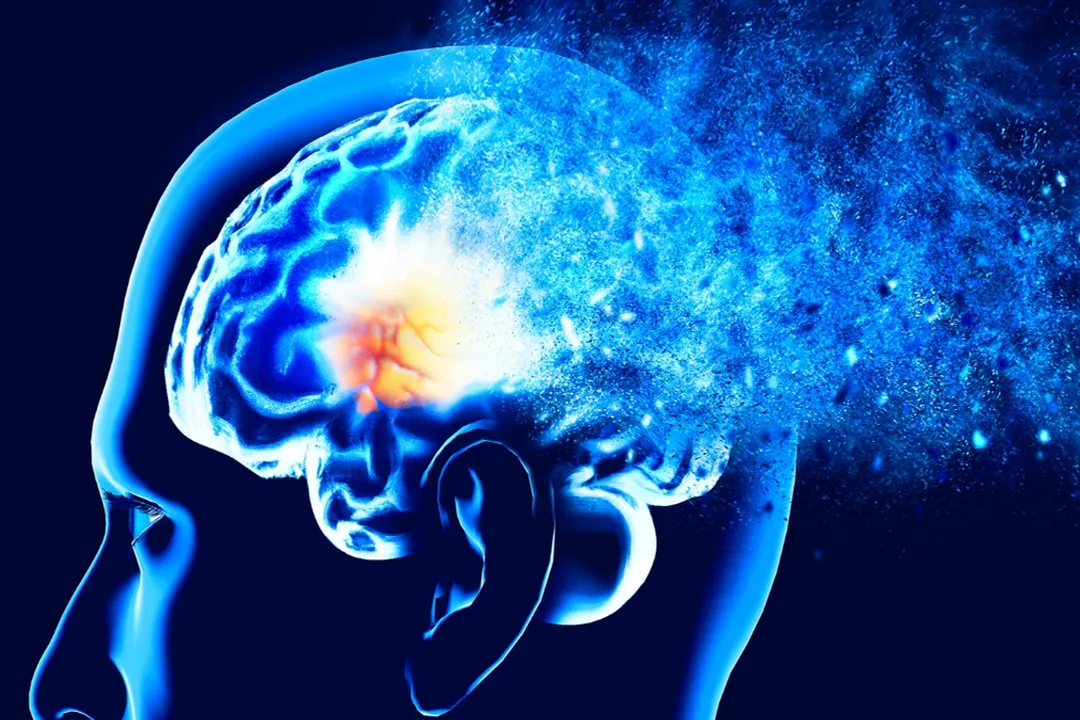
The motivation behind developing these digital tools often lies in addressing specific cognitive deficits observed in clinical populations or in the natural aging process. [8][9] Early efforts were focused on understanding neuroplasticity—the brain's ability to reorganize itself by forming new neural connections throughout life. [6] When researchers began looking for ways to apply this understanding, they needed engaging, quantifiable methods to practice targeted cognitive skills, like attention or working memory. [4]
One major impetus for developing scientifically grounded apps comes from conditions where cognitive function is significantly impaired. For example, research has explored specialized training programs aimed at helping individuals with schizophrenia improve their memory and daily functioning. [1] This type of clinically focused development often precedes the broader commercial market, providing the rigorous testing grounds for the underlying mechanics of the training itself. [1][3] The success of these targeted, university-led studies lends credibility to the broader category of digital brain exercises.
# Key Digital Developers
As the technology matured, specific companies and products emerged, transforming academic principles into consumer-facing software. [2][10] These entities often collaborate with, or fund, the very research that validates their methodology, creating a feedback loop between the lab and the marketplace. [3][4]
Two examples that illustrate this commercial landscape are NeuroNation and BrainHQ. NeuroNation, for instance, has been associated with specific clinical partnerships, such as one with the Charité – Universitätsmedizin Berlin, to investigate the impact of their training on cognitive performance in schizophrenia patients. [1][2] This positioning suggests an attempt to bridge the gap between consumer wellness and therapeutic application. [1]
BrainHQ, another significant presence in this sector, emphasizes that its exercises were developed by neuroscientists. [10] Their approach often centers on improving functions like processing speed, attention, and memory, frequently citing scientific literature to back up their claims of effectiveness. [3][10] These companies, and others like them, are instrumental in answering the "who" question—they are the entities that took the method and packaged it as an application. [5]
It is interesting to note the difference in how these programs market their goals. While one study highlights an app reversing what might equate to "ten years of decline in a key brain system" for older adults, [6] another focuses on improving concentration in healthy adults over a short period. [4] This difference in claimed outcome—reversal of decline versus improvement in baseline function—speaks to the varied objectives within the industry, which can sometimes confuse the general public trying to select a tool. [7]
A crucial distinction for consumers arises here: one must assess whether the evidence provided stems from trials focused on remediating pathology (like schizophrenia or significant age-related decline) or optimizing normal function. [1][6] The transferability of skills learned in a highly controlled, app-based environment to spontaneous, real-world situations remains a persistent area of scientific debate, even when the app itself successfully improves performance on its internal tasks. [5][7]
# Clinical Validation Milestones

The modern cognitive training app landscape is shaped by demonstrable results reported in scientific journals, often tracked by the developers themselves. [3][4][6] These studies move the conversation beyond mere speculation regarding brain malleability.
For instance, research involving one particular brain training program showed that participants experienced measurable improvements in cognitive functions like memory and daily functioning, particularly when applied to populations like those with schizophrenia. [1] Another finding highlighted that consistent use of a specific brain training app led to significant gains in users' concentration skills over a dedicated training period. [4] The ScienceAlert report points to a study where a brain training app appeared to reverse a decade's worth of functional decline in an older adult's visual processing speed system, suggesting powerful potential for age-related challenges. [6] Even in specific niches like supporting seniors, brain game apps have been credited with improving memory scores in users. [9]
These validated outcomes provide the necessary empirical weight that distinguishes them from simple puzzles or games. [3] They demonstrate expertise by showing that carefully constructed digital exercises can indeed lead to quantifiable cognitive shifts. [10]
# Varying Target Demographics
The concept of brain training isn't monolithic; its application varies widely depending on the intended user group, which in turn dictates the design and focus of the app. [8]
# Focus on Seniors
For older adults, the primary goal is often maintenance and prevention of decline. [8][9] Brain games designed for seniors might place a heavy emphasis on recall and recognition exercises, aiming to support independence and quality of life in daily activities. [8] The hope is to keep cognitive functions sharp enough to manage everyday tasks, which is why improvements in memory are frequently highlighted in this context. [9]
# General Population and Specific Needs
In the broader consumer market, the focus shifts. It might be about achieving peak performance, regaining function after an injury, or simply managing the cognitive load of modern life. [4][7] Users seeking to improve concentration, reaction time, or working memory fall into this category. [4] This is where the debate often intensifies, as general users sometimes expect the improvements seen in clinical trials to materialize effortlessly into better performance at work or school. [5][7]
When considering the diverse evidence base, an actionable tip for any prospective user is to categorize the app's primary evidence: Is it validated for recovery/treatment (clinical populations) or enhancement/wellness (general population)? An app proven effective in remediating a specific deficit in a clinical trial often possesses a more rigorously tested core mechanism than one marketed broadly on the premise of general "brain fitness," even if the latter is still enjoyable and engaging. [1][4] A rigorous review of the study design—such as whether the improvement was task-specific or generalized—is key to setting realistic expectations. [5]

# The Effectiveness Debate
While specific product studies report positive outcomes, the broader scientific community maintains a degree of constructive skepticism regarding the transferability and long-term nature of the benefits. [5][7] This is not a new debate; it mirrors discussions about the efficacy of brain games for decades. [7][8]
Skeptics often point out that while a user might get significantly better at the specific task within the app (e.g., tracking moving dots), this improvement doesn't always translate into better driving skills or superior performance on an unrelated memory test. [5] This is often referred to as the "transfer problem" in cognitive science. [7] Some analyses suggest that while certain commercially available programs show measurable improvements in specific, trained skills, the evidence supporting broad, generalized cognitive gains remains less definitive across the entire industry. [5][7]
Conversely, proponents argue that foundational skills, once improved, do offer a pathway to broader benefits, especially when the training targets basic neural processing speed, which underpins many higher functions. [6][10] For example, if an app successfully accelerates basic visual processing speed, that gain could theoretically benefit reading comprehension or reaction time in complex scenarios. [6] The complexity lies in isolating the exact component that is improving and proving its relevance outside the controlled digital setting. [5]
| Product/Study Focus | Primary Target Group | Claimed Improvement Area | Source Context |
|---|---|---|---|
| Brain Training Program | Schizophrenia Patients | Memory, Daily Functioning | Clinical research setting [1] |
| Specific App Trials | General Users | Concentration Skills | Short-term structured training [4] |
| Specialized Platform | Older Adults | Processing Speed Reversal | Potential reversal of functional decline [6] |
| Brain Games | Seniors | General Memory Scores | Focus on quality of life/maintenance [8][9] |
Ultimately, the question of "who invented" the cognitive training app leads us not to an individual, but to the convergence of neuroscience, digital technology, and commercial enterprise. The landscape is defined by researchers who developed the principles and the companies—like NeuroNation and BrainHQ—that successfully engineered those principles into scalable, testable, and widely distributed mobile applications, pushing the boundaries of what we believe the adult brain is capable of changing. [2][10]
Related Questions
#Citations
'Brain training' app may improve memory and daily functioning in ...
NeuroNation - Wikipedia
'Brain training' app may improve memory, daily functioning of people ...
Brain training app improves users' concentration, study shows
Do 'brain training' apps work? Northeastern scientists will test ...
Brain-Training App 'Reverses 10 Years' of Decline in a Key Brain ...
Do Brain-Training Apps Really Work? | by Debarpan Chatterjee
The Best Brain Games for Seniors - Galleria Woods
Brain Training "Game Show" App Improves Memory in People with ...
Brain Exercises, Brain Training, Brain Health – BrainHQ from Posit ...