Who invented freeze-dried food?
The lineage of freeze-dried food stretches much further back than one might initially suspect, rooting itself not in a sterile laboratory, but high in the Andean mountains centuries ago. While the modern, sophisticated technology we associate with space missions and backpacking meals is a 20th-century scientific marvel, the concept of removing water to preserve perishables through natural means is ancient history. [9] Long before vacuum chambers and controlled temperatures, the Incas developed a process to create what is known today as chuño, a preserved potato product essential for storing large quantities of food against seasonal shortages. [9] This natural method involved alternately exposing potatoes to the freezing temperatures of the high-altitude nights and the intense solar radiation and wind of the daytime, effectively allowing the moisture to sublimate—ice turning directly into vapor without passing through a liquid stage. [9]
# Ancient Methods
The traditional Andean approach relied entirely on environmental conditions to achieve preservation. [9] This slow, seasonal process ensured that staple crops could be stored for years, providing an incredible degree of food security for the vast Incan empire. [9] It highlights that the fundamental desire to lock in nutrients while minimizing weight and preventing spoilage is a timeless human endeavor. [2][9] The critical difference between this historical practice and contemporary freeze-drying lies in control and speed. The natural method was inconsistent and seasonal, whereas modern science seeks to replicate the effect precisely, consistently, and efficiently, regardless of local weather. [5]
# Scientific Birth
The transformation from an environmental observation into a precise industrial process began taking shape in the early 1900s with the advent of chemical engineering principles and better vacuum technology. [1][5] The technical term for this modern method is lyophilization, a term derived from Greek, meaning "to dissolve by freezing". [2] The process is an energy-intensive, multi-step cycle designed to preserve the structure and nutritional integrity of the food better than traditional drying methods like air or oven drying. [6]
The general mechanism involves three crucial stages: [2][5][10]
- Freezing: The product must be frozen very rapidly, often to temperatures below -40°F, to ensure the water inside forms small, uniform ice crystals. [2][5] This rapid freezing is important; slow freezing allows large crystals to form, which can damage the cellular structure of the food. [6]
- Primary Drying (Sublimation): The frozen material is placed under a deep vacuum. [2][5] The combination of low temperature and high vacuum forces the frozen water (ice) to sublimate—it skips the liquid phase entirely and turns directly into water vapor, which is then drawn away and collected in a cold trap. [2][5][10] This stage removes the majority of the moisture content. [6]
- Secondary Drying (Desorption): After most of the ice is removed, the temperature is slightly raised while maintaining the vacuum to remove unfrozen, bound water molecules trapped within the solid structure of the food. [2][6]
The result is a product that typically retains 97-99% of its original moisture content removed, leaving behind a lightweight, porous structure that rehydrates quickly and retains most of its original shape, flavor, and nutritional value when water is reintroduced. [5][6] It is this high retention of structure that distinguishes lyophilized goods from traditionally dehydrated items. [6]
# Pioneering Work
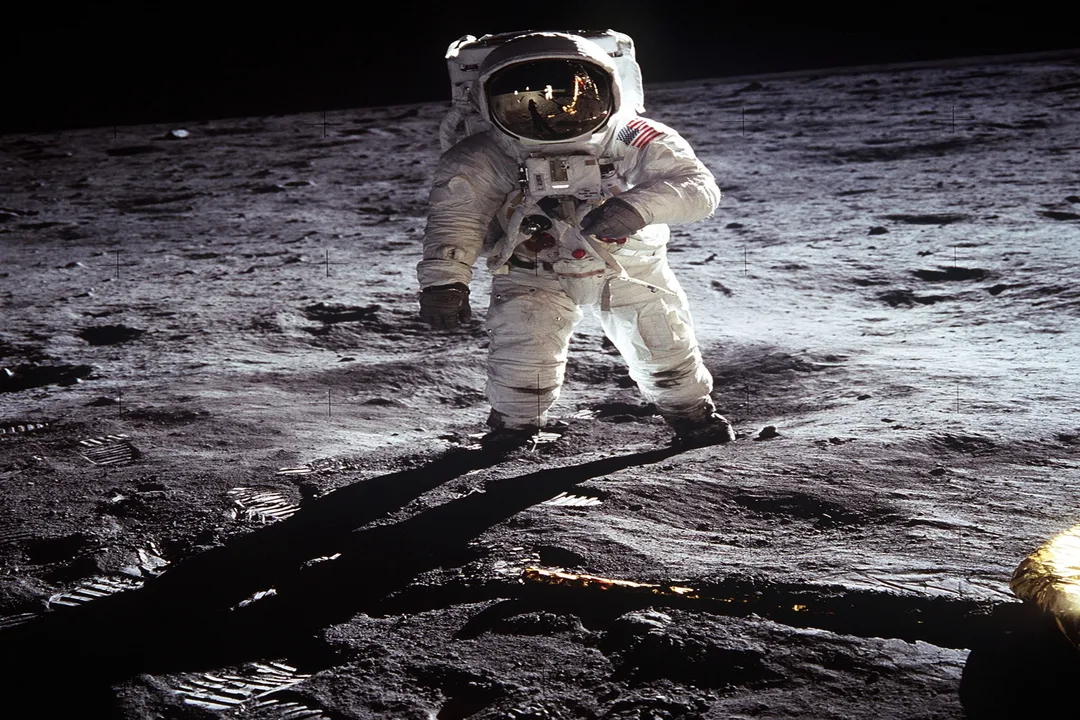
Pinpointing a single inventor for modern freeze-drying is challenging because the technology developed through successive improvements and patent applications across several decades. [1][7] While the fundamental principles were understood, the necessary equipment and understanding of thermodynamics evolved slowly. [1]
One key figure often cited in the development of the modern technique is Ernest A. Parkins, who is credited with inventing the modern freeze-drying process in 1906. [7] Separately, there are mentions of work done in the early 1900s by a researcher known as Mr. Kl or Dr. Kl, who created a method that influenced subsequent advancements. [1]
However, the progression continued with the work of Earl S. Ewan and Victor E. Williams, who secured a patent in 1911 for a process to dry perishable food using vacuum chambers. [1][5] These early patents established the technical groundwork for controlling the sublimation process necessary for commercial viability. [5] Comparing these early patents to the ancient Incan method reveals a stark contrast in methodology: the Incas relied on atmospheric pressure and temperature gradients over days or weeks, while Ewan and Williams sought a repeatable, machine-driven solution to conquer spoilage. [9][5]
# Space Food
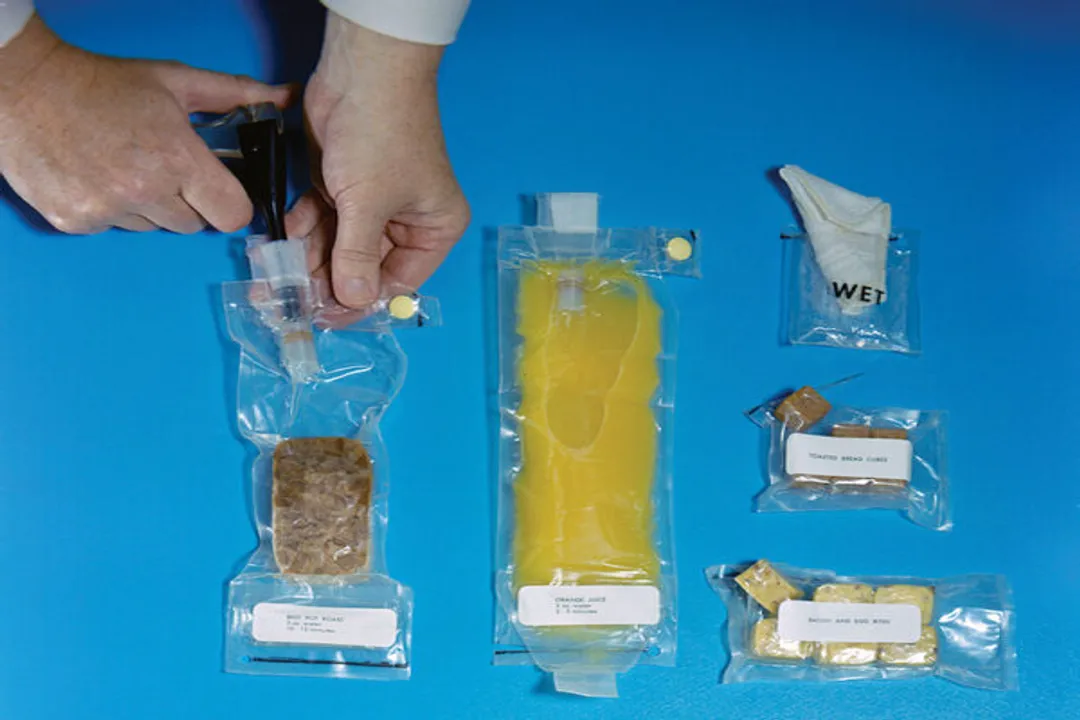
The technology found its most famous and demanding application far from Earth, driven by the needs of the burgeoning space programs in the mid-20th century. [3] NASA, facing the immense logistical challenge of feeding astronauts on long-duration missions, required food that was exceptionally lightweight, compact, and shelf-stable without refrigeration. [3][4] Freeze-drying was the perfect answer because it drastically reduced weight by removing water—the heaviest component—while preserving nearly all the necessary vitamins and calories. [3]
The implementation of freeze-drying for space rations was a significant technical achievement that pushed the process into the mainstream, effectively serving as a large-scale proof of concept. [4] When developing space food, NASA needed to address not just preservation, but also taste and texture retention, as astronaut morale is directly tied to food acceptance. [3] The success in maintaining palatability under extreme conditions demonstrated the technology’s potential for terrestrial uses, moving it from a niche laboratory function to a viable commercial option. [4]
# Current Uses
Today, the utility of freeze-drying extends well beyond astronomical budgets. Commercial applications have broadened significantly due to the established reliability and the superior shelf life achieved compared to other preservation methods. [1]
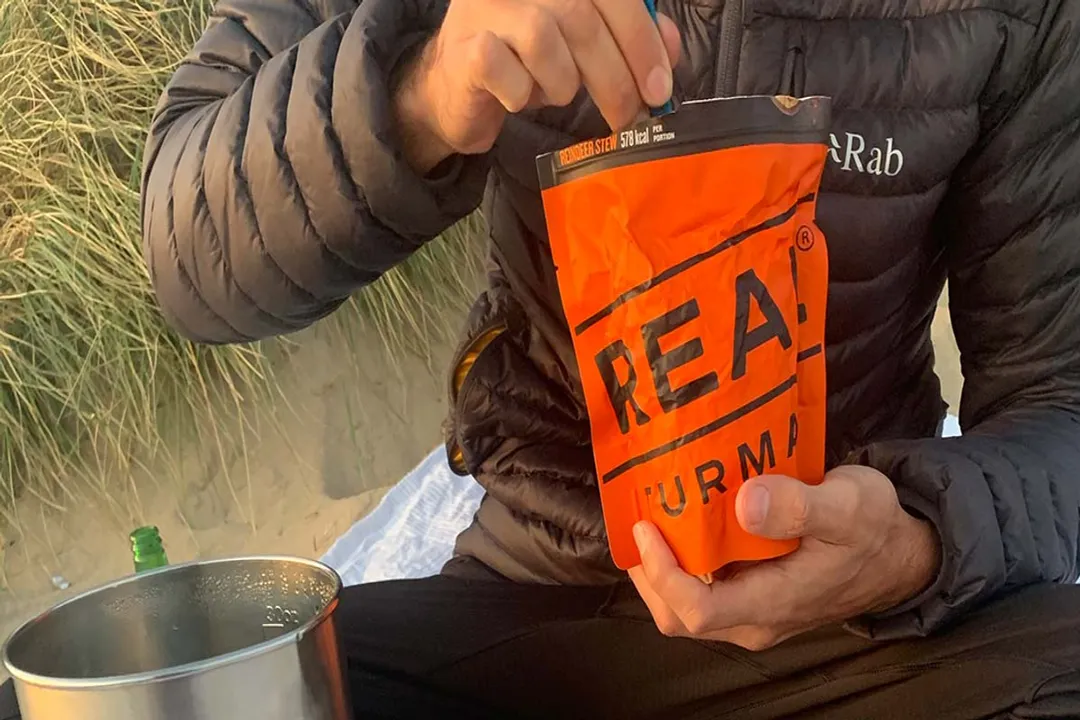
For outdoor enthusiasts, particularly backpackers and long-distance hikers, freeze-dried meals are indispensable. [7] The benefit here is obvious: reducing the weight carried in a pack by removing nearly all the water translates directly into less fatigue and greater range. [7] A typical meal that might weigh 16 ounces when fresh can be reduced to under 3 ounces in its dried state. [8]
Beyond recreation, the technology plays a vital role in emergency preparedness and long-term food storage solutions. [1] Food stored using this method can remain viable for 25 years or more when sealed correctly and kept in a cool, dark environment. [1] This longevity provides a security buffer for families and communities in ways that refrigerated or canned goods cannot match without continuous energy input or rotation schedules. [1]
If you are considering building a long-term food store, it is worth noting that the nutrient retention varies slightly by food type, but generally, the process is excellent for most fruits, vegetables, and meats. [6] For instance, while freeze-drying whole vegetables like broccoli or corn preserves shape well, some softer items might experience slightly more textural change upon rehydration than others, even though the chemical composition remains largely intact. [6]
| Food Type | Preservation Quality Post-Rehydration | Primary Advantage |
|---|---|---|
| Potatoes/Root Vegetables | Excellent structural retention | Light weight, fast cooking time |
| Meats (Cooked) | Very good flavor retention | Longest shelf life, high protein retention |
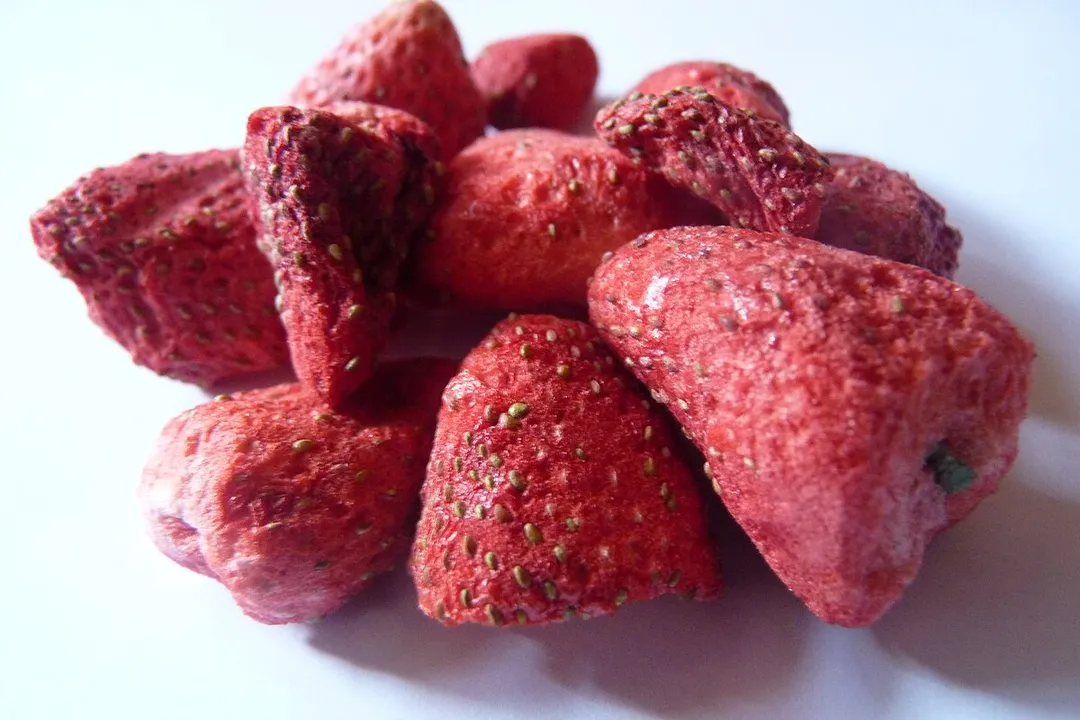
| Fruits (Berries) | Good shape, slightly altered texture | Maximum vitamin retention, ease of eating dry |
The industrial scaling of freeze-drying has also made it accessible for other markets, including pharmaceuticals where temperature-sensitive vaccines or antibiotics need to remain potent during transport across various global climates where cold-chain logistics are unreliable. [10] This mirrors the initial logistical constraints faced by NASA, trading the vacuum of space for the harshness of remote or undeveloped terrestrial supply lines. [4] The ability to store life-saving medicines in a compact, shelf-stable format represents a direct continuation of the very requirements that drove the technology's initial development for the Gemini and Apollo missions. [3] In essence, the inventor of freeze-dried food wasn't a single person but an entire sequence of innovators—from ancient Andean farmers adapting to the high-altitude environment to 20th-century scientists solving problems for humanity's greatest exploration efforts. [9][4]
Related Questions
#Citations
History of Freeze Dried Food and Its Current State in the Food Market
Freeze drying - Wikipedia
Freeze-Drying Space Food - The Digital Literature Review
Freeze-Dried Foods Nourish Adventurers and the Imagination
What Is the History of the Freeze Drying Process? - Shepherd Foods
Freeze-Drying Fundamentals - IFT.org
The Fascinating History of Freeze-Dried Food and Its Inventor
The History of freeze dried food - Freezy Bites
The Ancient History of Freeze-Drying - Backpacker's Pantry
Freeze-drying history and origin | Barnalab: lyophilisation experts