Who invented disaster response platforms?
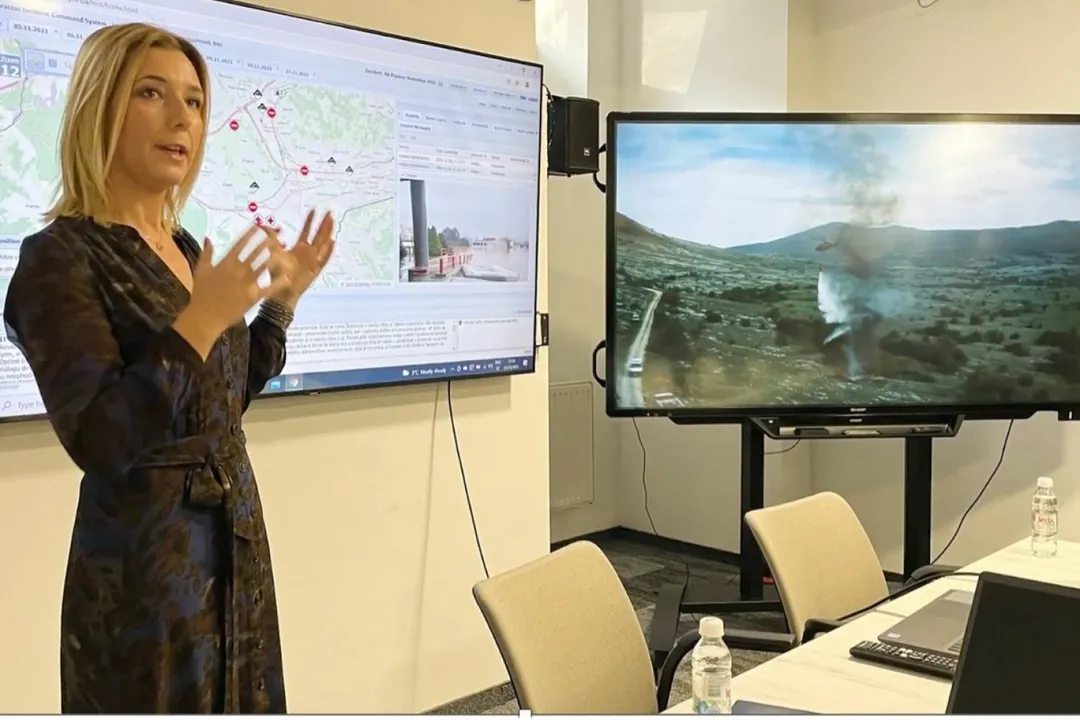
The genesis of organized disaster response stretches back through human history, a constant necessity as communities faced nature’s fury and other large-scale emergencies. [3] However, pinpointing the exact moment or singular individual who "invented" a modern disaster response platform is less about a lightbulb moment and more about tracing a long, necessary evolution. Before software platforms streamlined data, the history of emergency management itself had to mature from localized, often fragmented efforts into a standardized, multi-agency endeavor. [7][4]
# Management Roots
The very concept of formal emergency management began taking shape in the United States, for example, often spurred by devastating events that revealed critical gaps in coordination. [5][7] Early efforts often centered on establishing governmental structures specifically tasked with preparedness and response. In the U.S., the Federal Emergency Management Agency (FEMA), for instance, was established in 1979, consolidating numerous existing disaster-related federal programs. [5] This act of consolidation itself speaks to a crucial step: recognizing that managing disasters requires a unified, federal-level approach, which subsequently demands standardized communication and planning methods. [4][5]
Globally, the recognition of shared risk led to broader international initiatives. Disaster Risk Reduction (DRR) evolved significantly over time, with key milestones marking a shift in perspective from reactive recovery to proactive mitigation. [1] The United Nations, through various frameworks like the Hyogo Framework for Action and later the Sendai Framework, provided international momentum for national planning, encouraging governments to build resilience and coordinate efforts across sectors. [2] These global and national structural developments created the demand for systems that could handle the complexity of modern, multi-jurisdictional incidents.
# Early Tools
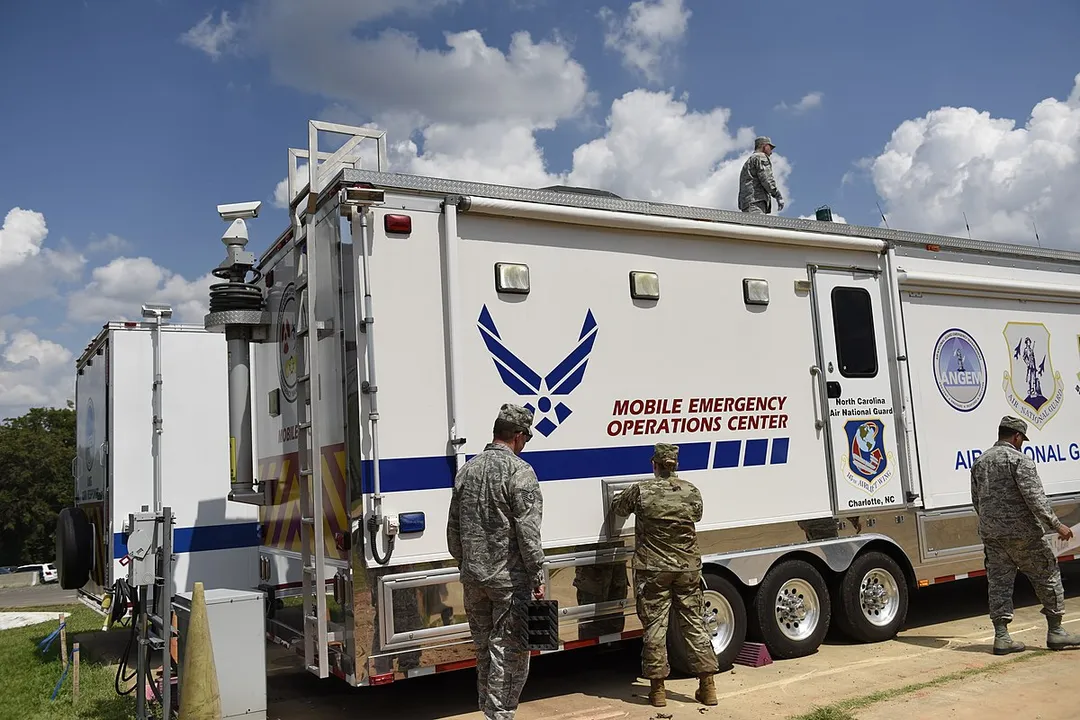
Long before sophisticated software existed, the tools of coordination were physical: radio communication, paper maps, telephone trees, and standardized forms. [3] The move toward better organization necessitated methods to ensure interoperability—the ability for different agencies to work together smoothly. [4] In the context of U.S. emergency management history, this often meant learning difficult lessons from failures, leading to evolving doctrines like the Incident Command System (ICS), which provides a standardized management structure for on-scene operations. [4][7]
This standardization of command structure—a core concept in emergency management [3]—was arguably the intellectual precursor to the digital response platform. You cannot effectively program a response system until you have agreed-upon roles, procedures, and terminology for who does what when chaos strikes. [4]
The development of specialized computer systems for emergency management didn't spring from a vacuum; it built directly upon these organizational blueprints. Early digital solutions likely focused on simple databases for resource tracking or basic Geographic Information Systems (GIS) for damage mapping. [9] The foundational work was often done by dedicated governmental or academic teams seeking to solve immediate, practical problems rather than by commercial software pioneers seeking a market.

# Digital Emergence
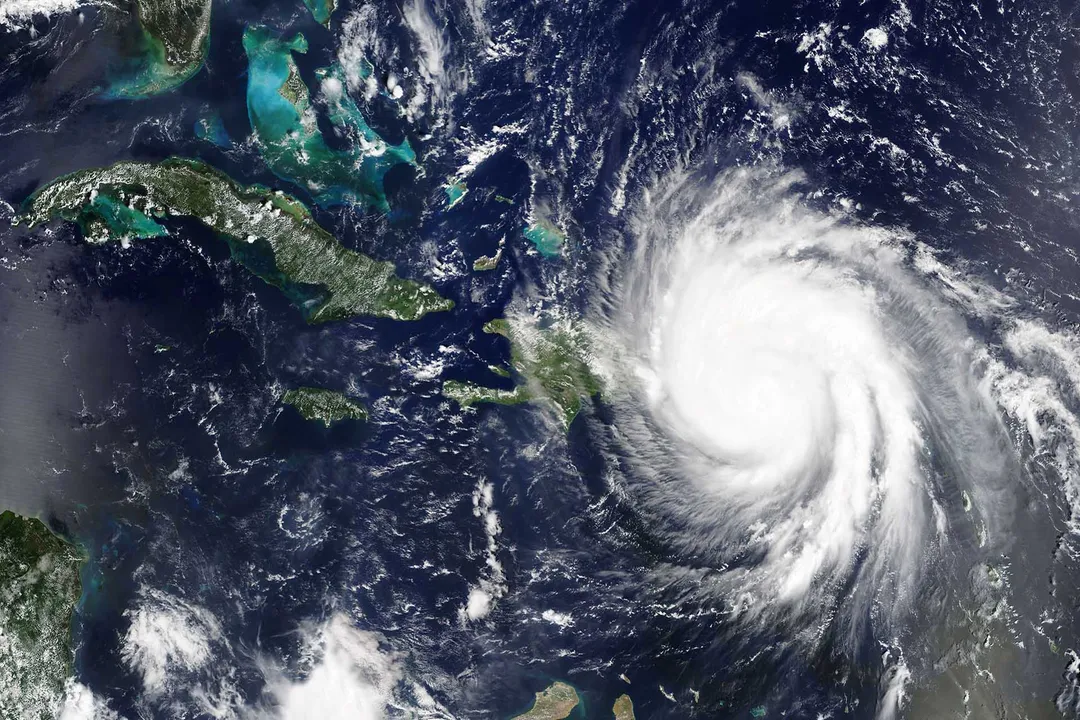
The true "platform" era is characterized by integration—the ability to pull together disparate data streams (weather, damage reports, resource inventories) into a single operational view. [9] This shift accelerated as technology became cheaper and more accessible. While finding the first line of code for the first digital emergency management tool is nearly impossible, the focus shifted as capabilities advanced.
One significant area of development involved streamlining the process itself. For instance, research has shown that dedicated software platforms can significantly help emergency responders manage and share information, which is critical for effective coordination and saving lives. [6] These platforms move beyond simple communication to managing the flow of the incident, offering ways to automate tasks or standardize data entry across agencies that might otherwise use incompatible systems. [6]
Furthermore, the application of advanced computational methods highlights the modern evolution. The integration of machine learning, for example, is revolutionizing disaster response by enabling better predictions and faster analysis of complex, massive datasets generated during a crisis. [8] This capability—turning raw data into actionable intelligence quickly—is a hallmark of a true modern platform, moving beyond mere record-keeping. [8]
When we look at the history of federal agencies like FEMA, their development involved internal technological maturation alongside external policy changes. [5] The move toward cloud-based systems and shared data environments reflects a broader industry trend adapted for the high-stakes nature of emergency work.
# Platform Definition
A modern disaster response platform is essentially a digital environment designed to support decision-making across the entire cycle of emergency management: mitigation, preparedness, response, and recovery. [3] What differentiates a platform from a simple application is its ability to connect multiple users, processes, and data sources in real-time. [6]
Consider the difference between an agency having a spreadsheet of available ambulances and a platform that automatically ingests 911 dispatch data, checks the real-time location and availability of those ambulances against the severity of incoming calls, and suggests the optimal routing based on current traffic and road closure data. [9] The latter represents the functionality expected from a modern platform.
The evolution shows a clear progression:
- Procedural Standardization (e.g., ICS implementation). [4]
- Siloed Digital Tools (e.g., static GIS maps or separate inventory lists).
- Integrated Platforms (connecting various data streams for unified operational picture). [6][9]
If we look at the challenges these systems address, we see that ensuring interoperability is a recurring theme in emergency management history. [4] The digital platform is simply the most advanced solution to that perennial problem.

# Insights on Development
It is illuminating to observe that the most significant leaps in disaster response systems often follow major national or international events, rather than simply technological availability. For instance, the historical consolidation of federal efforts in the US [5] mirrors the push for international frameworks like the Hyogo or Sendai Frameworks. [1][2] These high-level organizational changes create the mandate for technology that can bridge the gaps between previously disconnected entities. A single software inventor might create a great product, but it only becomes a widely adopted "response platform" when the organizational structure demands its use for federal compliance or inter-agency operation.
Another crucial aspect that seems understated in the broad historical narrative is the role of local adaptation. While national agencies like FEMA create large-scale frameworks, [5] smaller, local Emergency Management Agencies often operate with highly constrained resources. [7] A true, widespread "platform" only succeeds if it can scale down effectively. The challenge for developers is not just building something powerful enough for a national response, but building something lean and useful for a small county EMA office that lacks dedicated IT staff. The most successful evolution in this space is characterized by tools that require minimal setup but offer maximum utility across varied organizational sizes.
# The Contemporary Landscape
Today's platforms are sophisticated tools, sometimes utilizing complex mathematical models or machine learning to process inputs like damage assessments or social media sentiment to prioritize aid delivery. [8] One recent development involved creating software platforms specifically designed to streamline the response process by integrating various communication methods and data inputs into a single dashboard view for incident commanders. [6] This moves the focus from simply recording what happened to actively guiding what should happen next.
The contrast between historical efforts and current technology is stark. Where early disaster management relied on manually collected data that was often outdated by the time it reached decision-makers, [7] modern solutions aim for near real-time data ingestion and analysis. [8][9] This technological capability allows for a shift in strategy, favoring predictive modeling over purely reactive measures.
In summary, the "inventor" of the disaster response platform is not a single person but a confluence of forces: the organizational necessity driven by major disasters, [5] the establishment of standardized operating procedures like ICS, [4] the global push for resilient communities, [1][2] and the continuous advancement of computing power enabling data integration and machine learning applications. [8] The platform is the digital embodiment of decades of hard-won lessons in coordination and efficiency, built by countless engineers, government planners, and field operators working to make the next response better than the last. [4][6]
Related Questions
#Citations
History of DRR - PreventionWeb.net
DRR and UNDRR's history
Emergency management - Wikipedia
FEMA: A comprehensive history of U.S. emergency management
A software platform streamlines emergency response | MIT News
History of FEMA
A History of Emergency Management - HuntingdonCounty
A machine learning revolution in disaster response
Information technologies and disaster management – Benefits and ...
This High-Tech Solution to Disaster Response May Be Too Good to ...