What did Thomas Elkins invent?
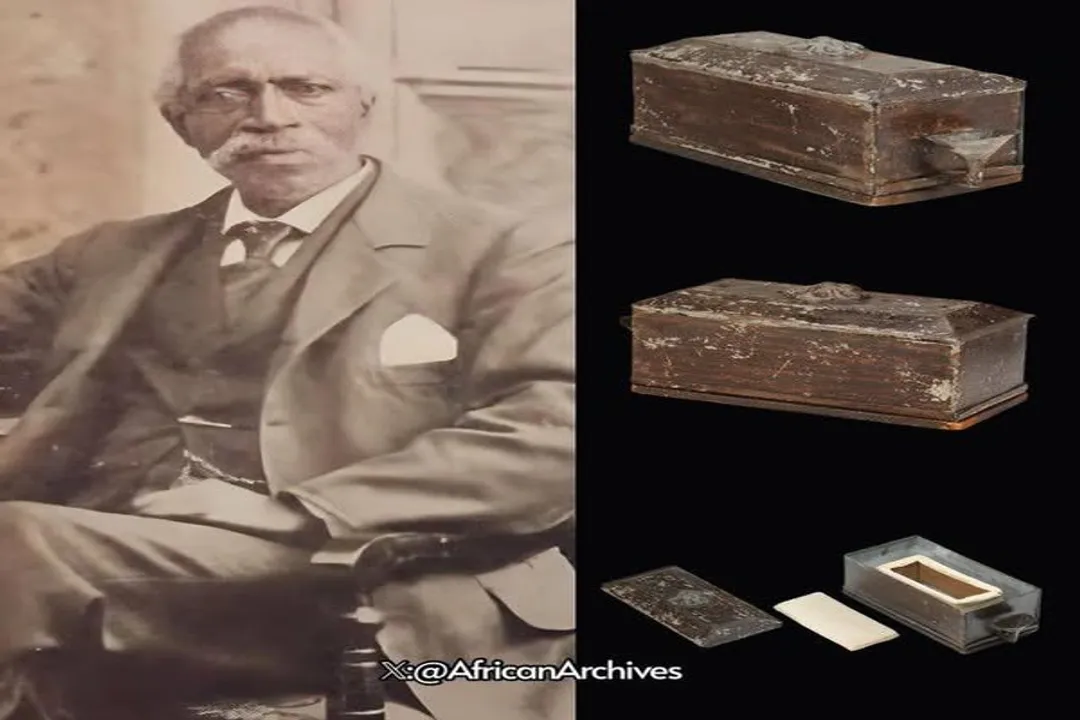
Thomas Elkins carved out a remarkable, if often overlooked, existence in the 19th century, establishing himself not only as a respected medical professional but also as a practical inventor deeply engaged in the era's most pressing moral struggle: abolition. Born around 1818, his life spanned decades of profound societal change, during which he demonstrated expertise across seemingly disparate fields—from the precise mechanics of patented devices to the urgent, life-saving work of a physician operating under difficult circumstances.
# Sanitary Apparatus
The most concrete evidence of Elkins’ inventive mind lies in his contributions to domestic technology, specifically plumbing. Thomas Elkins secured a patent for improvements related to the modern water closet. While the specifics of the mechanical innovation may seem mundane compared to the great industrial patents of the age, a successful patent in the sanitation sector during that period implied a significant understanding of engineering and public health needs. In an age where indoor plumbing was still becoming standardized, an improvement to the water closet—a device central to urban health—would have represented a meaningful attempt to increase comfort and, more importantly, curb the spread of disease through better waste management. It is insightful to consider that while history often elevates inventors associated with locomotion or communication, Elkins focused on a technology that directly improved daily life and hygienic conditions in the home and city, a testament to practical problem-solving over pure spectacle.
# Medical Training
Beyond the workshop, Elkins possessed considerable scientific acumen, having trained as a physician. This medical background provided him with specialized knowledge that informed both his professional practice and, perhaps, his engineering endeavors. Being a trained doctor in the mid-1800s, particularly for an African American man, required extraordinary dedication and tenacity to gain the necessary education and acceptance within the established medical community. His medical skills were not kept separate from his activism; Elkins became known for his service to his community, often acting as the "Underground Railroad doctor" in the Albany area. This dual capability—the ability to diagnose an illness and the ingenuity to design a practical solution—highlights a rare combination of theoretical knowledge and hands-on application in his profile.
# Abolitionist Doctor
The commitment Thomas Elkins demonstrated in his professional life was mirrored by his fervent dedication to ending slavery. His work in Albany connected him directly to the networks ferrying enslaved people to freedom. Being the "Underground Railroad doctor" implies a role that went beyond merely treating the sick; it suggests providing clandestine medical care to freedom seekers who were often exhausted, injured, or ill from their perilous journeys. This role demanded discretion, courage, and immediate, high-stakes medical intervention, placing him in direct opposition to federal laws of the time. The level of trust placed in him by the Underground Railroad operatives must have been immense, relying on his medical skills as much as his discretion.
# Community Foundation
Elkins was more than just a transient activist; he was an established community member, succeeding as a businessman in addition to his other roles. He was active in the political and social spheres of the time, demonstrating that his contributions were woven into the fabric of his local environment. His ability to establish a successful business presence while simultaneously training as a doctor and participating in dangerous abolitionist activities speaks volumes about his drive. When looking at the obstacles faced by Black professionals in the 19th century, Elkins’ accomplishments—a patented invention, a medical practice, and deep involvement in the Underground Railroad—suggest a person operating at the absolute peak of personal capability, consistently finding ways to innovate and serve despite systemic barriers. He died around 1900, having witnessed monumental changes in the country he worked so hard to reform.
#Videos
Notable Black Innovators: The Untold Story of Thomas Elkins ...
Related Questions
#Citations
Thomas Elkins (1818-1900) | BlackPast.org
Thomas Elkins: African American Inventor - Black History in America
Blackhistory Thomas Elkins was an inventor, abolitionist ... - Facebook
Albany's Underground Railroad doctor: Dr. Thomas Elkins
Notable Black Innovators: The Untold Story of Thomas Elkins ...
[PDF] Black History – Thomas Elkins - Chefsville
The Forgotten Innovator: How Thomas Elkins Changed Toilets ...
DID YOU KNOW? Thomas Elkins, a Black inventor, patented ...