What did Chester Greenwood invent?

The invention credited to Chester Greenwood is one that has provided comfort to millions bundled up against the cold for over a century: the earmuff. While many consider the earmuff a simple, almost timeless accessory, its origin lies with a determined young man from Farmington, Maine, who devised a practical solution to a common winter discomfort. His story serves as a reminder that necessity, especially when experienced firsthand, remains a primary driver of innovation, even for seemingly straightforward devices.
# Young Mind
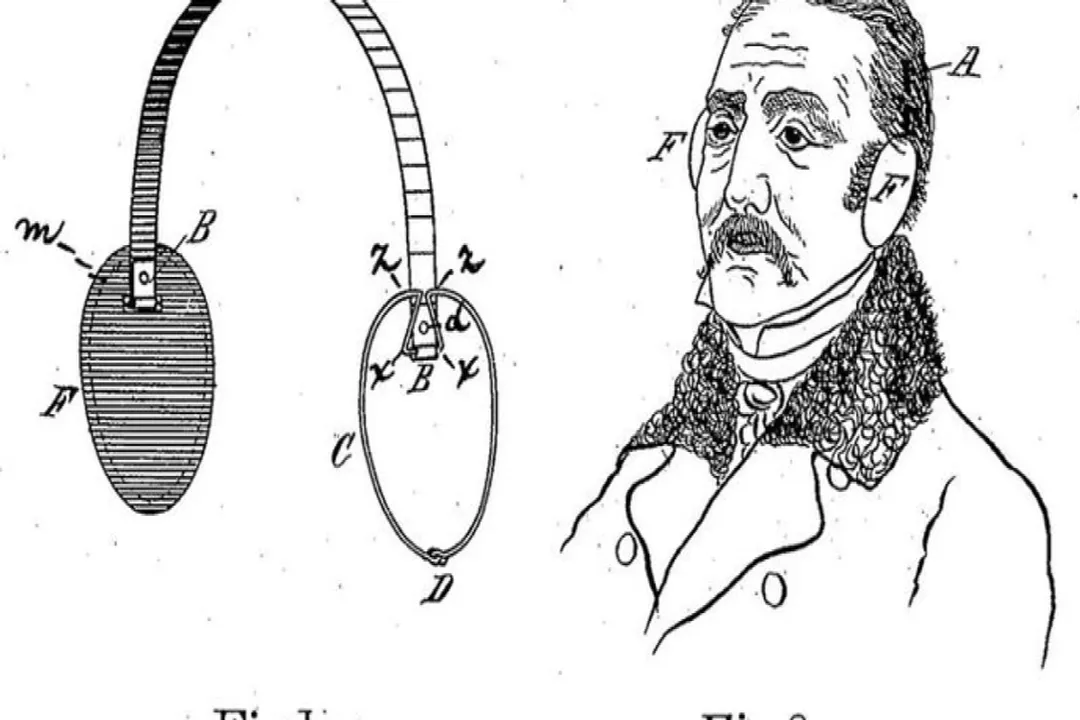
Chester Greenwood was only 15 years old when the idea for his famous invention struck him in 1873. The pivotal moment occurred while he was out ice skating. Imagine being fifteen, determined to enjoy a crisp winter day on the ice, only to have your ears chilled to the bone. Greenwood reportedly found his ears freezing, which prompted him to seek a remedy. He first tried wrapping a scarf around his head, but the fabric kept slipping, failing to offer adequate, secure protection. This initial failure paved the way for a more engineered solution. He went home and instructed his grandmother, who was a seamstress, to sew pieces of wire covered in black velvet together to create a frame that would fit over his ears and stay put. This combination of personal frustration and familial skill resulted in the very first prototype of what we now call earmuffs. The story is often linked to his hometown of Farmington, Maine, highlighting a local origin for an item now used globally.
# Device Specifics
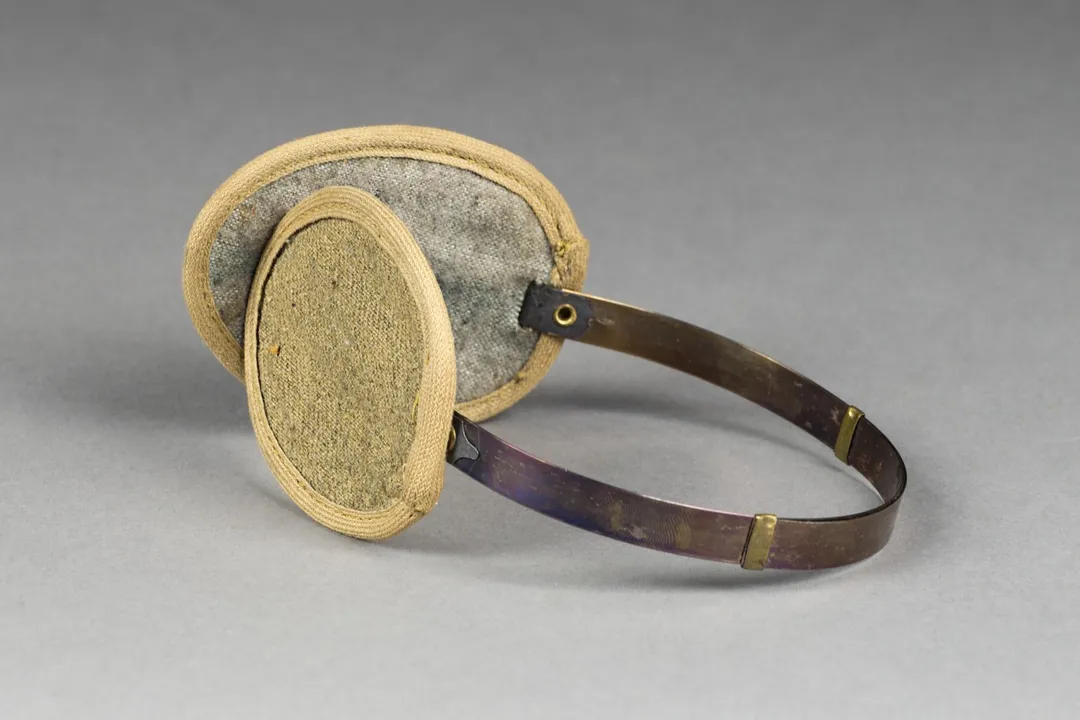
The initial design was fundamentally sound, establishing the basic architecture that modern earmuffs still follow. The core concept involved securing two ear pads via a band that rested over the head. One source notes that the earliest models utilized wire covered in black velvet. While the sources emphasize the comfort and practicality for his initial use—keeping his ears warm while skating—the design needed refinement for mass production and durability.
An often-cited detail is the patent application process, which Greenwood undertook to protect his design. Records confirm that Chester Greenwood received a patent for his invention. This formal recognition solidified his status as the inventor and allowed him to transition from a personal fix to a marketable product. The structure was key; it solved the problem of slippage that the simple scarf presented, providing continuous coverage without requiring constant adjustment, a subtle but significant advancement in personal cold-weather gear. It’s fascinating to consider that the fundamental engineering challenge—a lightweight, adjustable, form-fitting piece of headwear—was solved by a teenager using readily available materials like wire and fabric.
# Factory Growth
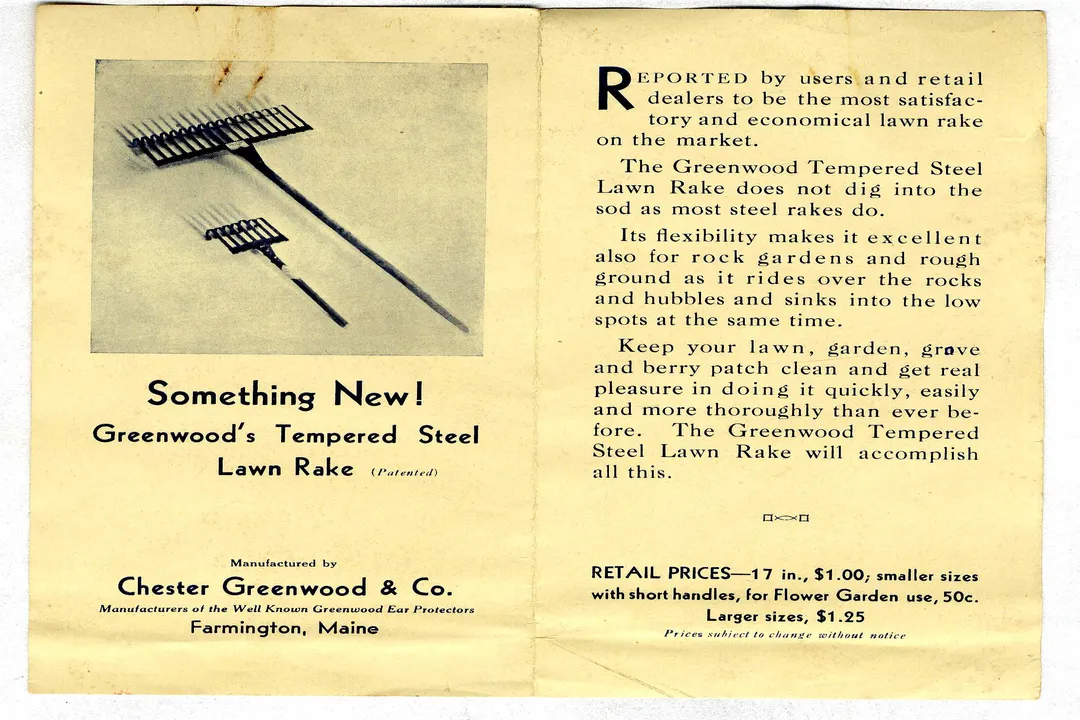
Following the initial success and patenting of the earmuff, Greenwood saw the commercial potential beyond just his own enjoyment. He began manufacturing his invention locally. The production process started in Farmington, Maine, where Greenwood established a factory. The product was initially branded as Champion Ear Protectors. This transition from a single prototype to actual manufacturing is a common, yet critical, step for inventors, requiring an understanding of production costs, materials sourcing, and distribution that often contrasts sharply with the initial moment of inspiration.
For instance, a typical small-scale manufacturing startup today might spend months optimizing a supply chain for simple components like specialized padding or wire gauges. Greenwood, working in the late 19th century, managed this scaling process effectively enough to see widespread adoption. While the sources don't detail the exact sales figures or business challenges, the fact that the earmuff endured and became a standard item suggests he successfully navigated the early hurdles of quality control and market penetration. It is worth noting that while many inventors struggle to commercialize their ideas, Greenwood managed to build a successful enterprise around his creation. Thinking about the local economic impact, even a small factory producing one specific item could significantly affect a town like Farmington in the late 1800s, providing specialized, albeit seasonal, employment. This early factory, established by a teenager, represents a significant entrepreneurial achievement in the history of practical innovations.
# Lasting Honor
Chester Greenwood’s contribution to winter comfort is not just historical; it is actively celebrated. In honor of the inventor and his creation, Chester Greenwood Day is observed annually on December 21st. This date marks the winter solstice, which makes contextual sense as the shortest day of the year often coincides with the coldest temperatures, making the need for ear protection most acute. The celebration originated in his hometown of Farmington, Maine, where the event remains a significant local tradition. This annual recognition speaks to the enduring connection between the community and its famous resident.
The earmuff itself has seen various evolutions since 1873, though the fundamental principle remains unchanged. Modern versions often incorporate advancements like superior insulation, adjustable hinges, and materials designed for better acoustic properties or even integrated listening devices. However, the core function—a padded cup held by a band over the head—is a direct descendant of the velvet-covered wire contraption devised by a 15-year-old. The fact that the basic design has persisted while the product has been adapted for skiing, construction, shooting ranges, and general winter wear demonstrates the inherent correctness of the original form factor.
# Inventive Echoes
While Chester Greenwood is celebrated for the earmuff, his story offers a broader perspective on ingenuity that is applicable even today. Often, the most successful inventions are not complex new technologies, but rather elegantly simple solutions to persistent, everyday annoyances. The earmuff sits firmly in this category; it solved a specific problem—cold, exposed ears that a scarf couldn't reliably cover—with a direct, mechanically sound answer.
Consider the initial problem set: cold, annoyance, and slippage. The scarf failed on the latter two points; the earmuff succeeded on all. This is a simple equation in design thinking. If we look at contemporary problems, we can often find analogous "scarf solutions" that need to be replaced by an "earmuff solution." For example, how often do we struggle with tangled charging cables, or the need to constantly adjust small earpieces? These are modern equivalents of the slipping scarf—an imperfect, high-friction solution to an existing need. The lesson from Greenwood is to look for those small, recurring physical frustrations in daily life and then consider what simple mechanical structure could permanently eliminate that friction, perhaps using materials readily available now, much like velvet and wire were then.
Furthermore, the speed of his transition from idea to patent is noteworthy. While today's patent process is vastly more complicated and expensive, Greenwood’s ability to secure protection relatively quickly gave him the necessary leverage to build his manufacturing base. For any aspiring inventor today dealing with a simple mechanical fix, understanding the value of securing that initial intellectual property claim—even for something that seems obvious in hindsight—is critical for translating a personal solution into a viable business model, as Greenwood successfully did in Farmington over 150 years ago. His invention remains a tangible piece of history, proving that a simple, well-executed idea, born from necessity, can achieve lasting recognition.
#Videos
Ear Muffs: Where did they come from? | Stuff of Genius - YouTube
The history of how earmuffs were invented by a Maine teenager
Related Questions
#Citations
Chester Greenwood - Lemelson-MIT Program
Chester Greenwood, Maine Inventor: Home - Subject Guides
Ear Muffs: Where did they come from? | Stuff of Genius - YouTube
Ear Muff Inventor Celebrated - Invention City
[PDF] Young Inventors: Chester Greenwood | TextProject
March 13: Chester Greenwood's Champion Ear Protectors
December 21 is Chester Greenwood Day - he invented earmuffs