Were the first planes made of wood?
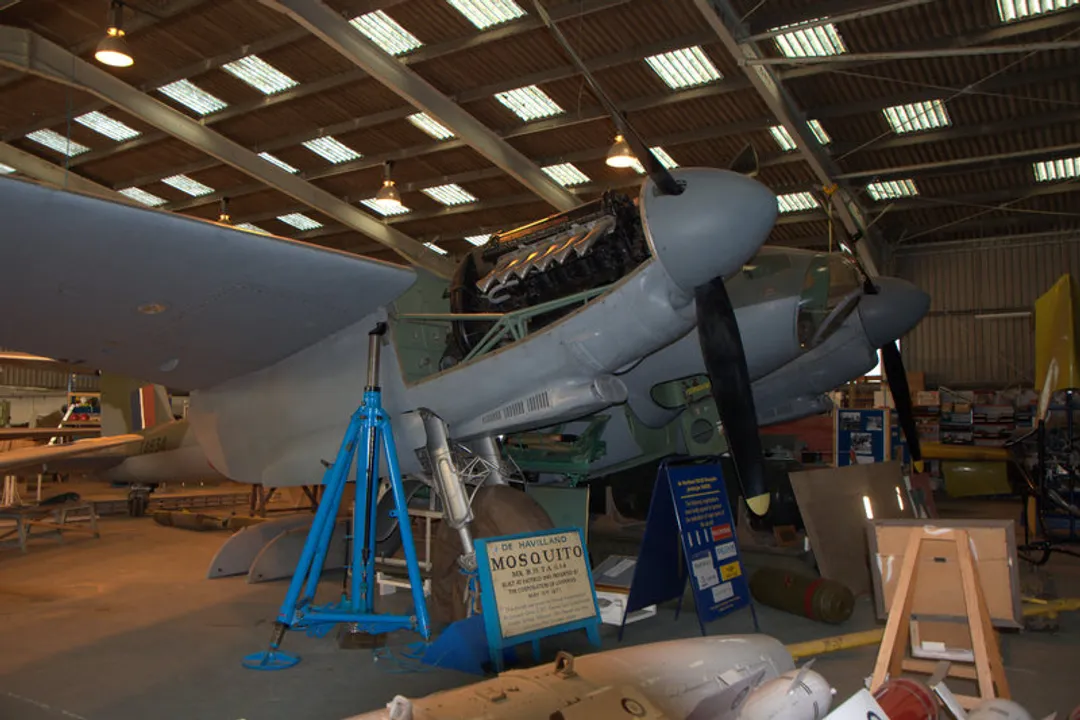
The initial era of powered flight was indeed characterized by the extensive use of wood, a material readily available, relatively light, and possessing the necessary structural qualities to defy gravity for the first time. When we look back at the birth of the airplane, we are almost always looking at structures built around wooden frameworks, often covered in fabric. This wasn't a matter of choice driven by preference but rather one dictated by the limitations of existing technology and manufacturing capabilities at the turn of the 20th century. Metalworking techniques were either too heavy, too difficult to form into the complex, lightweight aerodynamic shapes required, or simply too costly for experimental aircraft.
# Wright structure
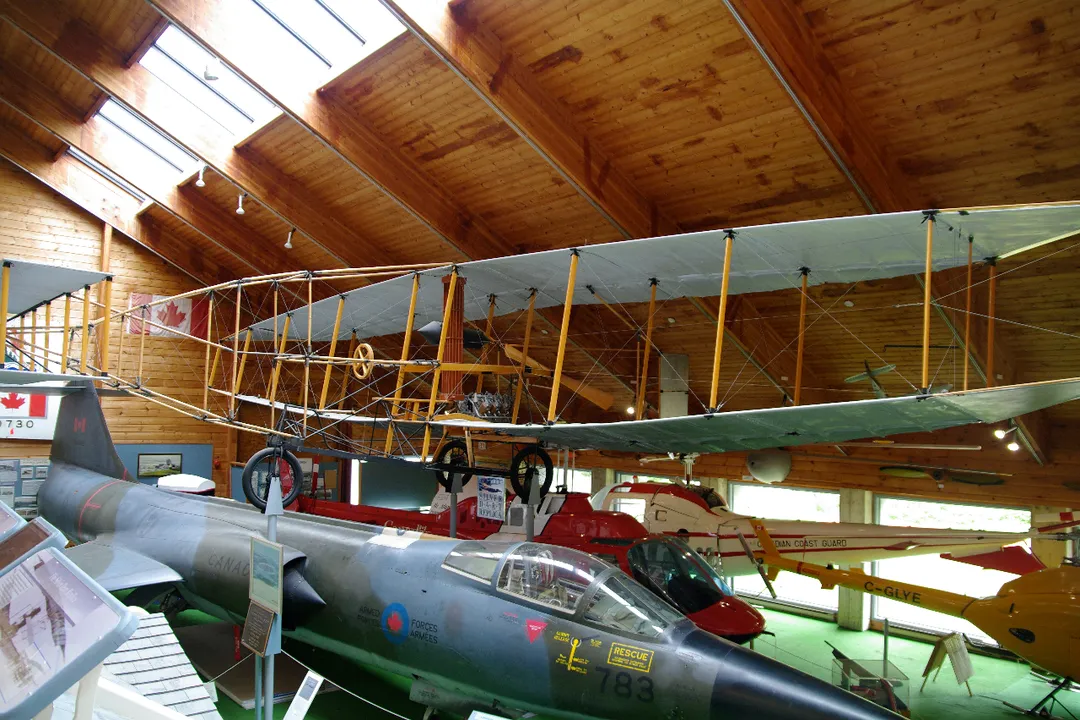
The pioneering aircraft that first achieved sustained, controlled flight provides the clearest illustration of this reliance on timber. The original Wright Flyer of 1903 was constructed primarily from wood, relying on the inherent strength and low density of specific species to form its biplane structure. The primary framing members were built using wood like spruce, ash, and basswood. Spruce was particularly valued for its high strength-to-weight ratio, making it an ideal structural material when every ounce mattered. The Wrights, drawing on their experience as bicycle mechanics and builders, employed techniques familiar to woodworking and light carpentry to assemble these complex trusses and spars. The structure was not a solid block of wood, but a sophisticated arrangement of struts and wires, acting much like a bridge or a heavy-duty truss system to manage the stresses of flight and the relatively low power output of the early engine.
# Lumber selection
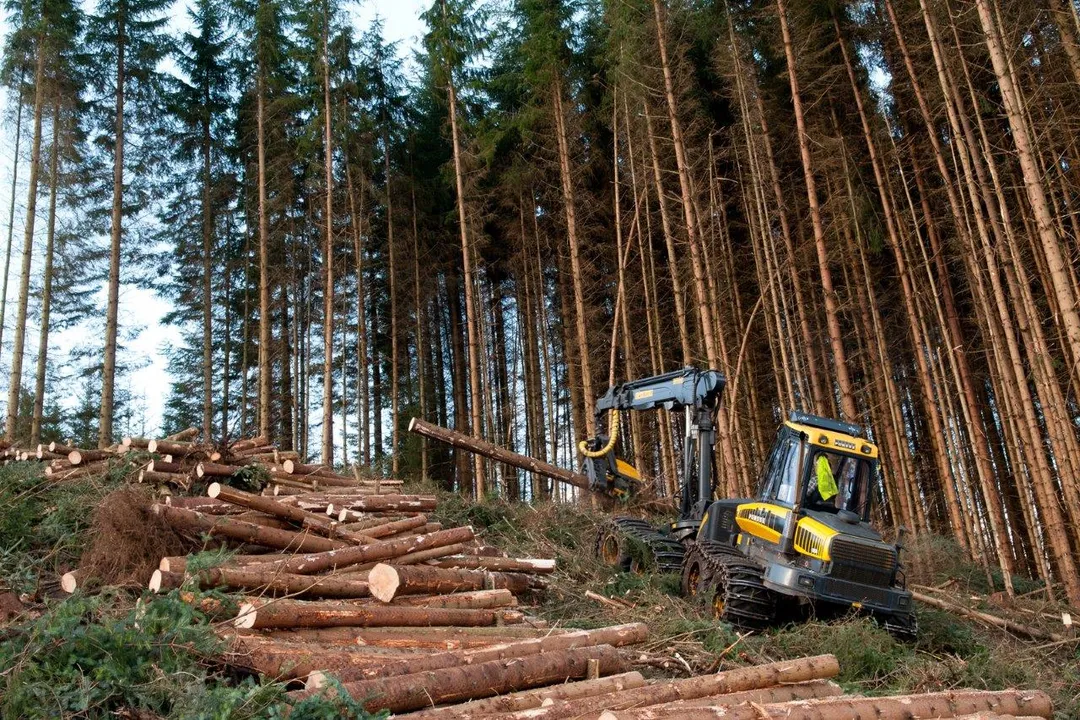
The quality and type of wood were far from arbitrary selections; they were critical engineering decisions. In fact, the demands of aviation led to a formalization of lumber supply during later conflicts. For instance, by the time of the First World War, the need for high-quality, knot-free, and properly cured wood led to the establishment of specialized military divisions dedicated to sourcing and processing aircraft-grade lumber. Sitka spruce, for example, became a legendary material in aviation history due to its remarkable elasticity and strength, capable of absorbing significant loads without snapping. The ability of a piece of timber to withstand bending and tension was paramount; a material that was too brittle, regardless of how light it was, simply would not survive the stresses imposed during takeoff or maneuvering.

# Fabric covering
While the skeleton of the early airplane was wood, the aerodynamic surfaces—the wings and tail—required a lightweight skin. Early aircraft were not solid-winged like modern designs; they were essentially draped frames. The standard covering material was muslin fabric, often treated with a dope—a chemical varnish—to tighten the cloth, provide a smoother surface for airflow, and protect it from moisture. This fabric-over-wood configuration meant that the entire aircraft was a composite system, though a very primitive one by today’s standards: a lightweight, strong wooden structure providing the shape, and a taut fabric skin providing the lift and control surfaces.
It is interesting to note that this reliance on wood and fabric presented a unique maintenance challenge distinct from modern metal fatigue. Because the strength was reliant on organic materials and surface tension, environmental factors played a huge role. A humid environment could cause the fabric to sag, altering the airfoil shape and reducing lift, while excessive dryness could make the wood brittle or cause glue joints to weaken. This meant that an aircraft’s performance could literally change based on the weather from one day to the next, requiring constant inspection and adjustment of the tensioned covering.
# War demand
The escalation of aerial warfare during the First World War dramatically increased the demand for aircraft, which in turn placed immense pressure on the timber industry. Nations realized that the supply chain for aviation wood—specifically high-grade spruce, ash, and sometimes hickory—was a matter of national defense. This necessity forced the military to actively manage and categorize wood supplies, often setting specifications for grain quality and drying processes that went far beyond typical commercial standards. The strategic importance of these forests and mills underscored just how foundational wood was to the viability of early air power. Even as engine power increased, designers continued to favor wood for airframes because the newly available power was still best managed by a structure that kept weight to an absolute minimum, a feat harder to achieve reliably with the metal alloys available at the time.
# Metal adoption
The transition away from wood was gradual but inevitable, driven by the increasing speed, size, and complexity of aircraft needed for commercial transport and military advancements beyond World War I. While early planes relied on wood because it was the best known material for creating lightweight, custom shapes, as engine power increased, so did the aerodynamic loads and the need for greater structural rigidity. Aluminum began to replace wood in key stress areas starting around the late 1910s and into the 1920s.
The structural advantage of metal became clear in managing higher stresses. While a wooden spar could be made stronger, it quickly reached a point where increasing the size of the wood beam added disproportionate weight, whereas metal alloys could manage higher stress loads for the same weight or even less, particularly in monocoque or semi-monocoque fuselage construction. Brands like Junkers in Germany were early adopters of all-metal construction, pushing the envelope past the limitations inherent in organic materials. By the time of World War II, while some smaller trainers or specialized aircraft might still contain significant wood components—often for quick, cheap repair or due to material shortages—the cutting edge of aircraft design, especially high-performance fighters and bombers, had decisively moved to stressed-skin aluminum construction.
# The craftsman’s skill
A less obvious but crucial element of the wood era was the skill set required to produce these early machines. Building a successful wood-and-fabric aircraft demanded artisans highly skilled in carpentry, boat building, and rigging, not just machinists. A modern aircraft is designed with tolerances measured in thousandths of an inch, relying on precision machining and automated assembly. In contrast, the first airplanes required intuition and hands-on knowledge of how wood reacted to glue, moisture, and tension across large structures. The early aviators, much like the Wrights, often had to be master builders themselves, capable of hand-shaping ribs, carefully sanding spars, and applying fabric dope with an eye for the perfect tension that would only be revealed under the strain of flight. This immediate, tactile connection between the builder and the machine is something largely lost in today’s manufacturing environment dominated by computer-aided design and composite layups. The transition to metal didn't just change the material; it fundamentally changed the craft of aircraft manufacturing, shifting focus from the carpenter’s bench to the metallurgist’s lab.
Related Questions
#Citations
The Best Wood for World War I Airplanes
What was the name of the first airplane made entirely out of wood ...
Aircraft Materials
I am looking for information on how early planes were constructed
Airplane materials evolving from wood and cotton fabric ... - Compolam
Aircraft Building Has Come Out of the Woods - FLYING Magazine
Wright Flyer - Wikipedia
The Tree That Shaped Early Aviation - The Casemate Blog