What is a click pen?
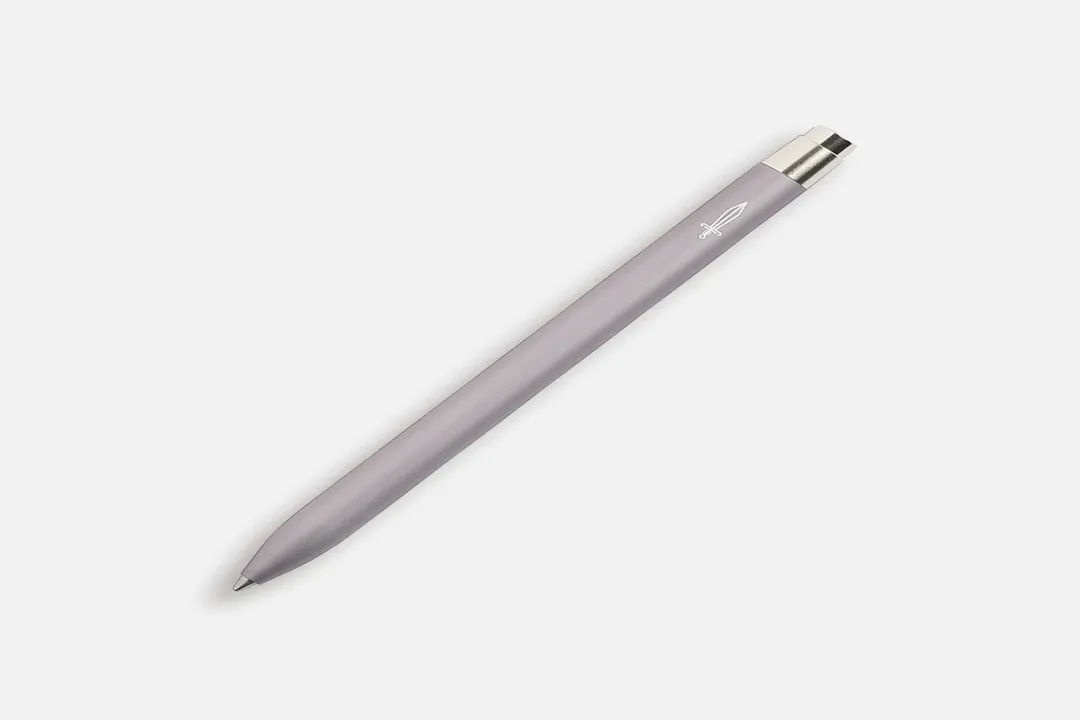
The writing instrument that most people reach for without a second thought is often the retractable pen, commonly known by its activation method: the click pen. [2] This design eliminates the need for a separate cap, which is often misplaced, by housing the tip within the pen body until it is needed. [7] At its simplest, a click pen is any pen where the writing point extends and retracts via a mechanism activated by pressing a button or plunger, usually located at the top end of the barrel. [2][10] This convenience has made it a dominant form factor in everything from elementary school pencil cases to high-end executive sets. [7]
# Mechanical Action
Understanding what makes a click pen click involves appreciating a small piece of mechanical ingenuity, often hidden within the plastic or metal casing. [9] The entire system revolves around creating a stable, locked position for both the extended (writing) and retracted (safe) states, using a simple up-and-down motion. [10]
The core components typically include a spring, a sliding mechanism that holds the ink cartridge (or refill), and the actuating button itself. [9] When the user presses the button, it pushes down a plunger assembly. Inside this assembly, there is a crucial element—often a cam or a set of curved slots—that interacts with a locking part connected to the internal cartridge holder. [3][10]
This interaction is the magic trick. On the first press, the cam allows the spring tension to push the ink cartridge forward until it locks into the extended position. [2][10] This locking is usually achieved by a ratchet or detent system, ensuring the point stays out while you write. [9] When the user presses the button again, the cam rotates or shifts slightly, releasing the lock. The stored energy in the spring then pushes the cartridge back into its retracted, safe position. [3][10]
It is interesting to note the difference in feel this mechanism provides compared to twist-action retractable pens. [10] While both achieve retraction, the audible click provides immediate, tactile, and auditory confirmation of the pen's status. [2] This auditory feedback—the sound itself—is a significant factor in the enduring appeal of the mechanism, offering a satisfying, definite signal that the action has been completed, something a silent twist mechanism does not provide. [10][4] Some high-quality mechanisms are engineered for quietness, but the inherent nature of the cam-and-ratchet system favors a distinct sound. [8]
# Parts Breakdown
The simple act of clicking hides a precise arrangement of parts working in concert. [9] Generally, a retractable pen mechanism features:
- The Plunger/Clicker: The visible button pressed by the user. [3]
- The Spring: Provides the force needed to either extend or retract the refill, depending on the cam's position. [9]
- The Cam/Ratchet: The heart of the mechanism, which is a shaped component that translates the vertical push into a rotational or locking movement to engage or disengage the cartridge holder. [2][10]
- The Sleeve: The outer body that guides the movement and houses the components. [9]
Many pens, like the classic Cross ballpoint design, often employ variations of this system to ensure reliable deployment and retraction across many cycles. [5] The quality of the plastic or metal parts used in the cam system dictates how long the pen lasts before the click becomes mushy or unreliable. [2]
# Convenience Versus Protection
The primary driver behind the click pen's popularity is simple convenience. [7] There is no cap to lose, which is a common failing point for traditional capped pens. [7] For those who jot down notes frequently—signing receipts, filling out forms, or quick brainstorming—the ability to deploy the pen with one hand, often instantaneously, is invaluable. [7][10]
However, this convenience comes with certain trade-offs when compared to a capped pen, which offers superior protection for the nib and the ink flow. [7]
| Feature | Click Pen (Retractable) | Capped Pen |
|---|---|---|
| Deployment | Fast, one-handed operation. [7][10] | Requires two hands or fumbling for the cap. [7] |
| Tip Protection | The tip is exposed when clicked out; vulnerable to bending if dropped on the tip. [7] | The cap fully seals and shields the tip/nib. [7] |
| Ink Safety | Risk of accidental deployment in a pocket or bag if the mechanism fails or jams. [7] | Very low risk of ink marking surfaces unless the cap is off. [7] |
| Longevity | Mechanism wears out over time, leading to "mushy" clicks. [2] | Tip/nib wear is minimal if the cap is consistently used. [7] |
One practical consideration often overlooked by casual users is the wear on the internal components over the pen's lifespan. [2] While a premium pen like those made by Baronfig might feature precision-machined components designed for thousands of actuations, [8] even the best clicker will eventually develop play in the mechanism. [2] This manifests as the tip rattling slightly even when locked out, or the click requiring more pressure to engage, indicating that the tight tolerances of the cam or ratchet are beginning to wear down. [2] If you frequently use a click pen for high-volume signing, you might notice this mechanical fatigue sooner than someone who uses it only for short notes. [7]
# Market Versatility
The click mechanism is so universal that it spans the entire spectrum of writing instruments, from the most disposable to the most sophisticated. [7]
# Promotional Use
In the realm of promotional products, the click pen reigns supreme because of its cost-effectiveness and utility. [7] These pens are often designed for single-use or short-term advertising efforts. The plastic construction keeps the cost low, ensuring that companies can distribute thousands of them easily. [7] For this purpose, the click action is favored because it provides a better presentation than a cheap cap that can easily fall off or be discarded immediately. [7] For promotional purposes, the value lies in making the brand visible while the pen is in use, and the clicker ensures the tip is only deployed when needed, preventing unwanted ink marks on promotional materials or clothing. [7]
# Elevated Engineering
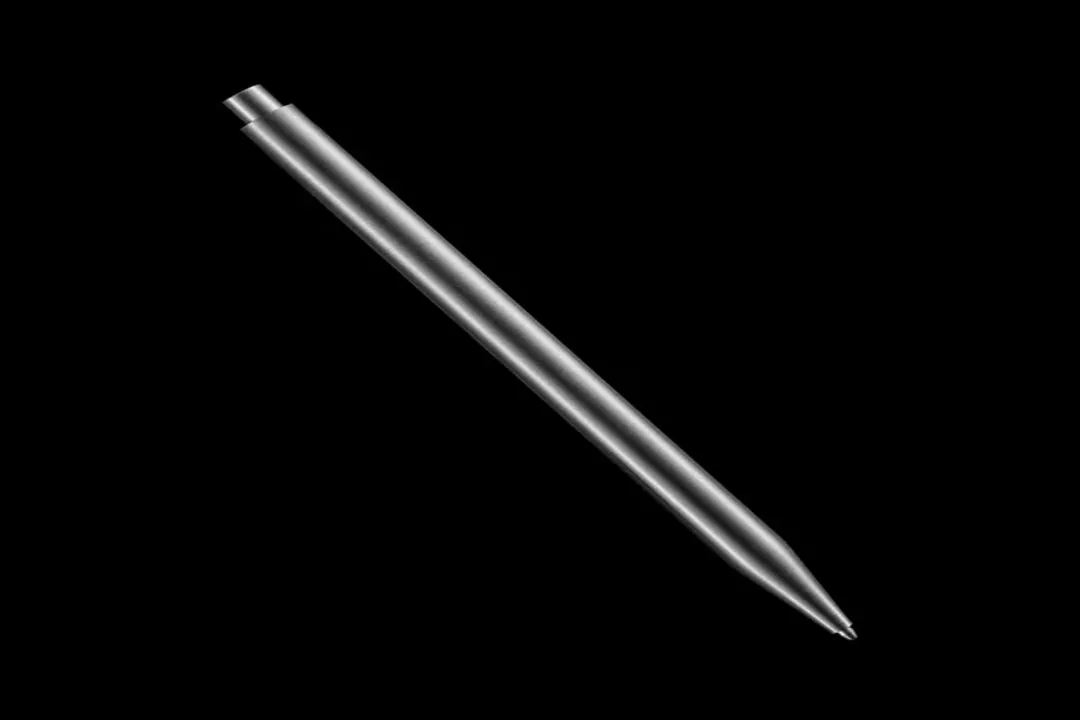
On the other end of the spectrum, luxury and everyday carry (EDC) brands have elevated the simple click action into a sophisticated piece of engineering. [5][6][8] Companies producing high-end writing tools recognize that the tactile experience must be exceptional. [4] For example, a pen designed for everyday carry must withstand being jostled in a pocket or bag alongside keys and other items. [6] Manufacturers focus on materials like aircraft-grade aluminum or stainless steel for the body and often use proprietary, highly refined internal mechanisms. [5][8]
Models like the ones from Modern Fuel, for instance, utilize complex internal slides and unique locking systems, sometimes opting for a twist or a more complex engagement sequence rather than a simple up-and-down press, to increase durability and precision. [6] Similarly, a Cross ballpoint refill might be housed in a mechanism that prioritizes balance and a smooth transition between states, justifying a higher price point through manufacturing quality rather than just decoration. [5] The engineering goal shifts from functionality at a low cost to flawless, enduring function. [8]
# Refills and Ink Types
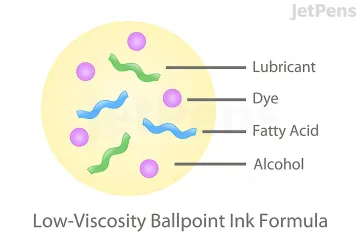
The click pen design is agnostic regarding the type of ink it holds, allowing for great variation in writing experience. [2] Most commonly, they house standard ballpoint ink cartridges, which are oil-based and dry quickly, perfect for fast note-taking and ensuring minimal smudging when deployed from the retracted state. [7] The viscosity of this oil-based ink is a key reason why the ballpoint mechanism works so well with the simple retraction system. [2]
However, gel ink refills are also frequently found in click pens. [2] Gel ink provides a smoother, darker line than traditional ballpoint ink, often preferred for handwriting quality. [2] The trade-off is that gel ink tends to be wetter, meaning the pen must be retracted immediately after use to prevent the tip from leaving an unwanted mark, making the reliability of the click mechanism even more critical. [7]
When considering an upgrade, an interesting point of comparison emerges regarding the refill itself. A high-quality click pen often uses industry-standard refills, like the Parker-style G2 format, which means upgrading the ink—perhaps to a hybrid or pressurized ink—is usually possible without replacing the entire pen body. [5][8] This modularity is an often-overlooked benefit of well-designed click pens; the body is an enduring piece of hardware, and the consumable element (the refill) can be tailored to the user’s current preference for line width or darkness. [6]

# Selecting the Right Clicker
Choosing a click pen involves balancing these engineering aspects with personal preference, especially concerning durability and feel. [10]
For maximum reliability in a high-stress environment, such as a busy workspace or a field job, the focus should be on the mechanism's construction material. A pen where the cam and ratchet are made of metal, even if the body is plastic, will generally outlast one with all plastic internals. [2] If the primary need is to avoid losing a cap and to have a pen ready instantly, the basic, inexpensive model fulfills the requirement. [7]
If the pen is intended for daily signature duties or as a desk companion, investing in one with a precision-machined, solid-body construction is worthwhile. [8] These higher-end versions offer better weight distribution, which impacts writing comfort over long periods, and the tight tolerances mean the mechanism will perform satisfyingly for years. [5]
Ultimately, the click pen is a triumph of accessible engineering. It solves the universal problem of the missing cap with a repeatable, audible mechanical action that has been refined over decades. [9] The simple act of depressing a button is an action so ingrained in our daily routine that we rarely stop to appreciate the precise calibration required for that little piece of plastic or metal to lock, hold, and release the ink cartridge perfectly every single time. [10]
#Videos
How Does a Clicky Pen Work? - YouTube
How a Retractable Ballpoint Pen Works - YouTube
Related Questions
#Citations
How Does a Clicky Pen Work? - YouTube
Retractable pen - Wikipedia
ELI5: How do clicky pens work, and what is the mechanism called?!
Click Classic Black Ballpoint Pen | Cross
Click Pen - Modern Fuel
Click Pens v. Capped Pens: Which Promotional Pen to Pick?
Squire Click Ballpoint Pen - Baronfig
How does a retractable ballpoint click pen work?
Twist or Click: What's Your Retractable Pen Preference?